

### Blog Post:
Best Hedge Trimmer is at the top of every homeowner and garden enthusiast’s wishlist this year, driven by booming advances in electric and cordless models that reshape how we maintain outdoor spaces.
Key Takeaways
- Electric and cordless hedge trimmers now dominate the $4.2 billion global market, with battery-powered options leading innovation and user preference.
- The best hedge trimmer for you depends on factors such as battery life, tool weight, ease of maintenance, and safety—critical pain points highlighted in current user feedback.
- Modern features like IoT diagnostics, universal battery compatibility, and low-noise operation have become essential for both new buyers and those upgrading their garden tools.
- 2026 Market Trends: Why Electric and Cordless Hedge Trimmers Lead the Pack
- Cordless vs. Corded vs. Gas: Choosing the Best Hedge Trimmer for Your Needs
- The Most Common Complaints—and How to Avoid Them
- Innovations and Future-Proof Features to Watch in 2026
- Essential Maintenance, Safety, and Recycling for Longevity
- 2026’s Best Electric & Cordless Hedge Trimmers: Top Picks & Buying Considerations
- Frequently Asked Questions
2026 Market Trends: Why Electric and Cordless Hedge Trimmers Lead the Pack
Electric and Cordless Hedge Trimmers have transformed the garden tools market. According to the latest industry reports, the global electric hedge trimmer segment is valued at $4.2 billion, with cordless models securing 61.8% of the market share (about $2.6 billion). This shift is fueled by growing eco-consciousness, rapid adoption of urban gardening, and the demand for quieter, cleaner, and low-maintenance equipment. Homeowners increasingly expect efficient, user-friendly tools that reduce emissions and noise—making the best hedge trimmer options today almost exclusively battery-powered or electric.
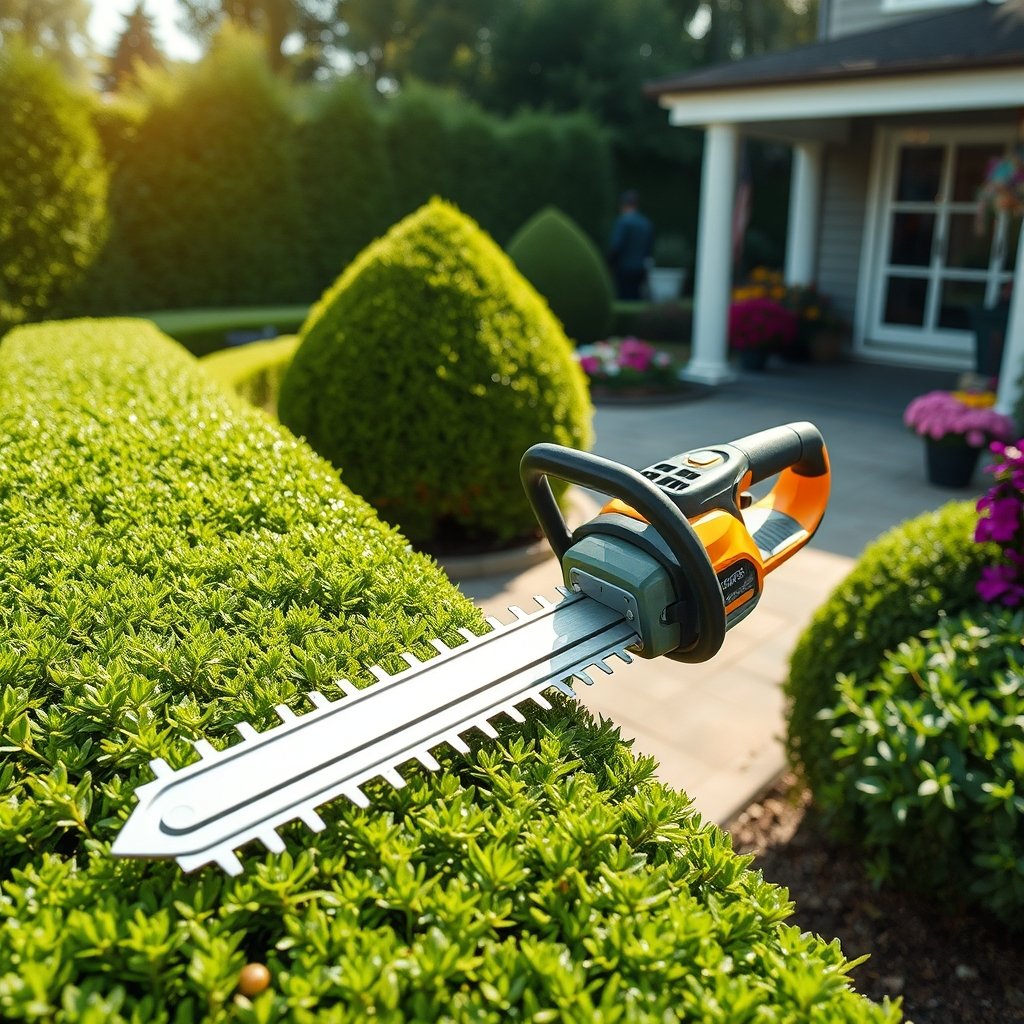
Cordless vs. Corded vs. Gas: Choosing the Best Hedge Trimmer for Your Needs
The choice between cordless, corded, and gas-powered hedge trimmers hinges on your yard size, plant density, routine, and maintenance priorities. Here’s a realistic look at each:
- Cordless Hedge Trimmers: These use a rechargeable lithium-ion battery. They now outsell corded models thanks to their portability and steady 6-7% CAGR in market growth. No cords means zero risk of accidental tangling or range constraints, and the latest versions provide up to 60 minutes of runtime on a single charge. Perfect for most residential yards and for users upgrading from older models or making their first purchase of a garden tool.
- Corded Electric Hedge Trimmers: These offer unlimited operation time but are limited by cord length and proximity to power outlets. They tend to be lighter than their battery-powered cousins, making them attractive for continuous jobs on small lots. However, cord management remains a hassle and a safety risk.
- Gas-Powered Models: Once the standard, gas hedge trimmers have fallen out of favor due to their weight, fumes, complex upkeep, and noise. While they may still appeal to commercial landscapers with vast properties, most homeowners are opting for cleaner, quieter electric options.
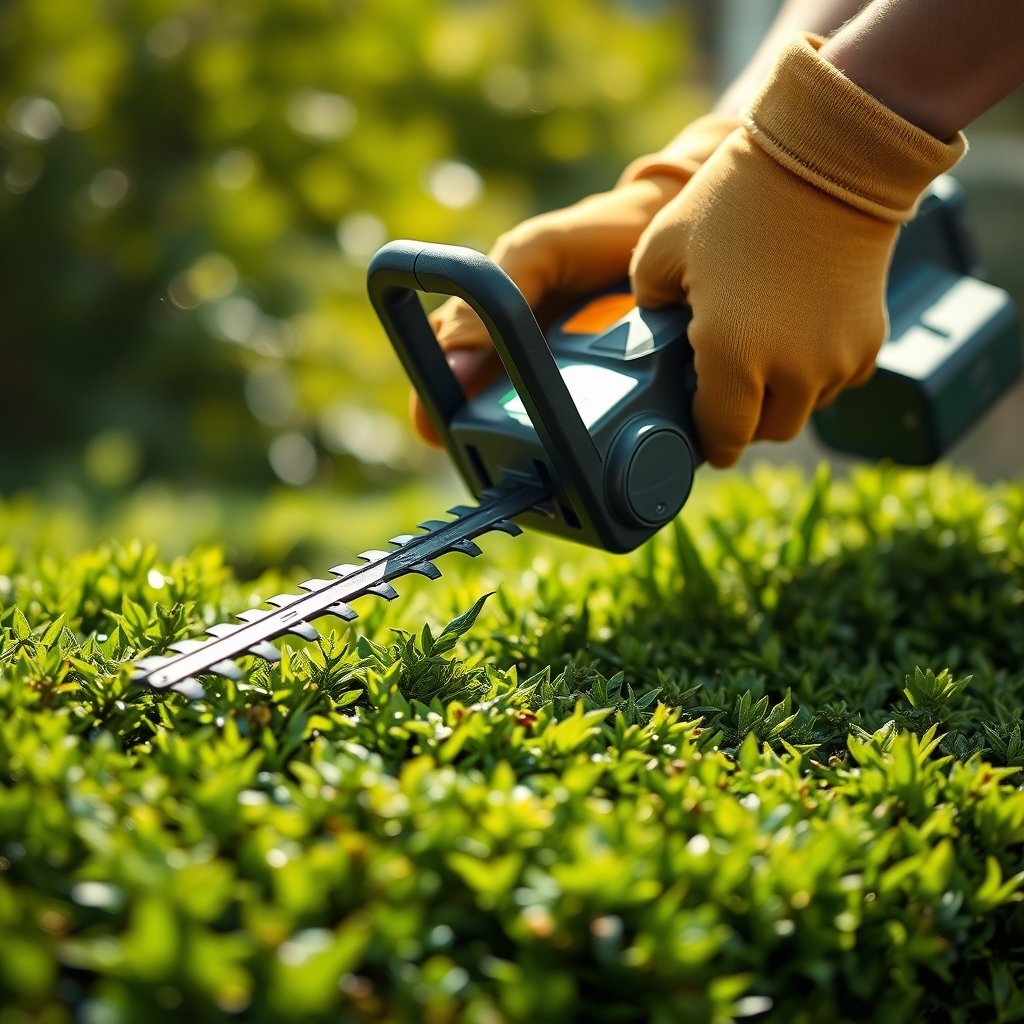
Shifting to electric tools is already part of bigger homeowner trends, like those featured in power tool and lawn equipment roundups—underscoring the need for adaptability and low-maintenance upgrades in modern landscapes.
The Most Common Complaints—and How to Avoid Them
Despite rapid improvements, buyers still run into recurring problems with electric hedge trimmers:
- Battery Life: Many cordless hedge trimmers promise up to an hour of runtime, but tough branches or dense hedges can drain batteries faster. Unexpected shutdowns in the middle of big tasks are a frequent complaint. Having a spare battery or picking a model with fast-charging capability is critical.
- Charging Time: Some garden tools take 2–4 hours to fully charge, causing frustrating downtime unless you plan ahead or invest in extra batteries.
- Weight and Balance: Excessive weight—or poor weight distribution—quickly causes user fatigue, especially for those trimming overhead or for longer sessions.
- Blade Dulling: Dull or improperly maintained blades make trimming inconsistent and even dangerous. Most dulling is caused by hitting thick or woody branches, forcing the tool and wearing down the edges fast.
- Safety Concerns: Users note that some electric hedge trimmers lack robust blade guards, automatic shutoff, or handle interlocks, increasing risk. Always review safety features before buying.
A more sustainable approach? Research the tool’s weight, real-user battery stats, and read up on blade care—something often missing in standard online guides. It’s worth checking out expert garden maintenance tips, like those in a comprehensive lawn equipment guide, to extend the life of all your outdoor tools.
Innovations and Future-Proof Features to Watch in 2026
Leading brands aren’t just refining motors—they’re reinventing what makes a hedge trimmer the best. Here’s what buyers should investigate this year:
- Smart Diagnostics and Predictive Maintenance: A handful of top-end electric hedge trimmers now offer smartphone connectivity, alerting users when it’s time to oil blades, check fasteners, or recharge batteries—dramatically reducing risk of costly damage or improper use.
- Universal Battery Ecosystems: Major brands like Black+Decker and DeWalt have rolled out cross-compatible power packs, allowing garden enthusiasts to swap batteries across hedge trimmers, string trimmers, and even blowers—saving space and money while simplifying charging routines.
- Noise and Vibration Minimization: Cutting-edge tool designs now focus on anti-vibration systems and insulated housings that protect hands and lower noise, making for less fatiguing and more neighborhood-friendly yard care.
- Sustainable Manufacturing: Some products now feature recycled plastics, and manufacturers increasingly provide clearer options for battery recycling at end of life—a crucial feature for eco-conscious buyers.
For a deeper dive on eco-friendly lawn care innovations that pair perfectly with your choice of the best hedge trimmer, explore trends in alternative lawns or sustainable outdoor living upgrades.
Essential Maintenance, Safety, and Recycling for Longevity
Proper care for your electric hedge trimmer goes beyond the manual. Here’s how to make your investment last—and keep your garden safe:
- Blade Care: Wipe and lubricate blades after every use to prevent rust and sap buildup. Sharpen as needed, or replace if damaged.
- Safe Storage: store in a dry place, ideally on a wall mount, and use a blade sheath to prevent accidental nicks. Unplug corded models or remove batteries from cordless models before cleaning or stowing.
- User Safety: Always wear gloves and eye protection. Check that all guards and switches work before you power on. Never run the tool with a loose or damaged blade.
- Sustainable Recycling: Many brands participate in takeback and recycling schemes for batteries and spent tools. Contact your local waste center or use manufacturer-sponsored programs. For instance, check if your hardware retailer offers safe battery drop-offs during seasonal recycling drives.
For more year-round care strategies, see comprehensive home maintenance checklists and avoid unnecessary tool replacements.
2026’s Best Electric & Cordless Hedge Trimmers: Top Picks & Buying Considerations
Based on independent market data and user reviews, these brands lead the category for both first-time buyers and experienced gardeners:
| Brand | Market Share | Core Strengths | Cross-Compatibility |
|---|---|---|---|
| Husqvarna | 18.2% (2026 forecast) | Premium durability, smart battery features, pro-level performance | Select series to Husqvarna battery garden tools |
| Black+Decker | Strong second | Wide retail access, approachable pricing, established reputation | Broad PowerConnect battery platform |
| DeWalt | Trailing close | Professional reliability, best-in-class cutting for heavy-duty tasks | Full FLEXVOLT tool compatibility |
| Makita | High pro-adoption | Engineering, lighter models, strong commercial following | LXT platform across garden & power tools |
When selecting the best hedge trimmer for your property, always consider:
- Yard size and average hedge thickness
- Weight and ergonomics for your strength and reach
- Battery runtime and recharge time (aim for at least 40–60 minutes and sub-2-hour full recharge for cordless)
- Safety features: automatic stop, dual switches, blade guards
- Cross-compatibility: will your battery work across other garden tools?
- Responsiveness of manufacturer for warranty and replacement parts
For more ideas on expanding your outdoor toolkit without clutter, read about garage storage solutions that keep your equipment in prime condition season after season.
Frequently Asked Questions
How long does the average electric hedge trimmer battery last?
On most new cordless models, expect around 40–60 minutes per charge under typical loads. Runtime will drop if you’re tackling thick, woody hedges. For larger jobs, keep a spare battery charged or opt for a higher-capacity pack.
Are electric hedge trimmers safer than gas-powered ones?
Yes. Electric and cordless hedge trimmers usually feature dual-handle operation, instant shutoff, and lower vibration. Always use protective gear and check manufacturer safety ratings before use.
Can I use the same battery for my hedge trimmer and other garden tools?
It depends. Leading brands like Black+Decker, DeWalt, and Makita now feature universal battery platforms. Verify compatibility before buying your tools for maximum convenience and savings.
Where can I recycle worn-out batteries or broken hedge trimmers?
Many manufacturers offer battery recycling programs. You can also drop off spent batteries at select local hardware stores or municipal recycling centers. Never dispose of batteries in regular trash.
Are online sales for electric hedge trimmers reliable?
Yes. In the past year, online sales have jumped from 28% to 35% of the hedge trimmer market, making it easier to compare real-user reviews and find deals. Just stick to reputable retailers and check return policies.
—