
### Blog Post:
Best Pressure Washer buyers today face a confusing market divide, rapidly changing technology, and real user complaints that most reviews never address. If you want real-world cleaning performance for your home or small business, it is crucial to see how the market has shifted in YYYY and what actually matters most—beyond just price and power ratings.
Key Takeaways
- The U.S. pressure washer market approached $584 million with gas holding a 47.3% share but electrics growing every year due to convenience and ease of use.
- Professional-grade machines account for nearly a third of all sales, but most household jobs are better served by electric models—unless you regularly tackle heavy industrial grime.
- Most reviews skip features users now want in YYYY: hot-water capability for tough grease, powerful cordless options that aren’t tethered, and smart auto-adjusting controls for diverse tasks.
- The YYYY Pressure Washer Market at a Glance
- Electric vs. Gas Pressure Washers—Who Should Buy Which?
- Common Complaints—What Real Users Say About Top Models
- The Three Features Missing From Today’s Pressure Washer Reviews
- YYYY Recommendations: Choosing the Best Pressure Washer for Your Needs
- Conclusion—Future-Proofing Your Purchase
- Frequently Asked Questions
The YYYY Pressure Washer Market at a Glance
The pressure washer sector is rapidly evolving. In YYYY, U.S. sales reached around $584 million, and the split between gas and electric is sharper than ever. Gas-powered units still lead with a 47.3% market share, mainly due to their popularity for outdoor cleaning and high-powered projects that demand brute force—especially on large driveways, concrete, and heavy grime. But electric pressure washers are on the rise, now holding over half the market and growing thanks to lower prices, lighter design, and far less required maintenance. This shift makes sense as electric models better fit the needs of average homeowners and small business operators seeking reliable outdoor cleaning without intense upkeep or fuel.
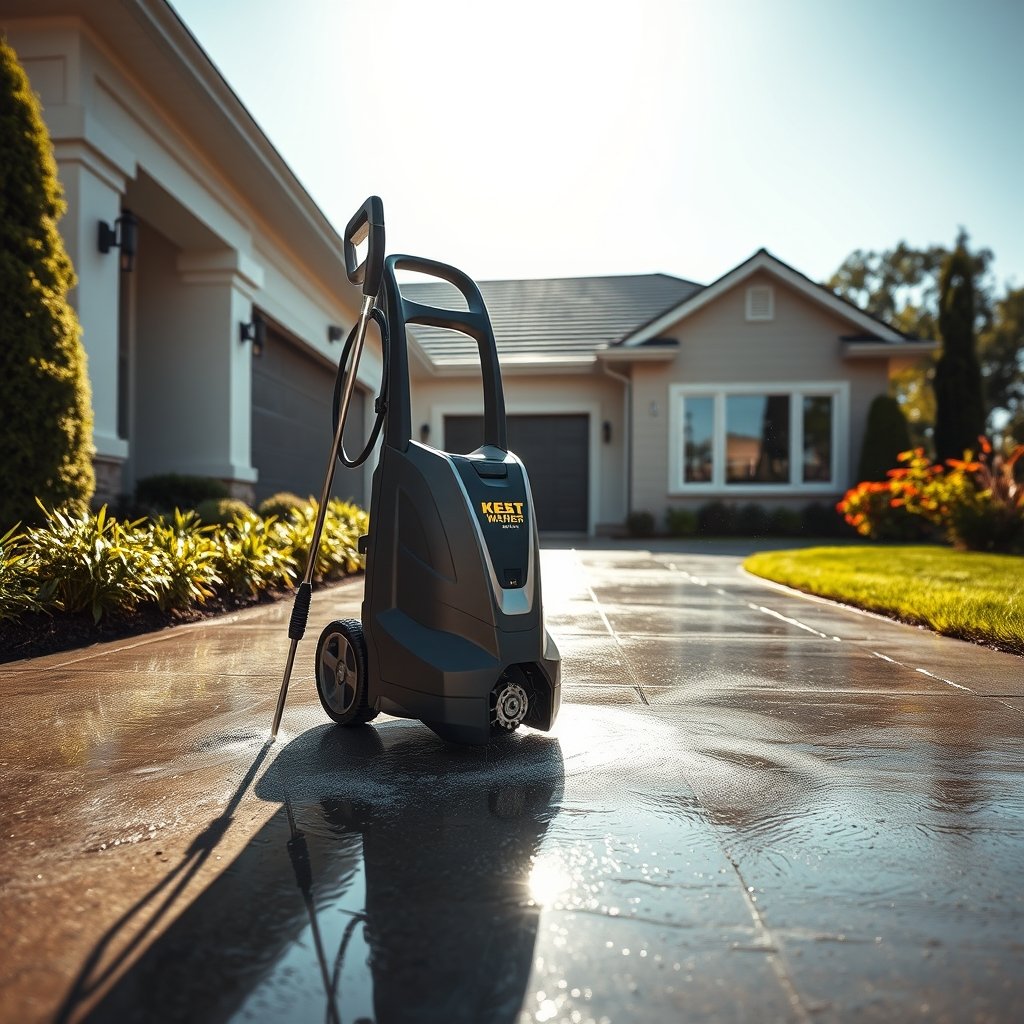
The surge in electric models also reflects the overall trend in home improvement products toward convenience and lower environmental impact. If you are considering upgrades for your home or workspace, check out options to organize your garage for home projects or explore other top-rated home improvement tools alongside your cleaning gear.
Get the full industry breakdown in the Market.us Pressure Washer Market Report.
Electric vs. Gas Pressure Washers—Who Should Buy Which?
Choosing between an electric pressure washer and a gas model comes down to the jobs you need to tackle and how often you plan to use your washer. Electric units are favored by most residential users, offering enough power for decks, patios, siding, and cars—without the loud engine, emissions, or high maintenance that gas machines require. Trusted Pressure Washer Reviews show electrics excel in ease of use and quieter operation, making them less intimidating for new owners.
On the other hand, gas-powered washers remain the go-to for heavy-duty outdoor cleaning. Their higher PSI (pounds per square inch) and GPM (gallons per minute) make them indispensable for stripping paint, cleaning large driveways, prepping for renovations, or maintaining commercial properties. The tradeoff is more upkeep—oil changes, carburetor maintenance, noisy engines, and mandatory fuel. Professional-grade washers alone accounted for 31.2% of all sales in the most recent season, underlining the demand for real power where it’s actually needed.
For a comprehensive home cleaning routine, see also: Home Maintenance Checklist.
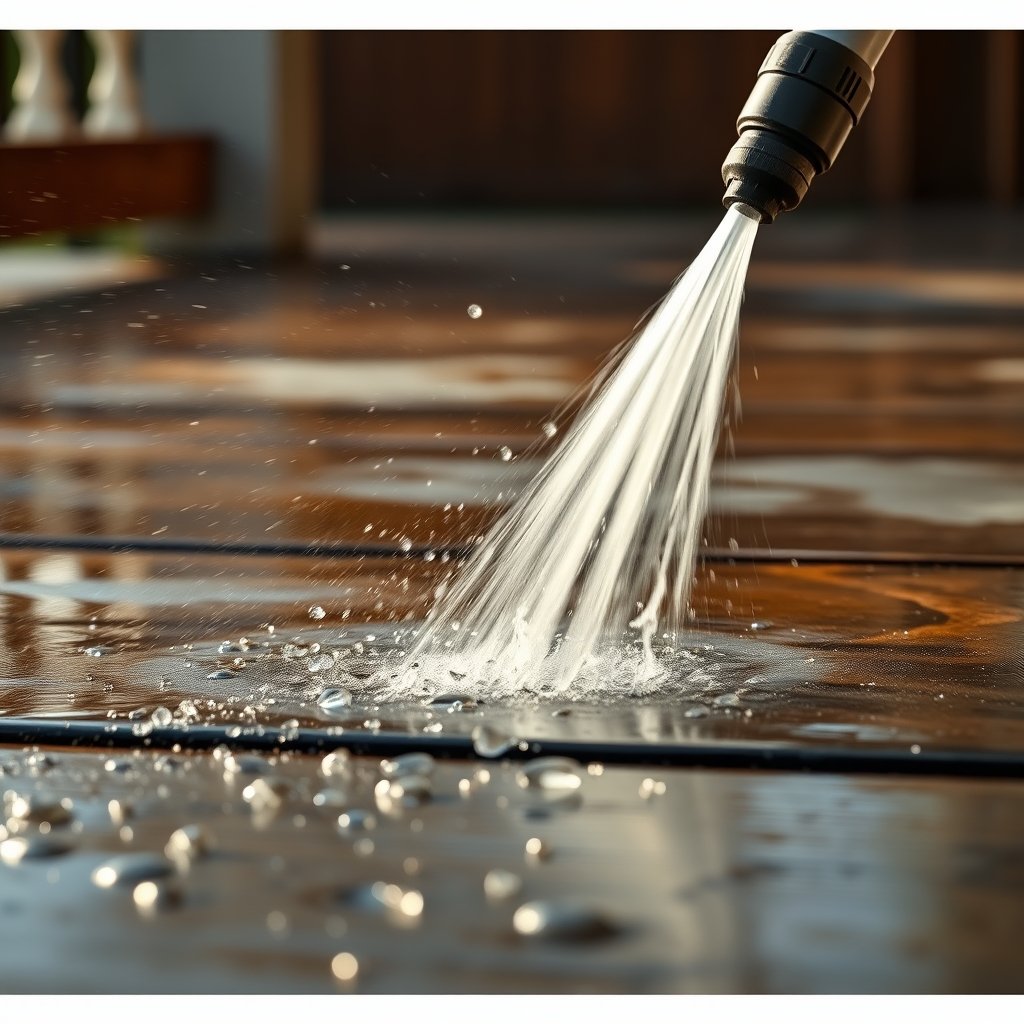
For large, hardscaped properties or situations without ready electrical access, gas is still king. But don’t overlook top-performing electrics. Many Best Pressure Washer picks in YYYY focus on corded electric models for home use. Gas makes sense when you genuinely need the extra muscle.
If you want to invest in other tools to simplify outdoor projects, check out this guide to the best power tools for every budget.
Common Complaints—What Real Users Say About Top Models
User experience is not always reflected in glossy product pages or corporate reviews. Here’s what real buyers most often list as drawbacks:
| Type | Frequent Issues | Reported by Users |
|---|---|---|
| Gas Pressure Washers | Loud engines, frequent oil changes, hard starts (carburetor or starter), fuel mess, exhaust fumes | “My gas unit sounds like a generator, and the starter never works right in spring.” / “Oil changes are a pain.” |
| Electric Pressure Washers | Limited PSI, low GPM, short power cords, battery models last 1 hour or less, pump components wear quickly, not enough power for mold/oil | “Cord isn’t long enough for my driveway.” / “Battery dies before I can finish my patio.” / “Can’t blast off old algae.” |
While neither type is perfect, these pressures show up again and again in honest Pressure Washer Reviews. For advanced home maintenance, see these smart home care strategies as well.
The Three Features Missing From Today’s Pressure Washer Reviews
Nearly every “Best Pressure Washer” roundup in YYYY skips the features many homeowners now want:
- Built-In Hot-Water Heating: Cold water is fine for dust and basic dirt, but anything greasy (like auto restoration, oil stains, or food prep areas) needs heat. Very few pressure washers offer internal water heating, leaving users struggling on tough spots. This is especially limiting in food service, automotive, or garage scenarios. Imagine using your washer for multipurpose cleaning—including removing stubborn driveway oil leaks.
- High-Pressure, Long-Running Cordless Operation: Cordless pressure washers once promised freedom, but none yet rival gas or larger electric units in PSI or runtime. Most batteries run out in about an hour (or less) and underperform for real outdoor cleaning. Advanced lithium packs, rapid swaps, or modular battery clusters could change this equation. Until then, every tested cordless washer is best for lightweight rinsing and spot jobs only.
- Smart Connectivity & Auto-Adjusting Pressure: Virtually no models in YYYY support Wi-Fi/Bluetooth connectivity, app-based controls, automatic PSI/GPM adjustment, or memory presets for common jobs. With smart home tech everywhere—in thermostats, locks, and lighting—this gap is striking. Smart pressure washers could, for example, auto-sense siding vs. stone or let you recall settings for your favorite deck cleaning routine.
Manufacturers will need to address these opportunities as user needs evolve. If you want other cutting-edge upgrades for your space, check out top smart home devices.
YYYY Recommendations: Choosing the Best Pressure Washer for Your Needs
Here’s how to cut through the hype and get the right washer for your tasks:
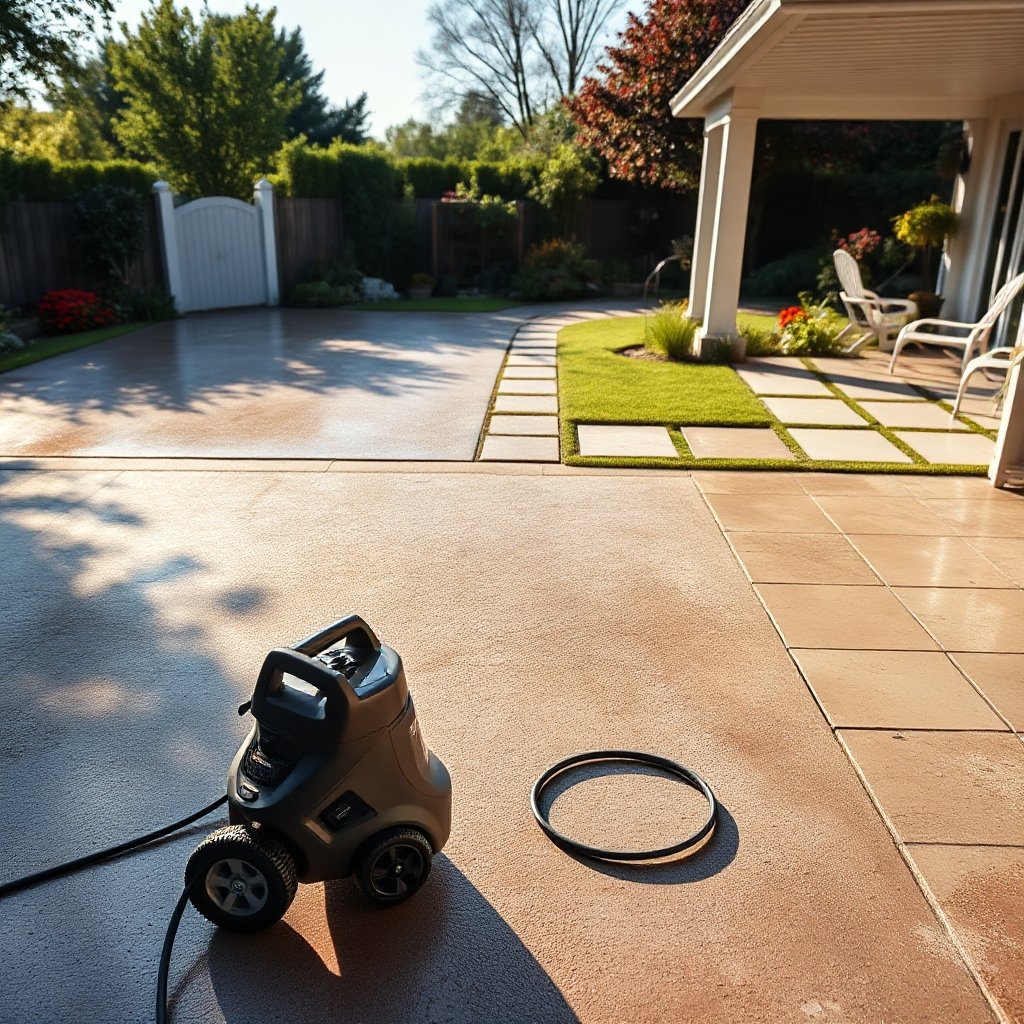
- Best for homeowners (general outdoor cleaning, decks, furniture, cars): Choose a well-rated, corded electric pressure washer in the 1800-2300 PSI range with multiple nozzles. Examples: Sun Joe SPX3000, Westinghouse ePX3100v. Low noise, minimal upkeep, reliable for most moderate cleaning jobs.
- Best for large areas or heavy-duty work (driveways, masonry, paint prep, small business): Go gas-powered, 3100+ PSI with steel-braided hose and a commercial pump. Look for models like Simpson PS3228 PowerShot, renowned for serious cleaning power and durability even as a pro-grade choice.
- Avoid: Underpowered cordless models if you need project-long runtime, and watch for plastic pump components on bargain units which wear out fast.
For the most up-to-date side-by-side picks—including driveway performance and advanced features—see our Best Pressure Washers for Driveways guide.
Durability matters, too: composite frames, metal rather than plastic threaded connectors, and warranty coverage for the pump are smart signs of reliable washers.
Conclusion—Future-Proofing Your Purchase
The pressure washer landscape keeps evolving. Where gas once dominated, electric options are now catching up in power and absolutely dominate for quieter, everyday cleaning jobs. That said, the next wave of innovation will likely focus on the three biggest missing features: hot water capability, extended cordless power, and smarter, connected controls. Use these points to steer your buying process, and don’t get distracted by just chasing the highest PSI.
Looking for more ways to upgrade your home and cleaning routines? Review additional home improvement ideas and make sure every major purchase is actually a step up in daily convenience—and not an expensive headache. For more real-world Best Pressure Washer insights or to share your own experience, leave a comment below!
Frequently Asked Questions
What is the ideal PSI for home outdoor cleaning?
For most homes, a pressure washer with 1800-2300 PSI is sufficient for decks, vehicles, siding, and patio furniture. Go higher only if you regularly tackle heavy stains, concrete, or paint stripping.
How long do battery-powered (cordless) pressure washers last?
Most battery-powered pressure washers run 30-60 minutes per charge at best. Even premium models rarely offer the sustained high PSI needed for all-day cleaning. Cordless is best for small, quick jobs.
Is hot water necessary for pressure washing?
Hot water is not required for most outdoor cleaning, but it is essential for removing grease, oil, and tough jobsite stains. Most consumer units are cold-water only.
Why do gas pressure washers need so much maintenance?
Gas pressure washers use combustion engines, which require oil changes, filter replacements, and seasonal carburetor maintenance—much like lawnmowers or generators. Electric models have fewer moving parts and need less upkeep.
Can electric pressure washers damage surfaces?
Yes, high-pressure nozzles close to wood, paint, or soft materials can cause stripping or splintering. Always start with a wider nozzle and test on a small area first.
—