

### Blog Post:
Best Pressure Washers are flying off shelves in 2026, and for good reason: reliable driveway cleaning now feels less like a chore and more like real results you can see. But with so many options and plenty of pitfalls, which pressure washers actually deliver the ease, power, and lasting value that today’s homeowners demand? We dig into firsthand feedback, sales data, and what users honestly wish they’d known—especially for driveway cleaning jobs that push machines to their limit.
Key Takeaways
- In 2026, the DeWalt DWPW2600 and Sun Joe SPX3000 were the highest-selling and most loved pressure washers for driveway and patio cleaning.
- Common user pains include short hoses, inconsistent power, and complex assembly—issues most guides ignore.
- Pressure washing gives driveways a fresh look, extends siding and surface life, and is at least 80 times more effective against mold than a garden hose.
- 2026’s Top Pressure Washers: Sales, Performance & Real Satisfaction
- What Matters Most: Pressure Washer User Experiences in 2026
- Electric, Gas, or Battery? How Power Source Shapes Your Cleaning Results
- What Competitors Miss: 3 Forgotten Factors When Choosing a Pressure Washer
- Quick Guide—Choosing Your Best Pressure Washer for Driveways
- FAQ
2026’s Top Pressure Washers: Sales, Performance & Real Satisfaction
The biggest sellers in outdoor cleaning tools this year are telling: both the DeWalt DWPW2600 (2600 psi, electric) and Sun Joe SPX3000 (2030 psi, electric) broke the 150,000 unit mark in the US, earning user satisfaction averages of 4.8 and 4.6 out of 5, respectively. Their appeal isn’t just strong specs—owners cite reliability, easy storage, and consistent power as wins for driveway cleaning. If you want a proven pressure washer for stubborn driveway stains or mold, these models set the bar.
Recent data also shows the battery-powered Ego 56V is no longer just a novelty. Surging in popularity, it sold around 45,000 units and scored a 4.4, drawing users looking to avoid tangled cords and fumes. Homeowners want cleaning tools that really keep up with seasonal outdoor demands.
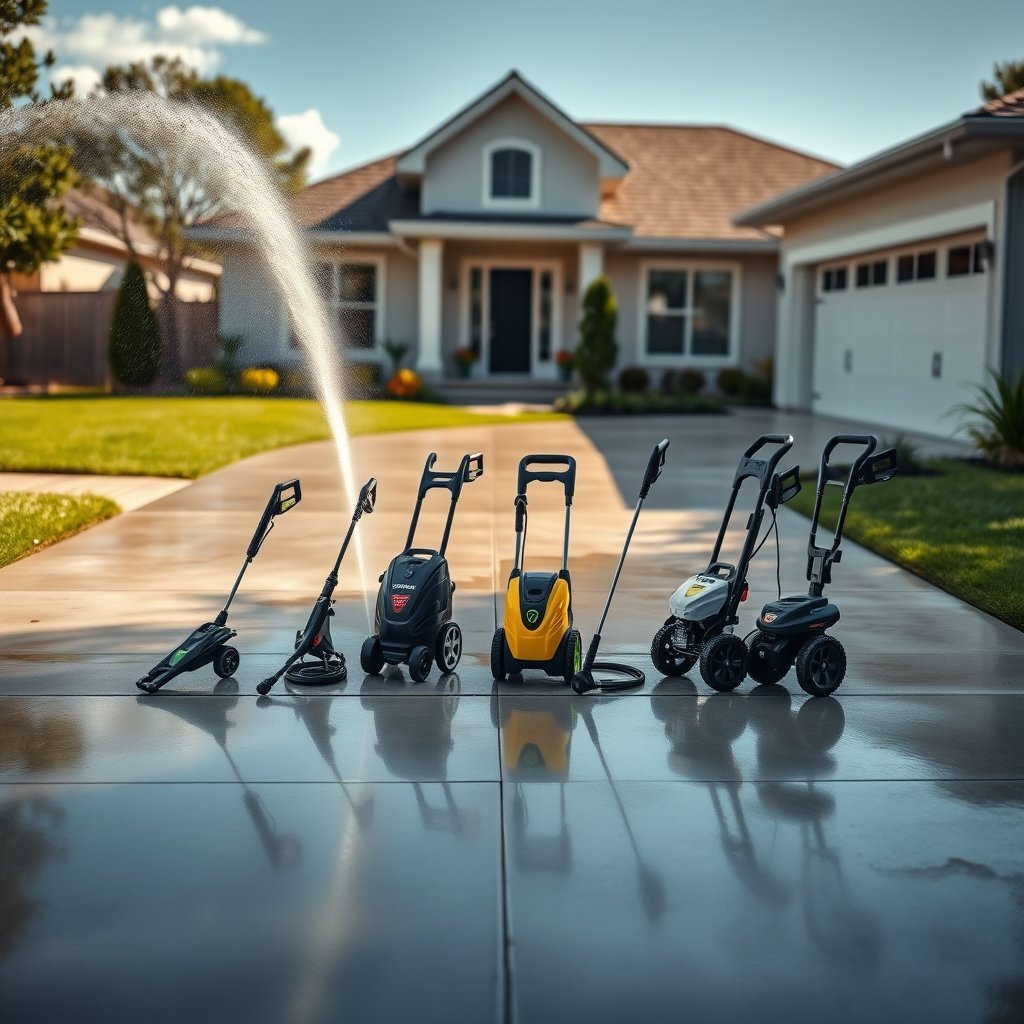
For a deep dive into how these models stood up to real-world use, check out the Wirecutter’s in-depth reviews or see the test results from Consumer Reports. Both sources emphasize that performance matters most when you’re facing driveway grime or built-up patio crud.
What Matters Most: Pressure Washer User Experiences in 2026
Real pressure washer reviews from homeowners reveal the biggest complaints are surprisingly consistent—especially for driveway cleaning jobs. Here are the top issues that come up again and again:
- Short Hose Length: Nothing frustrates more than dragging the unit back and forth because your hose won’t reach the far corner. A 20-foot hose rarely cuts it for large driveways—many users quickly buy third-party extensions.
- Inconsistent Power or Pressure: Some machines lose power after a few minutes, especially when using lighter-duty (or older) electric units. This is most noticeable on extra-dirty driveways.
- Assembly & Storage Hassles: Poorly written instructions, flimsy hose reels, and confusing assemblies are common headaches. Many admit they spent more time wrestling with setup than actually cleaning.
Despite these pain points, homeowners are still choosing pressure washers for driveway maintenance because the results—surfaces that actually look clean and last longer—are worth the trouble. In fact, annual pressure washing can extend the life of exterior paint or siding by up to three years, according to industry statistics.
Electric, Gas, or Battery? How Power Source Shapes Your Cleaning Results
Choosing between electric, gas, and now battery power can make or break your cleaning experience—especially on driveways, where surface area and grime levels are highest. Here’s what stands out in 2026:
- Electric: Models like the DeWalt DWPW2600 and Sun Joe SPX3000 are cost-effective, quiet, and perfect for most driveways. Limited by cord reach, but almost always enough power for residential needs.
- Gas: Heavy-duty, unrestricted by cords, and the best for old oil stains or very large driveways—just expect more noise, maintenance, and emissions.
- Battery: Finally catching up in power, as seen with the Ego 56V. These machines suit smaller-to-medium driveways, offer true portability, and eliminate tripping over cables. Expect to pay more upfront for battery kits.
The surge in battery-powered models in 2026—up 45,000 units sold—shows outdoor cleaning tools are moving toward easier, cordless use without losing meaningful power. See expert roundups at Home Depot’s buying guide for side-by-side comparisons.
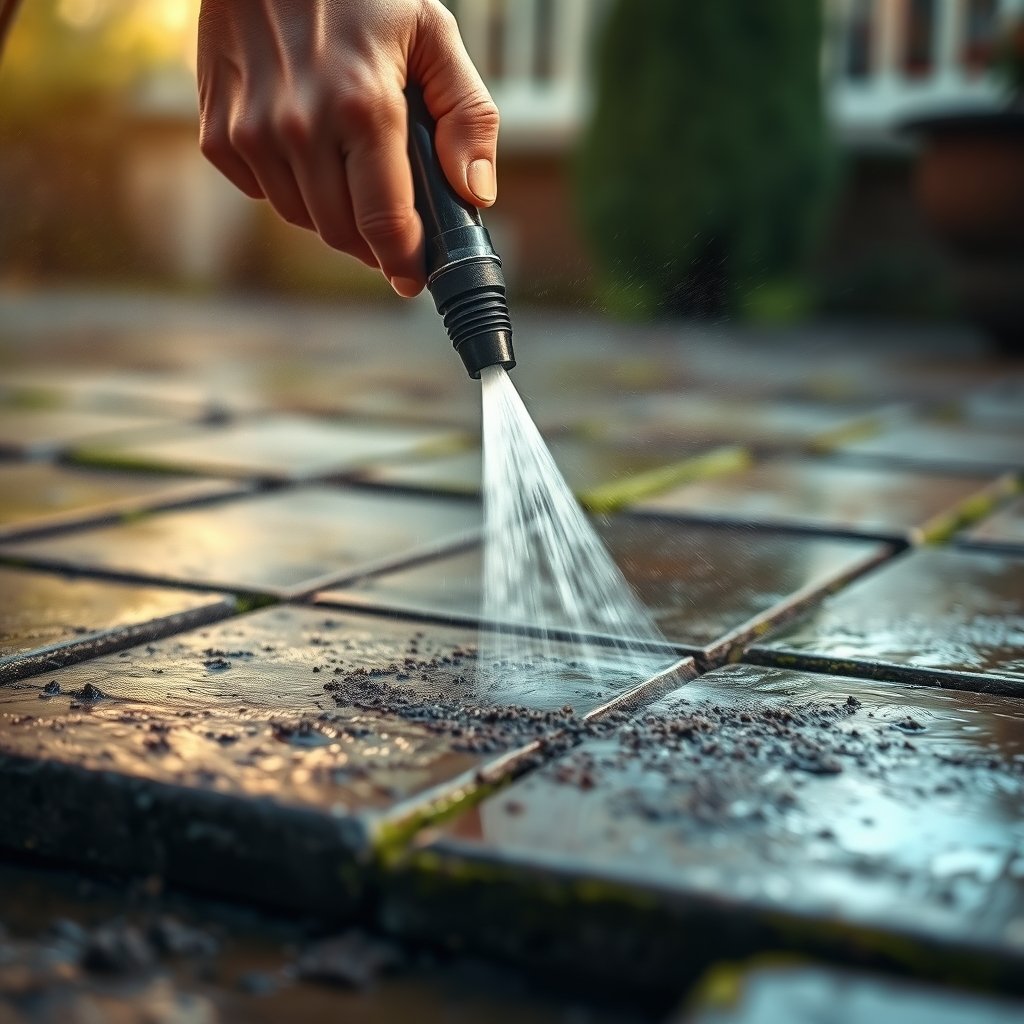
Battery power is making huge gains for those frustrated with cords. But gas still wins for full-throttle cleaning on extra-large driveways. If noise and maintenance are dealbreakers, electric is your new best friend.
What Competitors Miss: 3 Forgotten Factors When Choosing a Pressure Washer
Most pressure washer reviews skip these key considerations, but they matter hugely for homeowners who want lasting value:
- Long-Term Durability: Many budget-friendly units lose pressure over time or leak at connectors. Opt for brass fittings over plastic wherever possible.
- True Cost of Ownership: It’s not just the up-front price—factor in extension hoses, replacement nozzles, extra soap, and increased power usage for frequent jobs. High-quality models can mean fewer surprise repairs.
- Eco and Safety Practices: Modern high-pressure units use up to 80 percent less water per cleanup than basic hoses, but improper use can damage surfaces or landscaping and cause accidents. Always use the lowest setting needed and steer clear of any loose bricks or grout on older driveways.
Even as the outdoor-cleaning market expanded by a CAGR of 4.2% in 2026, owners expect more from their investments. This means rugged design, affordable upkeep, and tools that stand up to the rigors of seasonal outdoor grime—especially in climates with wet springs or leafy autumns.
Want even more ideas on maximizing your outdoor living and cleaning projects? Explore tips for outdoor living spaces or compare top power tools for DIY around the house.
Quick Guide—Choosing Your Best Pressure Washer for Driveways
Selecting the best pressure washer isn’t just about raw power. Use this checklist, shaped by the latest stats and user wisdom:
| Factor | Electric (DeWalt/Sun Joe) | Gas | Battery (Ego 56V) |
|---|---|---|---|
| Max PSI | 2000–2600 | 2500–3500 | 1800–2100 |
| Average Rating (Owner Satisfaction) | 4.8 (DeWalt), 4.6 (Sun Joe) | 4.3 | 4.4 (Ego) |
| Unit Sales (US, YYYY) | >150,000 each | ~90,000 | 45,000 |
| Noise & Emissions | Low | High | Very Low |
| Suitability for Large Driveways | Good (with long cord/hose) | Excellent | Best on small/medium |
| Setup/Storage Ease | Easy | Moderate | Very easy |
- Check for hose length (25 ft. is standard; longer is better for driveways).
- Look for cord management or battery run time—choose what fits your home layout.
- Prioritize models with good user assembly instructions; read reviews for real pain points.
The true edge: Pressure washers can extend siding or driveway life by up to three years and are 80 times more effective at removing mold vs. garden hoses (stat source). For a tidy, high-value outdoor upgrade, they’re hard to beat.

Want more ways to care for your home and boost curb appeal? See our guides for garage organization tips, home improvement ideas, and best lawn mowers to maximize your efforts every season.
FAQ
Which pressure washer is best for driveway cleaning in 2026?
The DeWalt DWPW2600 and Sun Joe SPX3000 are the most popular electric models for driveways, offering optimal pressure (2000–2600 psi) and high reliability. For ultimate portability, consider the Ego 56V battery-powered washer. Gas units remain best for large or heavily stained areas.
How much pressure do I really need on concrete driveways?
Most driveways need at least 2000 psi. Stick to 2200–2600 psi for stubborn oil stains or heavy mold. Anything above 3000 psi is overkill for home use and may risk surface damage.
Is electric, gas, or battery better for home use?
Electric models are easiest for most homeowners—quiet, simple, and maintenance-light. Gas wins on power and range but can be noisy and needs more upkeep. Battery models are now a real contender for small-to-mid-sized driveways where portability and cord-free use matter.
What should I watch out for when buying a pressure washer?
Examine hose length and power cord reach, check for sturdy fittings, and look for models with easy assembly instructions. Read user reviews to spot issues like leaks and unreliable customer support before buying.
How often should I pressure wash my driveway?
For most climates, one to two times per year is ideal. Frequent cleaning helps prevent mold and grime from setting in, keeps curb appeal high, and can extend your driveway’s surface life by years.
—