

### Blog Post:
Limewash paint is fast becoming the go-to choice for style-forward homeowners seeking walls with character, depth, and an eco-friendly touch—if you know how to do it right. This guide demystifies the process, from the mineral makeup to trusted application tricks, so you can get genuinely beautiful, durable limewash walls at home without the usual headaches.
Key Takeaways
- Limewash paint delivers soft, textured, and luminous walls using natural minerals instead of plastics—offering a unique look regular latex paint can’t match.
- Achieving a consistent, durable limewash finish requires special prep, good technique, and understanding how DIY mixes differ from pro-grade products.
- 2026 trends spotlight muted earth tones, dramatic neutrals, and layered cross-hatch finishes—timeless, easy to live with, and ideal for modern interiors.
- What Is Limewash Paint?
- DIY Limewash Paint vs. Commercial Products: Key Differences
- The Most Common Challenges with Limewash Walls
- How To Achieve a Consistent, Durable Limewash Finish
- Trending Limewash Paint Colors & Finishes for 2026
- Is Limewash Paint Right For You? Deciding Factors
- Frequently Asked Questions
What Is Limewash Paint?
Limewash paint is a historic, mineral-based coating made from slaked lime (calcium hydroxide), water, and natural earth pigments. Unlike regular latex paint—packed with synthetic polymers and plastic resins—limewash is all about minerals. When applied, it soaks into the wall’s surface and actually bonds with it, producing a soft, nuanced appearance that never looks flat or fake. As designers at Meoded note, “Instead of sitting heavily on top of the wall, it bonds into the surface and creates a soft, cloudy movement with natural variation.” (source).
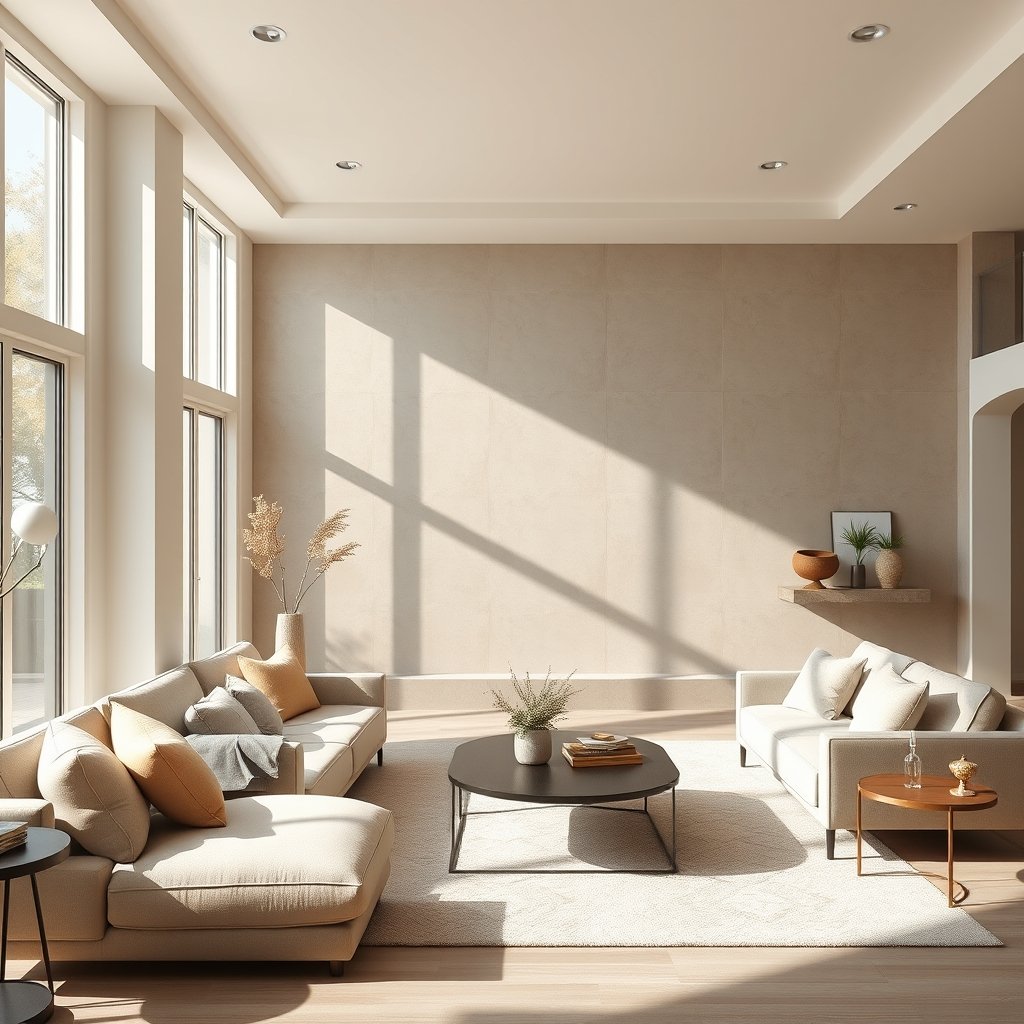
Because limewash paint is breathable, it regulates moisture better than ordinary paint—and since it uses natural mineral pigment, the color always feels soft and organic. The result is a finish that plays beautifully with light and texture, ideal for anyone after a sustainable, high-end look with real artisanal appeal. If you’re drawn to minimalist kitchen design or want walls that make your statement chandelier pop, this is the finish for you.
DIY Limewash Paint vs. Commercial Products: Key Differences
Both DIY limewash paint and commercial limewash products share the same ancient principle: combining lime, water, and pigment. But how they’re made—and how they perform—can vary significantly.
Traditional DIY limewash is just hydrated lime and water, with pigments (sometimes even sand) mixed in. This makes it cost-effective if you’re doing a rustic fireplace or outdoor wall, but it’s hard to control the consistency—and color results will be variable. By contrast, commercial limewash paints are engineered for modern walls: they use carefully aged slaked lime, extra calcium carbonate fillers, densifiers, and natural mineral pigments (source).
Some products even sneak in a tiny bit of acrylic binder to help the paint stick better to drywall or primed surfaces, which is especially helpful for busy interior rooms. Commercial limewash is smoother, often less dusty after drying, and much less likely to streak or dry patchy. Butler’s pantry walls or main bedrooms usually benefit from this professional touch.
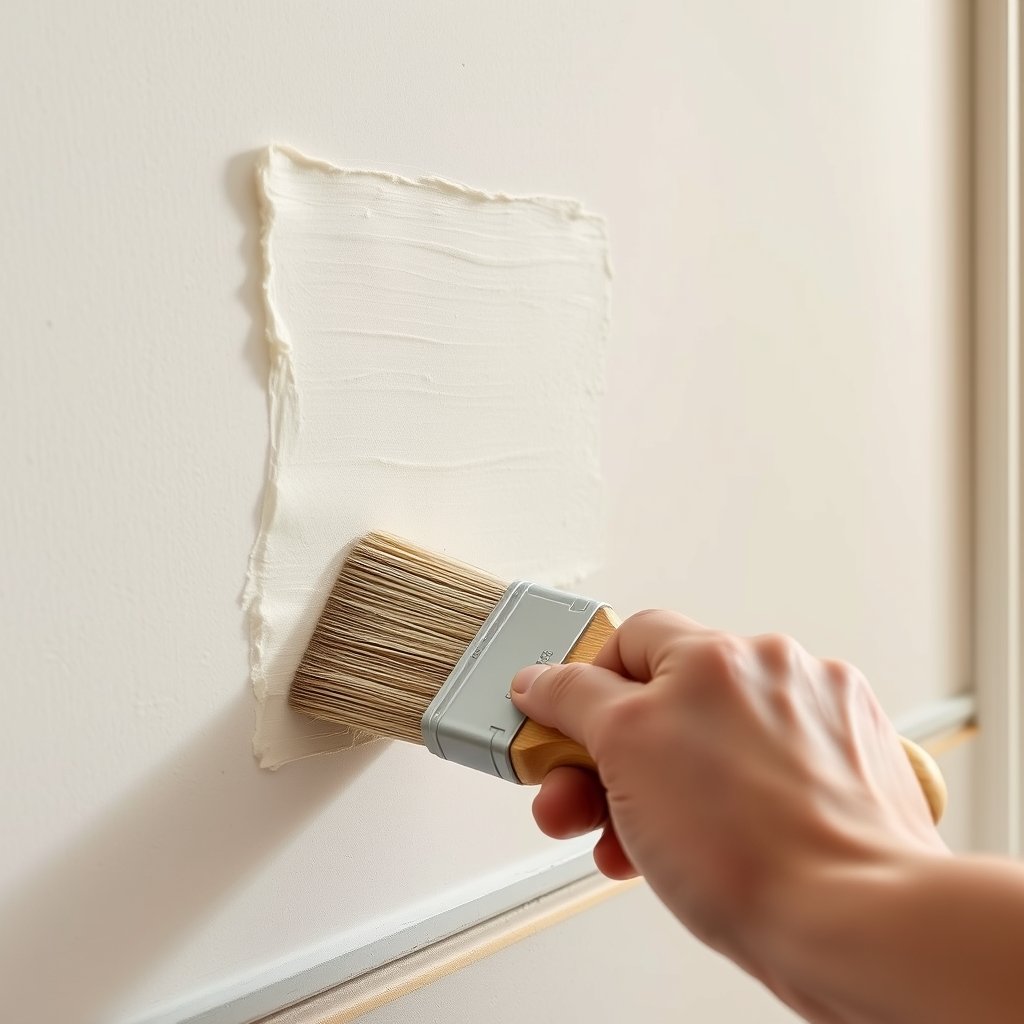
For those who like to try it yourself, keep in mind: DIY versions can be unpredictable and require more touch-up work, particularly if you want those seamless, soft transitions seen in online inspiration boards or magazine spreads.
The Most Common Challenges with Limewash Walls
Limewash walls look beautiful, but even experienced DIYers can encounter a few stumbling blocks. Most common are issues with durability, consistency, and maintenance (source):
| Challenge | Why It Happens | How to Tackle It |
|---|---|---|
| Scuffing & Staining | Mineral surface is unsealed and soft. | Use a mineral sealer or densifier after application, especially in high-traffic areas. |
| Patchy Finish | Coats overlap or are applied to uneven substrates. | Keep a wet edge; use a block brush and work in sections. |
| Chalkiness & Dust | Unreacted lime stays on surface. | Choose refined commercial limewash; seal or densify if dusty. |
| Color Inconsistency | DIY pigment blends or batch mixing variations. | Use pre-mixed colors; always batch enough for the project at once. |
As these challenges show, limewash is not totally maintenance-free. It excels in calm, adult spaces—think principal bedrooms, formal entryways, or spaces where you want elegant, soft movement on the walls. In places like a hardworking pocket pantry or kids’ rooms, consider high-quality primers or densifiers for extra longevity. If you’re a risk-taker, try layering shades for visual drama and treat any patching as a chance to add more movement or depth.
How To Achieve a Consistent, Durable Limewash Finish
Ready to try limewash paint yourself? Here’s an expert-backed application plan for getting that cloudlike result, every time:
- Prep the Walls: Limewash works best on mineral surfaces like plaster, brick, or even primed drywall using mineral-based primers. Sand or clean away loose debris for best adhesion.
- Protect & Mask: Mask off trim and floors—lime stains are tough to scrub out
- Maintain a Wet Edge: Work in smallish sections (2-3 square feet at a time), never letting one area dry before the next is blended in. Keep a misting bottle of water handy to re-moisten as you go.
- Apply 2-3 Thin Coats: Dip a natural-bristle block brush in limewash and use a cross-hatch or crisscross motion for each coat. Wait for each coat to dry (2-4 hours) before the next. Layering builds depth and prevents streaking (source).
- Optional: Seal for Durability: If your space is high-traffic, finish with a mineral sealer or densifier after the last coat. This cuts down on dusting and stains without ruining the finish’s breathability (source).
Match colors to your space—soft grays, warm whites, or rich neutrals fit perfectly with current trends. If you’re pairing with features like statement chandeliers, let your walls stay subtle so your fixtures shine.
Trending Limewash Paint Colors & Finishes for 2026
Limewash paint colors in 2026 revolve around understated, natural shades—think warm beiges, off-whites, soft grays, and dramatic matte neutrals like “Iron Ore” or JH shades 107 and 104. These colors offer timeless appeal and effortless harmony with a variety of interiors.
Textured wall finishes are also on trend, achieved through cross-hatch and cloud-technique brushwork that brings variation and “handmade” artistry to your rooms. Suggest layering two or three diluted coats, adding subtle depth without any glossy shine. For extra drama, “color drenching” (painting ceiling and walls the same hue) is gaining ground, especially in cozy dining spaces and restful bedrooms.
Brands like JH Wall Paints and James Alexander focus on mineral-rich earth pigments—yielding soft, rich, immersive colors that are easy to live with. These finishes complement minimalist kitchens, modern butler’s pantries, and any living room seeking a gentle, luxurious backdrop. If you’re after inspiration, this real project shows practical tips and beautiful, muted results.
Is Limewash Paint Right For You? Deciding Factors
Still not sure if limewash will fit your lifestyle? Here’s what to consider when weighing up the choice for your home:
- Aesthetics & Light: Limewash walls are deeply matte with a soft, ever-changing luminosity—thanks to the mineral structure that refracts light and gives the paint its glow (source).
- Eco-Friendly & Breathable: No plastics, VOCs, or film—they’re great for indoor air and ideal for anyone pursuing natural interior upgrades.
- Maintenance: Walls may need touch-ups or sealing over the years, especially if scrubbed often or exposed to scuffs. Perfect for calm spaces, but less ideal for playrooms or pet areas.
- Technique: Limewash isn’t difficult, but it requires patience and a willingness to experiment. There is a learning curve, but with the right commercial product and a little practice, results can be spectacular.
Limewash pairs beautifully with both modern and traditional elements—providing visual softness next to minimalist kitchen storage or the rich wood of classic cabinetry. If you value unique, natural elegance and can embrace a few imperfections, this finish is well worth exploring.
Frequently Asked Questions
Can I apply limewash paint over existing painted drywall?
Yes, but results are best with a quality mineral-primed surface. Limewash needs a slightly absorbent base, so always spot-test over latex—consider a mineral primer first for best adhesion and depth.
How do I prevent my limewash walls from looking patchy?
Work quickly in small sections, keep a wet edge, and use diluted coats in a cross-hatch motion. Try layering two similar limewash paint colors for extra depth and more forgiving blending.
Is limewash safe for kitchens and bathrooms?
Limewash naturally resists mold and moisture and is entirely VOC-free, but in areas that take heavy wear or need regular cleaning, sealing the finish is recommended for extra protection.
What are the most popular limewash paint colors for 2026?
The best-selling hues are muted neutrals—warm beiges, off-whites, soft grays, and deep shades like “Iron Ore” or JH 107/104. These colors complement both contemporary and classic spaces and hide wall imperfections well.
Can limewash paint crack or peel?
Limewash won’t peel or bubble like latex, since it binds with mineral surfaces. However, it can wear or powder if not sealed in busy areas, or if applied to non-absorbent walls without proper primer.
—

[…] For more on sustainable home transformation beyond the yard, see how natural wall finishes and DIY limewash paint are changing design in […]
[…] you’re updating wall finishes or considering new wiring, you might combine your installation with limewash paint for a fresh, efficient look that adds real resale value, […]
[…] walls often seen in design magazines. (If you’re also into textured finishes, see our guide on limewash paint for added […]
[…] a textural accent wall? For a more approachable option, explore the pros and cons of DIY limewash paint—another trending finish that brings character without artisan-level application […]
[…] the same checklist discipline for any upgrade — even if you’re simply adding character with limewash paint or updating bathroom comfort with spa bathroom upgrades. Preparation pays off, whether you’re […]
[…] you want your whole home to look modern and intentional, try layering color with limewash paint or explore how designers integrate space-saving cabinets to highlight bold wall […]
[…] you’re looking for inspiration on unique touches that stand out, our articles on limewash paint or Venetian plaster cover new trends that combine style and real staying […]
[…] to explore additional cosmetic options? See our limewash paint guide for visually-rich finishes that can further enhance home […]
[…] transforms quickly—and recoups most of its cost, especially with sought-after color trends like limewash paint and color […]