

Best Dining Tables are at the center of every stylish, functional home—but most guides miss the real questions homeowners should ask. In this no-fluff 2026 guide, you’ll get expert, data-backed advice to avoid buyer regret and confidently choose dining room furniture built for looks and longevity.
Key Takeaways
- Hardwood dining tables dominate the market for good reason, but newer composite and modular options appeal in affordability and adaptability—know their trade-offs before you buy.
- Durability and finish quality have overtaken style as top buying concerns—consumer complaints about engineered wood and cheaper finishes are rising fast.
- Look beyond price: maintenance, environmental impact, and design flexibility matter for long-term value in dining room furniture.
- 2026 Dining Table Trends—What’s Hot and What’s Not
- Material Matters—Choosing Between Solid Wood, Engineered Wood, and Metal
- Durability: The Number One Buyer Concern
- Is It Worth It? Pricing, Online Shopping, and What To Watch For
- The Real Gaps—Essential Buyer Questions No One Is Answering
- Expert Tips—How to Pick a Dining Table That Lasts
- FAQ
2026 Dining Table Trends—What’s Hot and What’s Not
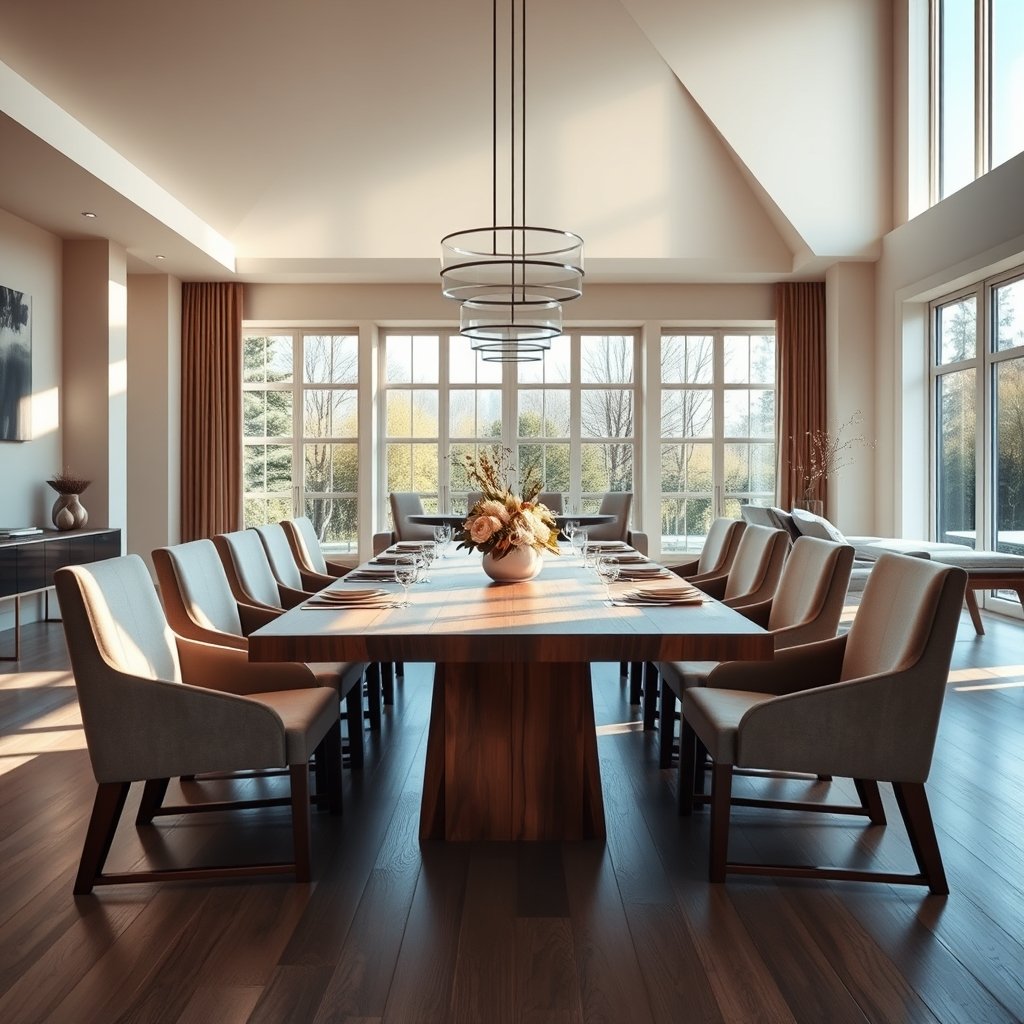
The best dining tables in 2026 are the intersection of durability, understated style, and honest material claims. This year’s most-desired dining room furniture skips the “fast-fashion” approach. Solid hardwoods like oak, maple, and walnut still command roughly 55% of the U.S. market, with engineered wood at 30% and metal tables now making up 15%—up from previous years. There’s clear movement toward transparency about material sourcing and finish performance.
Market watchers project the overall dining room furniture market will hit $283.5 billion by 2035, with a 4.0% CAGR. Unlike recent decades, this growth is tied not just to style cycles but to a hungrier demand for furniture that lasts, is easier to maintain, and offers an adaptable footprint for evolving households.
Soft, matte finishes, modularity, and curved edges are on-trend, as are dining tables paired with contrasting performance-fabric chairs. Sustainability credentials—think FSC-certified wood and low-VOC lacquers—are moving from “nice to have” to “must have” for many style-conscious homeowners.
Material Matters—Choosing Between Solid Wood, Engineered Wood, and Metal
Deciding on dining room furniture material isn’t simply about appearance. It directly affects durability, maintenance costs, and even environmental impact. Here’s how leading options stack up according to recent market and consumer data:
| Material | Look & Feel | Longevity | Common Issues | 2026 Price Range |
|---|---|---|---|---|
| Solid Hardwood (Oak, Maple, Walnut) | Natural grain, warm hues, customizable | 15+ years with care | Requires periodic waxing; surface can scratch | $1,500–$4,000+ |
| Engineered Wood | Can mimic real wood, lighter weight | 2-5 years before visible wear | Susceptible to water damage, warping, chipping | $200–$1,000 |
| Metal Frames with Composite Tops |
Industrial/minimalist or eclectic-chic | 5-10+ years (with powder coating) | Frame corrosion, joint looseness, laminate chips | Up to $2,500 |
Source: Sierra Living Concepts
If you prefer minimalist homes or want easier appliance storage, see our invisible kitchen guide for furniture and storage that blend seamlessly with other dining room elements.
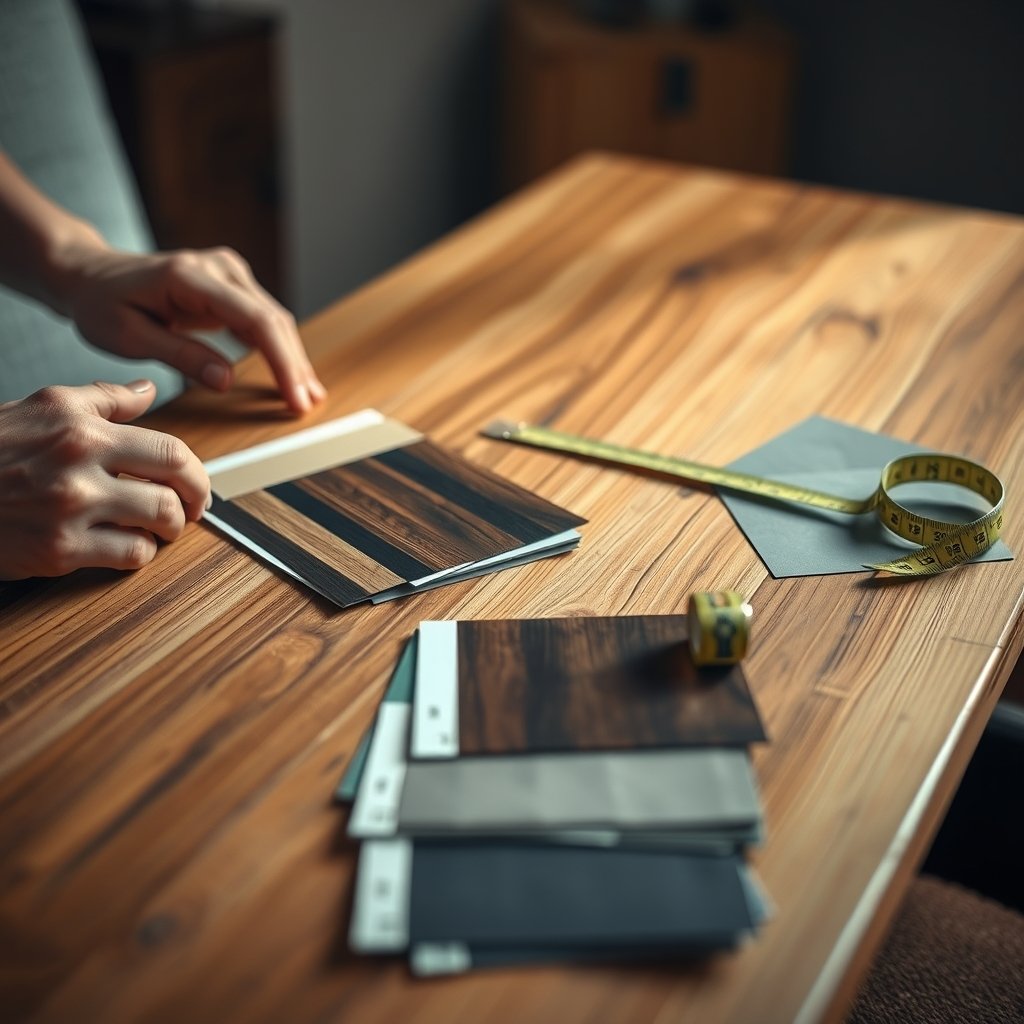
It’s worth noting that composite tops (stone, ceramic, quartz) are still a luxury niche, but rising in popularity for high-traffic homes. Just be aware—laminate, faux-stone, and unbranded “wood-look” table tops consistently generate the highest negative feedback in owner reviews due to chips and staining.
Durability: The Number One Buyer Concern
Real-world buyer feedback shows a major divide between expectations and reality in dining sets. Solid wood tables dominate in longevity, but require ongoing care. In contrast, engineered wood and low-end metal tables are more budget-friendly—but quickly reveal design shortcuts after a few years of use. Here are the most common pitfalls:
| Buyer Complaint | Root Cause | Material Most Affected |
|---|---|---|
| Warping or splitting | Poor humidity resistance Lack of reinforced joints |
Engineered wood |
| Laminate chipping | Thin overlays Edge exposure |
Engineered and composite tops |
| Loose joints over time | Lightweight fastening No corner blocks |
Metal frames, engineered wood |
| Corrosion/rust | Inferior or absent powder coating | Metal frames |
| Surface stains, scratches | Inadequate lacquer Lack of heat resistance |
All materials, but mostly low-end |
According to reviews and market data, manufacturer corners most often cut involve cheap finish application, minimal hardware, and unclear assembly instructions. Many buyers are surprised to learn, post-purchase, that their table veneer is paper-thin or that self-assembly leaves hidden, crucial fasteners out of sight—or loose. That’s why, when shopping for dining room furniture for tight layouts, always check hardware specs and weight listings.
Is It Worth It? Pricing, Online Shopping, and What To Watch For
The bottom line for kitchen tables and full dining sets: you get what you pay for, but details matter just as much as price band. The market average in 2026 stands at:
- Solid wood tables: $1,500–$4,000+ for reputable brands
- Engineered wood models: $200–$1,000 (expect 2-5 years’ use before obvious wear)
- Metal or hybrid designs: $800–$2,500, often with composite or glass tops
Online furniture buying now represents 25–30% of global revenue, with the category on track to expand another $282.1 billion by 2029 (source). This makes savvy research more important than ever—and increases the chance you’ll face unclear product descriptions, generic images, and reviews filled with marketing copy.
If you shop online:
- Always cross-check item weight and material list (heaviness signals solid construction).
- Request close-up photos of grain, edges, tabletop, and legs—these reveal real build quality and finish depth.
- Search or filter for “assembly required”—fully assembled tables tend to have superior joinery, but check shipping costs.
- Consider the warranty: top home improvement products brands offer at least a 2–5 year warranty on joinery and surface finish.
Don’t fall for low prices without a close read. Lightweight, knockdown tables are likely to wobble and show wear within a year, often with minimal support if anything goes wrong.
The Real Gaps—Essential Buyer Questions No One Is Answering
Most best dining tables roundups ignore three huge factors that quickly separate buyer satisfaction from buyer’s remorse:
- Long-term maintenance costs: Solid-wood tables demand scheduled cleaning and waxing (2–4 times a year). Neglect leads to fading and water marks—but regular care keeps them beautiful for decades. Engineered options may be maintenance-free but can’t be restored if damaged.
- Environmental impact and material sourcing: Is your table FSC, PEFC, or otherwise certified? How much is reclaimed or sustainably harvested? Transparent brands now feature third-party certifications and carbon statements.
- Adaptability of design: modular, extendable, or drop-leaf features are increasingly important for changing household sizes. Yet only a minority of 2026 product lines maximize storage or flexibility. If you want a table that grows with you, be very selective at the research stage.
Buyer surveys confirm these gaps—long-term cost, sustainability, and functional versatility—are under-addressed even in highly ranked “best of” lists and product roundups.
Expert Tips—How to Pick a Dining Table That Lasts
Ready to buy? Focus less on “style of the year” and more on what works for your actual life. Here’s what seasoned renovators and product testers recommend for dining room furniture built for years of meals, gatherings, and shifting design trends:
- Check the finish: Prefer premium lacquers and heat-resistant coatings. They guard against red wine stains, hot bowls, and scratches.
- Inspect edge banding: Visible, reinforced edge bands signal a table built to survive daily use. Tables without them are more prone to chips—especially on engineered wood.
- Assembly and hardware: Look for metal corner blocks, cam locks, and heavy-duty bolts. If assembly seems too simple, expect wobbliness.
- Maintenance routine: For solid wood, apply furniture wax a few times per year to deter water marks and lend a rich sheen (see trends here). For metal, insure powder coating is thick and continuous, not spotty.
- Adapt for your space: Small apartment? Consider a round or oval table. For larger or multi-use spaces, modular extendable designs give the best ROI long term. Browse our take on best furniture for small spaces for more options.
For a kitchen that stays clutter-free, see our pocket door cabinets trends for pairing hidden storage with striking dining tables.

FAQ
How do I know if a dining table is truly solid wood?
Check the product details and ask for end-grain photos. True solid wood will show continuous grain across the edge and top, while veneers or engineered tops have repeating patterns and may expose particle board underneath. Heavier weight is another clue.
Are extendable dining tables durable?
Modern extendable mechanisms are much improved—look for metal tracks and reinforced sliders. Entry-level versions may loosen with time, but quality brands rigorously test for long-term stability. Always check the warranty for moving parts.
Which finish is easiest to clean and maintain?
Tables finished with premium lacquers and heat-resistant coatings are easiest for busy households. They resist stains and scratches better than wax-only finishes. Just avoid abrasive cleaners—use a soft, damp cloth for most spills.
What’s better for resale value: solid wood or engineered wood?
Solid wood retains resale value best, especially if maintained. Engineered wood rarely holds more than half its retail price after the first few years, especially if edges and veneer show visible wear.
Can I pair different table and chair materials?
Absolutely. In fact, mixing materials—such as a solid wood table with upholstered or metal chairs—is one of 2026’s top design trends. Just match undertones and check that chair seat height complements your table’s clearance.