
### Blog Post:
Best Office Chair research in YYYY reveals that most buying guides miss crucial ergonomic standards and ignore issues faced by real users who spend long hours working. This guide strips away the hype, focusing on technical certifications, genuine complaints, and actionable tips for finding an ergonomic office chair that is safe, sustainable, and built to last.
Key Takeaways
- Most “best office chair” lists overlook safety, durability, and environmental certifications—learn how to spot chairs meeting ANSI/BIFMA, EN 1335, and GREENGUARD standards.
- Frequent user complaints include poor lumbar support, limited adjustability, bulk, noise, and questionable upholstery or frame durability.
- Match your needs (back pain, tall/big build, eco-conscious, warranty) to specialized chair features—not marketing buzzwords.
- Why Ergonomic Office Chair Standards Matter
- Most-Common User Complaints About Popular Desk Chairs
- Features That Actually Make a Difference (Not Just Marketing)
- Missing Buyer Concerns: The Overlooked Essentials in “Best Office Chair” Guides
- Best Office Chair Recommendations for Every Type of Buyer
- FAQ
Why Ergonomic Office Chair Standards Matter
Choosing an ergonomic office chair isn’t just about comfort. Safety, adjustability, durability, and indoor air quality all depend on technical standards that most guides and retailers rarely mention. In YYYY, the main certifications to look for are:
- EN 1335 (Europe): Ensures proper seat size, backrest angle, and user safety.
- ANSI/BIFMA X5.1–X5.4 (USA): Verifies office-task and high-back chair performance, load capacity, stability, and mechanisms.
- AFRDI 142 (Australia/NZ): Confirms swivel and load strength up to 185 kg for big-and-tall users.
- GREENGUARD Gold: Limits chemical emissions for healthier home office air.
- BIFMA LEVEL, Cradle-to-Cradle: Indicates environmental and sustainability factors.
Why care? These standards protect you from chairs that break down early, off-gas chemicals, or simply don’t fit the human body for extended sitting. Chairs that meet these marks almost always last longer and are safer, but major retailers often bury standard info in technical sheets.
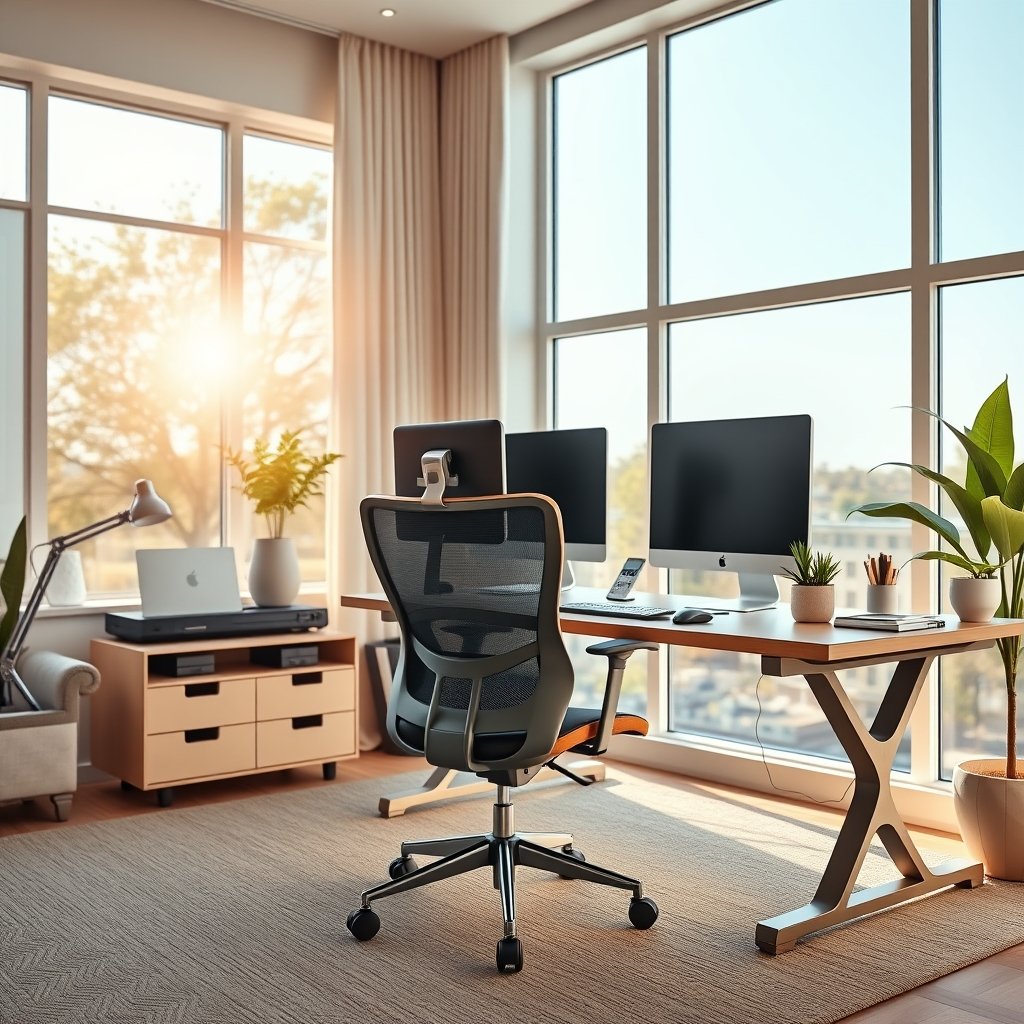
See more about the certifications in this in-depth standards guide and breakdown from Paradox24.
Most-Common User Complaints About Popular Desk Chairs
What shows up in glossy product images often fails to deliver after months of use. Common complaints reported in thousands of desk chair and home office chair reviews include:
- Poor lumbar support: Sagging mesh or fixed lumbar pads that don’t fit lower back curves, leading to discomfort after extended use.
- Limited adjustability: Arms or seats that don’t move enough to support different sitting styles, leaving tall or petite users struggling.
- Excessive weight or bulk: Chairs weighing 40+ pounds are hard to move, especially in home offices or when cleaning floors.
- Noisy mechanics: Squeaks, clicks, or wobbly arms emerge quickly in mass-market mesh models.
- Poor upholstery and mesh durability: Threads fray or foam compresses in months.
- Insufficient weight capacity: Many “standard” chairs max out around 250 lbs—an issue rarely mentioned in “top 3” lists.
Lab tests, like those in TechGearLab’s rankings, repeatedly reveal how “best office chair” contenders underperform on long-term back support, adjustment range, and longevity—issues real users discover after several weeks or months.
Features That Actually Make a Difference (Not Just Marketing)
Many ergonomic office chair features sound fancy but don’t translate to everyday comfort or safety. Here’s how to cut through the hype:
- Evidence-backed Adjustability: Look for chairs with adjustable seat depth, height, arm width, and tilt tension. If you’re big-and-tall, confirm specs for seat width and height—not just the stated “weight capacity.”
- Weight Rating Reality: BIFMA X5.1 certified chairs are stress-tested for at least 275 lbs, while AFRDI 142 covers even heavier users. Weight ratings in marketing copy are often aspirational unless tied to a reputable standard.
- Breathable Yet Durable Mesh: Thin, unreinforced mesh tends to tear or sag fast. Higher-end brands with ISO 7175 or EN 1728 specs generally use longer-wearing textiles and foams.
- Certifications—What They Prove: BIFMA and EN 1335 mean the chair passed actual lab tests for adjustability, stability, and component strength—not just a claim. GREENGUARD Gold signals lower VOCs, crucial for small home offices.
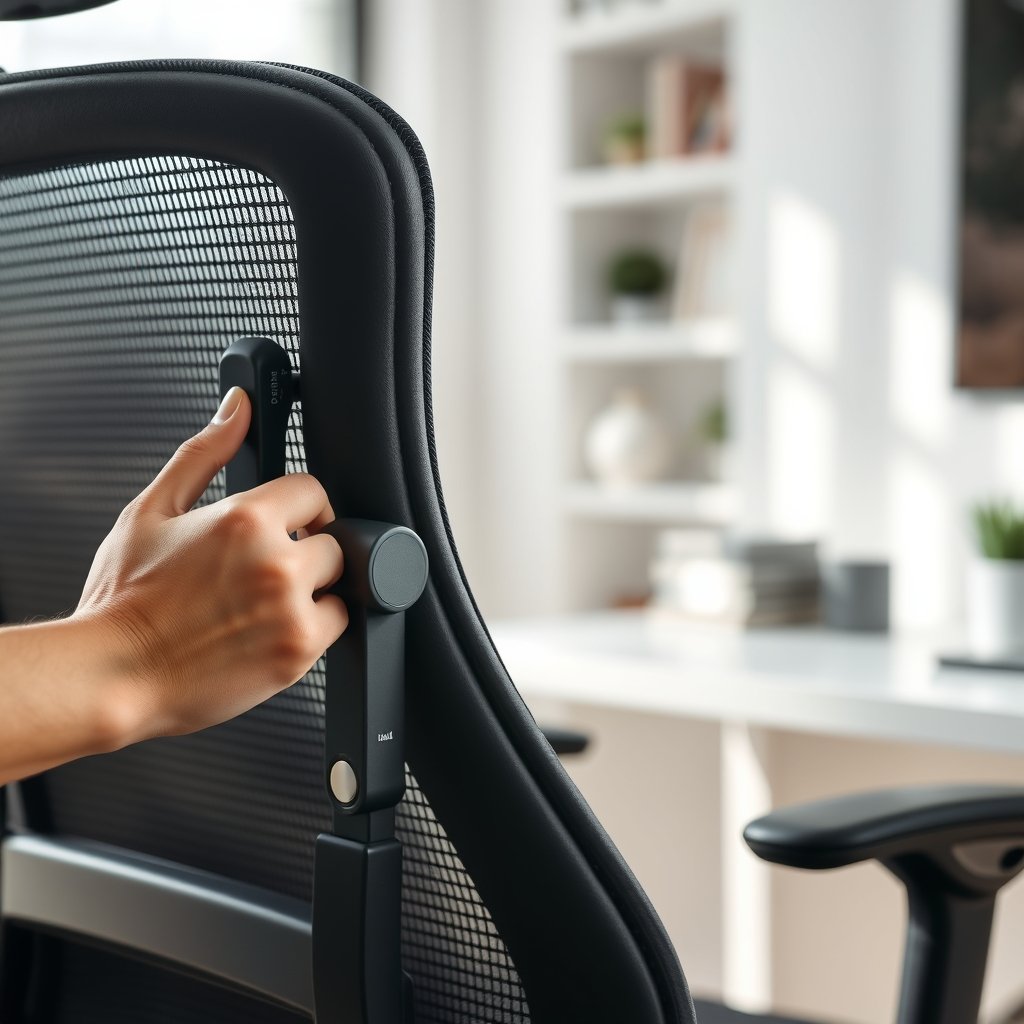
Most buying guides—including those from major outlets—fail to score or even explain these standards. That’s why the best ergonomic office chair for you may not be the “top pick” in big online rankings.
If you’re overhauling your entire office, also see our best standing desks guide to complement your home office setup.
Missing Buyer Concerns: The Overlooked Essentials in “Best Office Chair” Guides
After analyzing dozens of best office chair reviews, several buyer-critical topics are almost always missing:
- Real Safety & Weight Data: Many guides skip maximum-tested capacity, so heavier users risk instability or breakage.
- Durability & Warranty: Only a few brands share tested cycles for moving parts, and most non-premium chairs come with one- or two-year warranties—predictive of shorter lifespan.
- Sustainability & Fair Labor: Eco-friendliness is more than recycled mesh. Certifications like BIFMA LEVEL and Cradle-to-Cradle address materials, emissions, and labor practices. Chairs without these are less likely to use responsibly sourced materials.
- Big-and-Tall Options: Some brands offer “XL” chairs, but quality varies; AFRDI-certification is a must-check here.
- Ethical Materials: Vegan leathers, low-VOC foams, and recycled frames are all relevant for health- and eco-conscious buyers.
According to sources like Buro Seating, most competitor roundups don’t mention these essentials, increasing the risk of dissatisfaction or replacement.
If home sustainability is a priority, explore clover lawn alternatives and energy-efficient upgrades to green your entire workspace.
Best Office Chair Recommendations for Every Type of Buyer
There is no universal “best office chair,” but the following lab-tested and standards-verified models are consistently recommended for different needs in YYYY:
| Buyer Need | Top Pick | Key Certification(s) | Special Note |
|---|---|---|---|
| Best for All-Day Lumbar Support | Steelcase Leap | ANSI/BIFMA X5.1, GREENGUARD Gold | Excellent adjustability; robust back support [source] |
| Best Big-and-Tall | SIHOO M18 Ergonomic Big and Tall | AFRDI 142 (regional), EN 1335 | Wide, high load rating but with less adjustability |
| Best Eco-Friendly Option | Herman Miller Aeron | Cradle-to-Cradle, BIFMA LEVEL, GREENGUARD Gold | Very durable, high recycled content, but fixed-depth seat |
| Best Value for Home Offices | Branch Ergonomic Chair | BIFMA X5.1 | Affordable, solid adjustability, but less premium foam |
| Most Adjustable for Petite Users | Steelcase Series 2 | BIFMA X5.1, EN 1335 | Good for smaller frames (seat height 16″–21″), mesh back |
- For those seeking total adjustability and precisely-targeted support, Steelcase Leap and Gesture (when properly configured) perform well in independent tests but are heavy and expensive. See NYTimes Wirecutter’s in-depth analysis for details.
- If breathability and eco-friendliness matter, the Herman Miller Aeron’s mesh offers durability and top sustainability marks—but the fixed seat depth may not suit short legs.
- Budget chairs like HON Ignition 2.0 or Modway Articulate can meet minimum BIFMA standards but exhibit more rapid mesh stretch and loss of comfort, as shown in recent lab comparisons.
Need advice for optimizing your total workspace? Explore furniture for small spaces and top home improvement products to create a healthier, tailored environment.
FAQ
What certifications should I look for in a best office chair?
For safety and durability, seek chairs certified to ANSI/BIFMA X5.1 (or X5.4 for lounge/high-back models), EN 1335 (Europe), and AFRDI 142 (for big-and-tall). For healthy indoor air, look for GREENGUARD Gold; for sustainability, check BIFMA LEVEL or Cradle-to-Cradle labels. Ask sellers for actual test documentation.
How do weight ratings actually work?
Real weight capacity is what the chair can safely support, confirmed through lab testing. Claims under 250 lbs are often marketing minimums, not real stress-test data. ANSI/BIFMA and AFRDI certifications verify the chair holds safely under dynamic and static load.
Are mesh office chairs more durable than padded ones?
Not always. Premium mesh (seen in Herman Miller, Steelcase) lasts longer and is easier to clean, but cheap mesh may sag or tear quickly. Foam-padded seats can flatten with heavy use unless made with CertiPUR-US or similar quality foams.
What’s the best office chair for eco-conscious buyers?
Look for chairs with certifications such as GREENGUARD Gold, BIFMA LEVEL, and Cradle-to-Cradle. Herman Miller Aeron consistently tops eco-rankings, but Steelcase and a few boutique European brands (with verified recycled content and fair-labor documentation) are strong as well.
Are expensive ergonomic office chairs worth the investment?
If you spend over six hours a day at your desk, investing in an ergonomic office chair that meets recognized standards usually lowers the risk of pain and replacement costs. However, mid-range models with BIFMA or EN certification can deliver solid performance if money is tight.
Conclusion
The best office chair is not just about initial comfort—it’s about proven support, safety, and long-term durability. Never skip on certifications or buyer-tested features. Whether back pain, extra sturdiness, or eco-friendliness drives your search, always demand clear certification proof and prioritize adjustability. Ready to transform your workspace? Start by comparing certified options—your body (and future budget) will thank you.
—