

Lawn Care Tips are your shortcut to a healthier, better-looking yard—if you follow the right science-backed steps and avoid classic pitfalls that frustrate most homeowners. In 2026, surveys show there is no need to reinvent the wheel or waste money on gimmicks. The real answers come down to smart timing, soil science, and a few modern tools that take the guesswork out of grass care. Let’s cut through the noise and share what genuinely works.
Key Takeaways
- Focus on watering deeply and infrequently, mowing high, and applying lawn fertilizer at the right time for resilient grass and fewer weeds.
- Avoid the most common mistakes—over-watering, mowing too short, and mis-timed weed control—since these sabotage most lawns.
- For best results in 2026, use a soil test, a calibrated spreader or smart-app for fertilizer, and weather-based irrigation adjustments.
- Essential Lawn Care Tips Backed by 2026 Success Data
- The Top Mistakes Sabotaging Your Lawn (and How to Fix Them)
- Master Weed Control and Lawn Fertilizer (Beyond Basic Advice)
- Practical Lawn Maintenance Strategies You Haven’t Tried (But Should)
- Quick Reference: Your Lawn Care Year at a Glance
- FAQ
Essential Lawn Care Tips Backed by 2026 Success Data
What does real homeowner success look like today? In 2026, science and survey data point to a clear trend: most suburban lawns thrive more from following simple, best-practice Lawn Care Tips than from expensive products or fancy routines. Research shows that only about 32% of homeowners apply lawn fertilizer as often as experts recommend—yet about 68% see healthy, green grass by consistently sticking to the basics: watering deep (1–1.5 inches per week), mowing no more than one-third of the blade height, and using a calibrated spreader to hit the target nitrogen rate of 1 pound per 1,000 square feet annually (source).

What sets successful lawns apart is not luck—it’s minimal but effective lawn maintenance rooted in data. If you want to avoid endless trial and error, stick to the proven fundamentals. These steps are practical and won’t overwhelm even the busiest DIYer.
It all comes down to being strategic with your watering, mowing, and feeding, using technology where it makes sense, and working with—not against—your local climate and soil conditions. Want to go a step further? Embrace a maintenance plan that includes test your soil using a simple kit and tuning your equipment. Most guides miss those actionable details, but they matter in the real world.
The Top Mistakes Sabotaging Your Lawn (and How to Fix Them)
Most lawns suffer not from lack of effort, but because of classic, avoidable mistakes. In up-to-date 2024 homeowner surveys, the same issues keep coming up: over-watering or under-watering, cutting the grass too short, and applying weed control or fertilizer at the wrong time or temperature. These missteps can undo months of progress in a single weekend. Here’s how to sidestep the most common errors in grass care and weed control:
Survey Data Spotlight: Over-watering and under-watering are the two most common mistakes, causing weak grass, weed invasion, and wasted water. Mowing too short (“scalping”) exposes roots and lets weeds thrive. And applying pre-emergent weed control or fertilizer outside the recommended temperature window can create weed spikes and cause nutrients to leach away (source).
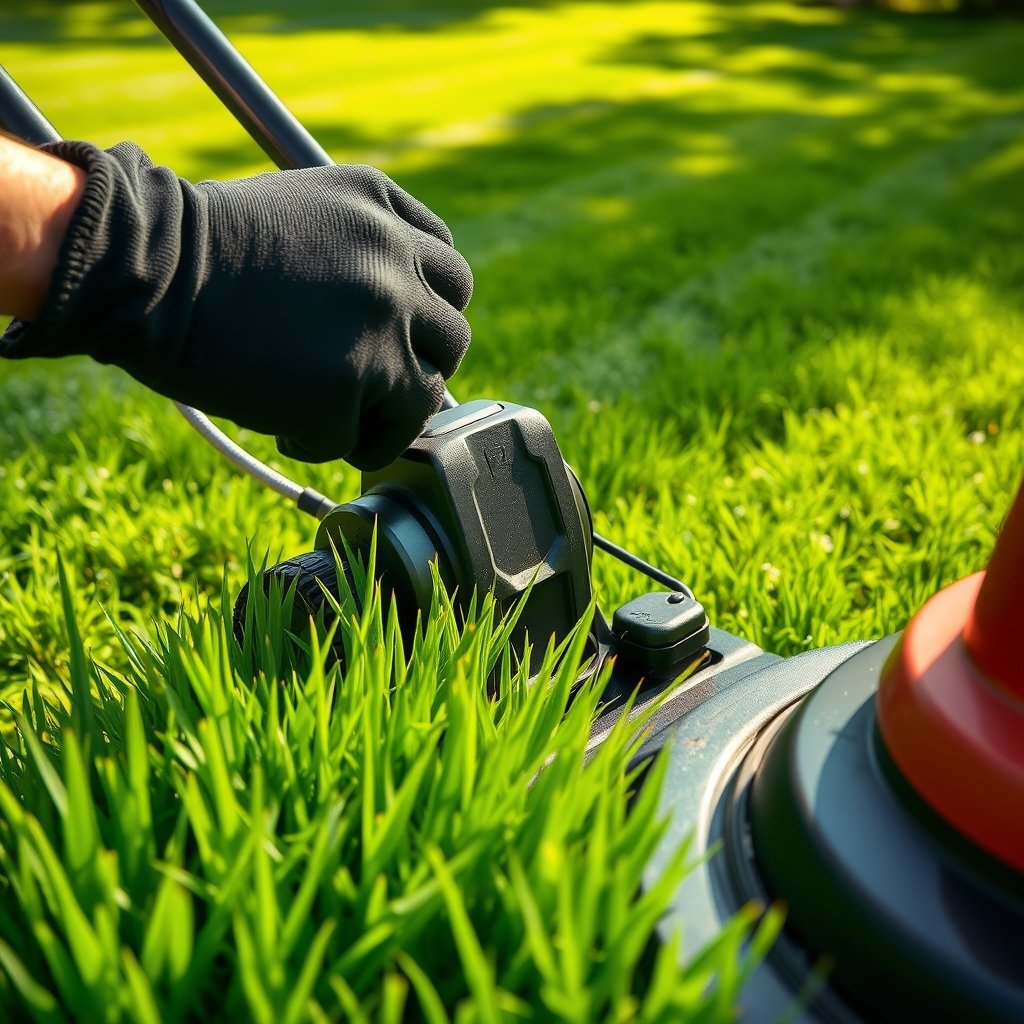
- Fix for over/under-watering: Stick to a deep, infrequent schedule. Set a reminder to check rainfall. Adjust for heatwaves or drought.
- Correct mowing height: Never remove more than one-third of the grass blade. Adjust blades higher just before summer.
- Timing for fertilizer/pre-emergent: Apply fertilizer when the ground is at least 55°F and the grass is actively growing. Put down pre-emergent just before soil consistently hits 50–55°F to block weed seeds before they sprout.
- Don’t skip mower maintenance: Dull blades rip, rather than cut, which stresses the lawn and encourages disease.
Simple adjustments—combined with smart lawn equipment—will get you most of the way there. Focusing on consistency over perfection protects your lawn from the most avoidable hazards.
Master Weed Control and Lawn Fertilizer (Beyond Basic Advice)
Most homeowners complain about two unrelenting problems: weeds popping up no matter what, and lawn fertilizer causing unsightly yellow or burnt patches. In 2024, the real solution comes down to getting two things right—timing, and application method, not just spreading more product.
Data-backed insight: Homeowners most frequently cite weed-control timing errors and fertilizer burn from rain-on-application as their biggest challenges. If you get these correct, half the battle is won (source).
| Problem | What Usually Happens | Science-Backed Solution | Tools/Apps That Help |
|---|---|---|---|
| Weed Control Timing | Pre-emergent applied too late, missing peak germination | Apply pre-emergent when soil temp is 50–55°F (use a soil thermometer or local soil-temp site) | Yard Mastery, GDDtracker.net |
| Fertilizer Burn | Rain falls right after granular fertilizer, causing runoff or burning roots | Check weather—apply only when at least 24 hours of dry forecast follow application | Weather apps, smart sprinklers with rain-delay |
| Uneven Fertilizer Application | Hand-broadcasting misses spots or overlaps, causing streaks or patchiness | Use a calibrated spreader or dosage calculator app for exact, even coverage | Yard Mastery app, Scott’s My Lawn |
If you want to take control of your weed control and lawn fertilizer results, focus on timing and coverage:
- Pre-emergent weed control: Monitor soil temperature and apply before weed seeds sprout. One missed week can allow an entire weed season.
- Fertilizer: Don’t fertilize if heavy rain is coming. Always use a spreader and double-check your math—1 lb of nitrogen per 1,000 sq ft per year is the rule of thumb.
- Upgrade your routine: Even one use of a smart phone app or weather-based irrigation tool can save your season and your lawn budget.
Don’t overlook alternatives: clover lawns are gaining ground as a low-maintenance, eco-friendly option if you struggle with weeds or persistent drought—something worth considering if you want a lush look with less effort.
Practical Lawn Maintenance Strategies You Haven’t Tried (But Should)
Most top-ranking articles skip the real difference-makers that impact everyday lawn results. Here are the three game-changing, practical lawn maintenance actions missing from most guides—but used by the most successful homeowners:
- Soil test-driven nutrient plan: Before buying fertilizer, test your soil using a simple kit. Only add what’s missing, not what you assume you need. This avoids waste, cuts costs, and prevents lawn damage. Your county extension office or most garden centers offer fast, affordable tests (see more).
- Precision with a calibrated spreader or smart-app calculator: Even garden pros use dosage calculators to get fertilizer rates right. A spreader set correctly ensures every square foot gets just what it needs—no more, no less.
- Weather-based irrigation scheduling: Weather-based irrigation scheduling: Smart controllers or free weather-tracking apps let you skip watering when it rains and adjust for drought. Soil moisture sensors are even better—they only activate sprinklers when needed.

Integrating these steps can be as simple or as advanced as you like. For example, using a pocket notebook or an app to track when you last fertilized or watered can help you avoid overlapping or skipping care altogether. Combine these strategies with high-quality lawn equipment and you get maximum payoff for minimum time spent.
Many homeowners already use smart tech and calibrated systems for kitchens and garages (learn more about appliance garages). It’s time to apply the same logic outside for your best lawn yet.
Quick Reference: Your Lawn Care Year at a Glance
Maintaining a healthy lawn shouldn’t be overwhelming. Here’s a streamlined, month-by-month grass care and Lawn Care Tips checklist. Follow these steps, and you’ll hit every major milestone without stress or uncertainty.
- Early Spring: Sharpen mower blades. Test your soil—adjust fertilizer plan. Apply pre-emergent as soil warms (50–55°F).
- Late Spring: Begin regular mowing—never cut more than one-third the blade. Apply slow-release fertilizer if needed by your soil results.
- Summer: Switch to deep, infrequent watering (1–1.5 inches/week). Raise mower setting. Monitor for pests. Only fertilize if lawn is irrigated and test calls for it.
- Early Fall: Overseed bare spots. Aerate compacted soil. Apply fall fertilizer and weed control if needed.
- Late Fall: Final mow slightly lower. Remove leaves and debris. Winterize sprinklers if needed.
Quick Reference Best Practices: Always water deeply but infrequently, mow high, and match fertilization to soil needs using a calibrated spreader at the rate of 1 lb nitrogen per 1,000 sq ft per year (source).
If you want more home project streamlining, check out our Home Maintenance Checklist Guide or get ideas for outdoor living spaces that make the most of your yard all year long.
FAQ
How often should I fertilize my lawn?
Most experts recommend 2 to 4 times per year, but only if your soil test shows a need. For most lawns, aim for a total of 1 lb nitrogen per 1,000 sq ft annually, split across the growing season.
What is the best time of day to water my lawn?
Early morning (before 9 am) is ideal to minimize evaporation and fungal risks. Avoid watering in the evening or during peak afternoon heat.
Is it worth using a soil test before fertilizing?
Yes, a soil test is the fastest way to make sure you’re not wasting money or harming your lawn with unnecessary products. It tells you exactly what—if anything—your lawn needs.
How do I prevent weeds from coming back?
Use pre-emergent weed control at the correct soil temperature, keep grass thick through proper mowing and fertilization, and patch bare spots each fall to outcompete weeds.
Should I consider alternatives to traditional grass?
If you struggle with water restrictions or continual weeds, a clover lawn offers a low-maintenance, eco-friendly alternative growing in popularity.
Conclusion
The most effective Lawn Care Tips in 2026 are realistic, actionable, and supported by current homeowner results. Stick to proven watering, mowing, and fertilizer timing strategies while dodging the most common mistakes, and supplement your efforts with a soil test and modern tools. Take these steps, and you’ll transform your lawn with less stress and more confidence. Ready for a better yard? Start with one tip from this guide today—and for more upgrades, explore our home improvement ideas.