

How to Increase Home Value is a complex question for today’s homeowners, especially if you want true return on investment—not just popular advice or flashy upgrades. In this guide, we cut through the noise using current market data, uncovering which home improvements actually pay off in 2026, the hidden expenses many overlook, and proven tactics tailored to your region and plans.
Key Takeaways
- Only a select few home improvements reliably increase home value, with exterior upgrades and minor remodels vastly outperforming major renovations in return on investment.
- Your local climate, buyer demand, and energy costs all impact which upgrades make sense—regional research beats national averages.
- Hidden costs—from permits and insurance to contractor delays—can erode ROI, so detailed planning is essential.
- How to Increase Home Value: Where Should You Start in 2026?
- Top Home Improvements That Add Value—and Their Actual ROI This Year
- Regional ROI: Why Location Changes Everything
- The Hidden Costs Nobody Talks About
- Under-the-Radar Ways to Boost Value (and What the Top Articles Miss)
- Choosing the Best Upgrades for Your Home (A Step-by-Step Approach)
- Conclusion: Maximize Value, Minimize Regret
- FAQ
How to Increase Home Value: Where Should You Start in 2026?
Not all home improvements increase your property’s value equally—or at all. Relying on trends or opinions can cost you time and money. In fact, research confirms only a handful of renovations pay for themselves, with popular upgrades sometimes returning as little as thirty cents on the dollar at sale. Strategic planning, grounded in the latest data not just local buzz, is how you actually increase home value and protect your budget.
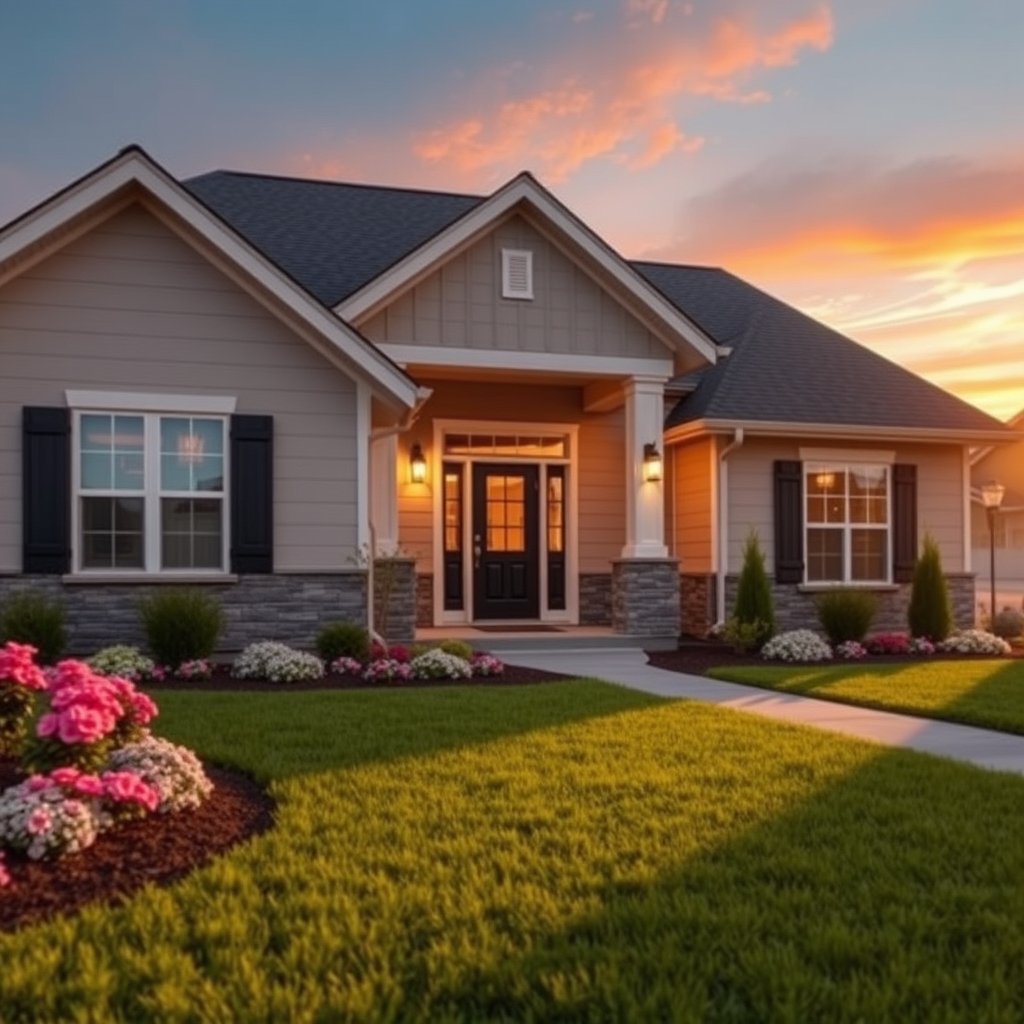
Top Home Improvements That Add Value—and Their Actual ROI This Year
National statistics remain clear: most homeowners overspend on projects that don’t deliver. In 2026, upgrades fueling curb appeal and minor interiors led the way. For example, replacing a Garage Door Replacement averages up to 194% ROI, a Steel Entry Door Replacement up to 188%, and manufactured stone veneer around 153%. Modest kitchen remodels were close behind at about 96%, but extensive kitchen or primary-suite overhauls often fell below 50% ROI.[source]
Here’s how the most lucrative upgrades stack up:
| Project | Avg. Cost | Avg. ROI (%) | Notes |
|---|---|---|---|
| Garage Door Replacement | $4,500 | 194 | Highest ROI nationwide |
| Steel Entry Door Replacement | $2,300 | 188 | Boosts security & curb appeal |
| Manufactured Stone Veneer | $11,200 | 153 | Strong regional differences |
| Minor Kitchen Remodel | $27,500 | 96 | Focus on cabinet fronts & fixtures |
| Fiber-Cement Siding | $20,600 | 88 | Stable in all climates |
| Wood Deck Addition | $17,600 | 83 | Depends on local demand |
| Vinyl Window Replacement | $22,000 | 67–80 | Climate & region matter |
| Upscale Kitchen Remodel | $80,000+ | <50 | Often poor ROI |
Remember: curb appeal projects—like updated landscaping, painting, or other affordable home upgrades—consistently deliver the best property value improvements for typical sellers.

Regional ROI: Why Location Changes Everything
What increases home value in Phoenix may flop in Pittsburgh. Upgrade ROI varies wildly depending on where you live, your weather, energy rates, and what buyers expect. For instance, heat-pump HVAC conversions show around 103% ROI nationally, but go negative in areas where fossil fuels are cheap. Fiber-cement siding tends to provide steady ROI everywhere, while vinyl siding or even roof replacements can actually lose money in some markets.[NAR research]
To avoid overimproving or underimproving, use a regional calculator and scan real active listings. If you’re on the West Coast, energy efficiency and smart home devices will add more value, while in the South, covered outdoor living or impact-resistant windows have a premium. Curious about eco-friendly lawns or drought-proof yards? Check the guide on clover lawns as a grass alternative for changing climates.
Tip: Talk to a hyper-local Realtor or appraiser before committing to any big-ticket improvement. They know which property value improvements buyers actually care about in your ZIP code.
The Hidden Costs Nobody Talks About
Budget overruns and project delays are the rule, not the exception in home upgrades. Over three-quarters of homeowners now exceed their initial budget on renovations, and more than forty percent face major delays.[Opendoor]
Commonly overlooked expenses include:
- Permit fees and sudden code changes that require extra work
- Insurance premium hikes after upgrades or additions
- Long-term maintenance—think wood decks, stone veneer cleaning, or premium fixtures
- Hidden structural fixes (rot, wiring, plumbing) that balloon costs
- Contractor issues: errors, incomplete work, or reliability problems
- Complications from leased solar panels, which can scare away buyers
If you’re planning a kitchen revamp, avoid major mistakes by reading these kitchen remodeling tips before starting. For those eyeing DIY, weigh the data from the most common home improvement mistakes—sometimes “sweat equity” isn’t worth the risk.
It’s easy to underestimate the time and money required when upgrades cascade: a new window means new trim, flashing, sometimes even siding patching, all driving up home improvement costs mid-project. Surprised? So are thousands of sellers.
Under-the-Radar Ways to Boost Value (and What the Top Articles Miss)
Beyond big-ticket upgrades, small improvements can shift appraisals and buyer perceptions. Here’s what top-ranked lists often skip:
- Color psychology matters: Painting rooms in buyer-preferred colors can add value far beyond the can’s price tag. Explore color drenching trends to stand out.
- Owned vs. leased solar: Owned systems often add value (especially in high-cost-electricity states), but leased units may complicate sales. Double check your contract’s transfer rules.
- Smart-home upgrades: Security systems, smart thermostats, and automated lighting raise buyer appeal and cut energy bills—even if they’re seldom included in standard ROI reports. See which smart devices pay off fastest.
- Materials choice: Some finishes—like mineral-based paints or stone—are desirable but increase annual upkeep. Read up on limewash and mineral paints before making the switch.
- Maintenance visibility: Upgrades with obvious, easy-to-clean details (like composite decking or LED lighting) reassure buyers on future costs.
Don’t assume all “value-adding” improvements last—track long-term cost, not just the first-year appeal.
Choosing the Best Upgrades for Your Home (A Step-by-Step Approach)
Ready to act? Use this research-driven process to make confident decisions about home improvements that add value—for your house, in your region.
- Assess Your Home’s Condition: Consider age, system health, exterior state, and any deferred maintenance.
- Review Comparable Local Sales: What improvements did recently sold homes feature? Are buyers in your price range paying more for certain upgrades?
- Use a Regional ROI Calculator: Enter your data at tools like Westshore Home’s ROI tool. Adjust for climate, energy costs, and local demand.
- Request Multiple Quotes: For any contractor project over $3,000, get at least three bids in writing. Scrutinize the fine print—timelines, hidden fees, and who handles permits.
- Identify All Hidden Costs: Ask directly about possible permit charges, code upgrades, insurance impacts, and post-sale service contracts (especially for solar or smart tech).
- Prioritize Curb Appeal and Function: Start with visible fixes—the front door, landscaping, lighting, and needed repairs—before large interior remodels. See more home improvement ideas that deliver real value.
- Document Everything for Resale: Save receipts, warranties, and before-and-after photos. This protects your ROI and smooths buyer negotiations.
For kitchen and bath projects, read expert tips here: bathroom remodeling guide and kitchen remodeling tips.

Conclusion: Maximize Value, Minimize Regret
For U.S. homeowners planning to sell or remodel, the path to a higher sale price isn’t chasing trends—it’s knowing exactly which upgrades pay off in your market and planning realistically for both ROI and the inevitable “surprise” costs. In 2026, exterior curb appeal and minor kitchen upgrades consistently outperformed larger renovations across nearly all regions.[Clark Hall]
Treat every project as an investment: use regional ROI data, factor in hidden costs, and always keep detailed records. For tailored insight, consult local pros—don’t gamble on national averages. To get an even deeper dive on affordable, effective upgrades, check out our Affordable Home Upgrades Guide.
The smartest way to learn how to increase home value is to combine real data, honest cost accounting, and thoughtful project selection. Start now for results you’ll genuinely be proud of.
FAQ
What adds the most value to a home right before selling?
Projects that create curb appeal—like new garage doors, fresh exterior paint, or updated landscaping—deliver the highest ROI. Minor kitchen and bath updates are also strong choices. Large-scale remodels typically don’t recoup costs at resale.
How can I estimate ROI for home improvements in my area?
Use region-specific ROI calculators (like Westshore Home’s ROI tool) and talk to local agents. Compare recent local sales for evidence of value added by similar upgrades.
What hidden costs should I anticipate with home improvements?
Beyond basic materials and labor, plan for permit fees, potential insurance premium hikes, long-term upkeep, and possible delays. Factor in any required plumbing, electrical, or code compliance work discovered mid-project.
Are smart home features and solar panels worth it?
Owned smart home upgrades and solar panels can boost value and speed up sales in high-electricity-cost markets, but leased panels may complicate the transaction. Always clarify transfer policies and long-term maintenance before selling.
What’s a common mistake sellers make with upgrades?
The biggest mistake is over-improving for the area—or putting money into major renovations that won’t be recouped at sale. Always use local comps and data, not just online inspiration, before committing to a project.

[…] Post-project ROI calculator: The only way to know if your DIY upgrades paid off is to assess value after completion. Plug before/after photos and spend into a simple ROI calculator or get an online estimate. Consider referencing this value-improvement guide. […]