

### Blog Post:
Lawn Care Tips are frustrating when they don’t work, especially in 2026. If your lawn looks patchy, you’re not alone. Most homeowners follow standard advice but still struggle with weeds, bare spots, and wasted money on products that never seem to deliver. Here’s how to beat those problems and finally get the healthy, green lawn you want—backed by real research and actionable strategies.
Key Takeaways
- Most popular Lawn Care Tips miss three game-changing steps: soil testing, core aeration, and watering deeply but less often.
- Liquid weed treatments and professional-grade fertilizers offer better results than common granular options in 2026.
- Align your maintenance schedule to the weather and use the right equipment for your lawn size to save time and avoid waste.
- Why Most Lawn Care Advice Fails in 2026
- Science-Driven Fertilizer and Weed Control: What Really Works
- Fixing the Biggest Lawn Equipment Frustrations
- Three Lawn Care Practices You’re Probably Skipping (But Science Says They Matter Most)
- Building an Adaptive, Year-Round Lawn Care Schedule
- Quick Reference: 2024’s Most Effective (and Least Effective) Lawn Products
- FAQ
Why Most Lawn Care Advice Fails in 2026
Online guides and even big-brand programs promise an easy fix with basic Lawn Care Tips, but real-life results often disappoint. Why? They skip over crucial foundational steps. Many homeowners waste time and money on the wrong products, follow generic schedules, and wonder why their grass still looks tired.
Three major practices—regular soil testing, core aeration, and deep weekly watering—are rarely emphasized but make all the difference. According to recent research, these are the cornerstones of lawn maintenance that high-ranking guides often leave out.

Ignoring these steps, you’re likely to face ongoing weed problems, thin grass, and wasted product—no matter how many “one-size-fits-all” solutions you try.
Science-Driven Fertilizer and Weed Control: What Really Works
In 2024, the difference between a lush lawn and a weedy patch often comes down to product selection—and how you use those products. Forget the marketing hype and consider what actual research and pros are doing now:
Skip the cheap, store-bought granular weed-and-feed. According to 2026 research, these products offer only about 40% of the weed control efficacy compared to professional-grade liquid turf weed control. Even with good rainfall, granulars often need perfect timing to activate—otherwise, your investment just washes away (source).
Apply fertilizer when your grass is vigorously growing—not just by the calendar—and always match your product (liquid or granular) to expected weather so you don’t waste it. For those considering organic approaches, University studies show grass cycling alone can cut fertilizer needs by 25-30%.
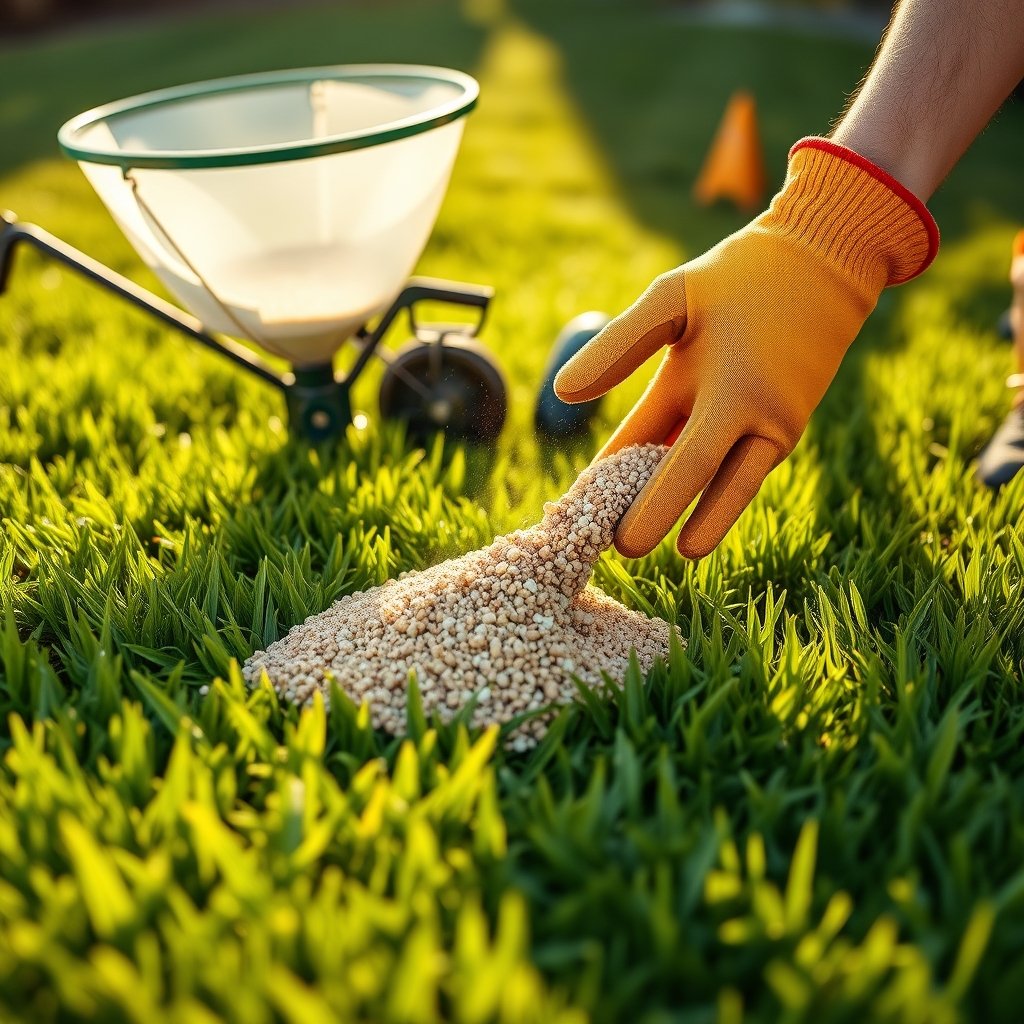
Trying to save money? Look for sales on professional-grade liquid turf weed treatments at your local garden center or regional supplier, and avoid the temptation of “all-in-one” bags at national chains. They rarely deliver on their promise.
For tough weeds, iron-based selective sprays, like those used by professionals, are emerging as fast, safe solutions to broadleaf problems—just be aware that long-term results are still under study.
Want a more sustainable approach? Choose clover as a natural lawn partner. It builds soil nitrogen, needs less mowing, and is becoming a mainstream trend in lawn care (see our full clover lawn comparison).
Fixing the Biggest Lawn Equipment Frustrations
Lawn equipment choices cause major DIY headaches. Homeowners often end up with the wrong spreader or a mower that just isn’t suited to their lawn, adding hours of frustration. Worse, the wrong settings—like mowing too short—undercut all your fertilizer and weed control work.
Match your spreader to your lawn size. For small or odd-shaped yards, a hand-powered model is often easiest. For typical suburban lawns, use a broadcast spreader with side-shield control so you don’t dump product where you don’t want it. For premium lawns, invest in a quality drop spreader for razor-sharp delivery (see advice here).
Calibrate your equipment every spring. Most spreaders and mowers are “off” by default, and incorrect settings result in uneven growth, burned spots, or missed patches. Mark one section of the lawn and measure your product spread or mow height to verify settings actually match the dial.
Don’t fall for “universal” schedules or product rates. Your lawn’s needs change year to year and even across sunny versus shady spots. Pay close attention to weather forecasts before applying granular fertilizer—it needs rain to work, and missed activation wastes money (source: granular frustrations).
While you’re upgrading, consider adding a quality power tool or two for yard jobs—faster edging and leaf clean-up saves you time for critical grass care.
Three Lawn Care Practices You’re Probably Skipping (But Science Says They Matter Most)
If you’re following all the “normal” Lawn Care Tips and still struggle, these are the steps you’re almost certainly overlooking—and they make the biggest impact according to recent studies:
1. Soil Testing and Targeted Amendments
Each lawn has unique soil needs, and guessing hurts both your lawn and your budget. Test soil every year or two. Check pH and nutrient levels before fertilizing—with the right amendments, you avoid the disease and growth issues that plague over-fertilized lawns (source).
2. Core Aeration
Compacted soil stifles root growth and water absorption. Rent or borrow a core aerator each spring or fall—this lets water and fertilizer reach the roots where it matters. Aeration also helps prevent water runoff and root rot.
3. Deep, Infrequent Watering and Grass Cycling
Overwatering is common—shallow, frequent irrigation causes weak roots. Aim for one inch of water per week (use a tuna can to measure sprinkler output). Grass cycling—leaving clippings on the lawn—can cut fertilizer needs up to 30% and keep the soil healthier (grass cycling benefits).
Switching to a regular watering schedule keeps your lawn resilient in droughts and prevents disease.
For those seeking more eco-friendly options, pairing these practices with a clover-grass mix is gaining popularity for low maintenance and drought tolerance. Discover more in our clover lawn analysis.
Building an Adaptive, Year-Round Lawn Care Schedule
The “set it and forget it” approach just doesn’t work. Your lawn responds to weather, soil, and product timing. Building a custom, adaptive schedule is easier than you think, and it helps you capitalize on every treatment for less work and better results.
- Spring: Test soil, apply your first pre-emergent weed control (liquid or corn-gluten meal), then aerate before grass kicks into gear.
- Late Spring/Early Summer: Apply your second round of pre-emergent, staying alert for rain to trigger granular fertilizer activation. If using liquids, spray on a windless, dry day.
- Summer: Water deeply only when needed (one inch per week), mow higher to shade roots, and grass cycle every mow.
- Fall: Aerate again in heavy clay or traffic areas, spot-spray any weeds, and overseed if your lawn is thinning.
- Winter: Sharpen mower blades and store equipment properly so you’re ready when spring returns.
Missed granular activation wastes fertilizer and money, so always check the weather forecast before application (see extension guidance).
For more on seasonal schedules, visit our Home Maintenance Checklist for a complete annual home and yard plan.
Quick Reference: 2026’s Most Effective (and Least Effective) Lawn Products
Not all lawn products are created equal. Here’s what works (and what doesn’t) in 2024 based on recent research and user reviews:
| Product Type | 2024 Verdict | Notes |
|---|---|---|
| Professional-grade liquid turf weed control | Highly Effective | Outperforms granular; use for broadleaf and persistent weeds |
| Store-bought granular weed-and-feed | Less Effective | Requires rain to activate; delivers ~40% weed control efficacy |
| Corn-gluten meal (pre-emergent) | Very Effective (with persistence) | 50–60% weed control in year one; over 90% by year three |
| Iron-based selective broadleaf sprays | Emerging Favorite | Fast, turf-safe; long-term data still being collected |
| Grass cycling / clover overseeding | Saves Fertilizer | Reduces fertilizer needs by 25–30% over a season |
| Universal maintenance schedules | Skip | Create a custom schedule based on your lawn and climate |
Want to explore eco-friendly alternatives? Check out Clover Lawn Pros & Cons for more grass care innovation.
For space-saving equipment storage, consider integrating minimalist garage or shed ideas.
Conclusion: Take Control with the Right Lawn Care Tips for 2026
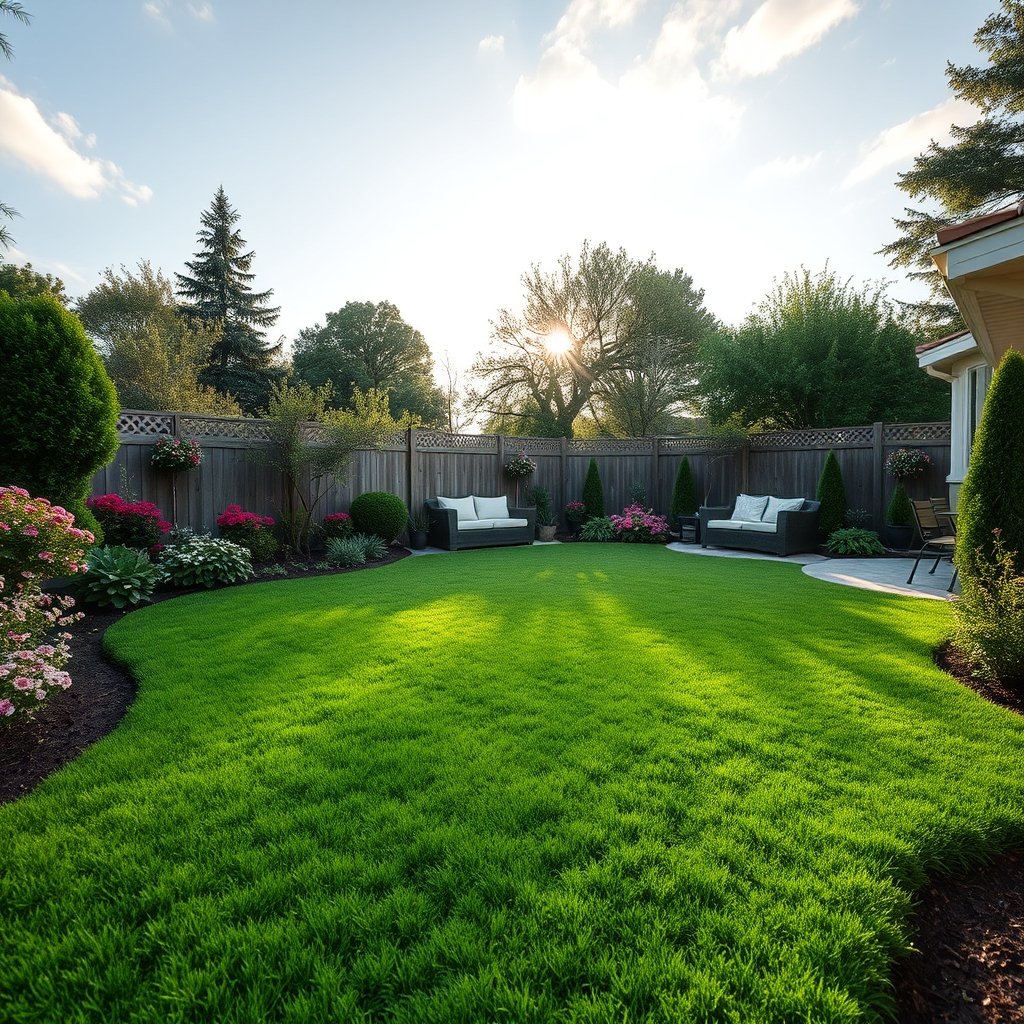
Most Lawn Care Tips you find online won’t deliver—in 2026, what works is combining science-backed strategies with practical, weather-smart routines. Focus on the three overlooked practices: soil testing, core aeration, and deep watering with grass cycling. Use professional-grade liquid weed control and fertilize for your lawn’s unique needs, not a generic calendar. Match your equipment and products to your lawn’s size, and always be flexible to the season and weather.
Ready to put these Lawn Care Tips into action and finally enjoy that thick, resilient lawn? Start today and revisit your progress each season—your curb appeal (and your wallet) will thank you.
FAQ
What is the most overlooked step in lawn care?
Soil testing is the most overlooked step. Without understanding your soil’s pH and nutrient levels, fertilizer and other lawn care efforts are a guessing game.
Granular or liquid weed control—what’s best in 2026?
Liquid weed control is typically more effective, especially professional-grade options. Granular products need perfect timing and rain to work optimally.
How do I know if my lawn needs aeration?
If your soil is compacted, water pools, or growth looks thin after fertilizing, try core aeration in spring or fall. Most lawns benefit from once-a-year aeration.
Can I save money without sacrificing results?
Yes. Grass cycling, correct watering, and precise fertilizer choices reduce costs by up to 30%. Avoid one-size-fits-all programs.
Where can I find more info on eco-friendly lawn options?
See our deep dive into clover lawns and drought-friendly grass alternatives.
—