

### Blog Post:
Roof Maintenance Tips are critical for homeowners this year, as neglecting proactive care almost always leads to higher repair bills and even bigger surprises down the road. In this guide, you’ll get realistic, cost-cutting strategies backed by the latest homeowner data and expert trade secrets that most mainstream guides miss.
Key Takeaways
- Routine inspections and expert-backed maintenance steps can save thousands and dramatically extend roof life.
- Advanced tactics like infrared scans and roof coatings help catch hidden issues early, slashing future repair costs.
- Clear, actionable checklists are essential—most standard guides fail to flag subtler roof problems that lead to expensive surprises.
- Why Roof Maintenance Matters More Than Ever in YYYY
- The Essential Roof Inspection Checklist: What Most Homeowners Miss
- Three Crucial Roof Maintenance Tips Experts Rarely Share
- Addressing Homeowner Pain Points: Making Roof Care and Inspections Easier
- Proactive Strategies to Reduce Future Roof Repair Bills
- Quick Reference: Your Updated Roof Maintenance & Inspection Checklist (Printable)
- Frequently Asked Questions
Why Roof Maintenance Matters More Than Ever in YYYY
Roof Maintenance Tips have never been more important. In YYYY, the average homeowner spent nearly $17,958 on home repairs and upkeep, and a staggering 46% of those who faced surprise repairs ended up paying more than $5,000. Water-related roof problems were the leading cause of these unexpected costs. With the average annual, non-mortgage homeownership costs soaring to $24,529, skipping regular roof care simply isn’t an option.
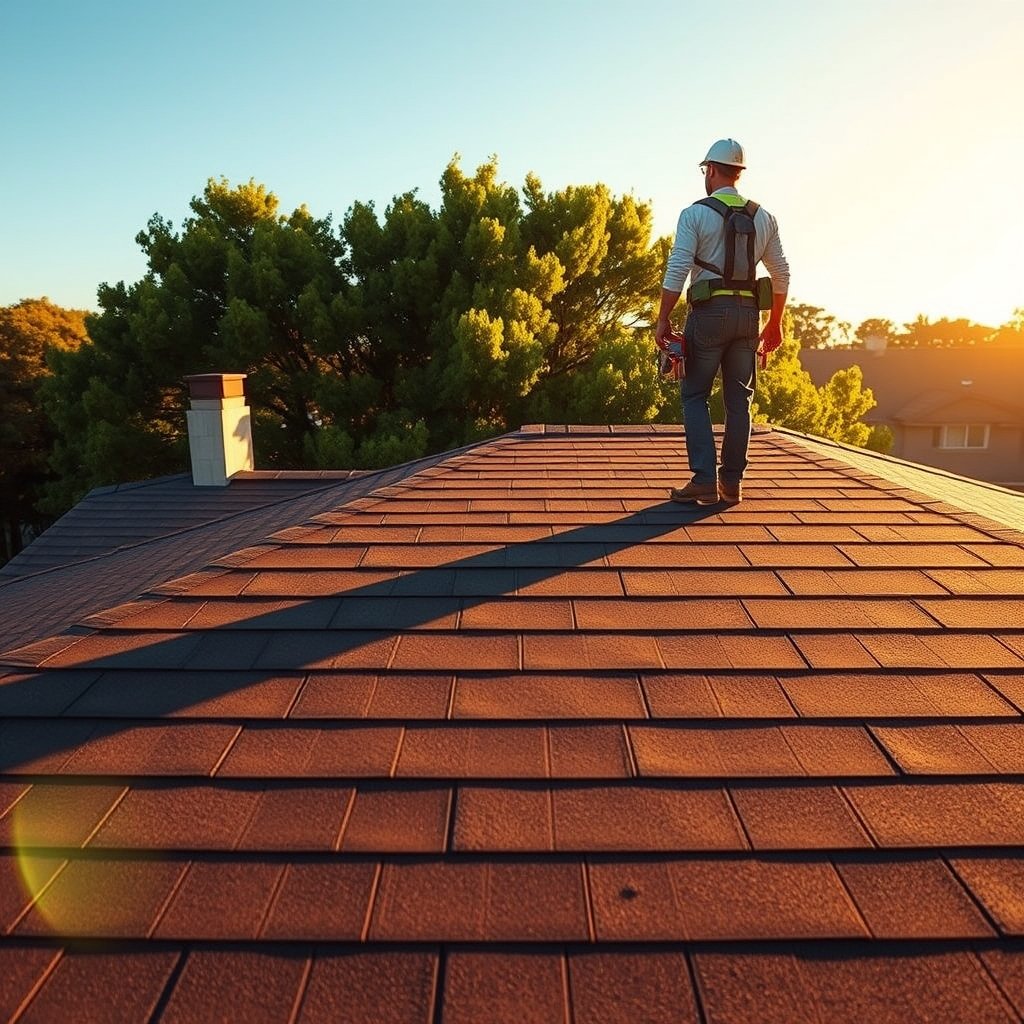
Why the surge in costs? Nearly 83% of homeowners recently reported that unexpected repairs had upended their budgets. While most know to clear gutters or scan for missing shingles, subtle roof issues—like trapped moisture or hidden leaks—often go unnoticed until the damage is done. As home repair resources like HomeProBadge and National Mortgage Professional report, diligent, advanced maintenance is now the only way to stay ahead of disaster-level repair bills.
The Essential Roof Inspection Checklist: What Most Homeowners Miss
A solid Roof Inspection Checklist is a homeowner’s first line of defense, but most checklists miss what costs the most. Standard steps focus on visual cues: look for missing or damaged shingles, clean debris, and check flashing. While necessary, they’re not enough. Subtle but serious problems—like slow-growing leaks, minor punctures under shingles, or attic condensation—don’t show up on a quick walkaround.
In fact, 83% of homeowners surveyed say they ran into unexpected repairs, largely because their Roof Inspection Checklist was either hard to use or didn’t warn them about hidden issues. Many checklists don’t include steps to inspect for concealed damage, assess attic airflow, or check for internal moisture. This is how roof repair bills balloon from minor fixes to major expenses practically overnight.
For a printable, detailed checklist—including advanced techniques like detecting hidden moisture—see the Quick Reference section below. For full home care, review our Home Maintenance Checklist Guide.
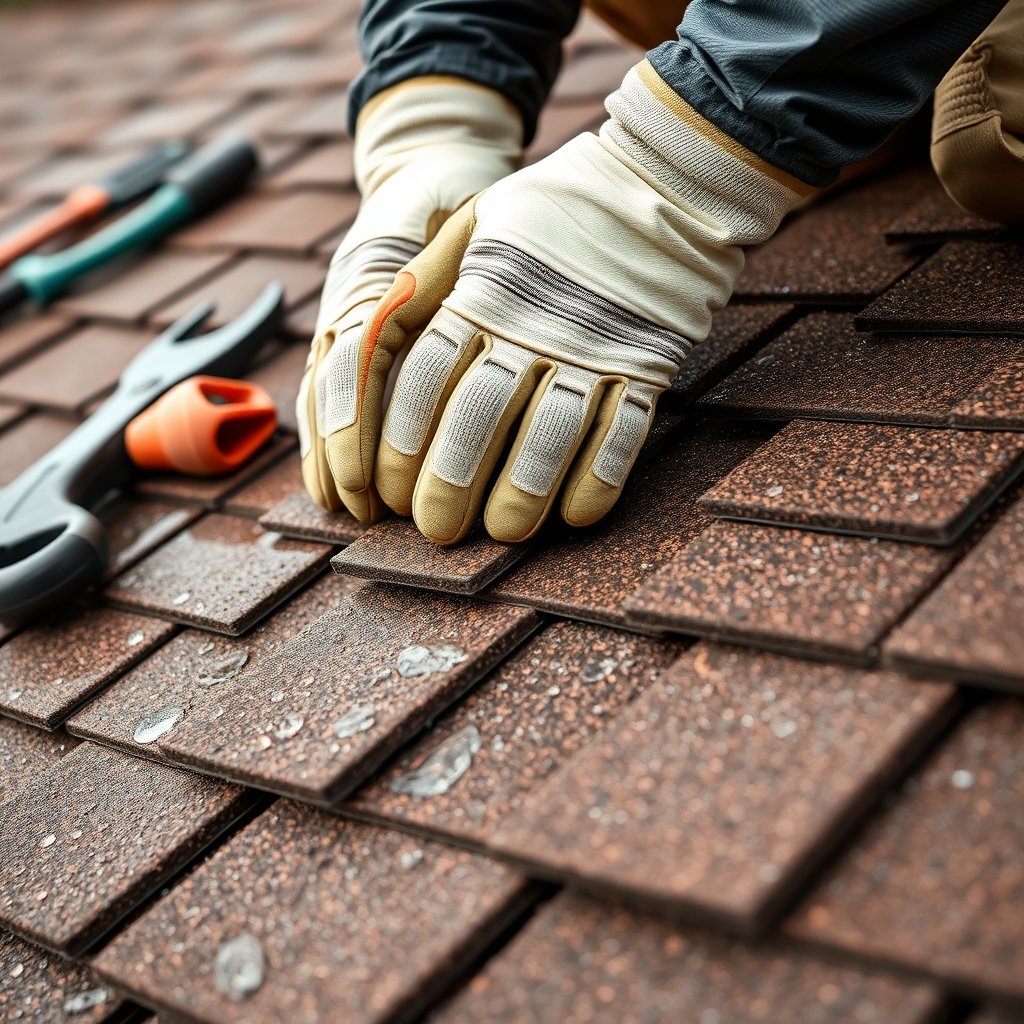
Don’t forget: professional organizations also offer downloadable checklists, but be sure to tailor them to your roof style and climate.
Three Crucial Roof Maintenance Tips Experts Rarely Share
Most Roof Maintenance Tips guides stick to basics. To really prevent costly repairs, go beyond with these expert-backed, rarely mentioned actions:
-
Infrared Thermography Scans
Twice a year, hire a professional to perform an infrared thermography scan of your roof deck and attic. This technology reveals hidden moisture, insulation gaps, and leaks invisible to the naked eye. Caught early, you can fix a minor problem for under $500, instead of facing repairs that cost thousands. Even most leading home care articles omit this step, despite its proven savings. -
Attic Ventilation and Insulation Audit
Go beyond just checking for drafts. Have your attic’s exhaust vents, intake vents, and insulation balance audited at least once a year. Incorrect airflow leads to condensation and rapid shingle aging—problems that escalate fast and are often missed in DIY checks. For energy savings, also review our energy efficient home upgrades. -
Protective Roof Coating or Sealant
Applying a high-quality coating or sealant, especially on metal or low-slope roofs, dramatically enhances waterproofing and reflectivity. Even a single application can extend your roof’s service life by several years and reduce repair spikes. Many guides never mention this essential, affordable step.
For homeowners trying to DIY while saving money, these strategies are worth budgeting for, as water damage is the single most expensive roof repair to address according to recent repair statistics.
Addressing Homeowner Pain Points: Making Roof Care and Inspections Easier
Many financially-aware homeowners are frustrated by standard roof care advice: checklists are often confusing, professionals are expensive, and it’s easy to overlook problems until repairs become urgent. In a recent survey, half of all homeowners said the time and cost of professional follow-up felt overwhelming—pushing more people to try DIY, even when they aren’t totally confident.
Here’s how to simplify and take real control:
- Simplify your checklist: Stick to a printable, step-by-step routine (get our version below) and update it each season.
- Handle the basics yourself: Remove debris, check visible areas after every major storm, and walk your attic quarterly.
- Time-box your inspection: Limit most DIY inspections to 20–30 minutes so you don’t get overwhelmed.
- Know when to call in help: Any sagging, widespread staining, or repeated attic moisture calls for a professional—don’t wait for a catastrophe.
If you want more ideas for tackling everyday DIY projects, check out our DIY Home Improvement Value Guide.
Proactive Strategies to Reduce Future Roof Repair Bills
Preventative roof care isn’t just about avoiding leaks. It’s now a financial necessity. With annual homeownership costs—excluding the mortgage—now averaging $24,529, early investments in professional-quality maintenance almost always reduce your long-term spend. Every dollar saved on timely minor repairs prevents much higher costs from catastrophic failures later.
| Action | DIY Cost Range | Professional Cost Range | Estimated Roof Life Gained | Missed in Most Guides? |
|---|---|---|---|---|
| Seasonal Visual Inspection | $0 – $50 | $150 – $350 | Up to 1 year | No |
| Infrared Moisture Scan | N/A (pro only) | $200 – $600 | 2–5 years | Yes |
| Attic Ventilation Audit | $0 – $150 | $200 – $400 | 2 years | Yes |
| Sealant/Coating Application | $250 – $700 | $800 – $2,000 | 3–7 years | Yes |
Most homeowners skip these investments, but data shows that when you factor in repair savings and roof longevity, each step pays off. For even broader preventive advice, see our Preventive Home Maintenance Guide.
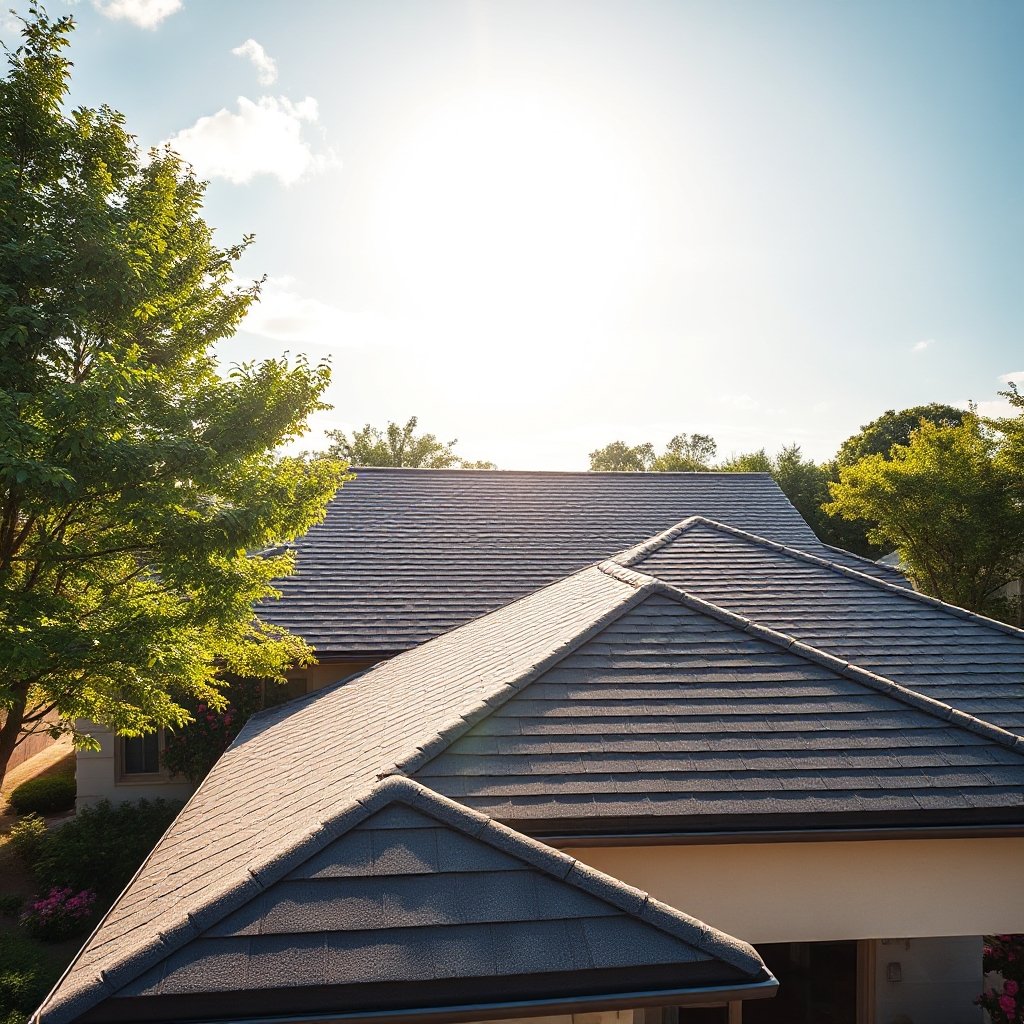
Quick Reference: Your Updated Roof Maintenance & Inspection Checklist (Printable)
Here’s a simple, research-backed checklist combining expert Roof Maintenance Tips and standard Roof Inspection Checklist essentials. With 59% of homeowners now attempting DIY maintenance to control costs, these clear instructions make the process achievable—not overwhelming.
- Remove leaves, pine needles, and all debris from roof surfaces and gutters every season.
- Visually inspect shingles and flashing for cracks, lifted edges, or rust twice a year.
- Check inside for ceiling stains and attic dampness after heavy storms.
- Photograph problem areas with your phone—review and compare each inspection.
- Schedule an infrared thermography scan every spring and fall to catch leaks or trapped moisture early.
- Audit attic insulation and airflow once a year; add insulation or clear obstructions as needed.
- Apply a protective roof coating every 5 years, especially on metal or low-slope roofs.
- If in doubt, review home improvement tips before hiring out repairs.
- Log each inspection date and note small changes—tiny shifts indicate growing problems.
- Call a professional if you detect sagging, multiple missing shingles, ponding water, or large stains.
Download this checklist or print it to use seasonally—consistent documentation is one of the best, cheapest Roof Maintenance Tips for preventing budget-busting surprises. For a full annual guide, refer to our Home Maintenance Schedule Guide.
Frequently Asked Questions
How often should I perform a roof inspection?
Inspect your roof at least twice a year—ideally in spring and fall—and after every major weather event. If you notice interior stains or attic dampness in between, check immediately.
What is the benefit of infrared thermography for roofs?
Infrared thermography detects hidden moisture or insulation gaps that visual checks will miss. Early detection can save thousands in repair costs by catching problems before they spread.
Do protective roof coatings really extend roof life?
Yes. Applying a quality roof coating can add several years to your roof’s life, improve waterproofing, and lower repair frequency—especially for metal or low-slope roofs.
Is it safe to do roof maintenance myself, or should I hire a professional?
Basic tasks like debris removal and visual checks are safe for most homeowners, provided you use a safe ladder and take precautions. For suspected leaks, moisture scans, or structural issues, always hire a professional.
What is the number one cause of expensive roof repairs?
Water-related problems—such as hidden leaks, inadequate ventilation, and poor flashing—are consistently the top cause of costly roof repairs. Early, targeted maintenance is the best defense.
—