
### Blog Post:
Smart Home Security Systems have reshaped how Americans protect their homes in 2026—offering convenience, integration, and peace of mind, but also raising new questions about privacy, adoption hurdles, and what really sets the best systems apart.
Key Takeaways
- Nearly three quarters of US homes now use a smart home security component, yet buyers cite privacy, video quality, and reliability as growing concerns.
- Modern systems are defined by DIY installation, pro monitoring, robust smart ecosystem support, and granular privacy controls.
- Popular reviews overlook critical factors like multi-protocol support, on-device AI, local storage, and data transparency—imperatives for savvy 2026 buyers.
- Smart Home Security in 2026: Adoption, Impact, and Trends
- What Makes a System “Best”? Key Features Buyers Actually Value
- Top Real-World Complaints About Security Cameras, Locks, and Doorbells
- What Current “Best Of” Lists Miss—The Overlooked Comparison Points
- How to Choose the Right System for Your Home in 2026
- Frequently Asked Questions About Modern Smart Home Security
Smart Home Security in 2026: Adoption, Impact, and Trends
Smart Home Security Systems have become a near-standard in US households, with around 75 million homes using security cameras and 59 million sporting video doorbells in 2026. Smart lock use crossed 22 percent of all homes, while overall smart security reached into the mid-70 percent range across the nation. DIY installation leads the pack thanks to mature kits and intuitive apps. In fact, these DIY setups ballooned by over 300 percent since 2018, and 70 percent of buyers actively prefer them for their control and cost savings.
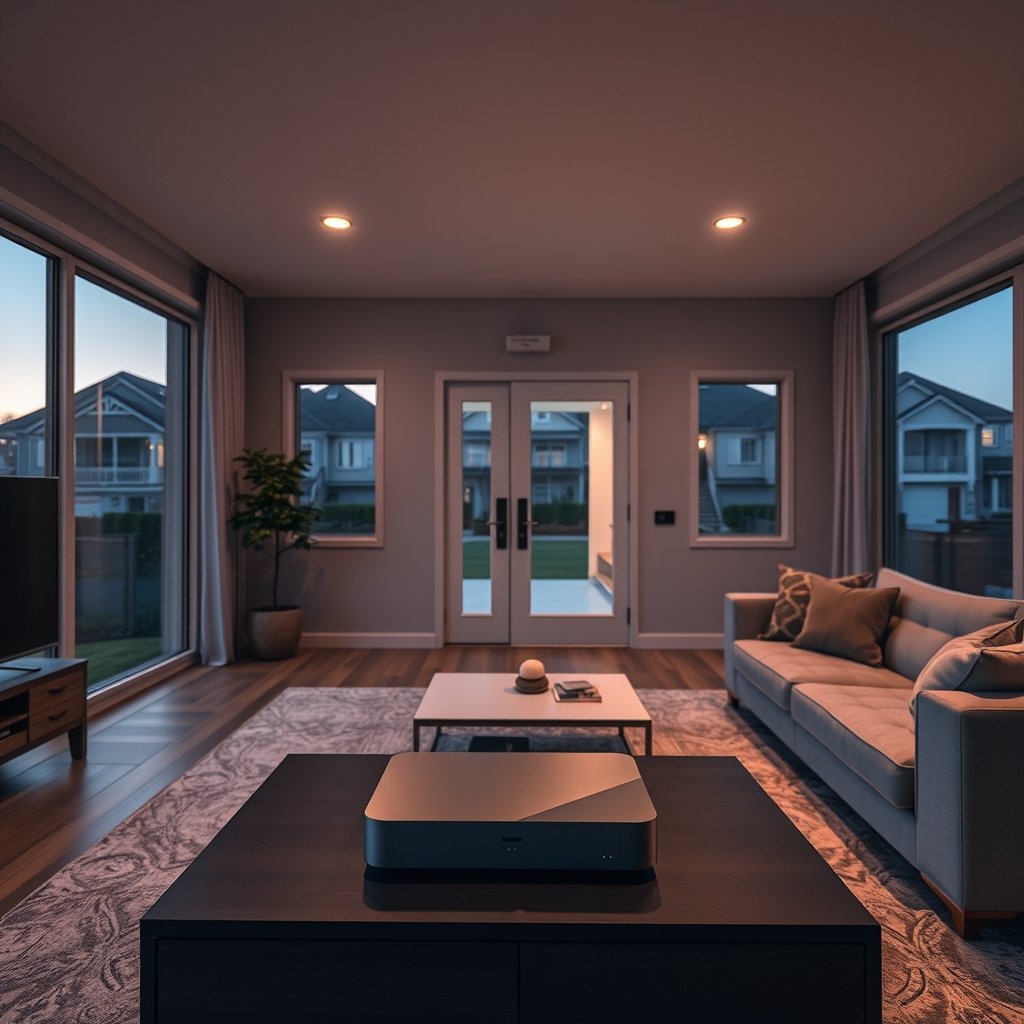
What’s the real-world impact? Crime stats reveal a strong effect: Visible alarm components reduce successful break-ins by half, since 83 percent of burglars check for alarms before entering and 60 percent move to another property if security measures are noticeable [source]. Neighborhood incidents like local theft and break-ins still drive adoption far more than national headlines.
For tech-forward homeowners, the pull isn’t just about peace of mind. It’s about seamless control — arming systems from a phone, integrating with other smart home devices, and getting real-time alerts for everything from doors opening to package drop-offs. But as security matures, so do buyer expectations: the bar for video quality, privacy, and integration keeps rising [source].
What Makes a System “Best”? Key Features Buyers Actually Value
Every homeowner wants the “best home security system”, but best can mean something different to each buyer. In 2026, top priorities are:
- Professional Monitoring: 81 percent of buyers demand this layer for consistent, emergency-ready support.
- DIY-Friendly Setup: 70 percent prefer simple self-installation, eliminating costly technician visits.
- Smart Ecosystem Integration: 65 percent insist on smooth compatibility with Alexa, Google Assistant, or Apple HomeKit, aiming for unified home control.
- Flexible Smart Locks: Users look for locks with reliable connectivity, backup entry options, and granular permissions for family or service pros.
- Mobile App Control: Real-time alerts and status, from anywhere.
- Privacy Controls: Transparent settings to define what gets stored, shared, and analyzed.
Not sure where to begin? Compare market leaders like SimpliSafe, Vivint, Abode, and Ring, but pay attention to their ecosystem integration, available automations, and contract policies. Systems like Vivint shine for automations, while SimpliSafe is strong on core security but lighter on deep smart home features.
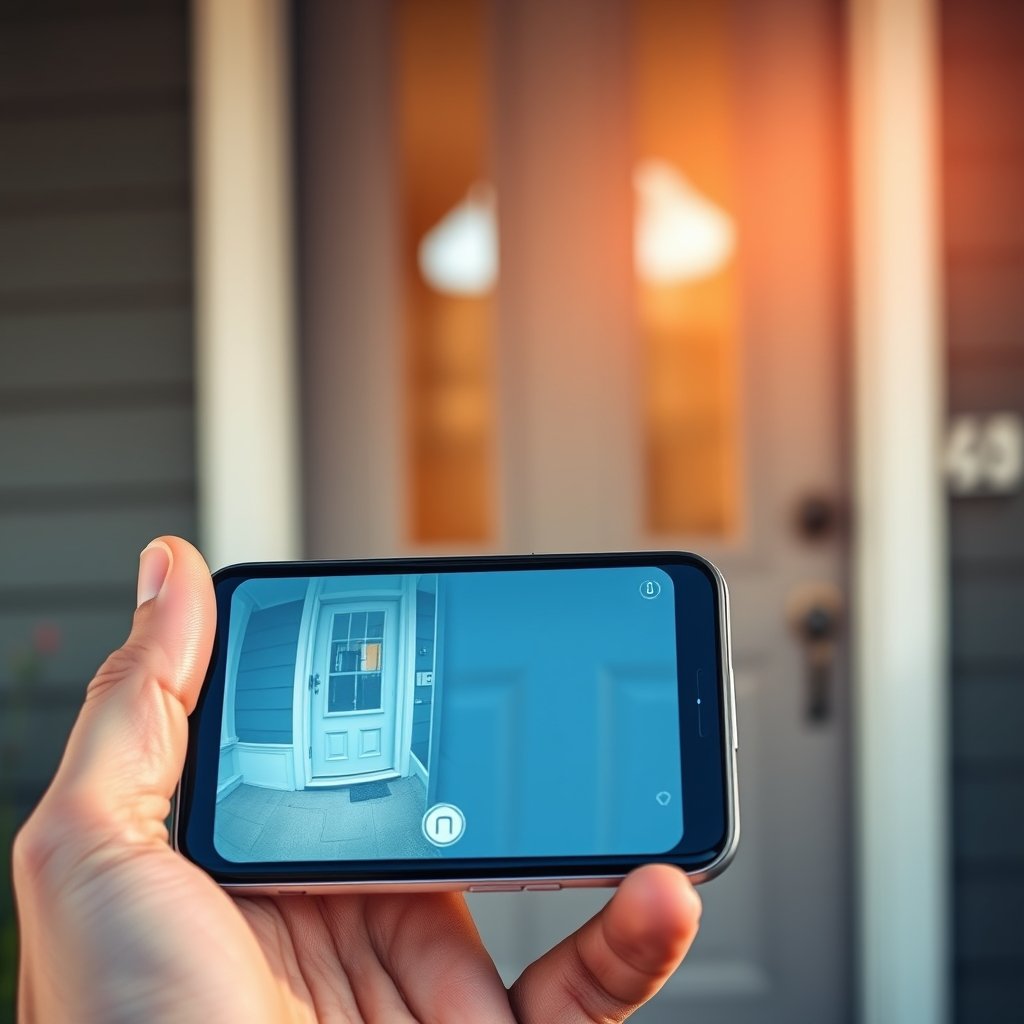
Look beyond marketing: Check battery life for smart locks, data privacy disclosures, and integration with apps already in your daily routine. And remember, a well-designed DIY kit lets you expand and adapt your system as your needs change, without recurring installer fees or rigid lock-in contracts.
For more on pairing security with smart energy savings, see our Smart Home Energy Monitor Guide.
Top Real-World Complaints About Security Cameras, Locks, and Doorbells
Even the best home security systems aren’t trouble-free. In 2026, the most reported complaints are:
- Poor Video Quality & Night Vision: 72 percent of buyers say image clarity is a must. Many basic cameras underdeliver, especially in low light.
- False Motion Alarms: Common with outdoor cameras and video doorbells, thanks to pets, shadows, and passing cars.
- Battery & Connectivity Issues: Smart locks and wireless cameras often face sudden battery drain or intermittent Wi-Fi failings.
- Delayed Notifications: Doorbells sometimes alert you after the fact, not in real time, especially with weak home networks.
- Privacy & AI Worries: 42 percent cite data and facial recognition as a barrier, with confusion over what’s stored, shared, or sold [source].
- App Reliability: Mobile app bugs or downtime can mean missed alerts or lost footage during a critical window.
| Device | Common Problem | What to Check |
|---|---|---|
| Security Cameras | Blurry footage, weak night vision, excessive false alerts | Check resolution specs, AI detection settings, and lens type. |
| Video Doorbells | Notification lag, stream delays, packet loss on Wi-Fi | Test response speed, look for Wi-Fi 6 support, and bandwidth needs. |
| Smart Locks | Battery drops, connectivity fails, unreliable backup entry | prefer locks with long-life batteries, local backup access, and multi-protocol options. |
Many buyers overestimate the privacy provided by cloud-based systems—always probe for look for local storage or on-device AI to reduce unnecessary video uploads. For smarter storage and longer backups, look into proprietary hub devices or edge computing features.
If your interests cross into hidden design tricks for blending technology, explore appliance garage ideas or these pocket cabinet ideas for discreet smart gear storage.
What Current “Best Of” Lists Miss—The Overlooked Comparison Points
Most “best home security systems” roundups miss several key differentiators that matter for 2024 homeowners:
- Native Multi-Protocol Support: True Z-Wave, Zigbee, and Thread hub compatibility lets you blend hardware brands and prevents system lock-in.
- On-Device AI with Local Storage: Keeps facial/vehicle detection private and off the cloud—vital for privacy-minded buyers.
- No-Contract Monitoring with SLAs: Guaranteed response times without recurring commitments; rare, but available at the high end.
- 4K HDR Night Vision: Ensures sharp footage no matter the conditions—standard definition no longer cuts it.
- Solar/Battery Options: Longer lifespan and backup during outages for both cameras and smart locks. Critical for detached garages or sheds.
- Granular Access Controls: Per-user codes and permissions, perfect for short-term rentals or regular service staff.
- Transparent Data Policies: Ability to opt-out of analytics or cloud uploads—look for vendors with detailed privacy statements.
Pro tip: Ask for a copy of a provider’s data handling policy before you purchase. You’ll want to know who, if anyone, receives your footage or analytics.
The devil is in the details, so scrutinize which protocols your intended devices support—and don’t be afraid to mix and match best-in-class components using a hub like Home Assistant or Apple HomePod as your “bridge.” This maximizes flexibility and control—two things overlooked by most reviews.
For more ways to increase value and impact with smart upgrades, check out which home improvement ideas add the most ROI this year.
How to Choose the Right System for Your Home in 2026
The right Smart Home Security System is the one that fits your lifestyle—not a generic “best of” winner. Here’s how to choose:
- Assess Your Risks and Routine: Live in a suburban home? Focus on outdoor cameras and robust locks. In a city? Prioritize apartment-friendly gear and privacy-centric features.
- Demand Integration: Ensure the system works with your existing smart home devices (voice assistants, lighting, garage doors).
- Compare Video Quality: 72 percent of buyers make this a top priority. Insist on 2K or 4K resolution and enhanced low-light performance.
- Check for Local Storage: This protects privacy and often shortens response time for alerts/events.
- Audit Privacy Practices: Choose brands that allow clear opt-out options for analytics and footage sharing.
- Plan for Power Outages: Solar- or battery-backed options future-proof your system—especially for detached buildings.
- Think About Access: If you have cleaners, pet sitters, or renters, get smart locks with customizable user codes and app-based permissions.
Finally, look for companies with strong customer support, transparent pricing, and a track record for keeping smart home security systems updated over time. Trying before buying—via demo kits or showrooms—can further clear up confusion.
Want to see where smart security fits into overall property upgrades? Our guide to the best home improvement projects connects security to value-adding renovations throughout the house.
Frequently Asked Questions About Modern Smart Home Security
Are smart home security systems difficult to install?
No. About 70 percent of buyers choose systems designed for DIY installation, using mobile app guides and color-coded hardware. However, large multi-component setups may require basic drilling or electrical skills—if in doubt, some brands offer pro help for a fee.
Can installing security cameras or a smart lock lower my home insurance?
Many insurers offer premium discounts (sometimes up to 15%) for homes with monitored security cameras or professional-grade smart locks. You’ll likely need a certificate of installation or proof of ongoing monitoring from a recognized provider.
Will my smart home security system integrate with Alexa, Google Assistant, or Apple HomeKit?
About 65 percent of buyers now demand this, and most leading systems offer solid integration. Always verify which features—like arming, video viewing, or lock/unlock—are supported in your preferred ecosystem before purchasing.
Are there downsides to cloud-based video storage?
Yes. While convenient, cloud storage can raise privacy risks and may require ongoing subscription fees. Many users prefer systems with local storage or edge AI to keep sensitive footage inside their home network.
What are the biggest barriers for first-time buyers?
The top issue is cost—58 percent of non-adopters cite it as the main barrier. There are also concerns about privacy, ease of use, and system reliability. Choosing a scalable, DIY-friendly package allows you to start small and build confidence over time.
Conclusion
Choosing and setting up the right Smart Home Security Systems in 2026 means more than picking a brand from a list. It’s about matching privacy priorities, integration needs, and real-world reliability to your household’s everyday life. Take time to trial, test, and question data practices—today’s smart home security is powerful, but your choices shape the balance between convenience, protection, and peace of mind. Ready to take the next step? Explore trusted guides, review your options, and invest in a system that puts your safety—and your data—first.
—