
### Blog Post:
Smart Home Security Systems have evolved into essentials for safety-minded homeowners in 2026, combining convenience, control, and high-tech protection. But even as adoption surges and innovation accelerates, today’s “best” home security options still leave key needs unmet.
Key Takeaways
- Smart Home Security Systems are now mainstream, with over 61% of American households now owning at least one security camera.
- Leading brands—Ring, ADT, Vivint—set the pace, but real-world users still report pain points like false alerts, privacy gaps, and rising costs.
- Even the best systems today lack unified AI, seamless interoperability, and robust future-proof features. Knowing what’s missing helps you choose wisely and avoid pitfalls.
- The 2026 Boom in Smart Home Security Systems
- Step-by-Step Guide: Selecting & Using Smart Home Security Systems
- Advanced Analysis & Common Pitfalls
- Conclusion
- Frequently Asked Questions
The 2026 Boom in Smart Home Security Systems
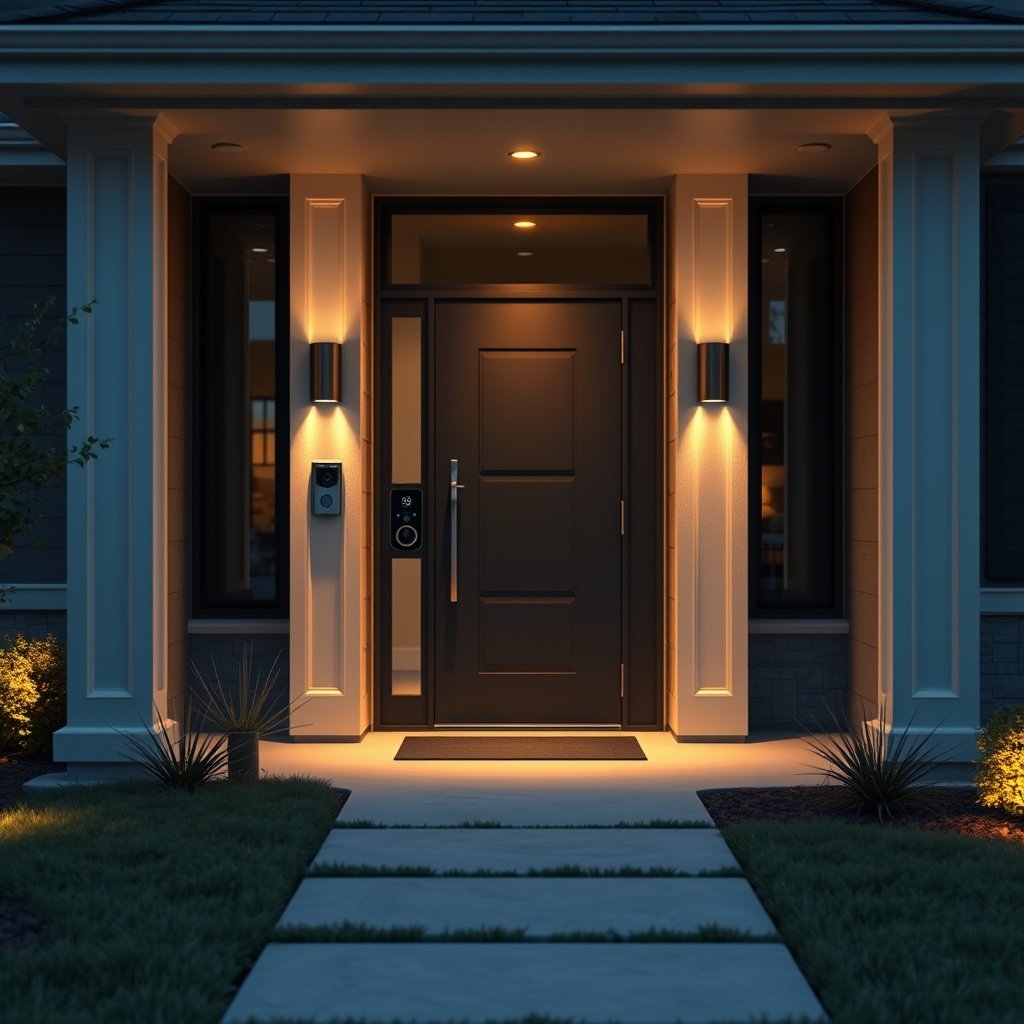
Smart Home Security Systems hit new heights in 2026, with adoption numbers and market growth reflecting a shift from niche tech to everyday standard. The global smart home security market topped $54 billion this year, expanding 13–14% year-over-year. In the United States, these systems claim 38% of global market share. With 61% of American households now owning at least one security camera—and 45% using video doorbells—the “connected home” is no longer futuristic. High adoption isn’t driven by hype alone: demand comes from rising package theft, privacy awareness, and a desire for real-time control over home protection, all of which have made devices like security cameras, video doorbells, and smart locks household basics.
Step-by-Step Guide: Selecting & Using Smart Home Security Systems
Choosing Smart Home Security Systems isn’t just about grabbing the latest gadget. Here’s a realistic, proven process for finding and implementing a system that meets real-world needs—without falling for marketing buzzwords or overlooking critical gaps.
- Assess Your Home’s Risks and Priorities
- List your major concerns: burglary, porch theft, privacy, remote monitoring, child/pet safety.
- Map out the most vulnerable access points (doors, windows, garage, backyard).
- Inventory Existing Devices & Compatibility Needs
- Do you already have smart assistants, old cameras, or connected lighting?
- Check which brands work with popular platforms (Amazon Alexa, Apple HomeKit, Google Home).
- Prioritize Core Features over Gimmicks
- Focus on high-resolution 24/7 cameras, fast notifications, trusted smart locks, and easy-to-use overlays over “AI” marketing spin.
- Look for brands with proven support, clear privacy policies, and futureproof software updates.
- Vet Brands by Real Data, Not Just Rankings
- Ring leads US market with 43% primary camera/doorbell share and 38% wireless camera market hold, closely followed by ADT, Vivint, SimpliSafe, Brinks, and Frontpoint.
- Read actual user reviews about setup complexity, reliability, and hidden fees—not just tech blog roundups.
- Plan for Data, Privacy, and Ongoing Fees
- Beware of “free” tiers that quickly lead to paid-only features—long-term storage and advanced detection often require monthly plans.
- Evaluate privacy: does footage stay local, or must it go to the cloud?
- Know the real cost after one year, including cloud plans or battery swaps for wireless gear.
- Install, Test, and Optimize
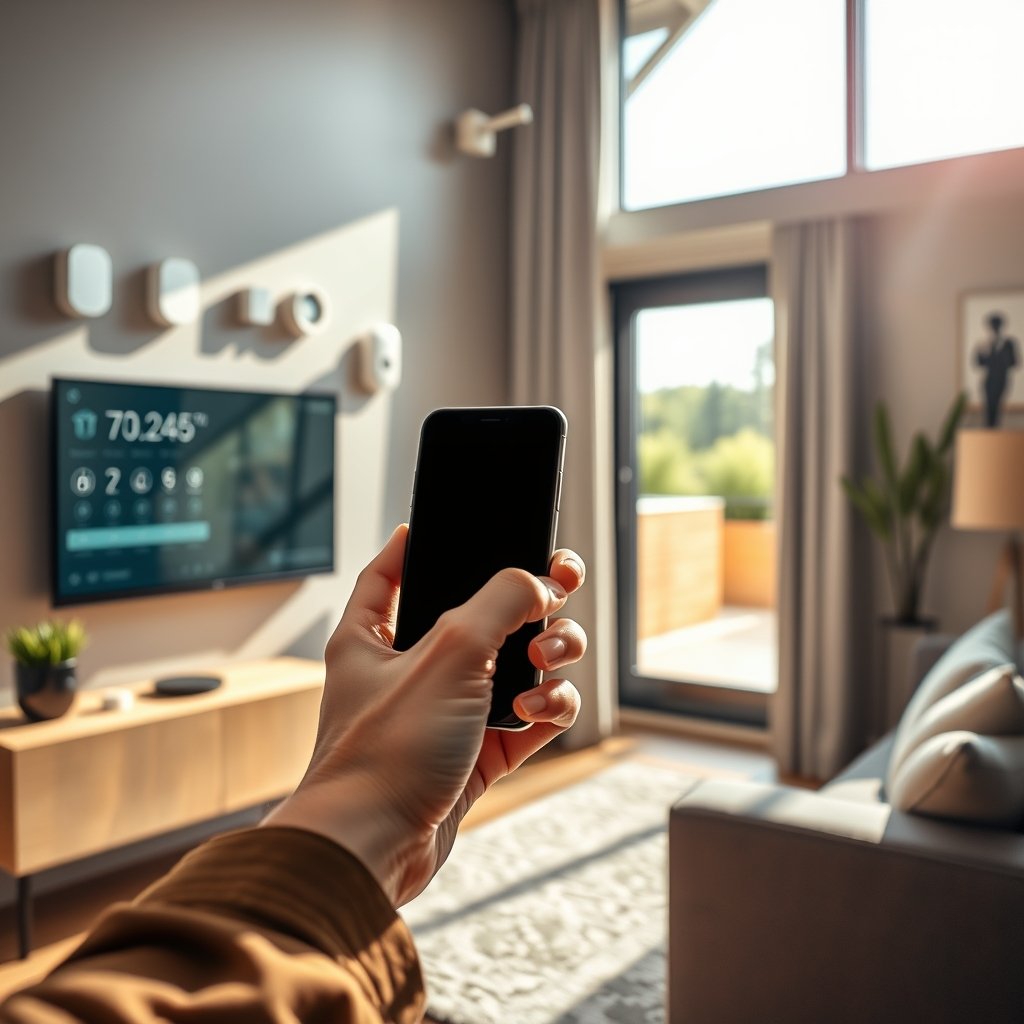
- Use your phone to verify coverage and notification speed; tweak motion zones and alert thresholds to minimize false alarms.
- Integrate with lighting and energy monitors so your system works with your routines. See how smart home energy monitors can tie in.
- Regularly Audit and Update
- Set reminders to update firmware, review user access, and check for new features or vulnerabilities.
- Revisit your setup as your home and technology needs change—security is a moving target.
For additional setup inspiration, many homeowners explore home improvement ideas that integrate with smart security, and even advanced lighting like statement chandeliers for enhanced night visibility.
Advanced Analysis & Common Pitfalls
Even the best home security systems have well-documented blindspots. Here’s what today’s tech-aware homeowners actually experience—and what rating charts rarely mention.
| User Complaint / Gap | How Common Is It? | Current Solution? |
|---|---|---|
| False motion alerts & notification fatigue (cameras, doorbells) | Reported by over 60% of users (2024) | Partial: Some “AI” filtering, but poor for pets/cars/trees |
| Privacy worries & cloud-only video storage | Top concern for 4 in 10 users | Few reliable on-device or local storage options |
| Battery drain, lock-out errors (smart locks/cameras) | Frequent with wireless systems | Limited: Some improved batteries, no solar mainstream yet |
| High monthly fees (cloud/video/monitoring) | 52% of users report “higher than expected” cost | Bundled plans, but few true value options |
| DIY setup complexity, poor cross-brand integration | Rising, especially with multi-brand homes | No robust interoperability standards yet |
| Cybersecurity attacks, lack of zero-trust defenses | Attacks rose by 124% in 2024 | Basic protections, but not industry-standard |
The reality is that even top-ranked systems—Ring, ADT, Vivint—are behind on several fronts. Most are yet to fully deliver:
- Truly unified local AI threat detection (rather than cloud-only “smart” alerts)
- End-to-end brand-agnostic interoperability so you aren’t stuck within one brand’s app or ecosystem
- Advanced biometric authentication for smart locks (most stop at fingerprint or PIN)
- Solar-powered or ultra-low-power, set-and-forget security cameras
- Predictive analytics to flag patterns linked to impending break-ins
- Decentralized, privacy-first storage that keeps footage in your home—not just “in the cloud”
- Standardized, zero-trust cybersecurity frameworks for real IoT protection
Smart Home Security Systems are rapidly advancing, but these gaps can result in frustration, unexpected costs, and even risk exposure. Before spending thousands, consult sources like up-to-date security system market stats and cross-reference your intended brands’ privacy approaches to make sure they’re not lagging where it counts.
If you’re upgrading multiple aspects of your home, explore how future home improvement trends will shape your security decisions, including the shift to energy-efficient home solutions—essential for reducing monthly operating costs associated with security electronics.
Conclusion
Smart Home Security Systems have moved from tech trend to an expected part of everyday home life. While “best” now means better integration and smarter notifications, the industry still chases seamless cross-brand support, local privacy, and robust AI prediction. To avoid disappointment, always vet real customer experiences, calculate long-term costs, and demand ongoing updates before investing. For homeowners who want full-home solutions, Smart Home Security Systems are vital—but true peace of mind depends on knowing both the current market’s strengths and its overlooked weaknesses.
Ready to take your next step? Use the insights above to make smart security investments that fit your household’s real needs. Want even more connected upgrades? See our guide to the best smart home devices of 2024 for energy savings, comfort, and safety ideas you can actually use.
Frequently Asked Questions
What are Smart Home Security Systems and how do they differ from traditional systems?
Smart Home Security Systems connect via Wi-Fi and are managed through mobile apps, offering features like remote control, live video feeds, and instant notifications. Traditional systems are often hardwired, require pro installation, and have limited automation.
Are wireless security cameras reliable enough for full-home protection?
Wireless cameras are very popular and can offer excellent coverage, but signal issues and battery life are common complaints. Where possible, use a mix of wired and wireless devices for the best reliability.
How much should I expect to pay monthly for Smart Home Security Systems?
Ongoing fees range from $5 to $40 a month—or higher—depending on brand, cloud-storage plans, and monitoring services. Always check the total cost after the first year, not just the upfront price.
What features will future-proof a smart home security investment in 2024–2026?
Look for local AI threat detection, on-device or decentralized storage, compatibility with multiple brands/assistants, solar options, and systems with rapid, robust software update cycles to handle new security risks.
Where can I find unbiased Smart Home Security Systems ratings?
Reference independent statistics from resources like Strategic Market Research and authoritative consumer guides like Security.org’s ratings.