

Lawn Care Tips have never been more essential than in 2026. If you’re a homeowner battling browning spots, persistent weeds, or feeling overwhelmed by fertilizer options, you’re not alone. New science and unpredictable weather shifted the game this year. This guide delivers actionable steps, climate-specific strategies, and hard facts—so you can finally get your lawn healthy without the fuss.
Key Takeaways
- Slow-release nitrogen is your friend—don’t waste money or risk lawn burn with outdated, one-size-fits-all methods.
- Thick lawns and smart weed control matter more than ever thanks to climate swings and new invasive species.
- Basic equipment maintenance, soil health, and understanding your specific grass type unlock better results in less time.
- 2026 Lawn Care Tips Homeowners Can Trust
- Choosing the Right Fertilizer for Your Grass Type
- Smarter Weed Control Strategies in a Changing Climate
- Common Mistakes Homeowners Make (and Solutions)
- Beyond the Basics: Mastering Lawn Equipment Maintenance
- The Secrets Pros Know—Soil Health and Climate-Specific Care
- Quick Reference: Seasonal Lawn Care Calendar for 2026
- FAQ
2026 Lawn Care Tips Homeowners Can Trust
This year, science has forced a real shift in how we approach lawn maintenance. 2026 brought waves of unpredictable weather—from disease outbreaks and drought to heat waves and soil instability. Many homeowners struggled with new pests and patchy lawns. The old “quick fix” advice does not cut it; you need strategies proven to work in your region, for your grass, and your tools.
Choosing the Right Fertilizer for Your Grass Type
Not all lawn fertilizer is made equal. The key is to match your fertilizer—both type and timing—to your grass and your soil. Here’s what 2026 data says:
- Slow-release nitrogen is your friend. Look for products listing 30 percent or more “water-insoluble nitrogen” (WIN) on the label. These provide consistent growth and reduce risk of burn—even during heat or drought.
- Cool-season grasses (like bluegrass, fescue, rye): Apply 2 to 4 pounds of nitrogen per 1,000 square feet, split over spring and fall. Avoid summer feedings—it’ll stress the grass and can waste fertilizer (Rutgers Extension).
- Warm-season grasses (Bermuda, Zoysia): Use less nitrogen—one light application in early fall, not during summer peaks. Centipede grass especially needs only 1 pound or less per 1,000 square feet all year.
- Organic fertilizer breaks down slowly and feeds soil microbes. If you use it, base the rate on a soil test rather than the bag directions.
- For the best results and to avoid unnecessary chemical runoff, always test your soil every 2 to 3 years to pinpoint N-P-K needs (UMN Extension).
If you’re looking for longer-term upgrades, consider more sustainable lawn alternatives for sections of your yard, like clover lawns that require less fertilizer and resist drought.
Smarter Weed Control Strategies in a Changing Climate
The top pain point for over 43 percent of homeowners is weed control. With changing rainfall and warmer winters, weed pressure is at an all-time high. Targeted, layered strategies now work better than blanket treatments:
- Apply pre-emergent weed control herbicides stop weed seeds (like crabgrass) before they sprout. Apply early spring—watch your soil temperature (50 to 55 degrees is ideal).
- Post-emergent sprays or spot treatments handle visible weeds—apply selectively to reduce chemical risk.
- Eco-friendly options include hand pulling, vinegar-based sprays, or crowding out weeds with thick, healthy grass roots.
- Lawn density matters more than ever. Focus on overseeding and fertilization to build a dense turf that out-competes weeds long term (Barenbrug guide).
Consistency is key. Plan to check for invaders after storms or periods of heavy heat, since weeds exploit weak spots after weather swings.
Need help tackling yard clutter as you care for your lawn? Explore these minimalist storage ideas for inspiration indoors too.
Common Mistakes Homeowners Make (and Solutions)
Surveys show that 58 percent of homeowners don’t actually know their grass type, and another 58 percent are unsure of the best mowing direction. These gaps cost time and cause avoidable browning or thin patches. Here are the most common errors and how to fix them:
| Problem | Why It Matters | Simple Fix |
|---|---|---|
| Not knowing grass type | Wrong fertilizer or mowing can weaken grass | Check blade width, feel, color—compare with local guides or ask a lawn pro |
| Watering at night or noon | Waste, fungus risk, rapid evaporation | Water early morning after sunrise for best absorption |
| Mowing too short (“scalping”) | Encourages weeds, browning, root stress | Set mower to 3-4 inches; never remove more than 1/3 of blade height |
| Mowing same direction each time | Soil compacts, grass matts down, stripes don’t stand out | Alternate mowing patterns—north-south, then east-west weekly |
| Ignoring seasonal timing | Over/under-fertilization, extra weeds, stressed turf | Use a calendar (see below) and adjust for actual weather, not just the calendar date |
For advanced help with routine repairs and home care beyond just your yard, visit our home maintenance checklist for DIY-friendly guidance.
Beyond the Basics: Mastering Lawn Equipment Maintenance
Lawn equipment is often the most overlooked part of effective lawn maintenance. Dull mower blades shred grass instead of cutting—causing browning tips and leaving the lawn open to disease. Uncalibrated spreaders waste fertilizer. Safety is often ignored.
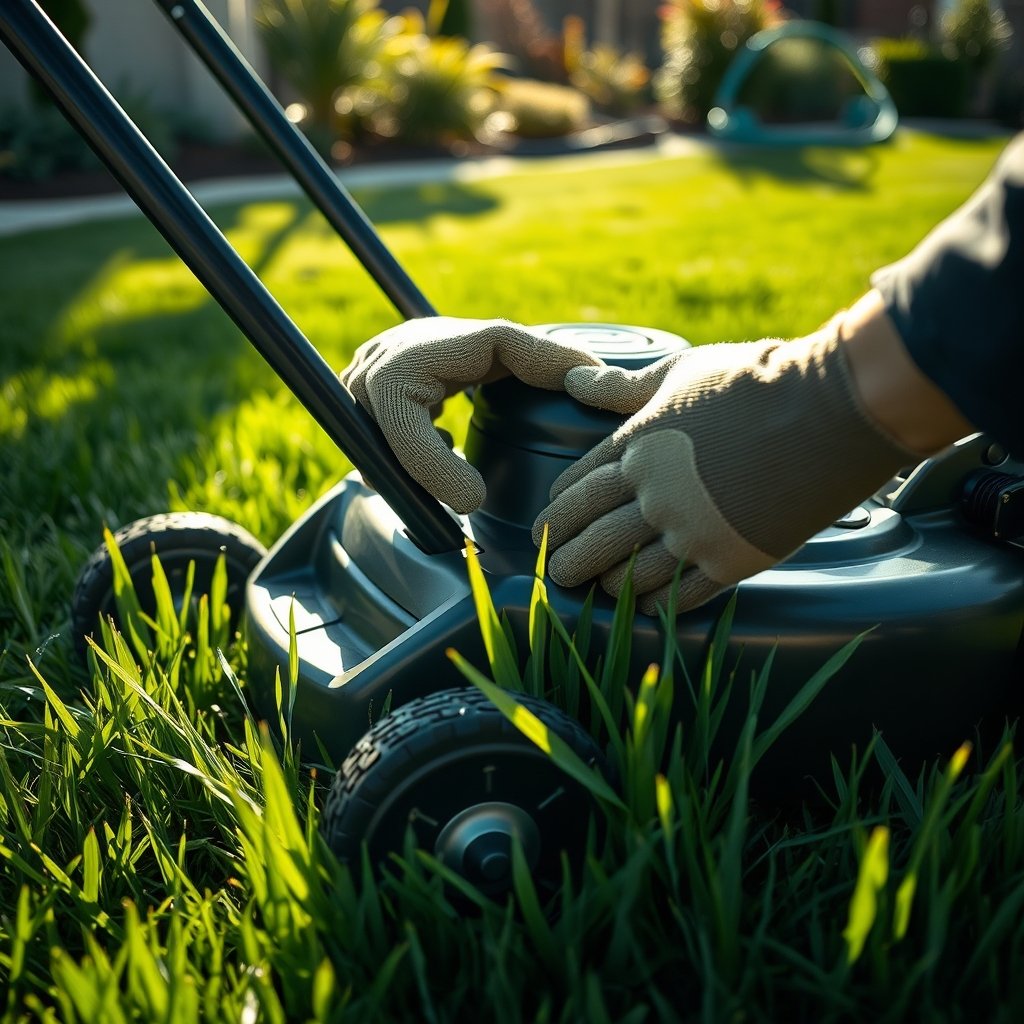
- Start each season by sharpening mower blades (or replacing if nicked), cleaning under the deck, and checking wheels and controls.
- Calibrate broadcast spreaders with a scoop and marked tarp—test for even coverage so you don’t waste product or leave strips untreated.
- Rinse all equipment and remove grass buildup after each mow to prevent rust and corrosion.
- Inspect cords, fuel, and safety features (like shields or blade brakes) every month in peak season.
Want to know the best cordless tools and how to avoid common repair headaches? See our power tools comparison guide for trusted picks backed by real-world testing.
The Secrets Pros Know—Soil Health and Climate-Specific Care
Soil is more than just dirt—it hosts a living microbiome that makes all grass care possible. Lawn fertilizer alone does not guarantee results. Key strategies this year include:
- Aeration in early fall relieves compacted zones so water and nutrients reach roots.
- Top-dressing with compost or worm castings boosts beneficial microbes. These break down organic matter, improving disease resistance.
- Adjust fertilizing to your climate—split applications around periods of most growth (mid-to-late spring and after summer stress, early fall for both cool- and warm-season grasses).
- Mulch mowing feeds the soil naturally and improves moisture retention—vital during dry spells.
Nutrient-poor or compacted soil is a silent culprit behind thin, weed-prone lawns. For a full guide to lower-maintenance and eco-conscious approaches, read our breakdown on clover grass alternatives and outdoor living upgrades for busy families.

Quick Reference: Seasonal Lawn Care Calendar for 2026
Timing matters—2026’s wild swings in heat and rain require homeowners to watch the weather as much as the calendar. Here’s an actionable, region-flexible calendar to keep on your fridge:
| Season | Lawn Maintenance Task | Grass Type Notes | Climate/Weather Watch |
|---|---|---|---|
| Early Spring (soil 50-60°F) |
Apply pre-emergent weed control; fertilize cool-season grass (light); sharpen mower | Wait until first steady growth before fertilizing warms | Delay if late frosts/extended rain |
| Mid-to-Late Spring | Fertilize; overseed bare spots; monitor for fungus/pests; water deeply AM only | Most responsive period for all grasses | Adjust for wet/dry pattern |
| Early Summer | Mow high (3-4″); mulch mow; limit fertilizer | Avoid N use on cool-grass; warm-grass light feed | Extra water if heat persists |
| Late Summer | Spot-weed; repair edges; check equipment; aerate if soil compacted | Water before/after heat waves | |
| Early Fall | Fertilize all grass types (focus on warm-grass); overseed; core aerate; last major mowings | Key period for root development | Watch for early frosts |
| Late Fall | Remove leaves; clean/store equipment; apply winterizer (if regionally needed) | Do not fertilize after ground freezes | Service equipment for winter |
Set reminders on your phone to check mower blades, calibrate spreaders, and walk your lawn for issues after severe weather.
Want more advice on maximizing your outdoor spaces or improving energy savings? Check out these guides on pergola kits and smart home energy monitors.
FAQ
How do I know what type of grass I have?
Check blade shape, color, and feel—cool-season grasses are usually finer and deep green, while warm-season types are coarser and lighter green. Compare with photos from your local extension office or bring a sample to a local nursery.
How often should mower blades be sharpened?
Ideally, sharpen every 20-25 hours of mowing, or two to three times per season. Inspect for nicks or dullness after mowing over sticks or tough patches.
Is organic fertilizer really as effective as synthetic?
Yes—if matched to your soil’s needs. Organic feeds slower, so results take longer, but it supports healthy soil microbes for long-term lawn health (UNH Extension).
Should I water every day in summer?
No. Deep, infrequent watering (1–1.5 inches, one or two times a week in the morning) is better. It encourages deep roots and helps prevent fungal disease.
When is the best time to apply weed control?
Apply pre-emergent weed control in early spring and post-emergent only on visible weeds as needed. Watch calendar and soil temperature, not just air temperature.