

### Blog Post:
Home Improvement Tips are critical for avoiding costly mistakes and maximizing the value of your renovations—especially now, when budgets are tight and small errors can have big consequences. Whether you’re planning a DIY weekend project or a major remodel, knowing where trends and pitfalls intersect in 2026 can be the difference between investment and regret. Here’s what you actually need to know before starting your next home upgrade.
Key Takeaways
- U.S. homeowners spent a median of $20,000 on renovations in 2026, but 39% exceeded their budgets. Plan realistically to avoid surprises.
- Common pitfalls include unexpected costs, timeline overruns, and underestimating the complexity of DIY projects—especially technical trades.
- Focus on projects with high ROI and joy scores, like kitchen upgrades or a new steel front door, and always update insurance and permits post-renovation.
- 2026’s Home Improvement Landscape: What Homeowners Are Really Spending
- Why Home Improvement Projects Go Over Budget
- Avoiding DIY Disasters: Most-Reported Homeowner Complaints
- The Hidden Essentials: Advice Competitors Miss
- Remodeling Ideas with the Best ROI and Joy Factor
- 5 Pro-Level Home Repair Tips for 2026
- Post-Project: Maintenance and Safety Musts
- FAQs
2026’s Home Improvement Landscape: What Homeowners Are Really Spending
Recent data shows a seismic shift in how Americans approach home renovations. In 2026 alone, U.S. homeowners spent around $603 billion on remodeling, with the median household investing about $20,000. The average outlay per homeowner was $4,700, while some invested much more—especially as the cost of materials and labor continues to rise. Over half of all owners completed a home remodel last year, with priorities focusing on maintenance, energy efficiency, and high-impact spaces like kitchens and bathrooms.
(Source: NARI Remodeling Impact Report 2025, RubyHome Remodeling Statistics)

Yet, despite strong spending, owners are more cautious and savvy, actively seeking Home Renovation Tips to control costs and prioritize investments. This year, top trends also include hidden kitchen storage and seamless design for a decluttered look, as seen in Invisible Kitchen concepts.
Why Home Improvement Projects Go Over Budget
The gap between expectation and reality is nowhere more apparent than in the final bill. According to a 2026 survey, 39% of U.S. homeowners reported exceeding their budgets on renovations, while 47% said their last project was more expensive than expected, and 8% reported costs at least double initial estimates. Many cite increased material prices, labor shortages, and “scope creep”—adding extras during the process—as driving factors.
(Source: Kin Insurance Home Repairs and Renovations Survey 2025)
For an even better handle on costs, break your project into phases and get separate bids for each task. Homeowners who “bundle” several jobs together often lose track of individual expenses and end up blowing budgets faster.
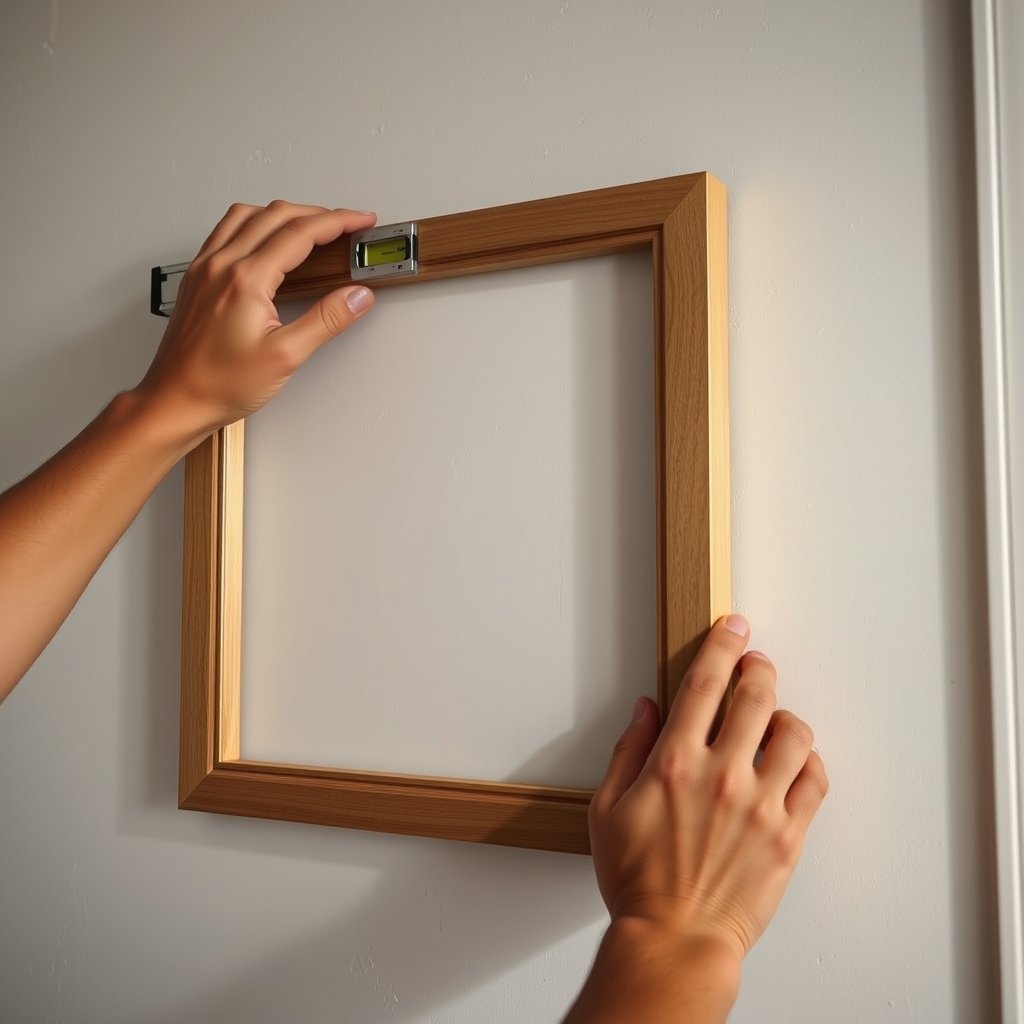
If you’re planning a kitchen overhaul, for example, read through our guide to Kitchen Remodeling for current costs, hidden fees, and essential prep steps. Don’t short-change the planning phase—invest in detailed timelines and double-check the payment structures with contractors so you retain control, not the other way around.
Avoiding DIY Disasters: Most-Reported Homeowner Complaints
DIY home fixes can be rewarding, but too often, homeowners run into roadblocks. High contractor costs push many toward DIY, even for advanced projects. According to research, 38% of homeowners tackled jobs typically reserved for professionals, like major kitchen remodels and even home additions. But many end up regretting their choices: “Three in four homeowners cite high costs as a challenge when seeking contractors, and 42% report longer-than-expected project timelines.”
(Nationwide Home Renovation Survey 2024)
Common complaints include:
- Overestimating DIY abilities – leading to mistakes, injuries, or code violations.
- Underestimating project timelines and costs.
- Difficulty sourcing reputable contractors for tasks beyond their skillset.
- Missing essential Home Renovation Tips about insurance and permits after upgrades.
Before you grab a sledgehammer, consider starting with simple DIY home improvement projects that provide value without significant risk. And if you’re going to attempt anything with wiring, plumbing, or structure, get at least one professional consultation first.
The Hidden Essentials: Advice Competitors Miss
Most home improvement blogs focus on the fun stuff: paint colors, before-and-after shots, and trendy fixtures. But the real money savers—the steps that prevent budget breakdowns and legal headaches—rarely get the spotlight. Here are the hidden essentials for every homeowner in 2026:
- Accurate Cost Estimation: Use comprehensive budget tools and line-item checklists, not ballpark estimates.
- Get references, check for valid licenses, and run background checks before signing any contract.
- Insurance Updates: After major renovations, notify your insurer. Not doing so can leave your upgrades unprotected—one of the most overlooked home repair advice points.
- Permits & Code Compliance: File required permits before starting (especially for electrical, HVAC, or plumbing). Skipping this can result in fines, forced rework, or denied insurance claims.
- Post-Renovation Safety: Conduct formal inspections to check for hidden defects. Install or Test carbon monoxide and smoke detectors post-project.
Competitor articles often skip these steps, but they’re each critical to long-term value and safety. For organized project preparation and ongoing maintenance, download our Home Maintenance Checklist.
Remodeling Ideas with the Best ROI and Joy Factor
Not all home improvement projects are created equal. To get the most bang for your buck, focus on upgrades that boost both resale value and personal enjoyment. According to the NARI Remodeling Impact Report, these projects scored highest:
- Primary Bedroom Suite Additions: Highest “joy score” (10/10) and strong cost recovery.
- Kitchen Upgrades: Also rated 10/10 for joy, with high satisfaction and functionality.
- New Steel Front Door: Delivers 100% cost recovery on average, making it the single best ROI project.
Other solid bets include closet renovations and new bathroom vanities. For inspiration on practical, high-ROI projects, explore our list of Best Home Improvement Projects this year.
If you want to improve comfort while controlling utility bills, also consider eco-upgrades like smart thermostats or an energy efficient home system.
5 Pro-Level Home Repair Tips for 2026
- Know When to Call a Pro: Complex trades like HVAC, electrical, and structural work require certifications—mistakes here can be dangerous and expensive.
- Read the Fine Print: Study every contract for payment schedules, change order clauses, and warranty details. Never pay full price upfront.
- Document Everything: Keep detailed records—photos, receipts, communications—for smoother claims or resale.
- Use Quality Tools: Invest in reliable tools rather than going cheap, especially for recurring DIY home fixes. See our power tools guide for picks.
- Schedule Routine Maintenance: Mark calendars for HVAC servicing, roof checks, and plumbing inspections annually. Preventive care is the best home repair advice you’ll ever get.
These tips reflect trends from 2024 homeowner surveys that found 38% of owners attempted pro-level projects—often realizing they were in over their heads partway through. Don’t let ambition overtake preparation. If you want to maximize your property’s function and style, see Affordable Home Upgrades for options that prioritize safety and return.
Post-Project: Maintenance and Safety Musts
Most competitor guides stop once the last tile is laid, but your work doesn’t end there. The first months after a renovation are when problems often reveal themselves. You want your improvements to last and add true value. Here’s what you should do after every project:
- Inspect and Test: Check all systems—including plumbing, electrical, and HVAC—for proper function. Address leaks or wiring faults immediately.
- Update Insurance: Inform your insurer about any upgrades or additions so they are covered in your policy. Many homeowners forget this step and regret it later.
- Register Warranties: Submit warranty cards for new appliances, fixtures, and installed systems. Track expiration dates in your digital calendar.
- Plan Follow-Up Maintenance: Set reminders for tasks like filter changes, caulking, or minor paint touch-ups.
- Focus on Safety: Test carbon monoxide and smoke detectors again post-project. If you’ve created new rooms or closed off spaces, ventilation needs can change without warning.

The most successful renovations are those where safety, compliance, and regular maintenance are baked into the process—not just tacked on as an afterthought. See our advice on Common Home Improvement Mistakes so you can learn from others’ missteps and protect your investment over time.
FAQs
What is the number one reason home improvement projects go over budget?
Unplanned expenses—such as hidden water damage, outdated wiring, or scope creep—are the leading reasons projects end up costing more than expected. Always budget for contingencies and inspect before you renovate.
Is it worth doing my own home repairs instead of hiring a contractor?
It depends on the complexity. DIY works well for cosmetic or small projects, but major work (like electrical or plumbing) should be left to qualified pros to ensure safety and code compliance.
How can I tell if a home improvement project will add value?
Focus on renovations with high cost recovery—like kitchen upgrades or a new steel front door. Projects that increase functionality and curb appeal usually offer the best return on investment.
Should I update my homeowner’s insurance after a remodel?
Yes, always update your insurance after significant upgrades. Failing to do so can leave your new features unprotected in case of disaster.
What safety checks should I do post-renovation?
Test all detectors, inspect wiring and plumbing for issues, and verify proper ventilation in remodeled areas. Schedule any recommended maintenance visits as well.
—

Thank you for publishing this excellent article. Your explanation is clear, detailed and easy to follow, making the topic much easier to understand. I truly appreciate the value you’ve shared here. I also have a website about pintu aluminium . Wishing you continued success, and I can’t wait to read your upcoming posts.