

### Blog Post:
Home Maintenance Tips can prevent thousands in surprise repair bills—but only if you use the right approach. This guide shows you the simple, truly effective steps every homeowner should take in 2026 to avoid up to 66% of costly repairs.
Key Takeaways
- Consistent seasonal home maintenance can prevent 66% of expensive home repairs.
- Simple, prioritized checklists outperform vague, overwhelming advice.
- Overlooked chores like cleaning refrigerator coils and foundation checks save serious money.
- Why Most Costly Home Repairs Are Avoidable
- The Frustration Factor—What Homeowners Hate About Current Maintenance Guides
- The Ultimate Seasonal Home Maintenance Checklist (That Really Prevents Repairs)
- The 5 Most Critical (and Overlooked) Preventative Maintenance Steps
- When to Do It Yourself vs. Call a Professional
- Preventative Home Maintenance Pays Off—Real-Life Cost-Saving Examples
- Advanced Analysis & Common Pitfalls
- Conclusion
- FAQ
Why Most Costly Home Repairs Are Avoidable
Most expensive emergency repairs aren’t random bad luck—they pile up because ongoing, preventative maintenance was skipped or forgotten. Research shows about 66% of major repair bills in YYYY could have been prevented with regular seasonal checklists and inspections. Think of routine home maintenance tips as a small investment to protect your home’s value and your peace of mind.

By staying ahead with a focused plan, you avoid the stress and cost of water leaks, appliance breakdowns, foundation shifts, and HVAC failures. Neglect is far costlier than imperfect effort—a little action each season is all it takes.
For even more practical advice on boosting your property value and efficiency, explore our home efficiency guide.
The Frustration Factor—What Homeowners Hate About Current Maintenance Guides
Ask any homeowner and you’ll hear the same complaints about most maintenance advice:
- It’s confusing and overwhelming—dozens of tasks, no obvious order.
- Schedules are unclear or impossible to remember, so chores get missed.
- Guidance stops where it matters most: how to spot tasks that need a trained expert for safety or compliance.
A recent survey found the top three homeowner frustrations with “home maintenance tips” and even the best home inspection checklist are:
- Advice is too vague or overloaded with tasks—making it hard to prioritize what really matters.
- Schedules aren’t clear, so tasks get forgotten or doubled up.
- Homeowners have no clear signals for when they should call a professional, especially for safety-critical work.
The result: 66% of Americans spend more than they should on repair emergencies that a straightforward, well-timed checklist could have prevented. If you’ve ever wondered whether you’re missing something obvious, you are not alone.
For a straightforward, memorable checklist approach, read our complete home maintenance checklist.
The Ultimate Seasonal Home Maintenance Checklist (That Really Prevents Repairs)
The secret isn’t doing everything; it’s doing the right things consistently, at the right time. Here’s a simple, actionable home inspection checklist you can actually stick to—divided by season:
Spring (March–May)
- Check gutters and downspouts—remove debris to prevent water damage.
- Inspect the roof for missing shingles or damage.
- Check windows, doors, and trim for signs of leaks.
- Fertilize and inspect lawn and garden beds; look for water pooling near foundation.
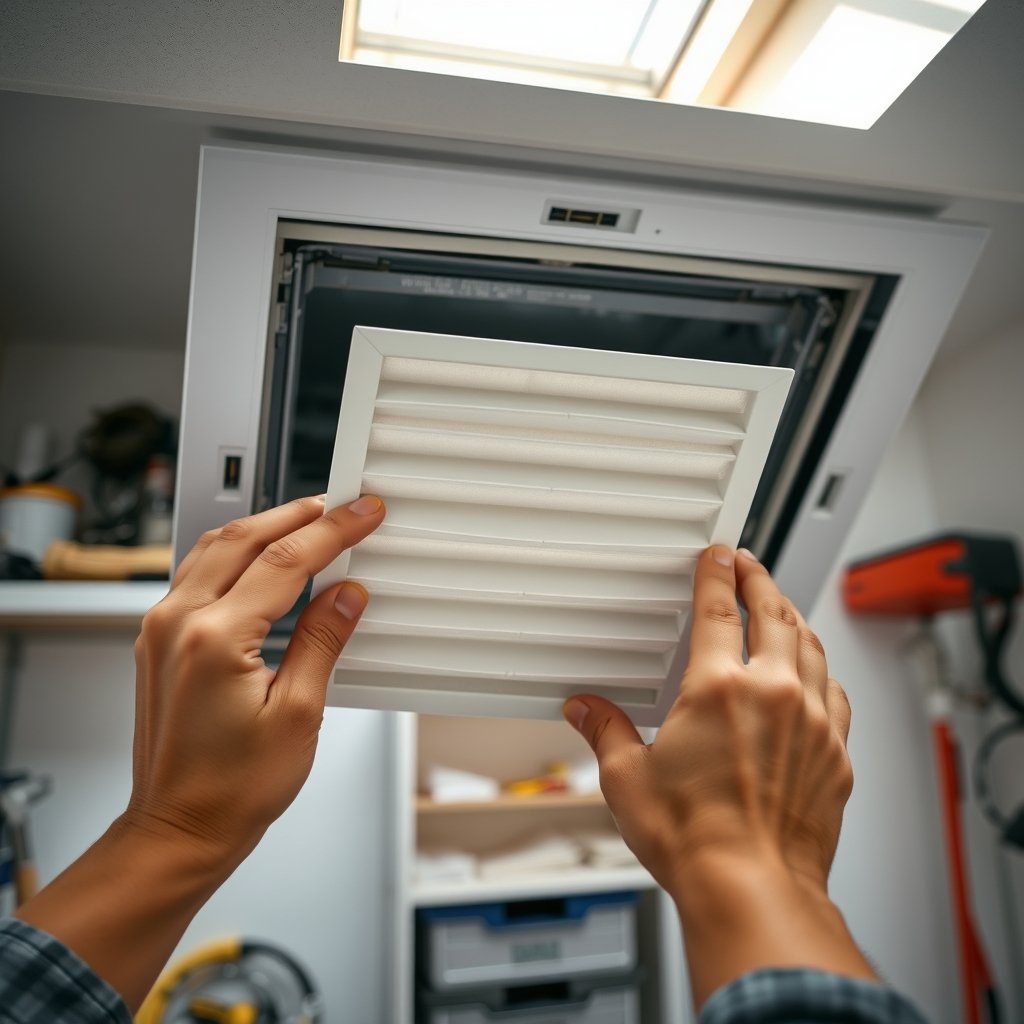
- Service or replace HVAC filters before summer use.
Summer (June–August)
- Check exposed pipes for leaks.
- Inspect exterior paint and caulk to prevent moisture intrusion.
- Clean and treat deck, patio, and outdoor furniture as needed.
- Clean refrigerator coils—major energy and repair saver.
- Trim trees and bushes away from the structure.
Fall (September–November)
- Test and check your main breaker or fuse box; confirm labels are correct.
- Schedule furnace tune-up before first use—don’t wait for cold weather.
- Clean gutters again after leaves drop.
- Seal driveway cracks and inspect for settling.
- Winterize outdoor faucets; store hoses.
Winter (December–February)
- Test smoke and carbon monoxide detectors (replace batteries).
- Check attic and basement for moisture or drafts.
- Inspect foundation for cracks or shifts after freezing weather.
- Monitor for ice dams and clear snow buildup from key areas.
- Book early pre-season pest inspection or treatment for spring.
Regular, small tasks prevent those big snowballing costs. For extra project ideas to boost safety and comfort, see our overview on home improvement ideas.
The 5 Most Critical (and Overlooked) Preventative Maintenance Steps
According to expert research, these chores are skipped in most guides—but skipping them leads directly to expensive problems:
- Clean Refrigerator Coils – Dirty coils overwork your fridge, causing breakdowns and creating a fire risk. Aim for twice a year. (source)
- Check Main Breaker or Fuse Box – Ensure breakers, labels, and GFCIs are working. Many fire or electrical issues go unnoticed.
- Inspect Foundation/Soil for Shifts – Look for cracks or pooling water; catch early signs before repairs become a major structural fix.
- Pre-Season HVAC Servicing – Servicing before hot or cold seasons dramatically reduces costly mid-season breakdowns. (source)
- Schedule Termite/Pest Inspection – Small investments here prevent serious, hidden damage.
Missing even one can turn a routine checklist into a $1,000 mistake. See more over at our common home maintenance mistakes guide.
When to Do It Yourself vs. Call a Professional
Not every task should be DIY, and ignoring this is risky. Take control by using this simple approach:
- DIY-Friendly: Filter changes, gutter cleaning (when safe), swapping batteries in detectors, easy visual inspections, caulking windows.
- Pro Required: Main system checks (electric, gas, HVAC beyond basic filter swaps), anything behind walls, crawlspace or roof repairs, pest inspection/treatment, any job involving complex tools or ladders beyond your comfort zone.
Rule of thumb: If a mistake would risk injury or an expensive error, hire a licensed pro. Many homeowners pay more later because they delayed specialist help or took safety shortcuts. Track which tasks are a must for hiring out—mark these in your checklist for the year.
For deeper insight into what you can safely tackle vs. what to outsource, review our DIY repair guide.
Preventative Home Maintenance Pays Off—Real-Life Cost-Saving Examples
Think preventative maintenance is just a bother? Here’s the hard math: Americans spend about $3,500 a year on proactive home maintenance. They avoid unpredictable multi-thousand-dollar repair bills by spotting issues early.
- Example: Cleaning refrigerator coils costs about $0 and 15 minutes, but a failed fridge could cost $1,200 to replace plus lost groceries.
- Example: A $100 annual HVAC tune-up can prevent a $5,000 mid-summer system replacement.
- Example: A $150 annual pest inspection stops termites before they do $10,000+ in hidden damage.
- Example: Cleaning gutters prevents ice dams and leaks that could otherwise ruin ceilings or walls for thousands.
It’s not about chasing perfection—just about making small, smart moves every season. For further ways to make upkeep affordable, see affordable home upgrades.
Want budgeting tips? This external resource breaks down small, highly effective steps for every homeowner.
Advanced Analysis & Common Pitfalls
The difference between saving money and facing costly emergencies often comes down to avoiding these all-too-common traps:
| Common Pitfall | Risks & Consequences | How to Avoid |
|---|---|---|
| Skipping critical, annual checks (foundation, HVAC, pests) | Structural damage, system failure, high repair bills | Mark “non-negotiable” items on your calendar/yearly planner |
| Confusing when pro help is needed | DIY mistakes, voided warranties, safety hazards | Use a clear list: only DIY what’s low-risk and within current skills |
| Missing hidden maintenance tasks | Fridge or electrical panel issues, surprise leaks/infestations | Follow a comprehensive, prioritized checklist; update as you learn |
| Forgetting or delaying seasonal jobs | Snowballing minor issues into emergencies | Set up recurring reminders—digital calendars or phone alerts |
| Not budgeting for maintenance | Stress when surprise expenses hit | Plan for $0.50–$1 per sq ft per year; reserve emergency fund |

Need organization help? Check out simple garage organization systems to keep tools and supplies accessible for maintenance tasks year-round.
Conclusion
In 2026, most homeowners can prevent up to 66% of repair emergencies—just by following consistent, prioritized Home Maintenance Tips and a manageable inspection checklist. The small effort you make each season pays off all year, protecting your investment and your peace of mind. Ready to cut stress and costs? Start setting up your seasonal plan now—and share these tips with a friend.
Want even more ways to maintain or improve your home? Don’t miss out on top home improvement products and reviews from experts.
FAQ
How often should I perform home maintenance checks?
Follow a seasonal schedule—aim for a short list four times per year. Some tasks (like smoke detectors) need monthly or quarterly checks, but most can be done with a focused season-by-season approach.
What’s the fastest way to remember my maintenance tasks?
Block out one afternoon each season (spring, summer, fall, winter). Schedule calendar reminders and keep a printed checklist in a visible spot, like your fridge or utility area.
When should I hire a professional instead of doing it myself?
Hire a pro for HVAC servicing, electrical panel issues, pest control, gas plumbing, roofing, or anything that requires permits or ladders you’re not comfortable using. Save DIY for safe, accessible tasks like filter changes or visible inspections.
What maintenance step is easiest to overlook, but most costly if skipped?
Cleaning refrigerator coils is often forgotten but can lead to major breakdowns and energy waste. Another commonly skipped step is checking the foundation for early warning signs of shifts or settling.
How much should I budget for home maintenance each year?
Set aside $0.50–$1.00 per square foot of your home per year. For a 2,000-square-foot home, that’s $1,000–$2,000 per year, which is far less than a single major repair bill.

[…] These topics are almost never mentioned in top-ranking blogs. Improve your odds and keep your home safe by following a structured home maintenance checklist and brushing up on preventative care strategies. […]