

Best Water Filters for Home solutions are no longer just about taste; in 2026, homeowners face rising concerns about water quality, recurring filter costs, and environmental impact. Choosing the right system means looking past marketing claims to find what actually works, is affordable over time, and aligns with smart technology and sustainability goals.
Key Takeaways
- Two-thirds of U.S. households now use home water filtration, with under-sink and countertop filters dominating the market.
- Top complaints include chemical taste, leaking housings, and high filter replacement costs—often overlooked in many buying guides.
- For the best long-term value, weigh contaminant removal rates, life-cycle expenses, and options for smart monitoring and sustainable disposal.
- Why Home Water Filtration Matters in 2026
- Comparing Home Water Filtration Options
- Common User Complaints and Hidden Costs
- Three Essential Considerations Most Guides Miss
- Making the Right Choice for Your Home
- FAQs on Best Water Filters for Home
Why Home Water Filtration Matters in 2026
The adoption of home water filtration has surged to record levels, with residential installations found in about two-thirds of U.S. homes. This shift is driven by increasing awareness of water quality issues—from chemical residues and aging pipes to microplastics and taste concerns. In 2026, the U.S. home water filtration market hit $6.8 billion, fueled by demand for safer, better-tasting water and affordable systems that fit modern kitchens.
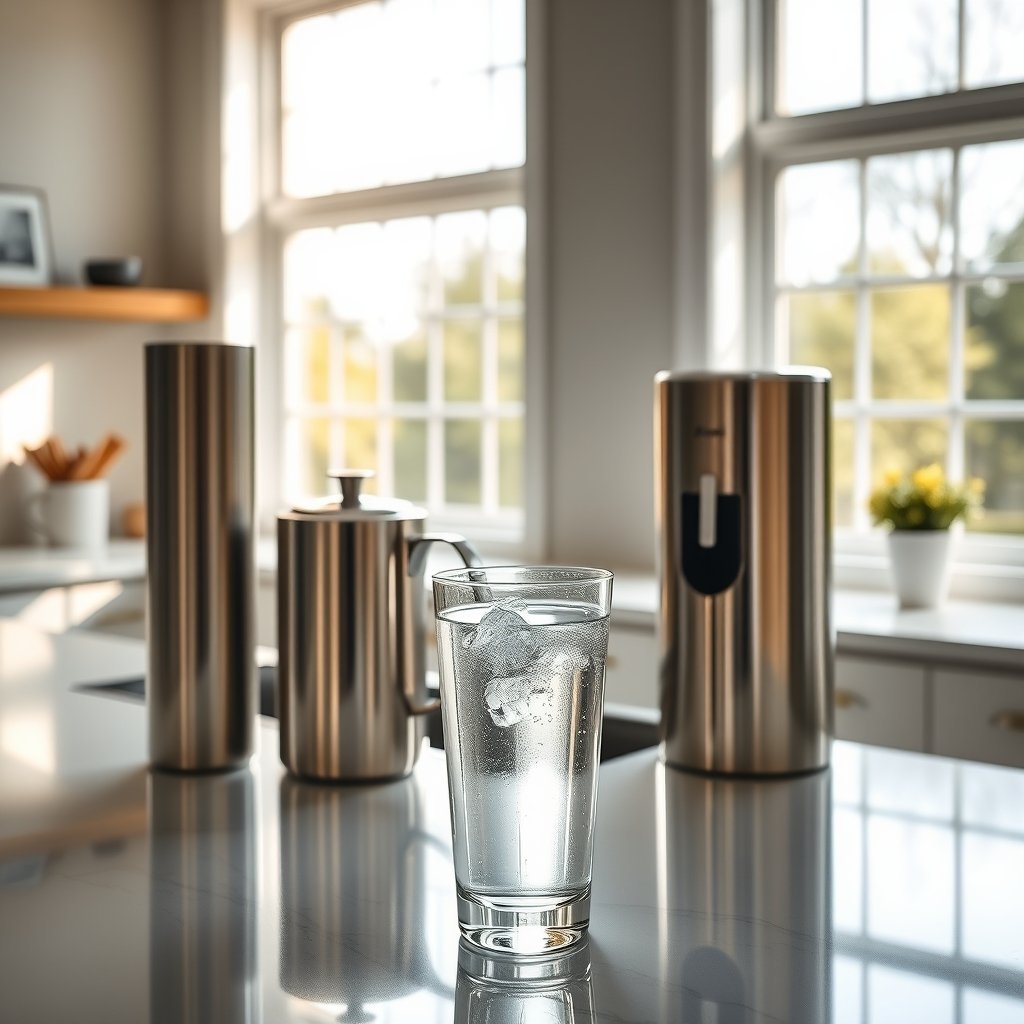
Most people now use filters not just for health, but for peace of mind and convenience. Point-of-use filters—those installed under the sink or on the countertop—lead the way, making it easy to filter water you drink and cook with, without treating water you will never use. Meanwhile, point-of-entry systems offer whole-home protection, appealing to those with pervasive water quality issues.
The best water filters for home use are about much more than removing a few chlorine molecules—they are a frontline defense against invisible but real water problems. Demand keeps rising, with market growth projected at over 5 percent per year through 2032.[1]
Comparing Home Water Filtration Options
Choosing the right drinking water systems starts with knowing the main types:
- Point-of-Use Filters: Installed under the sink or attached to faucets, these filter only the water at a single tap. They are affordable, easy to maintain, and ideal for renters or small families.
- Countertop Filters: These sit on your counter and connect directly to your faucet. They are easy to install and move, suiting both renters and homeowners on a budget.
- Point-of-Entry Filters: Often called whole-home filters, these treat all water entering your house. They are useful in areas with high levels of sediment, chlorine, or specific contaminants like iron or PFAS.
Filtration technologies include:
- Reverse Osmosis: Removes up to 99 percent of contaminants, including dissolved solids, lead, and pharmaceuticals.[5]
- Carbon Block: Excellent for chlorine, taste, odor, and many organic compounds; less effective for dissolved inorganics.
- Ultrafiltration and Mechanical Filters: Trap particles, bacteria, and some viruses, but may not handle chemical contaminants.
Most homeowners opt for under-sink filters due to their efficient contaminant removal and clean look. Advanced units now come with options for smart sensors and app-based tracking, letting you monitor filter health and water quality in real time. For a clean, integrated kitchen, consider combining a filter with hidden appliance storage—see our in-depth guide on invisible kitchen solutions.
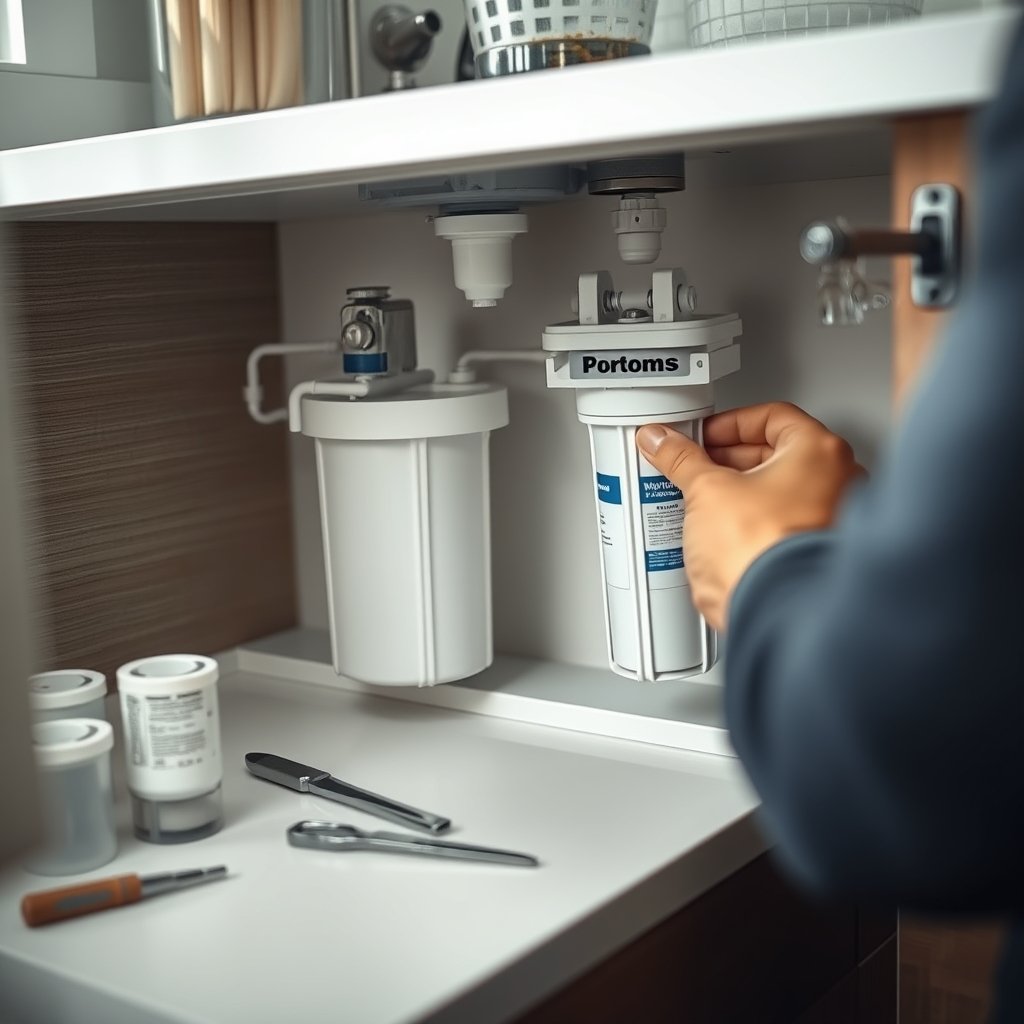
Looking for more ways to maximize storage with your filtration system? Explore pocket door cabinets or additions like a butler’s pantry for seamless organization and maintenance access.
Common User Complaints and Hidden Costs
It is easy to get swept up by high removal rates and ignore day-to-day realities. The most common complaints about under-sink filters and other drinking water systems include:
- Chemical aftertaste persists: When carbon filters are exhausted, chlorine and chemical tastes come back fast. Some filters clog quickly, reducing flavor and flow rate. Prompt cartridge replacement is essential.[8]
- Leaking housings and “creeping”: Plastic canisters can warp or crack over time—known as “housing creeping.” Leaks from these defects are a top cause of replacement or even kitchen water damage.[10]
- High recurring costs and hassle: Some filter cartridges need swapping every three to six months, with bills adding up fast. Maintenance is easy to forget, leading to decreased performance or even bacteria buildup.
- Tricky installation: Under-sink filters sometimes require custom plumbing or cause issues with tight cabinetry. Not every kitchen has the space—integrate your system thoughtfully, especially in kitchen remodels.
Expect to budget not just for the upfront cost, but for ongoing cartridge changes, possible professional installation, and potential repairs. Want to keep up your home’s broader performance? Review our home maintenance checklist to prevent small leaks from turning into big headaches.
Three Essential Considerations Most Guides Miss
Most “best water filters for home” lists skip a few crucial factors that hit your wallet and the planet:
- Total Life-Cycle Costs: This means not just upfront price, but all filter replacements, disposal fees, installation, and hidden maintenance—plus what happens to those used cartridges after you toss them. Few systems are truly “set and forget.”
- Integration with Real-Time Sensors: Smart home devices can now monitor TDS (total dissolved solids) and other contaminants in real time, alerting you when filters need swapping or if water quality dips.[6] Thoughtful integration with smart energy monitors—see our smart home energy guide—offers additional peace of mind for tech-forward households.
- Efficiency: Waste Ratios and Energy Use: Not all filtration is equally efficient. Reverse osmosis systems can waste up to four gallons for every one gallon produced, unless they include a water-saving valve. Some advanced carbon systems have near zero waste.
| Filter Type | Contaminant Removal Rate | Estimated Filter Life | Water Waste Ratio | Smart Monitoring | Upfront Cost | Typical Annual Cost | Environmental Factor |
|---|---|---|---|---|---|---|---|
| Reverse Osmosis (RO) | Up to 99% | 6–12 months | 3–4:1 (waste:filtered)* | Available on newer models | Moderate–High | High (cartridge and water cost) | Wastewater, plastic cartridge disposal |
| Carbon Block | Top for chlorine/taste | 3–6 months | Near zero | Limited | Low–Moderate | Low–Moderate | Less waste, but plastic still an issue |
| Ultrafiltration | Good for bacteria/particulates | 6–12 months | Low | Emerging | Moderate | Moderate | Cartridge disposal, moderate waste |
*Some newer RO systems include “zero waste” pumps.
If environmental impact concerns you, also read our eco-friendly landscape guide to improve the full sustainability profile of your home.

Making the Right Choice for Your Home
There’s no universal “best water filter for home.” Instead, match your needs and habits to the system, looking at:
- Household Size & Usage: Larger families or homes with heavy water use may benefit from point-of-entry filters. Small households and renters may do best with under-sink or even pitcher systems.
- Local Water Quality: If your area has specific problems (like PFAS, lead, or high mineral content), get your water tested. Choose a certified system with proven removal for those contaminants.
- Desired Features: Want app alerts when it’s time to change filters? Prefer to track every detail with TDS sensors? Look for models with these features—or plan to add a compatible smart device. See our smart home devices guide for compatible gear.
- Maintenance Ability: Are you handy with quick disconnect fittings, or will you defer to a plumber? Consider filter accessibility and ease of cartridge changes.
In practical terms: install a point-of-use filter if you only care about drinking water and cooking needs. For entire home coverage, invest in a point-of-entry system. The CDC offers a detailed buyer’s breakdown here.[7]
If upgrading your kitchen soon, think about where the filter will go and how it will affect space—see our coverage of kitchen remodeling tips for integration inspiration. You may even want to coordinate your water filter with other air and water quality upgrades for an all-around healthier home.
FAQs on Best Water Filters for Home
How often should I change my under-sink filter cartridges?
Most carbon or multi-stage under-sink filters need replacement every 3–6 months, or as indicated by the manufacturer. Smart sensors can help track usage and alert you ahead of time.
Are smart monitoring features worth it?
For households prioritizing convenience and water quality, filtration systems with TDS and leak sensors provide peace of mind and prevent expensive surprises. They also simplify maintenance tracking if you tend to forget filter changes.
What should I look for to reduce total lifetime costs?
Check annual filter replacement fees, warranty coverage, water waste rates (especially for RO systems), and options for cartridge recycling. A low upfront price can mask high recurring costs over 3–5 years.
Is installation difficult for under-sink filters?
Many models offer DIY quick-connect fittings. However, some kitchens require custom plumbing or have limited access. Always read installation guides before purchase, and consider hiring a pro for complex setups.
How is the market for home water filtration evolving?
Demand for home filtration is growing about 3.7 percent each year, with more homeowners seeking advanced contaminant removal, smart monitoring, and sustainable designs that reduce ongoing waste and costs.
Conclusion
Finding the best water filters for home means thinking beyond what’s cheapest or most heavily marketed. Factor in your water quality challenges, filter maintenance schedule, real operating costs, and whether you want smart monitoring or eco-friendly features. Take action today: get your water tested, review this guide, and invest in a filter system that protects your family’s health and makes financial sense for years to come.