

Best Tool Set for Homeowners is a search every new and seasoned homeowner will make, but most “top lists” skip over crucial frustrations—like weak wrenches, tricky warranties, or key tools missing right when you need them. In YYYY, what actually makes a tool kit great isn’t just a longer parts list. It’s about performance, reliability, and whether you’ll be left stranded with a stripped screw or a broken handle when it matters most. This guide gives you the data and real-life insights you need to choose smart—and avoid costly tool kit mistakes.
Key Takeaways
- Not all tool sets are equal—cheap kits often use soft, low-grade steel and leave out must-have tools like adjustable wrenches or complete socket ranges.
- A good home tool kit balances value, durability, essential pieces, and an easy-to-claim warranty—not just a big number on the box.
- Look for kits with clear material specs, practical storage, ergonomic grips, and a straightforward process for adding future specialty tools.
- What Makes the Best Tool Set for Homeowners in YYYY?
- The Issues Homeowners Face with Popular Tool Sets
- Comparing Costs, Features, and Warranties—Is a Good Kit Worth It?
- What the Top 'Best Tool Set' Guides Miss (Critical Buyer Questions Answered)
- Must-Haves and Smart Add-Ons: Building the Ultimate Home Tool Kit
- Final Buying Checklist: How to Choose the Right Tool Set for Your Home
- FAQ
What Makes the Best Tool Set for Homeowners in YYYY?
The modern homeowner’s needs have changed in YYYY. The best tool set for homeowners now centers on real-world effectiveness, reliable components, and smart, future-proof features. The old approach—just buying the biggest tool kit you can afford—won’t cut it. Instead, you want a household tool set that pairs quality steel, ergonomic design, and a realistic assortment of essentials (not 47 random screwdriver bits you’ll never use). As DIY projects and home repairs get more complex, a kit with genuine must-haves, like a full socket set or rugged pliers, can mean the difference between finishing a job and calling for backup.
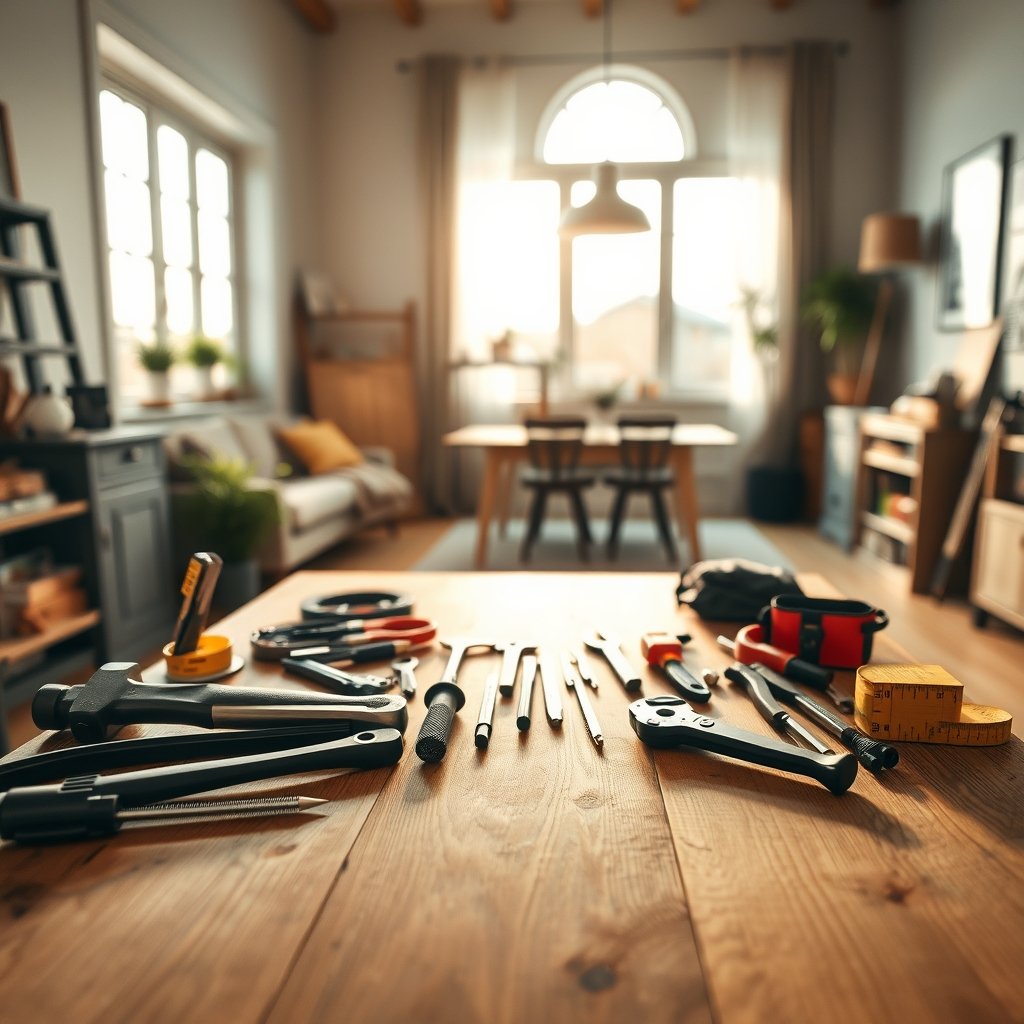
Currently, best-selling hand-tool kits in the U.S. go for about $20 to $35 for 40 to 150-piece sets. Options like the Amazon Basics 104-piece for $34 and the URASISTO 40-piece for $16 pack in a lot, but the real value depends on what you get—and what’s left out. Top picks mix core hand tools, basic power accessories, rust-resistant metals, and storage that keeps everything accessible, not jammed in a plastic tray.
If you want to go deeper on must-have homeowner tools, check out this detailed toolkit guide or see what makes high-performing tools stand out in modern DIY.
The Issues Homeowners Face with Popular Tool Sets
Most homeowners discover the hard way that not all home tool kits are built for real home repairs. Here are the most common traps and frustrations buyers face:
- Tools that bend or break: Budget kits often use soft, low-grade steel that can’t stand up to tough torque or even daily use. A weak pair of pliers or a screwdriver that strips easily is useless in a pinch.
- Omitted essentials: Many DIY tool kits skip key pieces—especially adjustable wrenches, deeper socket sizes, or truly durable screwdrivers—leading to the classic “missing essentials” headache mid-project.
- Confusing durability claims: Marketing may say “high strength” or “chrome finish,” but unless the steel is marked as Cr-V (chrome vanadium) or an equally robust alloy, it might dull or rust quickly.
- Warranty traps: Cheap imports usually come with 90-day or “no return” policies. Even kits listed with lifetime warranties (like DeWalt, Husky, Kobalt) may involve cumbersome claim processes or shipping tools off for weeks.
- Poor organization: A crowded or flimsy case means you’ll waste time hunting for tools, lose track of pieces, or accidentally damage parts during storage.
Most buyers expect one kit to support every home fix, but unless you read the full parts list and material specs, you could wind up short-handed—or double-buying.
For more ideas on practical home upgrades and tools that actually last, see our guide to top-rated home improvement products and get actionable home improvement ideas that boost value and function.
Comparing Costs, Features, and Warranties—Is a Good Kit Worth It?
Not all tool kits are created equal, and a bigger set isn’t always a better set. Here’s how prices, part counts, build quality, and warranties break down across the market this year:
| Brand / Set | Piece Count | Material | Case Type | Typical Price | Warranty |
|---|---|---|---|---|---|
| URASISTO 40-piece | 40 | Basic steel (unlisted alloy) | Hard plastic | $16 | 90 days |
| Amazon Basics 104-piece | 104 | Chrome Vanadium | Reinforced plastic | $34 | One year |
| SOLUDE 148-piece | 148 | Alloy steel | Plastic case | $33 | One year |
| Kobalt 267-piece | 267 | Chrome Vanadium Steel | Heavy-duty case with tray | $70 | Lifetime (store exchange) |
| DeWalt 142-piece | 142 | Chrome Vanadium Steel, anti-rust coated | Metal latch/polymer case | $120 | Lifetime (mail-in) |
Key differences include the quality of alloy (look for Cr-V or similar), case durability, tool size range, and whether the warranty is actually easy to use. Amazon and budget kits might suffice for the occasional picture-hanger or fixing a chair, but for jobs like assembling furniture, adjusting plumbing, or tackling minor electrical work, the steel and design of mid-tier or premium kits can be worth the extra dollars.
Warranty is a big gray area. Even “lifetime” promises can mean weeks without your tool, especially if you have to mail it away. Before you buy, check reviews and see if stores offer in-person exchanges. For mid-level buyers, brands like Kobalt and Husky usually have the smoothest warranty process—sometimes even swapping tools on the spot at big box retailers (full review here).
What the Top ‘Best Tool Set’ Guides Miss (Critical Buyer Questions Answered)
Most “best tool set for homeowners” lists skip a pile of real-life questions that only show up after your first project or two:
- How do the tools hold up under stress? If you ever try to loosen a rusted bolt, low-grade steel will twist or snap. Look for steel marked with Cr-V (or above) and hard plastic or rubberized handles rated for impact.
- Real vs. claimed rust resistance: A chrome look can hide cheap metal. Seek actual rust-resistance ratings, especially if storing kits in a humid basement or garage.
- Battery and accessory compatibility: If your kit includes a cordless drill, is the battery a standard platform you can later expand with other branded tools—or is it a “one-off” you can never replace?
- Ergonomics and comfort: Mis-sized grips or sharp-edged handles can cause blisters fast. Test in-store when possible or look for kits with rubber molded grips for long jobs.
- Sustainability: Some new tool kits use recycled plastics, sustainably sourced metals, or have recycle-friendly packaging. If this matters to you, check the product page for details.
- Expandability: Can you add on specialty sockets, driver bits, extension bars, or even smart home accessories? Consider your upgrades in the next few years—choose a platform, not just a kit.
For an even deeper dive into cost breakdowns and why some kits ride the fine line between DIY and pro, see these tool market trends and feature evolutions.
Must-Haves and Smart Add-Ons: Building the Ultimate Home Tool Kit
Every solid home tool kit needs a foundation of essentials, but savvy buyers also consider smart add-ons that save time, hassle, and repeat purchases.
- Absolute must-haves: Hammer, tape measure, utility knife, a full set of screwdrivers (standard and Phillips), pliers (needle-nose and slip-joint), adjustable wrench, level, bit set, hex key set, complete sockets (not just a few sizes), and an electrical tester.
- Included power tools: While many basic kits skip a drill, investing in a kit that bundles a reliable cordless drill/driver opens up furniture assembly, DIY repairs, and emergency fixes. (See 2024’s best power tools for homeowners for top-rated picks.)
- Nice-to-have add-ons: Utility scissors, small pry bar, stud finder, adjustable ratchet, socket adapters for power drivers, and extra measuring tools pay for themselves over time.
- Expandable storage: Drawer-case designs or cases with labeled slots help you keep track of pieces and expand sets with specialty tools as your skills grow. See our garage organization ideas for long-term storage solutions.
Critical tools often missing from budget kits: full-range sockets (not just the basics), a real variety of driver bits (not dozens of duplicates), and—most frustratingly—an adjustable wrench that won’t slip or round-off bolts.
If you’re a beginner, see our DIY home improvement guide for simple starter projects that will instantly reveal whether your new kit covers the basics or if you’ll need to supplement.

Final Buying Checklist: How to Choose the Right Tool Set for Your Home
When you’re ready to invest in a home tool kit, use this condensed step-by-step checklist for confident, regret-proof buying:
- Check Tool Material: Verify that all key tools are listed as chrome vanadium (Cr-V) or equivalent. Avoid kits with “alloy steel” listed but no grade.
- Read the Complete Contents List: Does the kit include a full set of screwdrivers, an adjustable wrench, complete socket range, and pliers? If not, plan to buy add-ons.
- Inspect Storage Case Quality: Look for latches that won’t break and trays that actually keep tools in place when carried upright.
- Test Ergonomics: If buying in person, handle the tools. Check grip size and comfort, especially for screwdrivers and pliers.
- Review Warranty Terms and Claim Process: Read the warranty. “Lifetime” only matters if the replacement process is simple—prefer brands with in-store exchanges.
- Plan for Expansion: If you anticipate future projects (plumbing, electronics, larger builds), consider how you’ll add to the kit. Choose brands with widely available add-ons and accessories.
Warranty claims—even lifetime—can be cumbersome; always weigh coverage against actual ease of replacement, not just the “lifetime” label. And remember: the best tool set for homeowners is the one that you can rely on when it really counts, not just the one with the biggest piece count.
For a practical seasonal list of upgrades and care tips once your kit arrives, see our home maintenance checklist and beginner-friendly repair projects.
Conclusion
Selecting the best tool set for homeowners in YYYY is about more than scanning a parts list. Focus on durable materials, a kit assembled for real-world household projects, a simple warranty, and the ability to expand as your home and needs grow. Avoid the pitfalls of cheap tools and make sure every screw, bolt, and emergency repair is covered—your future self will thank you.
Ready to upgrade? Invest in a thoughtful home tool kit today and start your next project with confidence.
FAQ
What should every home tool kit absolutely include?
Every kit should have at minimum: a hammer, assorted screwdrivers (Philips and standard), pliers, an adjustable wrench, a complete socket set, a tape measure, utility knife, level, and electrical tester.
Are large, high-piece-count kits always better for homeowners?
No. More pieces often means lots of filler bits or tools you’ll rarely use. Focus on kits where each item is practical and durable rather than sheer piece count.
How important is the warranty on a home tool kit?
Warranties matter—but only if you can claim them easily. A lifetime warranty with in-store swaps is ideal. Many budget kits have short or virtually useless coverage.
How can I check the quality of a tool kit before buying?
Look for Cr-V (chrome vanadium) markings, solid case latches, and tested ergonomic grips. If shopping in-store, a quick magnet test reveals poor-quality alloys.
Can I expand my kit later if I start with a basic set?
Yes, but check that your chosen brand offers compatible add-ons and storage. Kits from well-known brands are usually easier to expand and accessorize.