
### Blog Post:
Home Security Checklist is more important than ever in YYYY. Whether you live in a quiet suburb or a busy city, burglars are always adapting—and your best defense is a modern, evidence-based approach that covers both old and new threats.
Key Takeaways
- The national residential burglary rate reached historic lows, but common homeowner mistakes and new digital threats keep risks real.
- Most basic checklists ignore modern vulnerabilities—especially network security, advanced automation, and critical hardware reinforcement.
- An actionable, updated Home Security Checklist should blend physical, digital, and behavioral tactics for real protection.
- Why a YYYY Home Security Checklist Still Matters
- The Essential Home Security Checklist for YYYY
- The Biggest Homeowner Mistakes: What Most Home Protection Checklists Miss
- Conclusion: Take Control of Your Home Security
- FAQs About Home Security Checklist
Why a YYYY Home Security Checklist Still Matters
While US burglary rates have dropped 69% since 2005, burglary and property crime are not going away. In YYYY, there were over 779,000 burglaries nationwide—residential homes made up more than half. Today’s criminals use smarter tactics and go for easy opportunities: 34% use the front door, 23% first-floor windows, 22% back doors. Old-school deterrents like a dog or a visible camera aren’t enough. Criminals sidestep outdated systems and look for homes with digital gaps, weak locks, or patterns like scheduled lighting. That’s why an up-to-date home safety checklist—one accounting for real data and new tech—is your foundation against break-ins and peace of mind for your family.
The Essential Home Security Checklist for YYYY
This step-by-step home security checklist empowers you to secure your home from multiple angles—physical, digital, and behavioral. Use this guide to protect what matters most.
Exterior Perimeter & Entry Points
- Check all doors: Upgrade to solid core or metal, install deadbolts (preferably Grade 1), and reinforce frames with heavy-duty strike plates.
- Replace or reinforce door hinges with tamper-proof screws and install peepholes or wide-angle viewers.
- Install smart locks for keyless, trackable entry—and use temporary passcodes for guests or service providers instead of hiding a spare key. Learn more about best smart locks.
- Test and secure all ground-floor and accessible windows with window locks, security film, or reinforced glass.
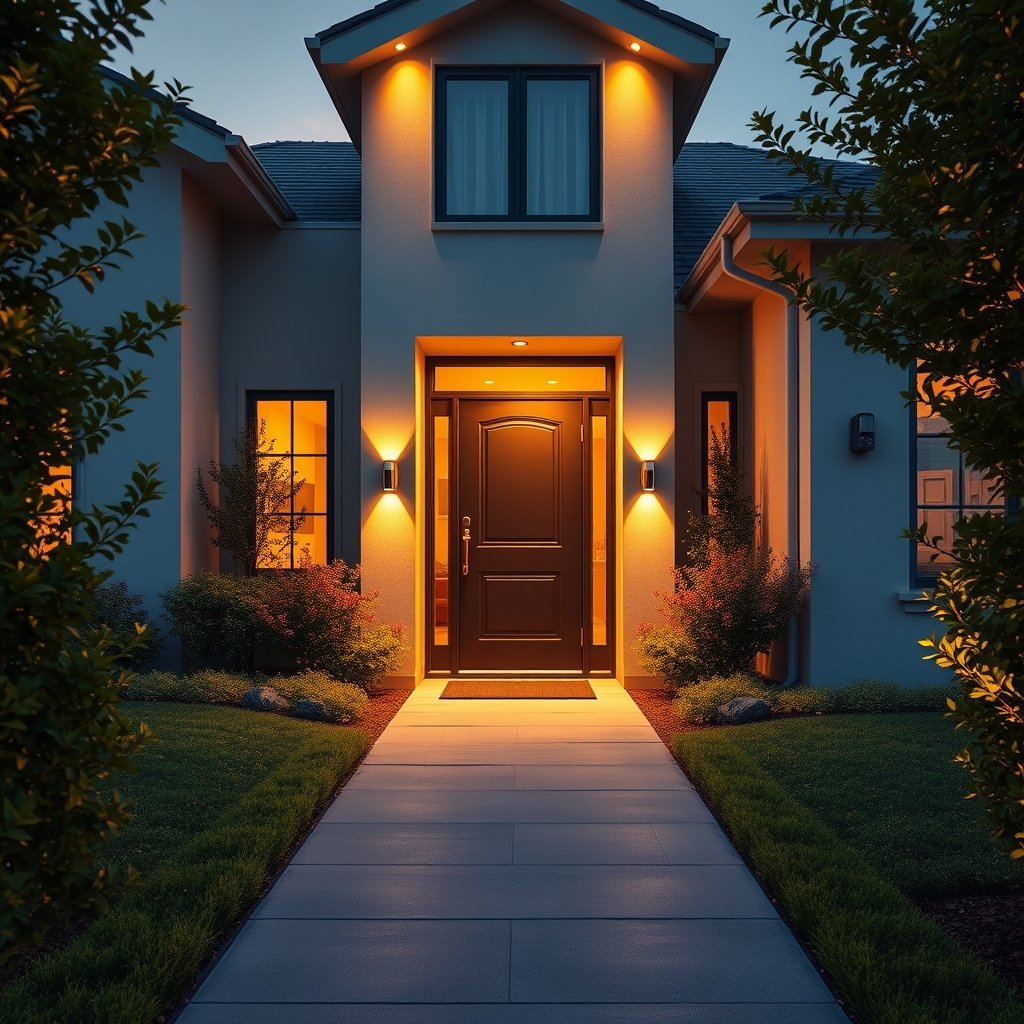
- Illuminate exterior paths with motion-activated lighting. Cover all sides—crucial for deterring attempts at night.
- Secure garage doors (especially connections between your garage and house). Always lock interior garage entry doors. Explore our garage organization tips for more ideas.
Physical Deterrents & Visibility
- Trim shrubs and trees near windows and doors to remove hiding spots while maintaining privacy.
- Use anti-climb fencing and keep front and back yards visible from the street.
- Store bikes, grills, and expensive tools out of sight or in locked sheds or garages.
Alarm Systems & Cameras
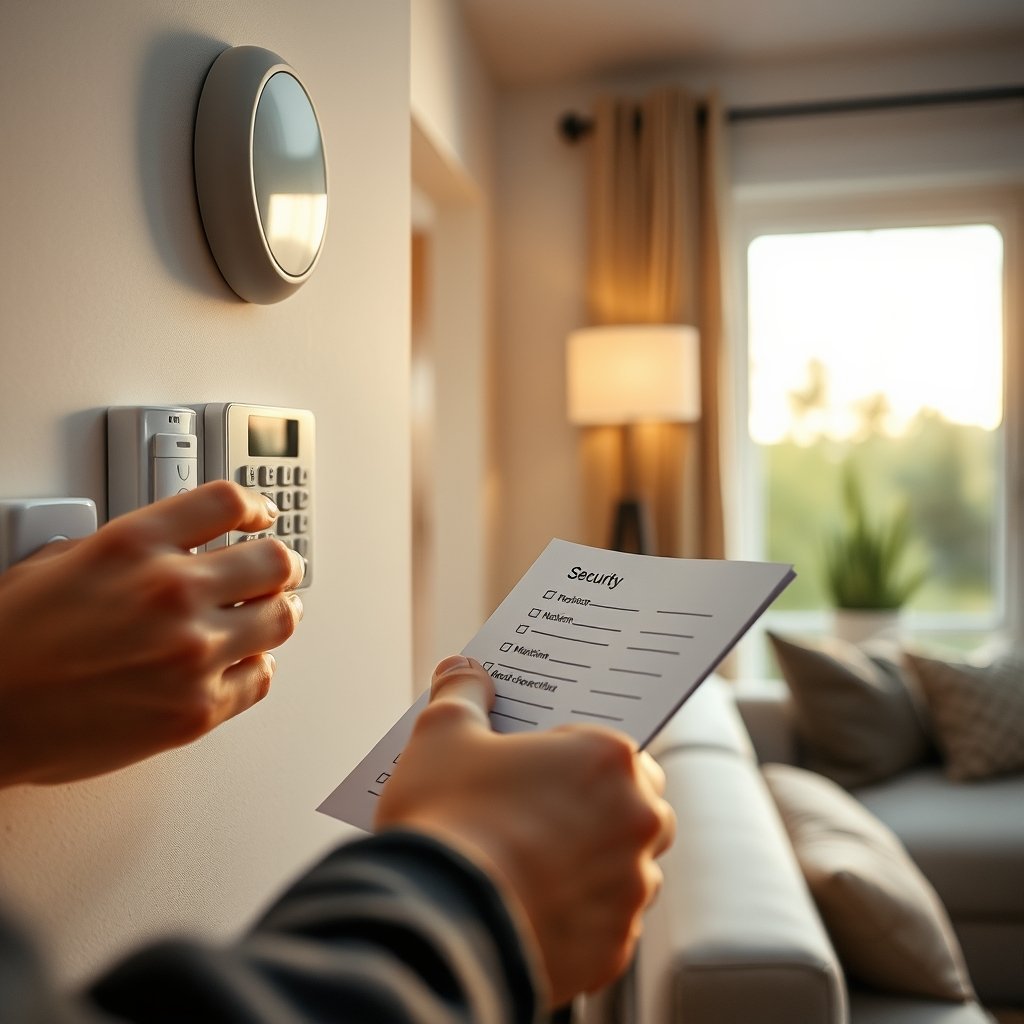
- Install a monitored alarm system with cellular backup—avoid systems relying only on Wi-Fi or landlines.
- Position security cameras at entryways, driveway, and main paths. Use video doorbells for package theft deterrence.
- Test alarm and camera batteries monthly. Upgrade firmware regularly to prevent hacks.
Smart Home Automation & Occupancy Simulation
- Program lights, audio, and electronics to randomize schedules, simulating real occupancy—don’t just use basic timers.
- Integrate automated blinds and TV/radio for added realism, especially when traveling.
- Discover more options in our guide to smart home devices.
Wi-Fi & Digital Security
- Change router and IoT device passwords—never use factory defaults.
- Set up a separate network or guest network for all smart home devices.
- Enable two-factor authentication on smart locks and cameras.
- Update device firmware regularly. Consider network segmentation for extra protection.
Daily Habits & Behavioral Security
- Lock all doors and windows—even when you’re home.
- Never leave valuables (laptops, jewelry, keys) near windows or visible from outside.
- Don’t advertise trips on social media while away.
- Periodically review (quarterly) your home maintenance checklist and update devices as needed.
Upgrade Priority Table: Where to Start for the Biggest Impact
| Area | Upgrade | Estimated Cost | Deterrent Value | Common Mistake |
|---|---|---|---|---|
| Front/Back Doors | Solid core, Grade 1 deadbolt, strike plate | $150–$350 | Very High | Weak lock, frame, or left unlocked |
| Windows | Security film, window pins | $25–$120 per window | High | Original locks only, left unsecured |
| Garage Entry | Smart lock, alarm sensor | $80–$250 | Medium | Unlocked inner door |
| Perimeter & Landscaping | Lighting & trim, fencing, camera | $200–$900 | High | Overgrown shrubs, dark paths |
| Wi-Fi & Smart Devices | Network segmentation, strong passwords | $0–$80 (DIY) | Critical | Weak or default credentials, no segmentation |
Annual and Seasonal Security Tasks
- Replace batteries in alarms and smart devices every 6–12 months.
- Review and upgrade firmware twice a year.
- Check locks, frames, weatherstripping, and landscaping at least seasonally (use our seasonal maintenance checklist).
The Biggest Homeowner Mistakes: What Most Home Protection Checklists Miss
Even the most attentive homeowners fall into predictable traps—sometimes because outdated checklists overlook the latest criminal tricks. Here are the most common mistakes, what they cost you, and what to do instead.
Most Overlooked Risks and Pitfalls
- Leaving doors or windows unlocked: Over 25% of Americans admit to it. Most burglars just walk in.
- Using spring-latch locks: These are quick to pick—always use deadbolts.
- Hiding spare keys outside: Criminals routinely check doormats, planters, or fake rocks.
- Neglecting garage doors and interior access: The garage is often the weakest link, especially if it’s attached—and can also make your tools and bikes easy targets (ADT data).
- Exposing valuables near windows: Laptops, jewelry, and car keys are frequently grabbed in seconds.
- Not trimming landscaping: Overgrown bushes give intruders cover near your entry points.
- Failing to secure digital entry points: Few realize that hackers target smart locks and cameras too.
What Most “Home Protection Checklist” Guides Miss
Competitor checklists over-focus on camera placement and basic alarms but skip:
- Network security for IoT devices: Smart devices, especially cameras and locks, are only safe if your Wi-Fi is protected with strong passwords, firmware updates, and segmentation.
- Realistic occupancy simulation: Instead of fixed-timer lights, randomized automation makes your home look lived in during trips—today’s burglars see through patterns.
- Reinforcing physical perimeters: It’s not enough to “have a fence.” Use anti-climb designs and reinforce door frames so that forced entry is truly difficult.
These advanced measures close gaps that older checklists ignore. Meanwhile, 54% of Americans believe property crime is possible for them—don’t let basic mistakes make your home a target.
Table: Overlooked Upgrades by Typical Home Security Guides
| Measure | Standard Checklist? | Should You Upgrade? | Why It Matters |
|---|---|---|---|
| Reinforced Strike Plates/Door Frames | No | Yes | Prevents forced entry, even with basic tools |
| Randomized Smart Automation | Seldom | Yes | Makes your home look unpredictably occupied |
| IoT Network Segmentation | No | Yes | Blocks access to smart locks/cameras via hacked Wi-Fi |
| Anti-Climb Fencing | Rarely | Yes | Slows down intruders, increases detection risk |
| Lock Boxes Over Hidden Spare Keys | Almost Never | Yes | Prevents easy access for burglars familiar with key “hiding” spots |
Still unsure where to start? Combine this checklist with a comprehensive home maintenance plan. For DIYers, review our guide to avoiding common home improvement mistakes so security upgrades are installed correctly and last.
Conclusion: Take Control of Your Home Security
The most effective Home Security Checklist in YYYY blends smart habits, physical upgrades, and digital precautions. Don’t trust your safety to outdated advice or one-size-fits-all solutions. Walk through your home this week, fix the simple oversights, and prioritize high-impact upgrades. The peace of mind is worth every step. Ready to take action? Download this checklist, audit your home, and revisit annually as threats and tech evolve.
FAQs About Home Security Checklist
How often should I update my home security checklist?
Review your home security checklist every 12 months—earlier if you’ve renovated, added smart devices, or noticed crime pattern changes locally. Modern threats and tech move fast.
Can smart home devices really improve security or do they add new risks?
Smart locks, cameras, and alarms make home security more robust, but only if you secure your Wi-Fi and update device firmware. Leaving them on default passwords creates new vulnerabilities.
Should I hire a professional or DIY my home security upgrades?
It depends on your comfort level. Installing deadbolts, film, and basic cameras is DIY-friendly. For full systems, advanced smart tech, or when reinforcing frames, a pro is wise.
Is landscaping really that important for security?
Yes—burglars target homes with easy hiding spots near entrances and dark corners. Trim shrubs, clear sightlines, and consider anti-climb planting or fencing.
What’s the single most overlooked home security risk?
Failing to lock doors and windows—even for five minutes. Most break-ins use an unlocked entry. Assign someone to double-check every time you leave.
—