

Spring Home Maintenance Checklist isn’t just another seasonal chore—it’s the single smartest way to avoid shock repair bills and insurance claim nightmares this year. Miss just a few common tasks, and you risk turning minor maintenance into costly, sometimes denied, claims no company wants to pay. Here’s what most guides won’t tell you—plus, exactly how to outsmart hidden hazards before they empty your wallet.
Key Takeaways
- Neglecting spring home maintenance leads to nearly 30% of claim filings, with water damage and fire hazards ranking highest among preventable losses.
- The most frequently missed, high-risk checklist items are cleaning dryer vents, testing detector batteries, and checking foundation drainage—overlooked in top guides but critical for insurance approval.
- Insurance may deny or reduce claim payouts if damage results from missed routine upkeep, not sudden accidents.
- Why Spring Home Maintenance Matters More in 2026
- What Homeowners Most Often Miss in Spring Maintenance
- The 2026 Ultimate Spring Home Maintenance Checklist
- Spring Home Maintenance and Home Insurance—What You Need to Know
- Pro Tips to Tackle the Most Overlooked Tasks
- Downloadable Spring Home Maintenance Checklist (with Insurance Red Flags)
Why Spring Home Maintenance Matters More in 2026
Spring home maintenance is more than spring cleaning—it’s the frontline protection that keeps homeowners out of repair debt and fights denied insurance claims. According to recent insurance data, about 30% of homeowner claims in the United States stem from missed maintenance, not sudden events. Water damage from clogged gutters has been the largest culprit, making up more than 12% of all home insurance claims this year alone. Improving your home inspection habits each spring can prevent denial of claims for gradual damage or preventable hazards.

Insurance companies in 2026 are scrutinizing maintenance records more closely than ever. If a claim involves water damage, fires, or structure failure, adjusters look for proof that seasonal maintenance wasn’t skipped. In many cases, even standard coverage may not pay out if neglect is found. Proper, timely home inspection each spring isn’t optional if you want a smooth claims process.
What Homeowners Most Often Miss in Spring Maintenance
Research and national surveys confirm busy Americans regularly skip tasks that matter most. The latest maintenance statistics reveal that 43% never clean their dishwasher’s drain or filter, over 40% admit to skipping deep cleaning of both carpets and baseboards, while gutters remain the most commonly neglected, yet costly, oversight.
Most homeowners tackle the “visible” chores like window washing and porch sweeping but ignore high-risk items that insurance adjusters look for. Critical items like dryer vent cleaning or foundation drainage reviews are routinely omitted—even in many online checklists. Each of these missed tasks maps directly to expensive claims or even safety hazards.
Some additional overlooked items include:
- Inspecting behind major appliances for slow leaks (dishwashers, washing machines)
- Checking and sealing visible cracks around windows and doors
- Verifying sump pump function and backup power sources
- Cleaning sediment build-up from water heater tanks
If you want a home that’s both safe and insurable, your Spring Home Maintenance Checklist should focus on these “missed but mighty” items before tackling the cosmetic stuff.
The 2026 Ultimate Spring Home Maintenance Checklist
Below is the 2026 Spring Home Maintenance Checklist drawn from research, insurance insights, and real homeowner frustrations. High-risk, high-frequency items most overlooked are specially flagged.
- [HIGH RISK, MOST MISSED] Clean and inspect dryer vent (prevents lint fires and insurance headaches)
- [HIGH RISK, MOST MISSED] Test and replace batteries in carbon monoxide and smoke detectors (insurers can deny claims if detectors are non-functional)
- [HIGH RISK, MOST MISSED] Assess and repair foundation drainage and soil grading, ensuring water drains away from your house (water claims frequently denied if neglect found)
- Clear gutters and downspouts of leaves and debris—target all corners and joints, not just above entryways
- Check roof for missing shingles, soft spots, or cracked flashing
- Inspect attic for water stains, mold, or animal signs
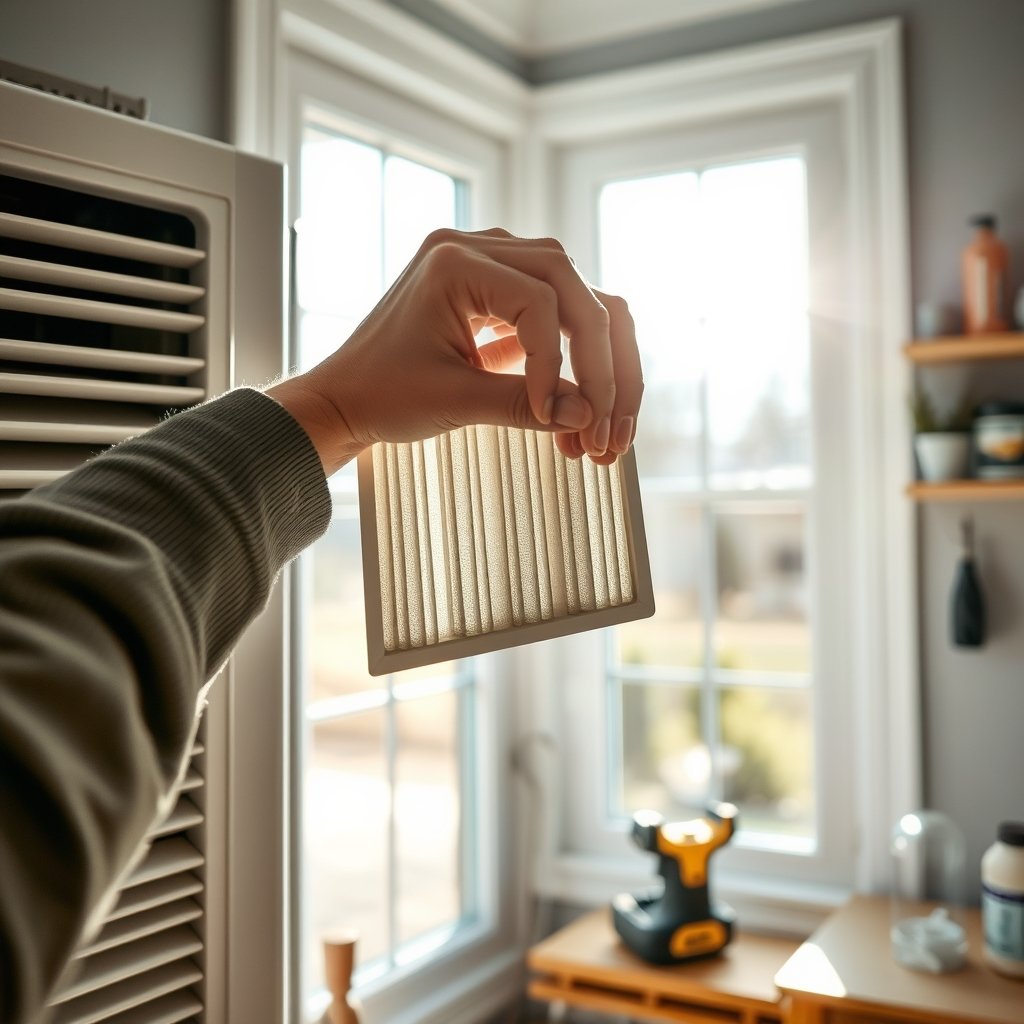
- Change HVAC filters and schedule a system checkup
- Test all GFCI electrical outlets
- Clean behind and beneath kitchen and laundry appliances for leaks or pests
- Flush and check sump pump—pour water to simulate heavy rain
- Check caulking and weatherstripping on doors and windows
- Pressure wash siding and inspect paint or siding for cracks or bubbles
- Deep clean carpets and baseboards
- Clean dishwasher filter/drain
- Flush water heater to reduce sediment and extend lifespan
- Inspect exterior hoses, spigots, and sprinklers for leaks
- Prune back shrubs to keep vegetation from touching siding or roof
- Test outdoor lighting and security cameras for function and corrosion
For tasks that feel overwhelming, local hardware stores or service providers can offer inspections or maintenance packages. Many innovative homeowners even use smart home devices for early detection of water leaks and HVAC issues—try a smart energy monitor or leak sensor for added peace of mind.
See a detailed maintenance tips guide or explore more affordable upgrades in the affordable home upgrades roundup.
Remember, insurance adjusters increasingly ask for maintenance logs. Snap before-and-after photos as you complete each item on your Spring Home Maintenance Checklist—these may become vital if you need to file a claim in the future.
Spring Home Maintenance and Home Insurance—What You Need to Know
Proper spring home maintenance is now inseparable from a smooth insurance claims experience. Home inspection data shows denied claims currently affect about 5–6% of U.S. homeowners, but for water damage specifically, denial rates approach 10%. That’s because many water-related disasters (like slow leaks or gutter overflow) are found to be “preventable” through regular maintenance.
Nearly all homeowner policies include language excluding payouts for losses due to neglect. If you can’t demonstrate you’ve performed key maintenance—especially cleaning dryer vents, checking detectors, and keeping water away from your foundation—insurers may reduce or flat-out refuse to cover your loss. This applies even when you’re not at fault for the initiating event.
If you ever need to file a claim, documentation is everything. Consider using a digital maintenance log (even a simple cloud-based checklist) to ensure you never get caught unprepared.
Want a smoother, cheaper insurance renewal? Many insurers now reward well-documented spring cleaning and home inspection routines with lower premiums—and are starting to deny claims for lack of upkeep evidence. Protect your home and your policy by making the Spring Home Maintenance Checklist a yearly ritual.
Pro Tips to Tackle the Most Overlooked Tasks
Based on hundreds of homeowner reviews and survey responses, here are proven strategies for dealing with the hardest or most overlooked spring maintenance chores:
- Gutters & Downspouts: Use a gutter scoop plus a hose with a pressure nozzle for efficient debris clearing. Attach a GoPro or phone to a painter’s pole to check for blockages without climbing a ladder every few feet. Hire a pro for multi-story homes if you’re unsure about ladder safety.
- Dryer Vent Cleaning: Buy an extendable vent brush kit, run it from both the inside and outside, and finish with a shop vac—don’t forget to check the exterior vent cap. Schedule professional service if the dryer vent is too long or has bends you can’t reach.
- Detector Batteries: Choose alarms that chirp for low battery, then replace all batteries on a fixed annual date (set a phone reminder on the first weekend of spring).
- Foundation Drainage: After rain, walk your home’s perimeter. Check for standing water or erosion. Add topsoil to low spots, extend downspouts, and install splash blocks or drainage tubing if necessary.
- HVAC Filter Change: Write the new filter installation date in permanent marker on the side. Consider switching to smart thermostats that alert you when filters are clogged—learn more in our smart thermostat guide.
If you’re pressed for time, try tackling a single difficult item per week—or set up recurring calendar invites. Investing in each task now pays off with fewer repairs, a healthier home, and much smoother insurance interactions.
Downloadable Spring Home Maintenance Checklist (with Insurance Red Flags)
For maximum protection—and a stress-free insurance experience—download and print the full Spring Home Maintenance Checklist below. This version highlights the most commonly missed, insurance-critical items with a bold red “!” icon so you can prioritize what truly matters.
| Task | Frequency | Insurance Red Flag |
|---|---|---|
| Clean gutters and downspouts | Every spring and fall | ✓ Most common source of denied water claims |
| Clean and inspect dryer vent | Every spring | ✓ Fire hazard & claim denial risk |
| Test smoke and CO detector batteries | Every spring | ✓ Insurance required for fire/smoke claims |
| Check foundation drainage/grading | Every spring | ✓ Preventable water damage denial |
| Change HVAC filters | Every 1-3 months | – |
| Flush sump pump & check backup | Every spring | May prevent basement flood claims |
| Deep clean carpets/baseboards | Annually | – |
| Clean dishwasher drain/filter | Annually | – |
| Check for roof and attic leaks | Every spring | May trigger claim denial if ignored |
Download a printable PDF version or adapt this list as a digital spreadsheet. Use our full home maintenance checklist guide for more year-round tasks.

Conclusion
A thorough Spring Home Maintenance Checklist is your best insurance policy—literally. By focusing on the most overlooked and risky tasks, you dramatically cut your odds of denied claims, expensive repairs, or disaster cleanups. Don’t let a skipped dryer vent or ignored detector drain your savings; make this checklist part of your regular routine and stay proactive. Ready to protect your home? Start your maintenance checklist today, and keep this Spring Home Maintenance Checklist bookmarked for yearly reference.
Want more practical home tips, seasonal checklists, or value-adding upgrades? Check out our complete maintenance guide or explore our best home improvement ideas for year-round peace of mind.
Frequently Asked Questions
What spring maintenance tasks matter most for insurance claims?
Cleaning gutters, dryer vents, and testing smoke detectors are the top three tasks that most affect insurance claims for water and fire damage. Documenting these steps ensures your claim won’t face routine denial for neglect.
How often should I clean my dryer vent?
At minimum, every spring—preferably twice a year if you use your dryer heavily. A clogged vent is a leading cause of dryer fires and can void fire-related insurance coverage if neglected.
Why are gutter cleanings so critical?
Clogged gutters are the most common reason for preventable water damage. Proper cleaning keeps water away from your foundation and walls, reducing both repair costs and the risk of claim denial.
Does missing spring maintenance really risk denied claims?
Yes. Insurance companies often deny or reduce payouts if an adjuster finds damage caused by a lack of required seasonal maintenance. Keeping records proves you did your part.
Can maintenance logs be digital or must they be paper?
Digital logs are fully acceptable and in most ways preferred by insurance companies, as long as they’re date-stamped and include photos of completed tasks. Use your phone or a cloud drive for easy access.