

### Blog Post:
Security Camera Buying Guide—if you are debating which home cameras actually keep your home safe in YYYY, you are not alone. The dizzying pace of new features, privacy concerns, and surprise costs has made choosing the right camera more confusing than ever.
Key Takeaways
- Wireless and battery-powered security cameras dominate U.S. homes, but many guides miss critical privacy and ongoing cost details.
- User pain points include weak default passwords, expensive subscriptions, unreliable Wi-Fi outdoors, and unclear footage privacy.
- Comparing real battery life, privacy practices, and true costs side-by-side is essential for a successful buying decision.
- Security Camera Adoption in YYYY—Why This Matters Now
- What’s New: The Latest Security Camera Features You Need to Know
- Buyer Beware—Common Issues Real Users Hate (and How to Avoid Them)
- The Real Costs: Up-Front, Subscription, and Hidden Fees Explained
- 3 Essential Aspects Most Home Camera Guides Skip (But You Shouldn’t)
- How to Compare: Build Your Security Camera Shortlist
- Final Tips: Getting the Most Value and Security from Your Camera Purchase
- FAQ
Security Camera Adoption in YYYY—Why This Matters Now
The home security camera market has exploded. Over half of U.S. homes now use at least one, and this number rises every year. All those new devices make camera decisions urgent, but also challenging. The sheer amount of features, compatibility issues, and cost traps trip up even well-prepared buyers using an average Home Camera Guide.
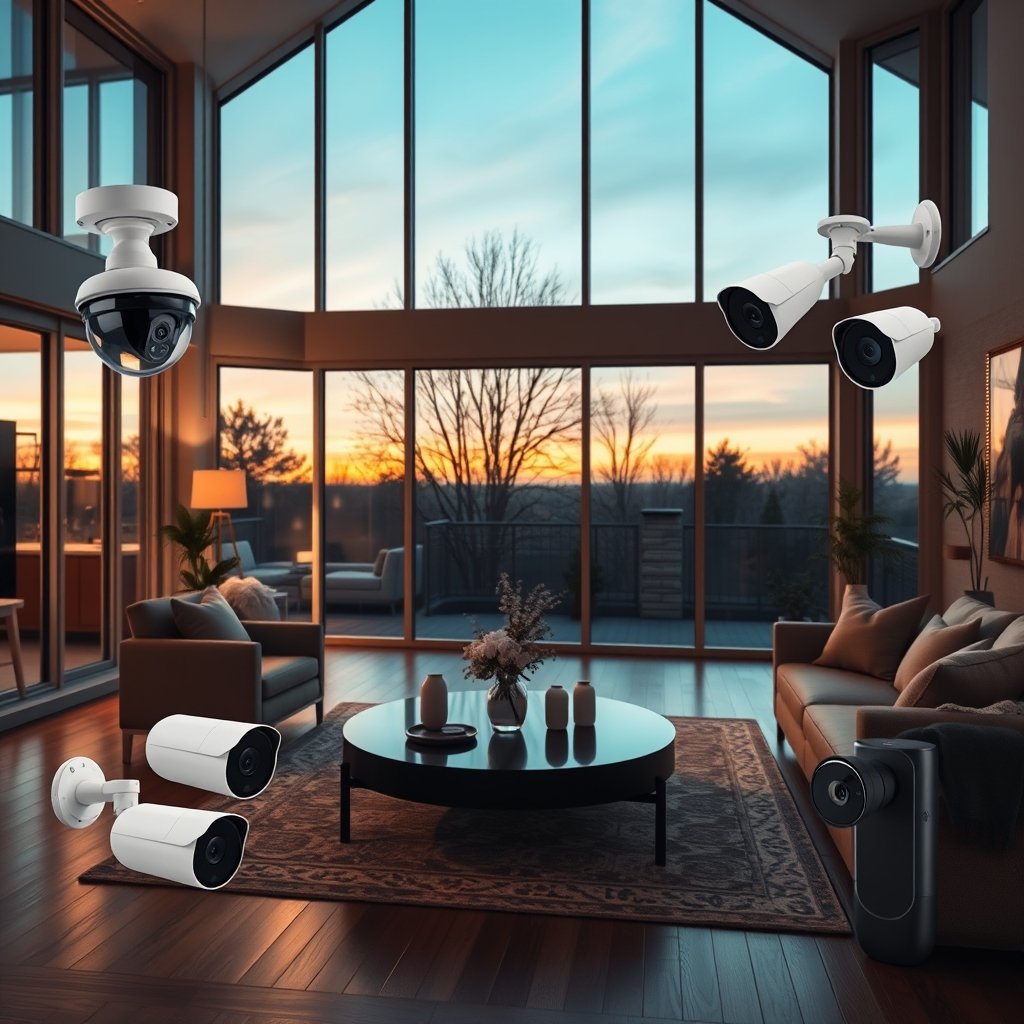
According to industry research, roughly 61% of U.S. households had a security camera by this year, up from 52% just two years ago (source). That’s about 74.9 million homes. Most new buyers—especially renters and young homeowners—choose wireless or smart devices for easier installation and integration with smart home systems.
For many, the decision is no longer “should I get a camera?” but “which camera offers real protection, privacy, and value?” The answer isn’t obvious, especially with security risks and surprise subscription fees on the rise.
What’s New: The Latest Security Camera Features You Need to Know
Camera options in YYYY go far beyond simple video feeds. Industry shifts and price drops have democratized features once reserved for luxury models. Here’s what matters now:
- Wireless and Battery Power: 61% of cameras are now wireless, letting users skip drilling holes and run cameras in more locations (source).
- Solar Charging: Fastest-growing segment—offers true “set and forget” outdoor placement with virtually no maintenance.
- AI and Smart Analytics: Cameras now spot real threats (people, packages, animals) and reduce false alerts. This is also key for smart doorbells. Check for customizable motion zones and human/vehicle detection.
- Resolution and Night Vision: Don’t sacrifice clarity. 1080p is minimum; 4K now sells at HD prices thanks to global overproduction (source).
- Smart Home Integration: Devices that work with Alexa, Google, or Apple allow more automation and remote access, but not all cameras integrate seamlessly.
- Privacy Features: End-to-end encryption is rare but important. Don’t ignore it if you care about who can access your footage (source).
The market is projected to hit $27.4 billion this year, and buyers have more power—but also more risk if they choose based on marketing hype alone. See our Smart Home Devices guide for more on integrating cameras into your setup.
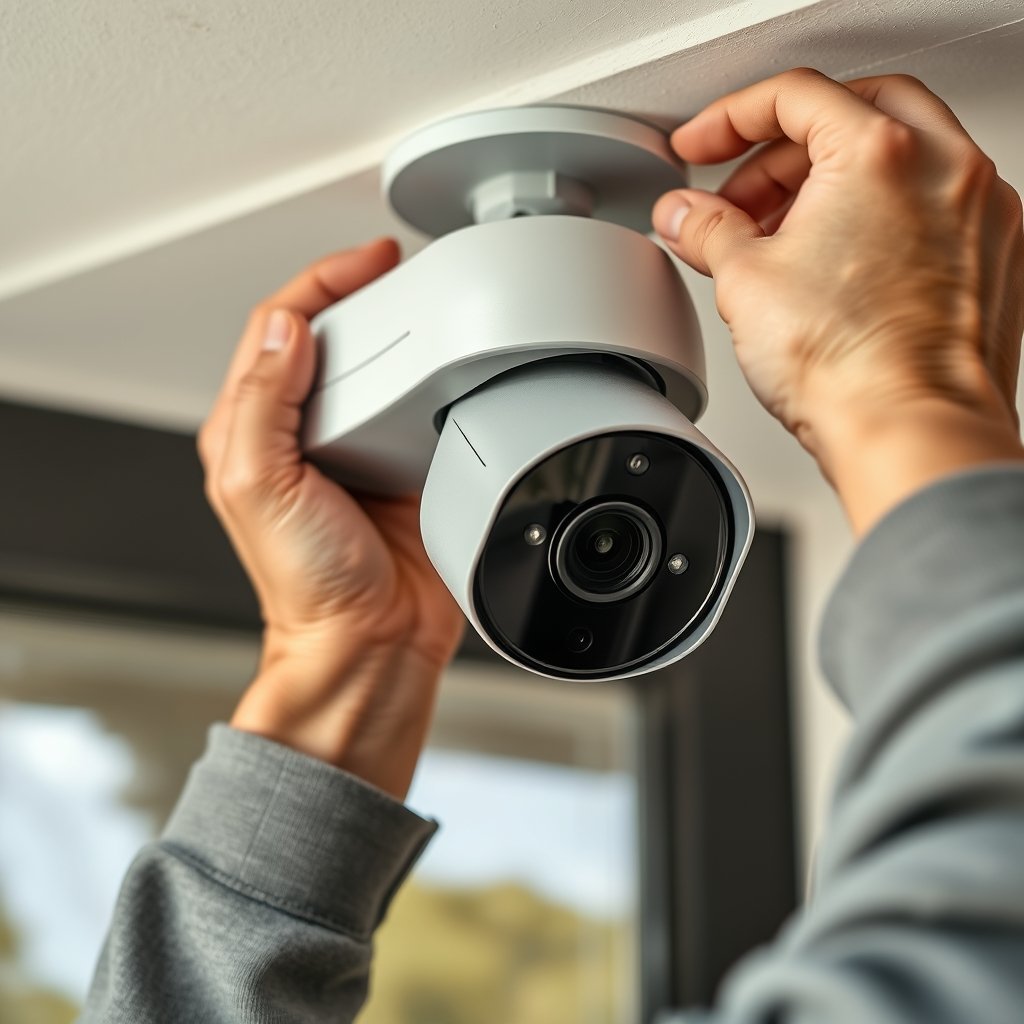
To shop smarter, focus less on flashy features and more on real user reviews and transparent information about power, privacy settings, and costs. Cross-check potential models in guides like our up-to-date Best Home Security Cameras and the in-depth Best Outdoor Security Cameras roundups.
Buyer Beware—Common Issues Real Users Hate (and How to Avoid Them)
Most Home Camera Guides skip the headaches you only notice after setup. Here’s what actual users flag most frequently—and how to avoid serious frustration and wasted money.
| Issue | How It Shows Up | How to Avoid |
|---|---|---|
| Weak Security Defaults | Default passwords on millions of devices. Hackers scan for these daily. | Always change login immediately. Choose brands forcing password changes on setup. |
| No End-to-End Encryption | Manufacturers (and sometimes police) can access your footage without your knowledge. | Look for cameras offering end-to-end encryption. Very few models provide this by default. |
| Expensive Cloud Fees | High monthly costs for cloud storage, even after buying a “free” camera. | Find models with ample free local storage, or at least transparent, flexible plans. |
| False Motion Alerts | Notifications triggered by wind, rain, spiders, or passing cars. | Prioritize models with AI filtering, customizable zones, or at least person detection. |
| Unreliable Wi-Fi Connections | Missed footage or unpredictable disconnections, especially outdoors. | Use mesh Wi-Fi, place routers strategically, or consider PoE (wired) where possible. |
| Opaque Costs | Surprise monthly fees for basic features (like video history or AI alerts). | Request a full, itemized price breakdown before you buy. |
According to real-world reviews and market data, these are not rare surprises—they are what most people regret after buying. For example, Arlo’s 2.8 million-user base generated $210 million in subscription fees this year, showing how “free” can quickly turn costly as you add features.
Privacy issues stand out. Default credentials and a lack of real end-to-end encryption mean your footage can be at risk. Law enforcement may access cloud-stored video with company consent or a court order (source).
For further tips on how to avoid common home upgrade mistakes—and how to confidently plan tech and camera purchases—review the Home Improvement Mistakes guide.
The Real Costs: Up-Front, Subscription, and Hidden Fees Explained
Total cost of ownership matters far more than sticker price. Most buyers see a headline price, but pay far more in ongoing cloud fees or new battery packs. Even the highest-ranking Home Camera Guide articles barely mention these costs.
- Device Cost: Expect $50–$300 per camera for modern, name-brand models, with budget 4K cameras now available thanks to industry price cycles.
- Cloud Storage: Subscription plans average $3–$15/month per camera, sometimes more for 24/7 recording or person detection. “Free” options may limit footage to a few hours or days.
- Local Storage: MicroSD cards and NVRs avoid monthly fees, but beware of compatibility limits and possible loss of footage if the camera is stolen.
- Power Costs: Battery replacements or upgrades (especially for true wireless cameras) add $20–$60 every 1–2 years.
- Smart Home Fees: Some models require separate subscriptions to unlock integration features.
Use this simple cost breakdown to compare real, all-in-annual cost for three popular models:
| Item | Budget Model | Popular Brand | Premium Pick |
|---|---|---|---|
| Device Cost | $65 | $135 | $249 |
| Cloud Storage (annual) | $0 (no cloud) | $48 | $120 |
| Battery/Power Upkeep | $20 | $30 | $60 |
| Total Year 1 (device + first-year costs) | $85 | $213 | $429 |
| Total Later Years (annual recurring) | $20 | $78 | $180 |
Transparent, ongoing costs—especially subscriptions—often rival or outpace the original camera price. Check our Best Home Improvement Products guide for additional insights on comparing real product value across the home.
3 Essential Aspects Most Home Camera Guides Skip (But You Shouldn’t)
A truly practical Security Camera Buying Guide covers details that “top 10” lists almost always miss:
- Battery Life and Power Options: Most wireless cameras advertise “months of battery,” but cold temperatures, high activity, and live streaming cut this time dramatically. Brands rarely disclose real-world battery test results or replacement costs in their marketing or even in most Home Camera Guides. Some cameras provide solar options or wired backup. Be sure to check compatibility and clarify your willingness to recharge or change batteries regularly.
- Privacy and Encryption Practices: Who can view your footage? Your access, the manufacturer’s, and even law enforcement’s rights should be spelled out. Sadly, few brands offer end-to-end encryption (source). Some sell or share anonymized motion data; always investigate privacy settings and fine print, because some “privacy modes” don’t work as expected. Read about smart security system trends in our Smart Home Security guide.
- Itemized, Clear Cost Comparison: Device price is just the down payment. Subscription tiers can double your total cost over two years, and not all plans are easy to downgrade or cancel. Look for published charts that compare up-front with recurring costs.
Top guides often omit these crucial distinctions, leaving new buyers surprised by mid-year expenses or privacy trade-offs.
How to Compare: Build Your Security Camera Shortlist
Once you know your must-have features, it’s time for direct camera comparison. Use this checklist to organize your shortlist—print or copy it as needed for side-by-side research.
| Feature | Model 1 | Model 2 | Model 3 |
|---|---|---|---|
| Resolution (Minimum 1080p, 2K, or 4K) | |||
| Power Source (wired, battery, solar, hybrid) | |||
| AI Features (person/vehicle detection, custom zones) | |||
| Local Storage Option | |||
| Cloud Plan Cost (monthly/annual) | |||
| Smart Home Integration (Alexa, Google, Apple) | |||
| Privacy Safeguards (encryption, user controls) | |||
| User Ratings/Complaints |
Replacement programs and lower market prices mean that 4K models are now standard, not luxury. Use comparison charts and reliable review resources for less-biased research.
Want more cost-cutting tips for home upgrades? Check out our Affordable Home Upgrades and DIY Home Improvement guides for strategies that overlap with smart home tech purchases.
Final Tips: Getting the Most Value and Security from Your Camera Purchase
Don’t rush. Here are actionable final steps from our Security Camera Buying Guide to get the best blend of safety and value:
- Ask if the camera forces you to change default passwords and offers two-factor authentication at setup.
- Verify if cloud storage is optional, not required—and what happens if you cancel the subscription.
- Study privacy disclosures to see who can access your footage, and under what circumstances.
- Test Wi-Fi signal where you plan to mount the camera before installing—some outdoor units struggle even with “full bars” inside.
- Before buying, read not just product pages, but also the lowest-rated user reviews. Trends here will reveal true weak points (false alerts, app crashes, poor support).
Some new models finally offer end-to-end encryption, but most don’t. Don’t settle until you find a model with real privacy protection. Be wary of “free forever” storage promises; most have hard limits or hidden fees tucked in. For further home protection insights beyond cameras, browse our Home Security Tips and Home Maintenance Checklist articles.
The best Home Camera Guide is one that discloses all costs, all privacy trade-offs, and fits your tech habits—not just glossy specs. Do your research, know your real costs, and watch out for the pitfalls above.
Ready to secure your home? Use this Security Camera Buying Guide, check the FAQ below, and revisit our comparison charts often to stay ahead of misleading marketing and hidden fees.
FAQ
Do I need a subscription for all security cameras?
No. Some cameras offer free local storage or limited cloud history, but most popular brands rely on subscriptions for advanced features. Always check before you buy.
How can I tell if a camera is truly private?
Look for models that offer end-to-end encryption (not just “encryption during transmission”). Scrutinize manufacturer privacy policies and check if they allow you to change default credentials and add two-factor authentication.
Are battery-powered cameras reliable in cold climates?
Battery life drops in cold weather, sometimes by over 50%. Consider solar add-ons or wired models in extreme climates. Always check real user reviews for your region.
Can police access my security camera footage?
If your footage is stored in the cloud, law enforcement may obtain it directly from the manufacturer with a court order. For locally stored footage, a court order is still required, but you’ll know if it happens.
What resolution should I get?
1080p is still common, but 2K and 4K models are now affordable and offer sharper details for identification. For outdoor monitoring or large areas, 4K is recommended if your budget allows.