
### Blog Post:
Smart Home Security is rapidly evolving—transforming how homeowners, property managers, and investors protect their spaces. In YYYY, the pace of innovation, frequent user complaints, and ambitious new technologies all collide to redefine the industry and your day-to-day safety decisions.
Key Takeaways
- The smart home security market is exploding, with over 400 million connected homes worldwide and revenues projected to triple by the next decade.
- Adoption of smart locks and cameras is skyrocketing, but users report real frustrations—software bugs, unreliable connectivity, and security gaps.
- Groundbreaking advances like edge AI analytics, biometric authentication, and blockchain logging are raising the bar but remain underused in many mainstream devices.
- The Surging Growth of Smart Home Security in YYYY
- What Devices Are Leading the Connected Home Security Revolution?
- Real User Experiences: Common Complaints and Security Risks
- Emerging Innovations: What’s Next for Smart Home Security?
- Making an Informed Choice: Key Considerations Before You Buy
- FAQ: Smart Home Security
The Surging Growth of Smart Home Security in YYYY
The global smart home security market is not only growing—it’s exploding. Estimates put the market value at $32 billion in YYYY, and it’s set to pass $107 billion over the coming years, racing ahead at a CAGR of nearly 14%. North America dominates, holding about 42% of all revenue, but adoption is surging in Europe and Asia as well. Over 400 million connected homes exist across the globe, with 74 million US households now using at least one smart security device. The sheer size and velocity of growth make this a pivotal moment. If you’re comparing your next investment or weighing an upgrade, understand that smart home security is no longer optional: it’s becoming the new standard for tech-forward properties. For insights on other modern smart home features, check out Smart Home Devices.
What Devices Are Leading the Connected Home Security Revolution?
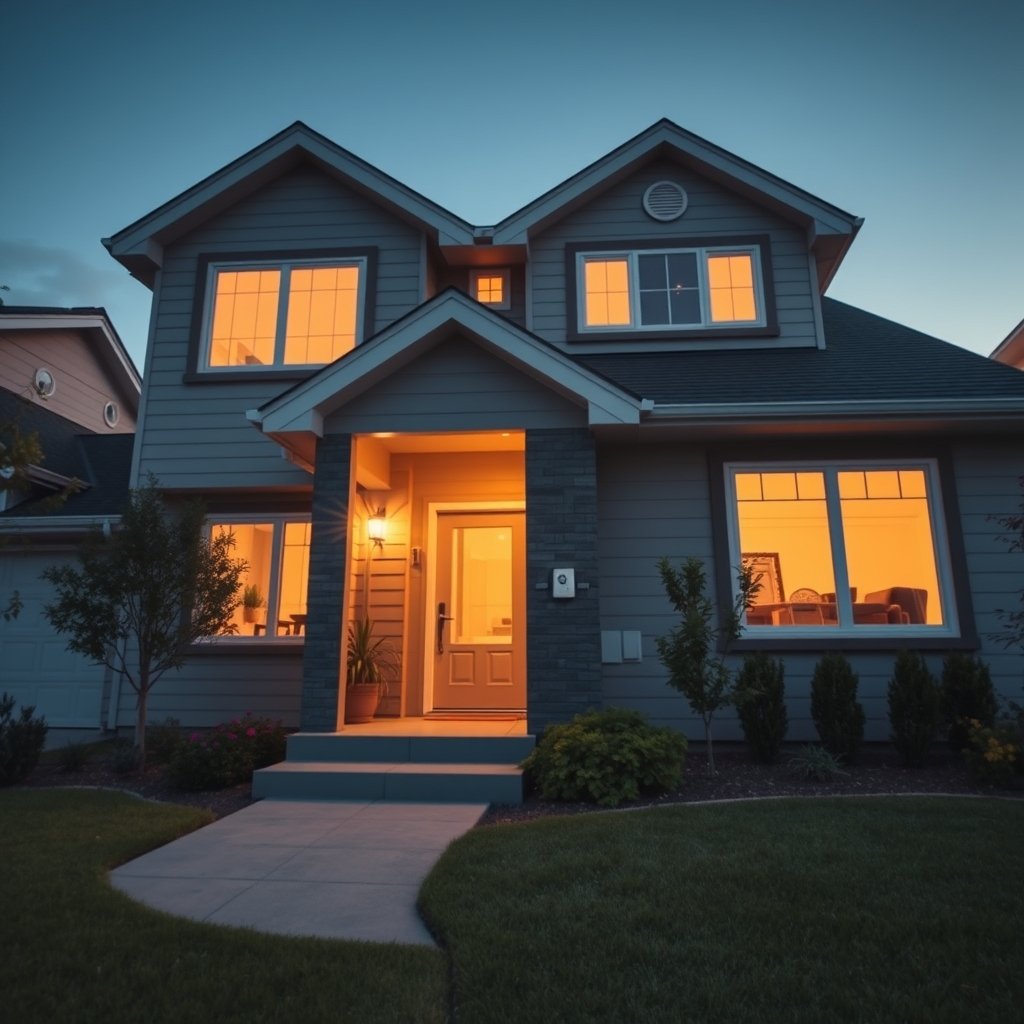
The backbone of today’s connected home security is built on a toolkit of smart devices—each finding its way into homes and rental properties at record speed. Smart locks are now used in 36% of US homes with connected security, while smart cameras command a leading 58% adoption. Why these devices? Convenience is king: keyless entry, remote access, real-time alerts, and seamless integration with other systems (and even insurance discounts) drive adoption. Alarms, video doorbells, and motion sensors are also becoming must-haves for anyone serious about preventing intrusion or safeguarding their property.
Smart security devices aren’t just for personal homes either—increasingly, property managers and real estate investors rely on them to boost rental value and reduce operational risk. Want to see how tech-forward upgrades raise overall home value? Our Home Improvement Ideas guide gives a full breakdown.
Planning a kitchen upgrade with concealed design and better storage? Adding hidden security sensors or low-profile cameras is easier than ever. Discover more ideas in our guide to Invisible Kitchen Trends.
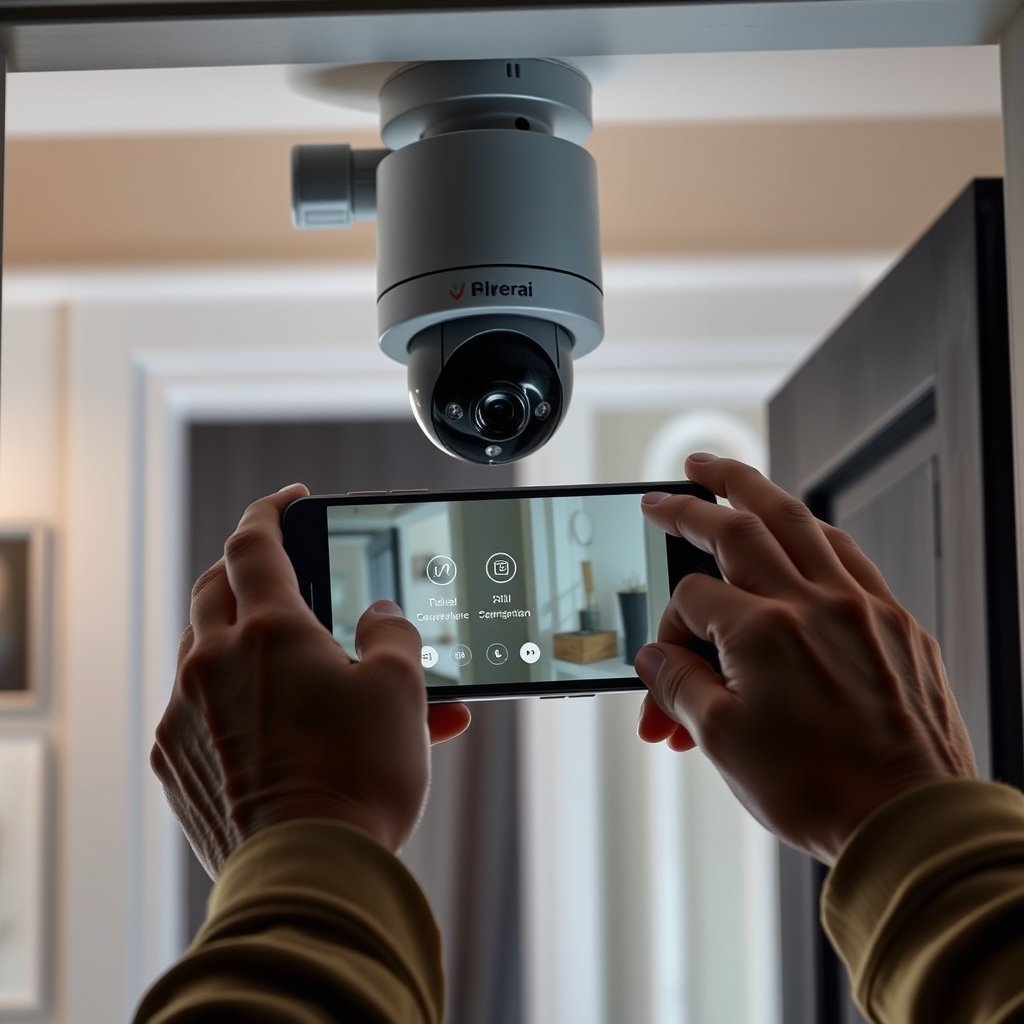
Consumers in Europe and Asia are especially drawn to all-in-one solutions that combine cameras, alarms, and environmental monitoring (for water leaks, smoke, and air quality), as well as platforms that play well with smart thermostats and lighting. Read more on maximizing efficiency and technology pairing in Energy Efficient Home Upgrades.
Real User Experiences: Common Complaints and Security Risks
For all the promise, real frustration and risk remain common among smart home security users. Customer reviews repeatedly mention smart locks that jam or fail to pair, slow or glitchy mobile apps, delayed notifications, and unstable cloud connections. Many customers are left scrambling when a firmware update bricks a device, or when their system is cut off by unreliable Wi-Fi.
But the deepest concern is security itself. Numerous devices still lack true end-to-end encryption or ship with default passwords, exposing homeowners to unauthorized entry and even data theft. App permission overreach and unclear data privacy practices are also major user pain points.
| Common User Complaint | Impact | How to Mitigate |
|---|---|---|
| Smart lock jamming or pairing failures | Prevents entry or locks out users; requires manual override | Opt for battery-backed models with physical key overrides and well-reviewed reliability |
| Slow/buggy apps, missed alerts | Reduces real-time response, increases risk | Choose vendors with prompt update track records, user forums, and responsive support |
| Unpatched vulnerabilities, weak encryption | Enables hackers to override devices or steal personal data | Prioritize brands offering full encryption, regular OTA (over-the-air) updates, and security certifications |
| Poor interoperability with other home devices | Creates “islands” and forces device lock-in | Select ecosystems supporting Matter, Z-Wave, or Zigbee standards |
To dig deeper into specific device picks—especially for indoor, outdoor, and even DIY setups—see our reviews of the Best Home Security Cameras, Best Smart Locks, and Best DIY Home Security System.
Emerging Innovations: What’s Next for Smart Home Security?
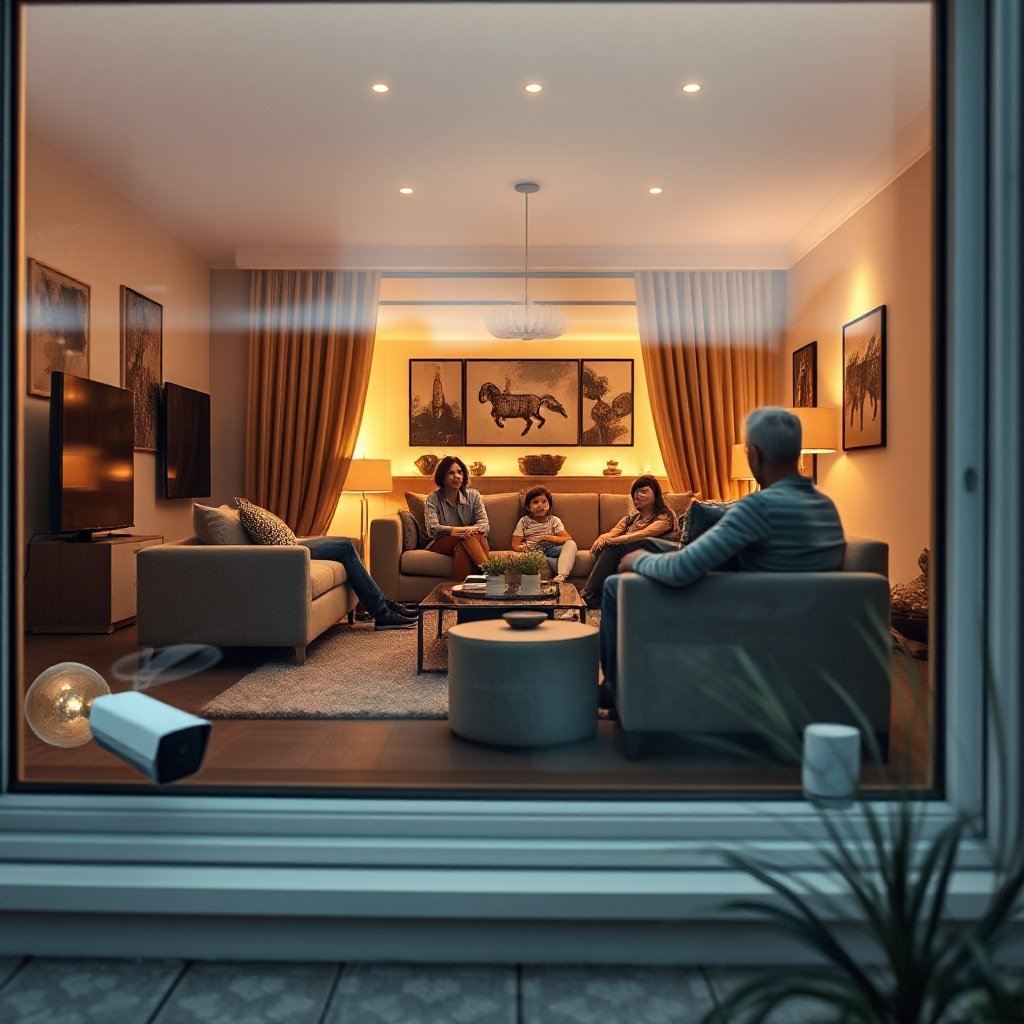
The most exciting advances in smart home security are happening under the radar. While cameras and smart locks get the headlines, 2026’s breakthroughs include:
- Edge Artificial Intelligence Analytics: Devices now analyze video and sensor data on site, not in the cloud, delivering instant alerts, reducing lag, and improving privacy.
- Biometric Authentication: Facial, fingerprint, and even voice unlock are moving mainstream, drastically reducing the risk of lost tokens or stolen codes.
- Mesh Wi-Fi & 5G Support: Security devices now maintain their reliability even during heavy use or local outages, especially in larger homes and properties.
- Blockchain-Based Tamper Logging: The latest security platforms log every access and system event on immutable ledgers—making spoofing or wiping history nearly impossible. [Source]
- Over-the-Air (OTA) Secure Firmware: New devices support cryptographically signed remote updates, patching vulnerabilities safely as they emerge.
These features are appearing in only the latest systems and are often missing even in big-name smart locks or cameras. When shopping, look for devices that advertise edge AI, biometric unlock, and secure element chips—these offer tangible security and usability upgrades for your next investment. For expert tips on pairing these new features with aesthetic upgrades, explore our Best Home Upgrades resource.
For authoritative data and long-term market growth trends, review the Smart Home Security Market Outlook and the full sector analysis by Maximize Market Research.
Making an Informed Choice: Key Considerations Before You Buy
With so many smart security devices—and plenty of hype—choose wisely. Here’s a checklist to balance convenience, integration, and true security:
- Compatibility: Will your new devices work with your existing smart home system, Wi-Fi, and phone?
- Update Policy: Does the manufacturer provide clear, regular security updates? Do they publish a vulnerability disclosure policy?
- Physical Backup: Always have a mechanical override or backup entry method. Power and connectivity aren’t infallible.
- Data Privacy: Does the product offer end-to-end encryption and honor data privacy rights, or will your video plus access logs be stored in the cloud indefinitely?
- Futureproofing: Look for support for new standards (Matter, Zigbee, Z-Wave) to avoid costly replacements as technologies evolve.
- App Reviews & Real Feedback: Check user ratings specifically for alerts, responsiveness, and reliable pairing—these are where most frustrations surface.
- Insurance & Value Impact: Many insurers offer discounts for robust security systems, and up-to-date devices can increase resale or rental value by 10-20% in competitive markets.
Remember, the market is on track to reach $107 billion within a decade—a strong indication that securing your property with the right smart locks and other devices is a savvy long-term move. For a full review and checklist, see our Home Security Checklist or the latest market forecast.
FAQ: Smart Home Security
What is the most common problem with smart locks?
The most frequent problem is pairing or connectivity failures. Users are often locked out due to Wi-Fi drops, app crashes, or firmware bugs. Always choose models with mechanical key backups and reliable app ratings.
Are smart home security devices vulnerable to hacking?
Yes, especially if they lack end-to-end encryption, have poor default credentials, or don’t receive regular security updates. Always change default passwords and keep firmware up to date for best protection.
Will smart security devices work during a power or internet outage?
Basic functions like mechanical locking or local alarms may still work, but notifications, video storage, and remote monitoring may be unavailable. Consider battery-powered devices and mesh network setups for higher reliability.
Does installing smart home security increase property value?
Yes. Research shows homes equipped with modern smart security features often see a 10-20% increase in value, particularly in competitive or tech-savvy real estate markets.
How do I choose the best smart security system for my home?
Prioritize compatibility, real security features (like encryption and biometric locks), transparent privacy policies, and strong user ratings for reliability and support. Avoid buying solely on price or hype.
—