

### Blog Post:
Best Garden Hose is not just a phrase – it’s a mission for homeowners and property managers who are tired of kinks, leaks, and hoses that can’t survive two seasons. If you’re serious about lasting outdoor solutions, real-world stats and user complaints matter more than empty promises. Here’s how to actually pick, use, and maintain a watering hose that’s built to serve you for years, not months.
Key Takeaways
- Heavy duty hoses last 5-10 years, far outpacing vinyl and single-layer expandable hoses.
- User complaints often expose hidden flaws: pressure ruptures, kinking, and poor cold weather resilience.
- Proper care is non-negotiable – even the best garden hose fails early if stored or used improperly.
- How to Choose the Best Garden Hose for Long-Term Use
- Heavy Duty vs. Expandable Hoses: Latest Durability Data
- Top User Complaints and Hidden Failure Points
- Three Critical Garden Hose Criteria Most Reviews Miss
- Maintenance and Storage: Maximizing Your Hose’s Lifespan
- Real-World Recommendations: Best Garden Hoses for Different Needs
- FAQ
How to Choose the Best Garden Hose for Long-Term Use
Every outdoor space, from small gardens to sprawling lawns, demands a watering hose that matches real use. You’ll find three primary types: standard vinyl hoses, heavy duty rubber or polyurethane hoses, and expandable hoses (single, double, or triple-layer latex core). The best garden hose for you depends on durability needs, frequency of use, climate, and where you’ll store it.
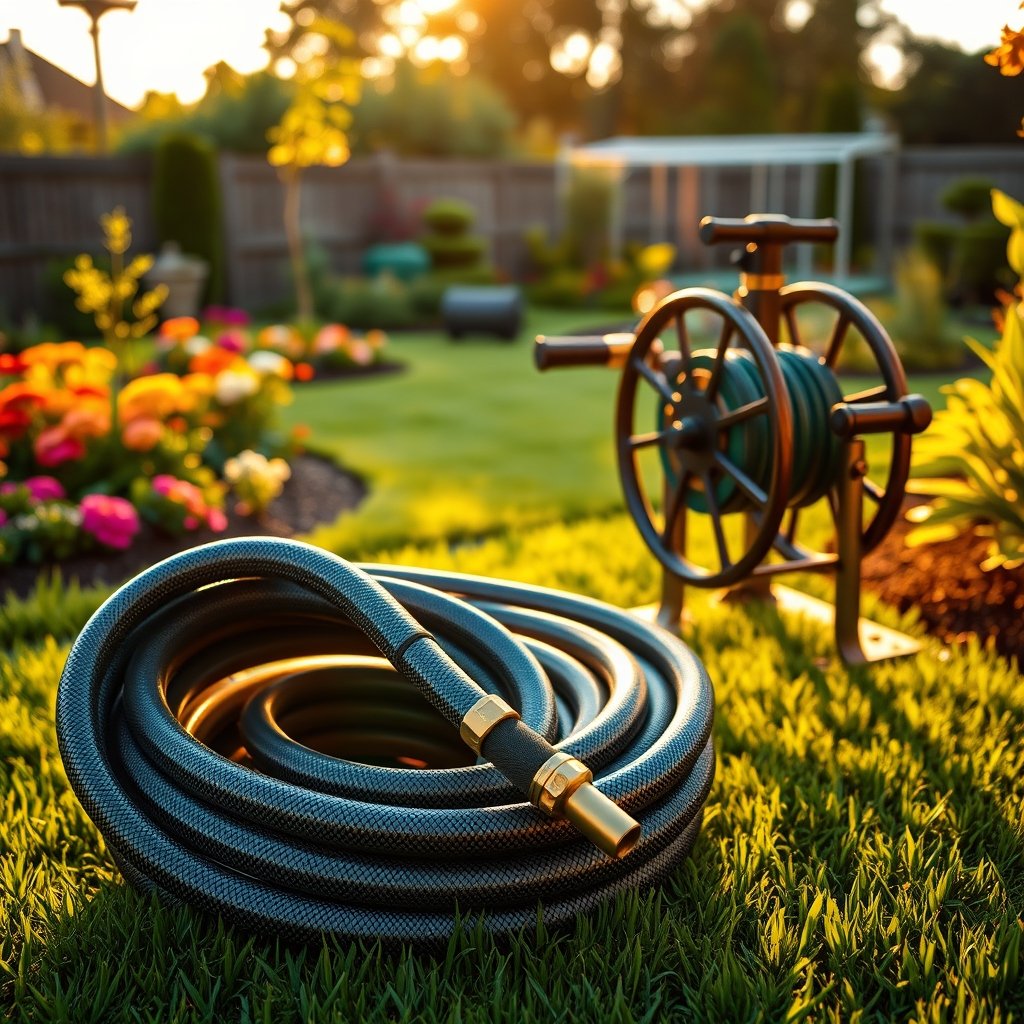
Material matters. Standard vinyl and lightweight polymer hoses will often show signs of cracking and leaks within two to three years of regular use. By contrast, reinforced rubber or polyurethane heavy duty hoses now have an average lifespan of five to seven years – and can exceed a decade when stored properly away from direct sunlight and cold. Expandable hoses split the difference: single-layer models typically burst within six months, while newer triple-layer options (like the Flexzilla Expandable) can last two or more years if always drained and stored out of the sun.
Source: TechGearLab
Heavy Duty vs. Expandable Hoses: Latest Durability Data
Let’s compare the two dominant options for buyers expecting long-term value:
- Heavy Duty Garden Hose: Made from reinforced rubber (sometimes with polyurethane blend), these are kink-resistant, resist UV damage, and stand up to freezing temperatures better than standard hoses. Lifespan reaches 5 to 7 years on average, hitting 10+ years if stored away from sunlight and winter extremes. Premium fittings (brass, stainless steel) help prevent leaks. But, these hoses are heavier and may be overkill for light tasks or small gardens.
- Expandable Hose: Lightweight and easy to store, they grow up to 3X in length when filled with water and shrink when emptied – fantastic for mobility. The main vulnerability: the internal latex core. Double- or triple-layer models will last beyond two years if always fully drained and never left in the sun. Single-layer expandables can fail in just six months. Not well-suited for pressures above 150 psi or for leaving out through winter.
Data: Heavy duty reinforced hoses can operate beyond a decade with ideal care; expandables (triple-layer) last 2+ years with thoughtful storage and use.
Source: Propel RC, Pocket Hose Blog
For more outdoor reliability, discover eco-friendly lawn alternatives that complement a quality watering hose.
Top User Complaints and Hidden Failure Points
Even the highest-rated garden hoses aren’t immune to real-world issues. Here’s what power users and verified reviewers report most often:
- Pressure-related ruptures: Latex cores in expandables can fail at 300-500 psi. Brass fittings on heavy duty hoses may loosen with regular high-pressure use, increasing leak risk.
- Kinking and blockage: Cheap expandables and standard vinyl hoses are notorious for kinking, which deforms the hose and creates blockages or permanent weak spots.
- Cold-weather cracks: Water left inside any hose can freeze, expand, and cause splitting—especially problematic for expandables left out past fall. Warranty coverage is often less helpful than promised.
Example: An expandable hose left partially full over winter often fails before its first anniversary, while an unprotected rubber hose in direct sun will crack and leak within three years. Real buyer reviews often mention early kinking and frustrating leaks even among “best” hoses.
See additional homeowner mishaps in our detailed home improvement mistakes guide.
Verified user data:
• Pressure ruptures (expandables at 300–500 psi, brass fitting leaks)
• Kinking (vinyl and cheap expandables)
• Freeze damage (especially in unemptied expandables and untreated rubber hoses)
Source: Project Farm (YouTube)
Three Critical Garden Hose Criteria Most Reviews Miss
When shopping for the best garden hose, most roundups analyze only the top-level features—durability, weight, cost. However, serious long-term buyers should consider these advanced, often-overlooked angles:
| Criterion | Why it Matters | What to Look For |
|---|---|---|
| Freeze-thaw performance | Repeated cycles of freezing and thawing rapidly degrade most hoses. Rubber outperforms vinyl or latex in cold climates. | Thick-wall rubber/polyurethane hoses or officially rated “all-weather” hoses |
| Environmental footprint & end-of-life recycling | Cheaper hoses often can’t be recycled, adding to landfill waste after a few years. | Polyurethane or rubber hoses marked as recyclable. Some brands offer take-back programs. |
| 150+ psi suitability (e.g., power-washing or irrigation) | Expandables and thin vinyl fail at higher pressures, while reinforced rubber tolerates sustained pressure much longer. | Burst ratings above 350 psi and reinforced couplers |
For more on sustainable upgrades and recycling, check out energy efficient home solutions.
Maintenance and Storage: Maximizing Your Hose’s Lifespan
Proper maintenance is the factor that separates a hose that lasts one season from a hose you’ll use for a decade. Here’s how to protect your investment:
- Drain after every use: For expandables and standard hoses, always empty water from the hose before storage, especially in fall. Any water left inside can cause freeze-damage even in mild winters.
- Store out of sunlight and cold: UV rays rapidly break down vinyl and polymer hoses, while rubber becomes brittle if left outside in freezing temperatures. Ideally, store hoses coiled on a reel in your garage or shed.
- Avoid sharp bends and pulling under pressure: Yanking around corners, running over hoses with equipment, or tightly looping hoses can all produce leaks, ruptures, or internal blockages—no matter how expensive the hose was.
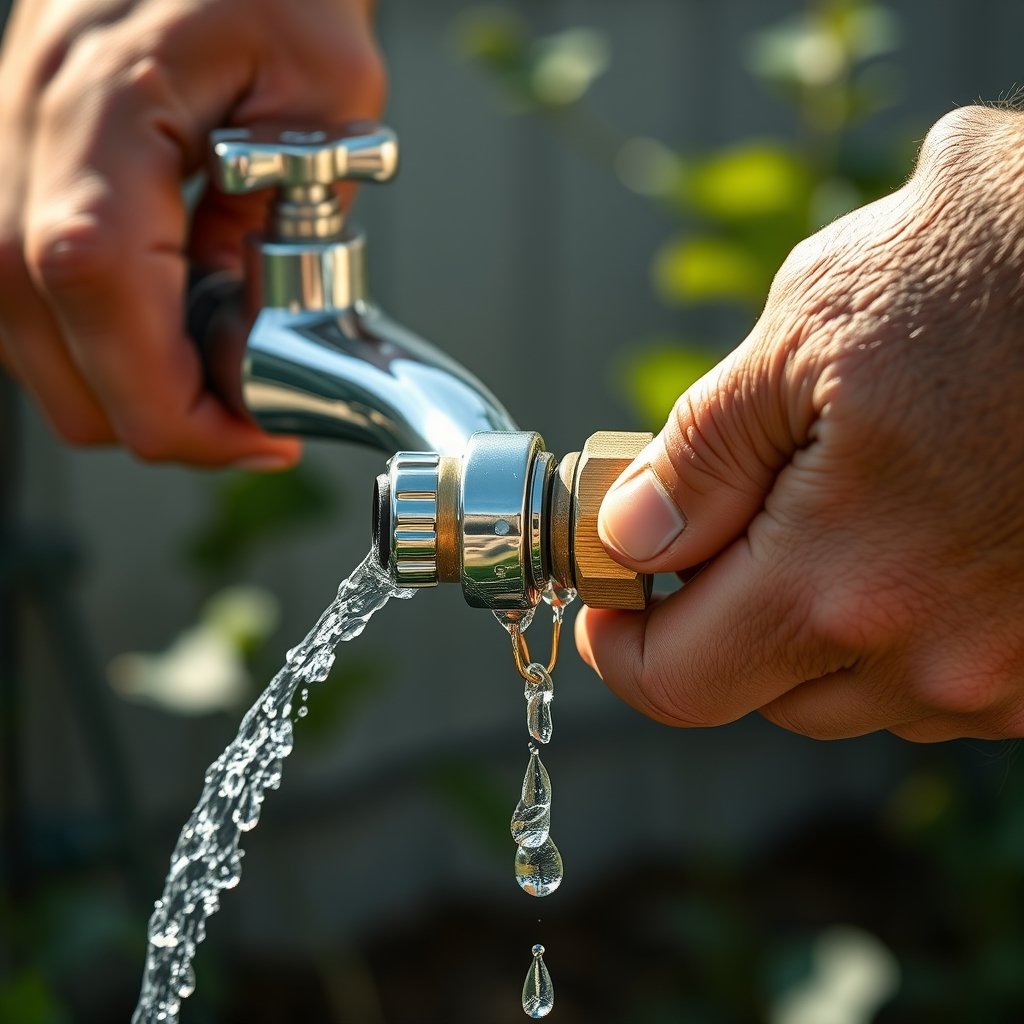
- Inspect fittings and O-rings annually: Even top-shelf brass fittings loosen over time. Check for leaks at connection points and replace washers as needed.
Important: Expandable hoses stored with water inside regularly fail within six months. Heavy duty hoses last a decade if shielded from the elements.
Data Source: This Old House
For more maintenance tips, review our Home Maintenance Checklist and grab seasonal reminders from our Spring Maintenance Guide.
Real-World Recommendations: Best Garden Hoses for Different Needs
So, which models actually deliver on the promise of “best garden hose” in YYYY?
- For uncompromising durability (heavy duty/high pressure): Eley Polyurethane and Flexzilla Heavy Duty are best-in-class for kink resistance, all-weather tolerance, and longevity exceeding 7-10 years when cared for properly. Brass/stainless fittings and thick polyurethane construction withstand power washers, irrigation systems, and regular yard use. Flexzilla is notably easy to handle for its strength.
- For small gardens or rapid deployment: The Flexzilla Expandable Hose (triple-layer latex) wins points for flexibility and lightweight handling. Lasts over 2 years if drained and stored indoors. Avoid single-layer cheap expandables.
- Budget pick: The Expert Gardener Light Duty is cost-effective for lighter use, but expect a lifespan closer to 2-3 years. Best for short runs and infrequent use—if you want true value, invest a bit more up front.
Data Source: Independent tests and expert reviews consistently rate Eley and Flexzilla models at the top [Treeier].
See also: top home improvement products to complement your new watering hose setup.
FAQ
What is the average lifespan of a heavy duty garden hose?
Properly stored, a quality heavy duty garden hose made from reinforced rubber or polyurethane typically lasts 5–7 years, and can exceed 10 years if always kept out of sunlight and freezing temperatures.
Are expandable hoses reliable for everyday use?
Triple-layer expandable hoses perform well for regular, low-to-moderate use and last more than 2 years if always drained and stored indoors. Single-layer expandables are not recommended for long-term or high-pressure use due to frequent bursting.
How can I prevent my garden hose from kinking?
Choose a kink-resistant hose (like Flexzilla or Eley models), store it in large coils on a reel, and avoid sharp bends. Do not drag it around obstacles while under pressure or store it tightly wound on hooks.
What kind of hose is best for high-pressure applications?
A heavy duty garden hose with a burst rating above 350 psi – reinforced rubber or polyurethane models – is best for power washing or irrigation. Most expandables and vinyl hoses are not rated for sustained high pressure.
Is material recyclability important?
Yes, especially for frequent replacements. Polyurethane and some rubber hoses are recyclable. Look for manufacturer recycling/take-back programs to minimize environmental impact.
—