

How Often to Water Lawn is one of the most common and misunderstood questions for homeowners seeking a lush, green yard. Mistakes in your grass watering schedule can waste water, raise bills, and still leave your lawn brown or patchy. Here’s the clear, practical answer with precise advice for every grass type, climate, and irrigation system—so you get more beauty with less water and worry.
Key Takeaways
- Lawns rarely benefit from daily or fixed watering—timing and depth matter most. Adjust your Lawn Watering Schedule based on grass type and local rainfall.
- Install rain/moisture sensors and regularly check your irrigation system to avoid overwatering, which is common and wastes money.
- Most homeowner mistakes come from shallow watering, worn-out sprinkler heads, and ignoring climate or rainfall changes—plan and adapt for healthiest results.
- How Often to Water Lawn: Why One Size Doesn’t Fit All
- Your Lawn Watering Schedule by Grass Type and Climate
- Homeowner Mistakes That Ruin Lawns—and How To Avoid Them
- Pro Tips for Efficient, Water-Smart Irrigation
- Frequently Asked Questions About Lawn Watering
How Often to Water Lawn: Why One Size Doesn’t Fit All
There is no universal Lawn Watering Schedule that fits every yard. The frequency and amount of grass watering depend on your specific grass species, your region’s rainfall, local climate patterns, and the season. The old rule of watering daily or on a strict timer usually leads to wasted water, weak roots, and eventually a thinner, less attractive lawn. Instead, the healthiest lawns thrive on infrequent, deep watering that allows roots to grow strong and deep while making the most of natural rainfall.

Cool-season grasses like Kentucky Bluegrass and Tall Fescue need about 1.0–1.25 inches of water—ideally all at once—once per week. Warm-season favorites such as Bermudagrass flourish with 0.75–1 inch per session, twice weekly during hot months, while Zoysiagrass needs 0.75–1 inch only once per week. St. Augustine, common in the Southeast, thrives with 0.5–0.75 inch twice each summer week. If you have automatic sprinklers, pair their run schedule and frequency with your grass type and watch for seasonal shifts. [Source]
Your Lawn Watering Schedule by Grass Type and Climate
The right Lawn Watering Schedule reflects both your grass type and your local rainfall. Here’s a quick action guide for the most popular grasses in U.S. yards, but always check for your region’s climate averages and recent precipitation.
| Grass Type | How Often to Water Lawn | Water Amount per Session | Peak/Dormant Notes |
|---|---|---|---|
| Kentucky Bluegrass | 1x per week | 1.0–1.25 inches | Goes dormant during drought but recovers fast. |
| Tall Fescue | 1x per week | 1.0–1.25 inches | Best drought tolerance among cool-season types. |
| Bermudagrass | 2x per week (summer) | 0.75–1.0 inch | Can tolerate weeks of dormancy in heat. |
| Zoysiagrass | 1x per week (summer) | 0.75–1.0 inch | Slow to green up, but survives dry spells well. |
| St. Augustine | 2x per week (summer) | 0.5–0.75 inch | Requires more frequent watering in hot weather. |
If your lawn receives about 1 inch of rain in a given week, consider skipping irrigation altogether. Use a basic rain gauge to monitor rainfall and adjust your Lawn Watering Schedule accordingly. Rainy climate? You can cut back to just occasional deep waterings as needed.[See more]
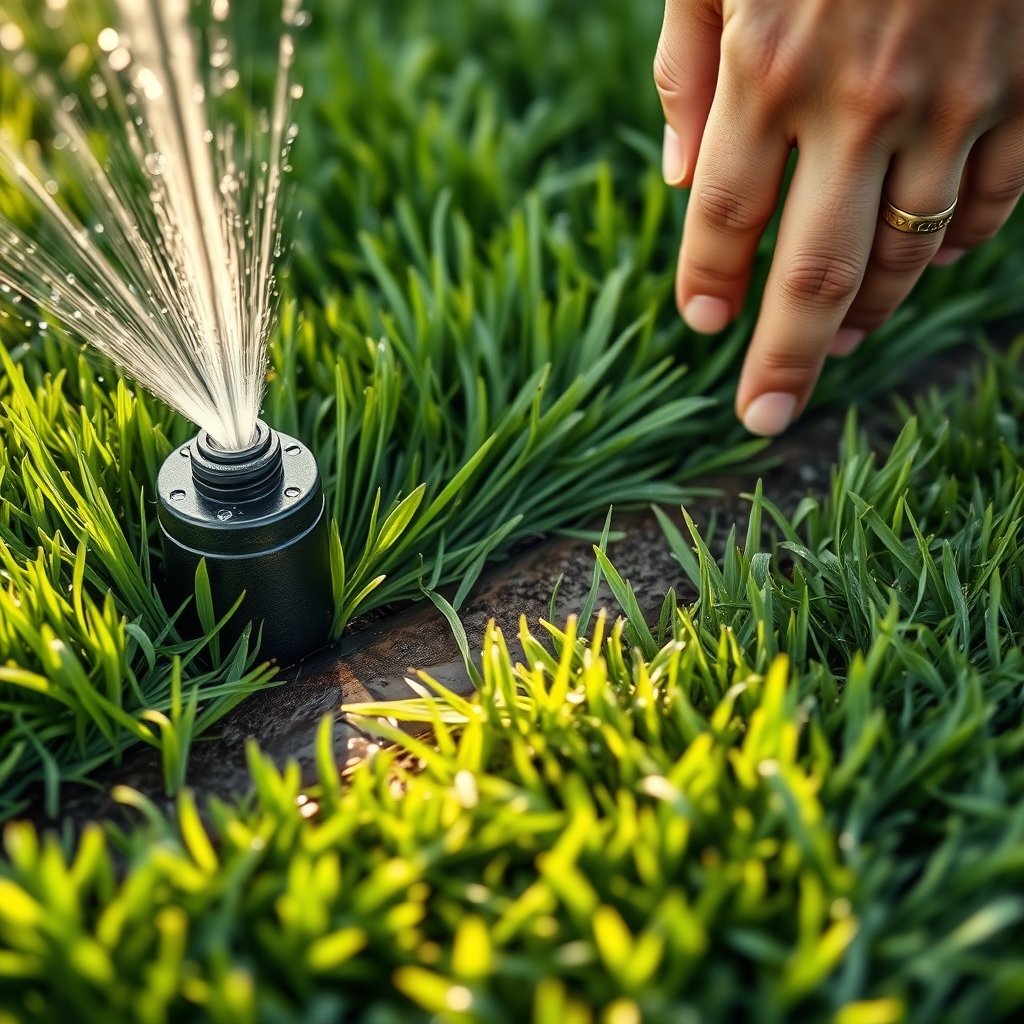
If you’re looking for an even more eco-friendly and easy-care yard, consider a clover grass alternative—it often requires less water than traditional turf. Or, for advanced irrigation strategies, adding a rain/moisture sensor to your system automatically prevents watering after significant rain (a smart upgrade shared in our Best Lawn Care Tips guide).
Homeowner Mistakes That Ruin Lawns—and How To Avoid Them
Most problems result from “set and forget” habits: fixed spray timings, ignoring the weather, and never checking equipment. These are the most damaging errors and simple fixes for each.
- Overwatering: Using a fixed timer causes the lawn to get more water than needed, wasting up to 50% during wet weeks (see source).
- Shallow, Frequent Watering: Watering too little, too often causes weak roots and greater drought stress.
- Watering Midday or Evening: Midday watering evaporates quickly. Evening watering leaves grass wet all night, encouraging disease (see details).
- Ignoring Wet or Rainy Weather: Not pausing irrigation after rain wastes water and drowns roots.
- Poor Sprinkler Maintenance: worn, clogged, or blocked heads produce brown patches, puddling, and high water bills.
- Never Adjusting for Season: Lawns require much less in spring and fall, almost none during winter dormancy.
Curious about other common home improvement errors? Check out these home improvement mistakes and how to avoid them in your next project.
| Mistake | Effect on Lawn | Quick Fix |
|---|---|---|
| Leaving a timer unchanged year-round | Overwatering in cool seasons, under-watering in hot spells | Adjust timer every 4-6 weeks or after significant rainfall |
| Sprinklers hitting sidewalks or driveways | Wasted water and higher bills | Re-aim heads and replace worn nozzles |
| Ignoring soil issues | Poor drainage, runoff, repeated brown spots | Test soil and amend or aerate as needed |
| Not pausing irrigation during rainy spells | Root rot, fungus, and thatch problems | Install a rain sensor or pause system after storms |
For more lawn troubleshooting, see our advice on how to fix bare spots and ensure the whole yard gets even, healthy coverage.

Pro Tips for Efficient, Water-Smart Irrigation
Want a greener lawn with less effort? Integrate these overlooked strategies and simple tech upgrades:
- Install a rain or soil moisture sensor: For $25–$50, these devices attach to most irrigation systems and skip watering after sufficient rainfall. They pay for themselves by the end of the first season [Learn more].
- Use a rain gauge: Place a small cup outside. If you get 1 inch of real rain in a week, skip irrigation entirely.
- Watch your lawn, not just your timer: If grass footprints stay flattened or blades wilt before your next cycle, it’s time to water earlier. Conversely, if the lawn stays healthy with less watering, keep reducing.
- Re-check every season: Adjust schedules monthly as temperatures and rainfall change.
- Inspect sprinkler coverage: Once a month, watch your system run to catch valve leaks, uneven spray, or blocked heads.
Thinking about eco-friendly upgrades for your home? Review our best advice for energy-efficient home improvements that cut water and power bills in every season.
Frequently Asked Questions About Lawn Watering
How should I adjust my Lawn Watering Schedule if I have clay, sandy, or compacted soil?
Clay holds water longer, so water less frequently and check for pooling. Sandy soil drains fast—split your 1-inch weekly total into two waterings. Compacted soil may cause runoff, so aerate annually for best absorption.
How do I know if my lawn is getting enough water?
Look for grass blades that spring back after you step on them, a uniform green color, and roots at least 6 inches deep when tested with a screwdriver or trowel.
Can I skip watering during rainy weeks?
If your lawn receives 1 inch of rain in a single week, you can usually skip all grass watering that week [source].
What’s the best time of day to water my lawn?
Early morning, ideally between 4–8 a.m., limits evaporation and helps grass dry quickly, reducing disease risk.
Does my lawn need water during winter?
Generally, dormant lawns need very little. Water only every few weeks or when the soil feels dry, not on a fixed schedule [source].
Conclusion
Your approach to How Often to Water Lawn should always adapt to your grass type, local weather, and seasonal changes. Ditch the set-and-forget timers—observe your lawn, leverage rain sensors, and aim for deep, infrequent watering to grow a greener yard with less stress and waste. Ready to tackle more home projects or need help with your next home maintenance checklist? Find more actionable guides on our site and upgrade your lawn care confidence today.