

How to Fix Bare Spots in Lawn is one of the most-searched topics for homeowners who want a lush, healthy yard—and the truth is, a quick patch rarely delivers lasting results.
Key Takeaways
- Bare spots demand soil prep, seed selection, and aftercare – not just a sprinkle of seed.
- Matching grass seed to your climate is critical for a seamless repair and ongoing lawn health.
- Most failures trace back to skipping prep work or using the wrong repair timing/type of seed.
- Why Bare Spots Happen and Why Quick Fixes Fail
- Choosing the Right Grass Seed for Your Region
- The Step-by-Step Process to Repair Bare Lawn Spots (What Most Guides Miss)
- Seeding, Watering, and Aftercare: Best Practices for Lasting Results
- Common Mistakes and Troubleshooting Tips
- Frequently Asked Questions About Lawn Repair
Why Bare Spots Happen and Why Quick Fixes Fail
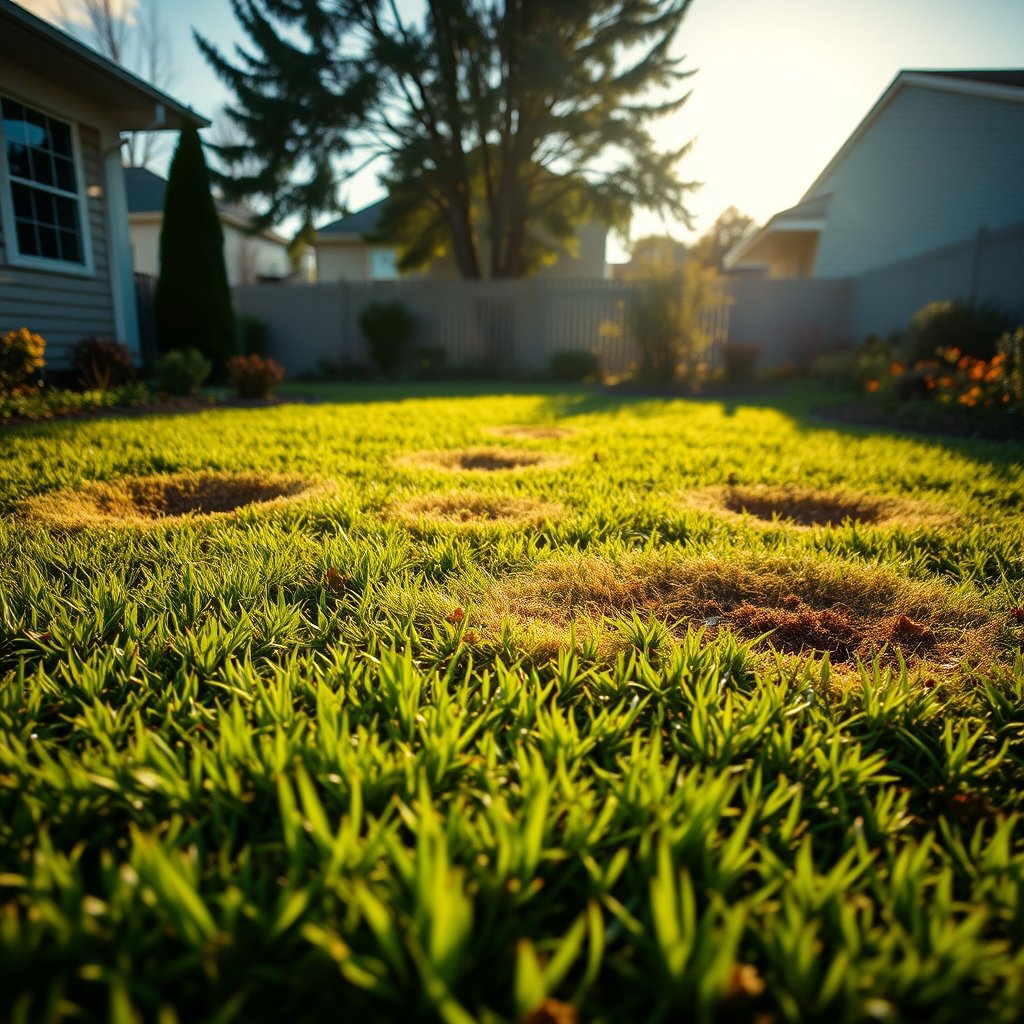
Bare spots in your lawn can be caused by heavy foot traffic, pet use, drought, pests, soil compaction, fungal disease, neglect, or even improper mowing. The most frequent problems users report are poor soil preparation (compacted or nutrient-deficient beds), unreliable watering, and seeding outside the optimal growing season.
Many homeowners try to fix these bare spots by simply tossing grass seed and hoping for the best. Unfortunately, this approach rarely works. Skipping critical steps—like clearing debris, aerating soil, or matching the right types of grass seed to your area—frequently leads to patchy, short-lived results.
Choosing the Right Grass Seed for Your Region
One of the most overlooked steps in lawn repair is selecting grass seed that matches your region’s climate and sunlight conditions. There are two main groups:
- Cool-season grasses (for northern states): Kentucky bluegrass, perennial ryegrass, tall fescue.
- Warm-season grasses (for southern states): Bermuda, Zoysia, St. Augustine.
Each of these grass seeds will perform better when matched to their intended climate. Sun and shade tolerance also matters—read grass seed labels closely for sun/shade compatibility.
According to research, cool-season grasses are best suited for the northern US, with warm-season types ideal for the south. Fast-germination options, like perennial ryegrass or fine fescue blends, are highly recommended for rapid repairs. [Source]
Never mix incompatible seeds—these often create mismatched lawns that still look patchy. If you have a shaded area, avoid sun-dependent seed varieties. For eco-friendly and low-maintenance alternatives, you might also want to read about clover lawn pros and cons.
The Step-by-Step Process to Repair Bare Lawn Spots (What Most Guides Miss)
Repairing bare lawn areas is a precise process. Here’s a comprehensive, long-term repair guide for lasting results:
- Identify and correct the cause. If heavy traffic, shaded areas, poor drainage, or pet activity is to blame, resolve it now. Failing to do this leads to repeat problems.
- Remove dead grass and debris. Use a rake or dethatcher to clear the spot down to bare soil. Discard any matted roots, stones, or weeds.
- Loosen soil thoroughly. Use a hand cultivator or garden fork and go at least 2–3 inches deep. This relieves compaction and helps new roots penetrate.
- Level the area and amend the soil. Blend in compost or topsoil as needed for nutrient content and water retention. Level so it matches the surrounding lawn, preventing bumps or dips.
- Aerate if soil is compacted. Simple manual coring near the spot can improve root health.
- Apply a starter fertilizer. This boosts seedling development but avoid over-fertilization—always follow the package label.
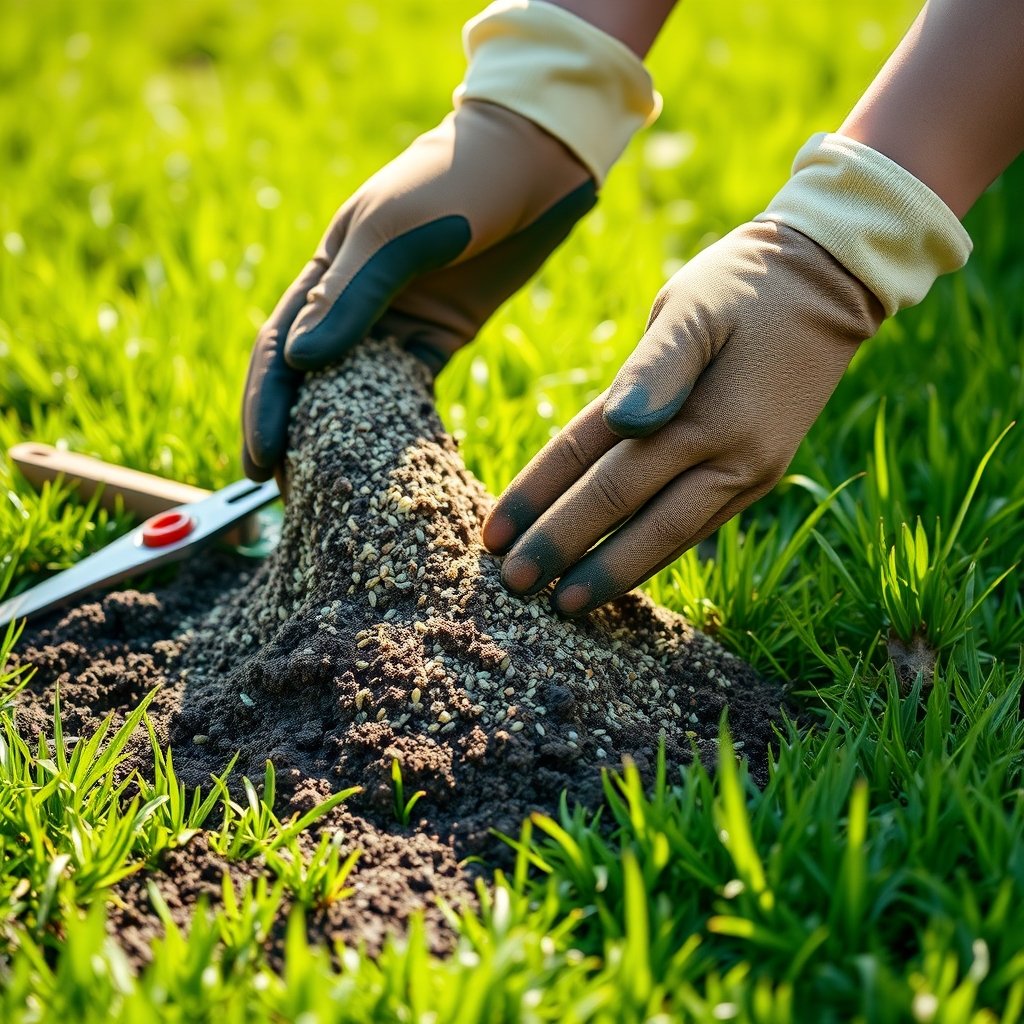
- Sow your grass seed evenly. Lightly rake to cover it with a thin soil layer (1/8 to 1/4 inch). Do not bury deeply.
- Water lightly and often. Keep the area consistently moist until seeds sprout and become established.
If you want hands-on visuals for similar lawn projects, our lawn care for beginners guide dives deeper into common rookie pitfalls and solutions.
Restoring curb appeal is about details. Choosing the right entry-level gardening gear can also help—consider the brands highlighted in our best garden tools guide for essential tools.
Seeding, Watering, and Aftercare: Best Practices for Lasting Results
Seeding is only the start—here’s how to ensure lasting coverage:
- Water consistently but lightly. Seeds must not dry out. Mist 2–3 times daily until germination, then reduce frequency as roots develop. Avoid puddling or washing seed away.
- Mowing timing. Wait until grass reaches at least 3 inches, then mow with sharp blades to encourage thickening. Never remove more than one-third at a time.
- Regular feeding. Apply a balanced fertilizer after the grass has been mowed twice. This encourages strong roots and color.
- Weed watch. Avoid using weed killer until grass is established—usually after three to four mowings.
- Foot traffic control. Keep people and pets off new grass as much as possible for at least 2–4 weeks.
According to recent findings, ongoing care with proper mowing and seasonal fertilization is the most reliable way to keep bare spots from returning. For more details on regular lawn upkeep, see our best lawn care tips guide.
If you are interested in hassle-free watering and maintenance, you might also want to upgrade your tools from our best lawn mowers guide.
Common Mistakes and Troubleshooting Tips
Even the best-laid plans can go sideways—here’s what causes most DIY lawn repairs to fail, and how you can recover:
| Common Mistake | Why It’s a Problem | Recovery Solution |
|---|---|---|
| Seeding at the wrong time of year | Poor germination; seed fails to take root | Wait for the prime growing season: spring or fall for cool-season, late spring for warm-season grasses |
| Neglecting soil prep (no loosening/amending) | Root compaction and poor seed-to-soil contact | Rake out debris; aerate; mix in compost/topsoil |
| Skipping starter fertilizer | Slow or uneven growth | Add starter fertilizer before seeding |
| Ignoring underlying pest/fungus problems | Same bare spot returns quickly | Treat for pests or fungus before sowing seed |
| Over- or under-watering | Damp rot, seed washout, or desiccation | Maintain soil moisture, not puddles; mist frequently until established |
| Wrong seed for your region or site | Poor long-term performance; mismatched lawn | Double-check sun/shade and climate matches per verified guides |
Many users report that simply scattering seed without loosening soil, applying starter fertilizer, or amending with compost/topsoil yields little germination (source).

Want tips on keeping your whole property in top shape? Try our home maintenance checklist guide for more seasonal advice.
Frequently Asked Questions About Lawn Repair
How long does it take for new grass to fill in?
Rapid-germination seeds like perennial ryegrass or fine fescue blends can provide green coverage within two to three weeks in ideal conditions. Other varieties may take four to six weeks or longer. Consistent moisture, correct sunlight, and warm soil speeds up the process.
Can I use a lawn repair kit instead of traditional seed and prep?
Lawn repair kits can save time but rarely outperform the results of manual preparation, soil amending, and using quality region-specific seed. They work best for very small spots or as a short-term fix.
What’s the best time of year to reseed lawn bare spots?
For cool-season grasses, early fall or early spring is ideal. For warm-season grasses, late spring to early summer works best. Seeding outside these windows results in poor germination and growth.
Why do my bare spots keep coming back?
Persistent problems often signal unaddressed causes underneath—compaction, fungus, pets, or water issues. Fix the underlying issue before starting lawn repair to prevent repeat bare areas.
Should I fertilize immediately after seeding?
A light application of starter fertilizer before sowing seeds is best. Wait to apply heavier fertilizers until the new grass has been mowed at least twice.
Conclusion
Knowing how to fix bare spots in lawn means moving beyond quick fixes. Invest in soil prep, choose seed carefully, and nurture new grass to maturity for a truly lush, patch-free yard. Ready to get started? Assess your yard, gather the right tools, and check out more trustworthy DIY tips in our DIY home improvement projects guide today.