

### Blog Post:
Clover lawn is sweeping through North American neighborhoods in 2026, promising lower maintenance, real savings, and a smaller footprint—but the reality isn’t always as simple as eco-friendly headlines suggest. If you’re a homeowner weighing the pros and cons, this breakdown offers data-driven answers plus the plain truth about what it’s really like to go green with clover.
Key Takeaways
- Clover lawns use up to 50% less water and eliminate most pesticides, but can be limited by HOA rules and aggressive spread.
- They offer lower maintenance and cost savings, yet attract bees and may not suit every family or municipal code.
- Understanding local regulations and carefully managing clover’s growth helps maximize benefits and avoid common headaches.
- Why More Homeowners Are Switching to Clover Lawns in 2026
- Water, Pesticides, and Fertilizer—How Clover Lawns Cut Your Lawn’s Environmental Footprint
- The Challenges and Criticisms of Clover Lawns—What Most Blogs Skip
- Is Clover the Low-Maintenance Lawn Solution for You? (Decision Checklist)
- Frequently Asked Questions About Clover Lawns
Why More Homeowners Are Switching to Clover Lawns in 2026
Interest in clover lawn alternatives has skyrocketed across North America, and it’s easy to see why. Faced with drought warnings, unpredictable rainfall, and rising water bills, homeowners want a low-maintenance, eco friendly lawn that goes beyond the marketing. Recent research from 2023 to 2026 shows clover-based lawns use roughly 30 to 50 percent less irrigation than conventional cool-season grasses—saving up to 1,200 liters per square meter during peak summer. Homeowners are also pressured to find grass alternatives that align with water restrictions and reduce the time spent mowing and maintaining their yards.

Unlike traditional turf, clover lawns deliver genuine cost savings, cut chemical usage, and can stay green during drought. However, “going clover” also means facing oversight from HOAs and potential issues with bees and invasive spread. Understanding both the upsides and possible headaches is critical if you want a truly eco-friendly, low maintenance yard.
Water, Pesticides, and Fertilizer—How Clover Lawns Cut Your Lawn’s Environmental Footprint
The solid environmental and financial benefits are why more homeowners now treat clover as a leading drought tolerant lawn solution. Clover has deep, nitrogen-fixing roots and a structure that resists most pests and weeds, drastically reducing your yard’s need for chemical intervention.
A case documented over three years showed a drop from $400–$500 in annual pesticide costs to zero after transitioning to a white-clover mix. Because clover keeps its own nitrogen supply via symbiotic bacteria, fertilizer needs are reduced by up to 70 percent compared to traditional grass. Most clover lawns require just a light spring feeding or none at all after establishment.

This means less runoff, a smaller carbon footprint, and tangible savings in monthly water bills—especially important if you live in drought-prone areas or face mandatory watering limits. Many property owners also see better weed suppression, as clover’s dense cover naturally outcompetes common pests. For a closer look at the eco-friendly science, check out these insights from Allen Outdoor and NaturaLawn.
Still, making your yard low maintenance doesn’t mean “maintenance-free.” Let’s examine where things can get complicated—and why not every lawn is suited for clover’s unique style.
The Challenges and Criticisms of Clover Lawns—What Most Blogs Skip
Clover lawns are often labeled as turnkey grass alternatives. But practical experience from homeowners, plus recent research, highlights key downsides you won’t see in marketing brochures. Below are the main drawbacks:
| Downside | Details | Who’s Most Affected? |
|---|---|---|
| HOA/Municipal Restrictions | Many neighborhoods, especially new developments, still require “uniform grass lawns.” Converting to clover may trigger compliance warnings, fines, or forced reseeding. | Homeowners in HOA communities; urban and suburban zones. |
| Bee/Allergy Risk | Clover flowers attract bees and other pollinators, boosting biodiversity but raising sting risk—an issue for families with small children, pets, or allergies. | Families with barefoot kids, outdoor pets, allergy sufferers. |
| Invasive Spread | Clover’s aggressive rhizome system can quickly spread beyond intended areas, sometimes invading garden beds, driveways, or neighboring lawns. | Properties with adjacent landscape beds or gardens. |
| Mowing Management | Cutting clover below 2.5 inches stresses roots and can promote root rot, especially if overwatered. Mower height and water management need a new learning curve. | DIYers used to “set it and forget it” lawn care. |
There’s also perception—some neighbors or associations may see a clover grass alternative as “weedy” or unkempt. If you live somewhere that prioritizes a manicured look, clover might not pass visual muster. And while it’s true clover suppresses many weeds, it isn’t immune: invasive thistles and dandelions can still emerge, though often in lower numbers than seen in standard turf (Oregon State research).
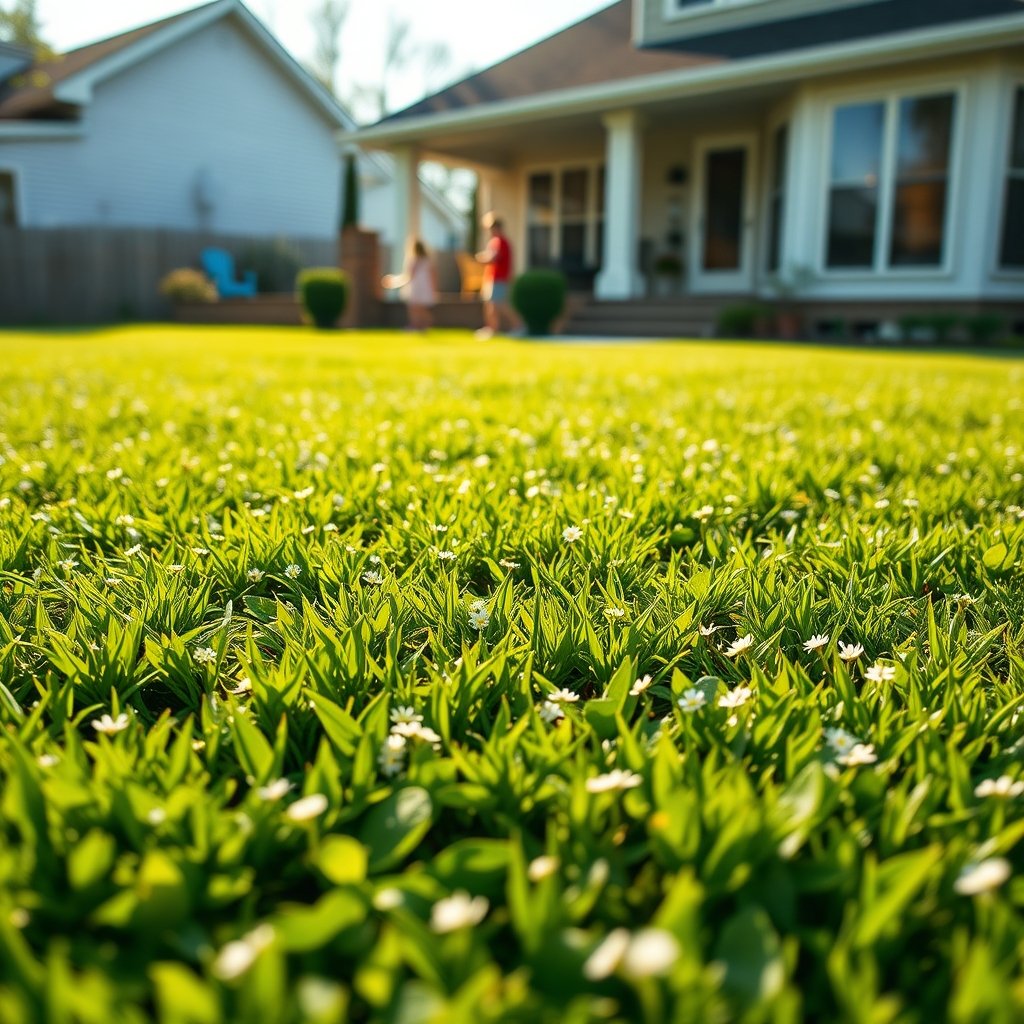
One common management suggestion: edge restraint strips or in-ground borders help curb spread but add extra installation cost. Realistically, adopting grass alternatives like clover also means some give-and-take—especially in tightly regulated communities.
If you want more ideas for integrating eco-friendly design (even indoors), consider reviewing minimalist kitchen design tips and space-saving cabinet trends for sustainability inspiration throughout the home.
Is Clover the Low-Maintenance Lawn Solution for You? (Decision Checklist)
Here’s a decision matrix to help you weigh whether clover lawn fits your practical and aesthetic needs. Remember, what works for your neighbor may not fly with your HOA—or might not be best for young families or pets.
| Benefit/Concern | What to Know |
|---|---|
| Water Consumption | 30–50% less irrigation than fescue or bluegrass; holds color during drought. |
| Fertilizer & Pesticide Use | Up to 70% less fertilizer needed; most owners do not need pesticides anymore. |
| Bee/Pollinator Activity | Increases; beautiful for wildlife, riskier for kids and pets. |
| HOA/Municipal Codes | Many codes remain “grass preferred”—always check before reseeding. |
| Mowing Height | Keep blades set above 2.5 inches; avoid scalping or waterlogged soil. |
| Spread Control | Needs edging or periodic hand removal to avoid garden/driveway invasion. |
| Ideal User | Eco-focused homeowners ready for a learning curve, strong desire to reduce chemical use, and flexible about traditional yard appearance. |
If you’re set on low maintenance lawn success, plan for upfront reseeding costs and possibly some re-education around mowing and fertilizing. For more on sustainable home transformation beyond the yard, see how natural wall finishes and DIY limewash paint are changing design in 2024.
Frequently Asked Questions About Clover Lawns
Can I plant a clover lawn if my neighborhood has an HOA?
It depends. Many HOAs in North America still require conventional turfgrass, but attitudes are slowly shifting. Always review your Covenants, Conditions & Restrictions (CC&Rs) first or ask your board for written approval—some have relaxed their language to allow grass alternatives like clover. For more, see Allen Outdoor’s HOA guide.
Are clover lawns safe for children and pets?
Clover itself is non-toxic to pets and children. The higher bee population may increase sting risk, especially during flowering. Mow often enough to keep flowers sparse if safety is a top concern, or consider microclover, which flowers less prolifically.
How much should I mow a clover lawn?
Clover lawns need less mowing than grass—often just one to two times per month. Keep blades set above 2.5 inches, and avoid mowing wet clover to reduce root stress and prevent compacted soil that leads to rot. Review city watering rules too—overwatering discourages healthy clover growth.
Will a clover lawn stay green during drought?
Yes. White clover and microclovers are much more drought-tolerant than traditional grass, staying green under long dry spells and bouncing back quickly after rain. However, new seed needs steady moisture for the first 3–6 weeks until roots take hold.
What should I expect in the first year after conversion?
The first year, expect a patchwork appearance as clover fills in. Bees will visit once flowering starts, especially in late spring. Proper mowing, watering, and some patience will help the lawn look lush by year two. Many homeowners post photos and tips in forums like The Lawn Forum.
Conclusion
Clover lawns promise real savings in water, pesticides, and fertilizer, reducing your environmental impact and monthly bills. But success depends on local codes, your family’s needs, and active maintenance to handle spread and pollinators. Ultimately, a clover lawn is the right choice if you’re ready for a few new routines and honest about potential downsides. Ready to break from the resource-heavy grass norm? Start by checking your HOA terms and mapping a low-maintenance future today.

[…] front, eco-friendly solutions have become mainstream. Powder-coated aluminum, recycled vinyl, and sustainably sourced timber are rising in popularity, with many manufacturers now offering “green” certifications. DIYers […]
[…] device pack—beating out smart thermostats and lights—as the top upgrade for those interested in home efficiency. According to market reports, brands like Siemens and Schneider have rushed to deliver […]
[…] or hidden kitchen storage guides. If you want to save water or upgrade curb appeal, look into clover lawn alternatives or pergola kits featured in trending home landscape […]
[…] If you are also exploring ways to upgrade your home wellness environment, you might like inspiration from resources such as minimalist kitchen trends and eco-friendly lawn alternatives. […]
[…] For more ways to get the best bang for your buck this year, check out our DIY pergola kit trend breakdown and eco-friendly clover lawn guide. […]
[…] to explore more creative yard enhancements? Discover eco-friendly lawn alternatives that lower maintenance without sacrificing […]
[…] Want a more sustainable approach? Choose clover as a natural lawn partner. It builds soil nitrogen, needs less mowing, and is becoming a mainstream trend in lawn care (see our full clover lawn comparison). […]
[…] a full breakdown of new sustainable alternatives, check out our guide on clover lawns, which addresses water use and hard-to-control weed pressure in today’s […]
[…] longer-term upgrades, consider more sustainable lawn alternatives for sections of your yard, like clover lawns that require less fertilizer and resist […]
[…] extra drought resilience, consider planting sections with sustainable species like clover; read our clover lawn pros and cons guide for practical […]
[…] a deeper look at eco-friendly yard care? Check out this guide to clover lawns for lower-maintenance […]
[…] share material provenance upfront. For someone trying to create an eco-friendly living space, our clover lawn guide covers green alternatives outside the home […]
[…] you want an eco-friendly alternative for your lawn and to spend even less time upkeep, explore clover lawns—a growing trend among busy […]
[…] needs—focus on landscaping and shade structures instead. Check out our pros and cons breakdown of clover lawns for regional lawn […]
[…] windows have a premium. Curious about eco-friendly lawns or drought-proof yards? Check the guide on clover lawns as a grass alternative for changing […]