

### Blog Post:
Best Electric Lawn Mower options have completely changed how suburban homeowners and small commercial operators keep their lawns in shape. In YYYY, the electric and battery lawn mower market hit record highs, yet choosing the right cordless lawn mower isn’t straightforward. Below, you’ll find a no-fluff, real-world buyer’s guide—rooted in fresh data, battery performance insights, and cost breakdowns that matter in day-to-day use.
Key Takeaways
- Battery-powered and cordless lawn mowers now cover the majority of new sales and offer quieter, lower-maintenance alternatives to gas models.
- Real battery performance, brand fit, maintenance costs, and lawn size must all factor into choosing the best electric mower for your yard.
- Hidden costs, battery degradation, and handling are often overlooked—this guide addresses what others miss.
- Why YYYY Is the Year of the Electric & Battery Lawn Mower
- The Best Electric Lawn Mowers of YYYY (Top Picks & Brand Leaders)
- Real-World Battery Performance: What Most Buyers Don’t Realize
- Electric vs. Gas—Hidden Costs, Savings, and What to Expect Over Time
- Choosing the Right Electric Mower For Your Lawn Size and Needs
- Frequently Asked Questions About Electric Lawn Mowers in YYYY
Why YYYY Is the Year of the Electric & Battery Lawn Mower
The past year marked a tipping point for the electric mower and battery lawn mower market. U.S. unit sales for battery-powered models jumped by 28%. Cordless units now claim roughly 72% of new mower sales, revealing a clear shift away from gas and corded mowers. Why? Technology has evolved rapidly: today’s lithium batteries deliver more reliable runtimes, while brands like EGO Power+, Greenworks, and Deere have pushed build quality and smart features further than before.
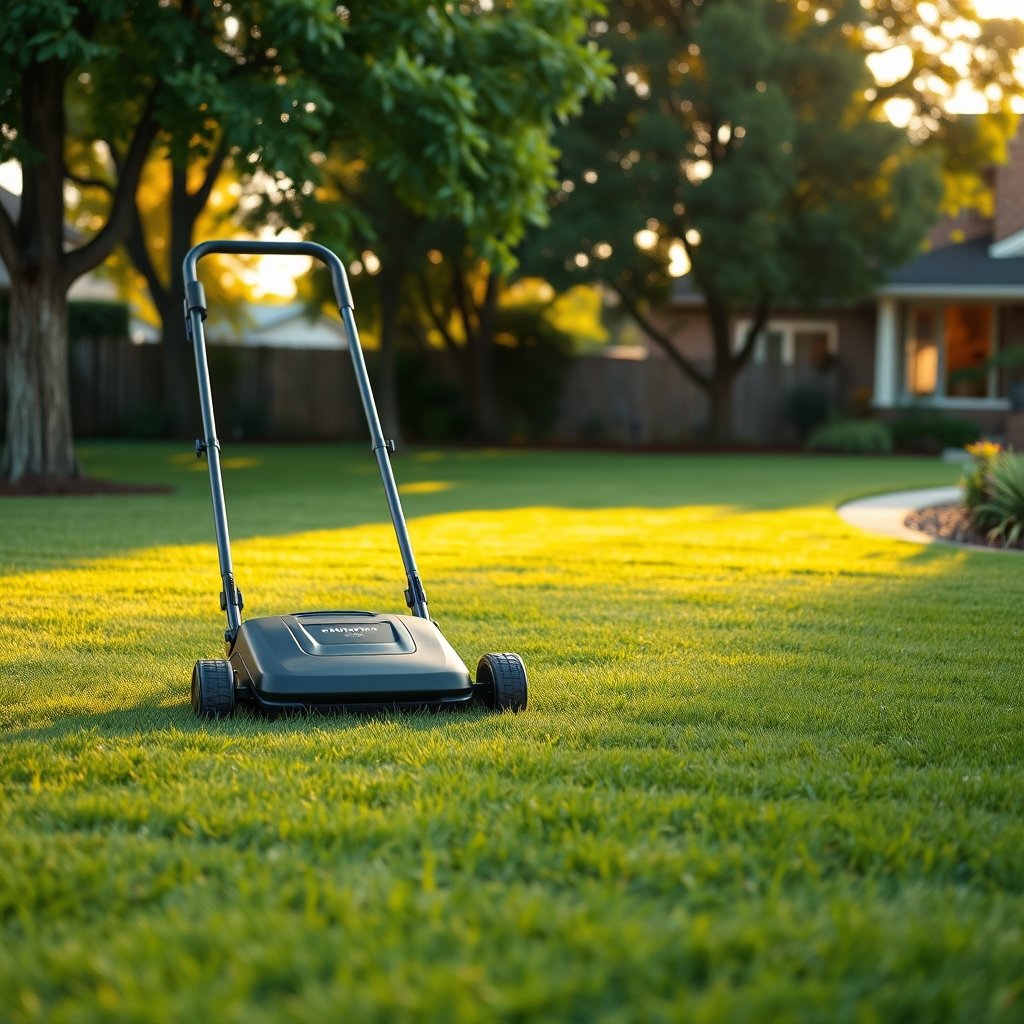
For suburban homeowners, quieter mowing, no oil changes, and easier storage are key draws. Small commercial operators are attracted by reduced maintenance needs and fewer emissions. According to recent forecasts, North America now represents nearly 39% of global demand, and the cordless walk-behind segment dominates the residential category. It’s not just a trend—it’s the new standard in lawn care.
The Best Electric Lawn Mowers of YYYY (Top Picks & Brand Leaders)
With so many electric mowers available, focusing on proven brand leaders and real yards-tested differentiators is essential. Here’s what the data reveals for YYYY:
- EGO Power+ commands a 20–24% share through robust build quality, reliable cut even on taller grass, and a range of self-propelled models. However, users report batteries are heavy and awkward to remove for charging (see the Popular Mechanics review).
- Greenworks follows at 16–20%. These mowers offer predictable, balanced runtime. Their 40V and 60V systems are especially praised for faster battery swaps and lighter handling. Medium to larger lawns often match well with Greenworks units.
- Deere (14–17% market share) brings traditional durability to the cordless space and has improved user interface and handling, although models tend to be heavier than competitors.
Other notable picks include Snapper XD and WORX for their value-oriented cordless lawn mower models, targeting homeowners with small to mid-sized yards. When comparing, look for:
- Cut Quality: Consistent even on damp or thick grass.
- Battery System: Ease of removal, recharge time, and long-term degradation transparency.
- Features: Smart/app-based controls, bagging vs. mulching, self-propulsion, and handle adjustability.
For a comprehensive mower roundup, see this Best Lawn Mowers Guide or our detailed Electric Lawn Mower Comparison.
Real-World Battery Performance: What Most Buyers Don’t Realize
Battery lawn mower marketing often claims “up to” hour-long runtimes—but real-world data shows most users see 35 to 50 minutes per charge, especially if mowing denser or slightly overgrown grass. Under heavy conditions, performance drop-off (battery fade) is common and can mean finishing the job takes longer—or forces a mid-cut recharge.
Repeated in owner feedback are two pain points: batteries that are physically hard to lift out for charging (EGO being the most mentioned example), and no clear way to check how battery health will decline after two to four years of use. Most batteries degrade, sometimes keeping only 80% of original capacity after three seasons. Many buyers only discover this once warranty coverage lapses.
To extend runtime and battery lifespan:
- Only mow when grass is dry to reduce strain and slow fade.
- If your lawn is large, consider models like Greenworks or Snapper that allow true “hot swapping” of batteries during a session.
- Charge batteries before they dip below 20% and never store them in direct sunlight or uninsulated sheds.
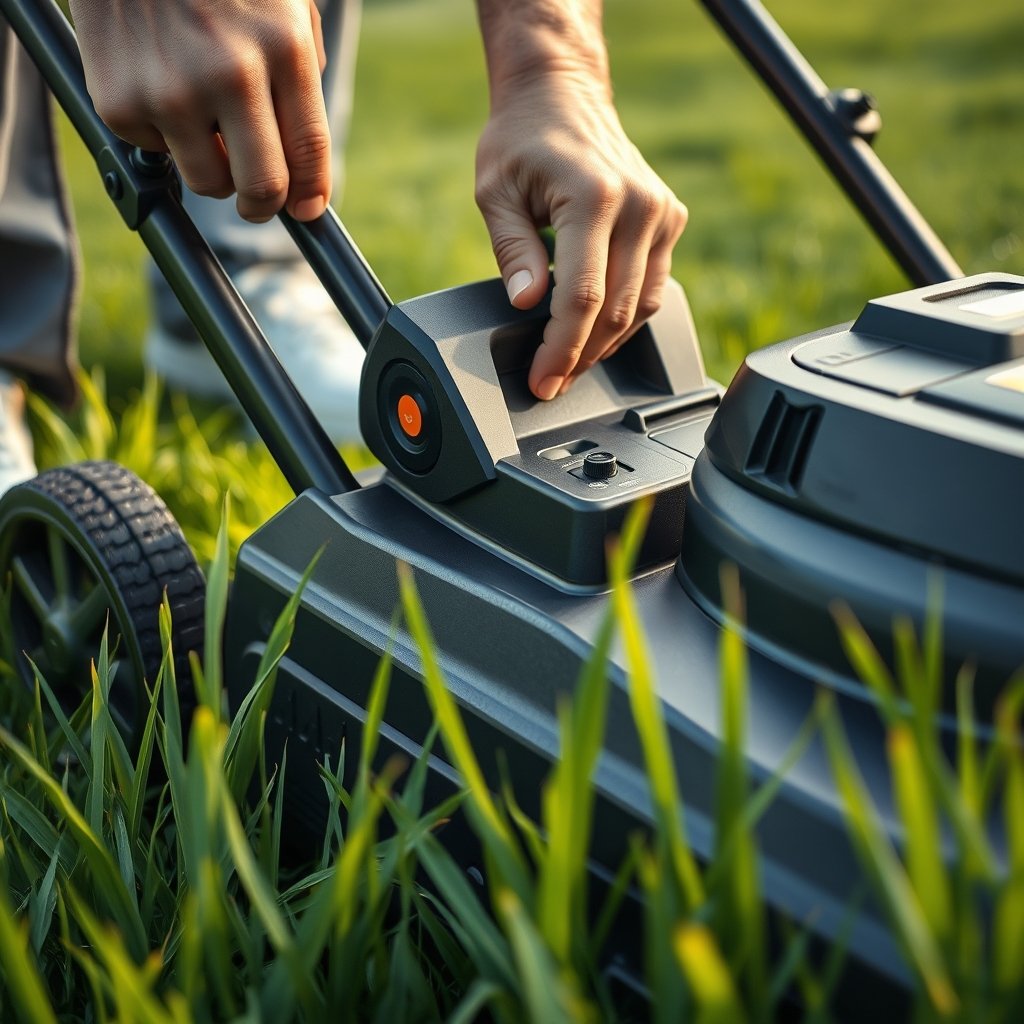
For more on real-world cordless tool reliability, check our Best Power Tools Guide and Best Cordless Drills Comparison.
Electric vs. Gas—Hidden Costs, Savings, and What to Expect Over Time
Many “best electric lawn mower” guides stop at performance—but long-term cost analysis matters just as much. Here’s what you need to know:
| Category | Electric (Battery) | Gas |
|---|---|---|
| Upfront Cost | $350–$700 (includes battery/charger) | $280–$550 |
| Cost Per Acre (Annual, avg.) | $5–$14 (electricity/battery wear) | $25–$35 (fuel, oil, spark plugs) |
| Annual Maintenance | Annual Maintenance: $10–$25 (blade sharpening) | $40–$80 (oil, filters, tune-ups) |
| Battery/Engine Replacement Cycle | Battery: 3–5 years ($80–$200) | Engine: 7–10 years ($120+) |
| End-of-Life/Resale | Lower resale if battery is aging | Moderate resale, more serviceable |
Electric mower buyers spend a bit more up front, but maintenance is dramatically lower over time. The true hidden cost: battery lawn mower batteries begin to degrade after a few years, gradually reducing runtime and often requiring replacement before the rest of the mower wears out. Many homeowners overlook this detail. In contrast, gas mowers demand more frequent tune-ups and recurring fuel costs—plus more emissions and noise.
Guides often gloss over the actual cost-per-acre, yet by years three to five, the net savings typically tilt toward electric for average-size properties. For an in-depth cost breakdown comparison, this external market research breaks down maintenance and ownership trends.
Choosing the Right Electric Mower For Your Lawn Size and Needs
Not every “best electric lawn mower” is right for every yard. Match your use-case below to avoid regrets:
- Small Yard (under 5,000 sq ft): Lightweight, entry-level cordless models (Greenworks 40V, Snapper XD 82V) with single batteries deliver more than enough power. Look for quick-finish runtimes and minimal storage footprint.
- Medium Yard (5,000 to 10,000 sq ft): Step up to self-propelled or dual-battery cordless lawn mower units. The walk-behind segment—the most popular globally—captures more than 54% of demand and provides balanced runtime and handling.
- Large Yard (10,000+ sq ft): Consider mowers allowing battery hot swap or commercial-grade units (EGO Power+ Select Cut XP, Greenworks Pro 60V). If you’re mowing infrequently or grass gets tall, invest in higher voltage batteries and consider a backup unit or rapid charger.
- Accessibility/Mobility Concerns: Self-propelled cordless mowers greatly reduce physical strain. Adjustable handles and smart starting mechanisms, now common, help even more (see industry research).
If you’re also considering eco-friendly alternatives, check out our guide to clover lawns vs. traditional grass—a maintenance-saving trend for modern yards.
See more on creating outdoor living spaces and lawn care techniques for the full picture.
Frequently Asked Questions About Electric Lawn Mowers in YYYY
How long does the battery last in most electric mowers?
Most cordless lawn mower batteries deliver 35–50 minutes of cutting on a single charge under typical conditions. Over three to five years, batteries may lose 15–25% of their original capacity, especially if stored poorly or pushed to full depletion repeatedly.
How do I make my electric mower’s battery last longer?
Mow dry grass routinely, avoid draining the battery fully, and store batteries indoors—never in a hot shed or garage. Clean contacts after every use and invest in a second battery to alternate use.
Is it worth switching from a gas mower to electric?
For most suburban homeowners, yes—electric mowers cost less to maintain, run quieter, and eliminate the hassle of oil and fuel. Over five years, most buyers see net savings, though expect to replace batteries at least once.
How safe are electric and battery lawn mowers?
Modern electric mowers include safety interlocks, auto shutoff, and advanced blade-stop technology. App-based and smart controls are becoming standard, named as a critical feature by 61% of manufacturers. Always follow manufacturer safety guidelines.
What’s the future for smart or app-enabled mowers?
Smart controls and automation are major areas of development. Expect more models with app-based scheduling, battery status details, and even robot or semi-autonomous mowing options soon.
—