

Thinking about a new floor? Flooring installation can completely change a home’s look and value—but it’s rarely as simple as picking what looks good in the showroom. Today, we’ll pull back the curtain on 2026’s actual costs, potential headaches, and the crucial steps you won’t find in most installation guides. Make the smartest choice before you spend a dime or swing a hammer.
Key Takeaways
- 2026 installation costs and ROI for hardwood, laminate, vinyl plank, and tile vary much more than you think once prep and surprises are factored in.
- Most guides skip vital subfloor and moisture-prep steps—skipping these leads to the most common and expensive real-life flooring complaints.
- You must compare user challenges and prep realities, not just style or materials, to find the best flooring option for long-term value.
- Flooring Installation Costs in 2026: What to Expect
- Flooring ROI: Which Option Pays Off Best?
- Real User Experiences: Complaints and Challenges After Flooring Installation
- The Overlooked Essentials: Floor Preparation & Subfloor Pitfalls
- Choosing the Best Flooring Option for Your Needs in 2026
- FAQ
Flooring Installation Costs in 2026: What to Expect
Let’s get honest about flooring installation costs in 2026. Homeowners face huge differences not only in materials, but also in labor and prep expenses—factors often glossed over in most guides covering the best flooring options.
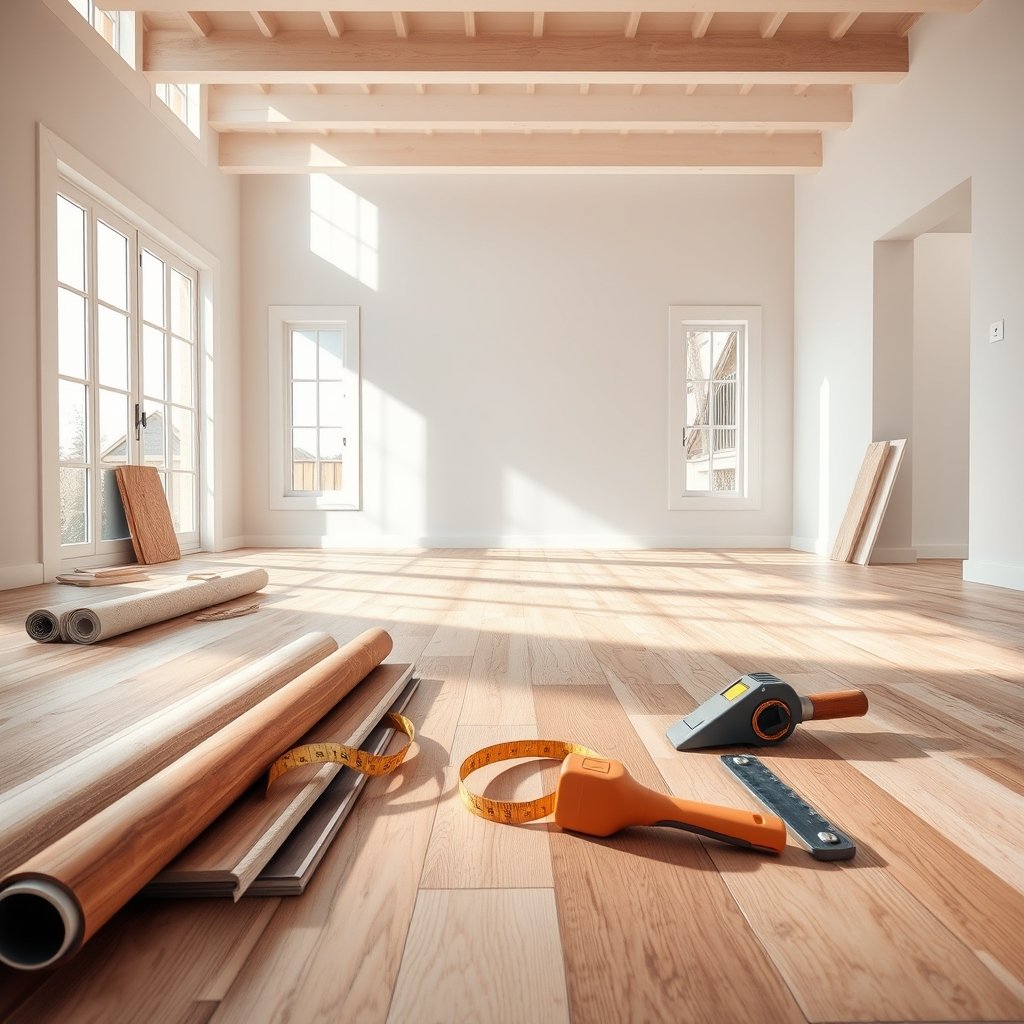
Average installed costs by flooring type:
- Hardwood: $8–$12 per sq ft (includes finish and basic prep)
- Laminate: $3–$5 per sq ft
- Luxury Vinyl Plank (LVP): $4–$7 per sq ft (material $2–$5 plus labor)
- Tile (ceramic/porcelain): $9–$15 per sq ft (labor often 2–3 times higher than LVP)
Factor in demo, subfloor repairs, or moisture mitigation and costs can jump by $1–$4 extra per sq ft, especially if older carpet or uneven flooring is present. Always confirm labor quotes include prep, disposal, and transitions.
For budget planning, compare with detailed cost breakdowns from expert sources and use transparent contractor line items. If you’re considering a broader renovation, bundle projects with smart upgrades in mind—check our guide on kitchen remodeling costs and tips for strategic planning.
Flooring ROI: Which Option Pays Off Best?
It’s important to weigh each material’s potential return alongside installation cost. Here’s what the numbers tell us in 2026 about hardwood flooring, laminate flooring, and other popular picks:
| Flooring Type | Installed Cost (per sq ft) | Estimated ROI |
|---|---|---|
| Hardwood | $8–$12 | 80–90% |
| Tile | $9–$15 | 70–80% |
| Laminate | $3–$5 | 60–70% |
| Luxury Vinyl Plank | $4–$7 | 50–60% |
Source: 2024 cost and ROI averages.
Hardwood delivers the best resale boost—especially in high-demand neighborhoods and upper-midscale homes. Tile is next for ROI and holds up in luxury settings, though labor costs can blunt the margin. Laminate and LVP bring style and fast install at lower up-front prices, but buyers often value them less on the resale market.
If resale is your main goal, weigh your total investment against local buyer preferences. Planning a broader home upgrade? Our home improvement ROI guide compares project payoffs side by side.
Real User Experiences: Complaints and Challenges After Flooring Installation
Online reviews and real customer calls tell a different story than marketing brochures. Here’s what users report after the installers leave—especially for vinyl plank flooring and tile flooring:
- Hardwood: Squeaking, edge or board movement, “cupping” (warping) in humid spots, and the surprise need for periodic refinishing in active homes.
- Laminate: Surface scratches, “hollow-floor” noise, planks shifting over time, plus poor moisture resistance—think swelling if spills aren’t caught fast.
- Vinyl Plank Flooring: Seam delamination, clicking or hollow sounds if subfloors weren’t leveled, denting from heavy furniture, concerns over lingering off-gassing, and limited options for spot repair or refinishing. More details from the pros can be found at this flooring expert review.
- Tile Flooring: Cracked grout, “lippage” tripping hazards when tile heights aren’t even, perpetual coldness underfoot, and very high repair costs if tiles chip.
Certain problems only surface months later or after a seasonal humidity swing—these aren’t just cosmetic, either. They affect long-term satisfaction and maintenance bills. Planning for durability? See how flooring fits into whole-home resilience in our energy-efficient home upgrades guide.
The Overlooked Essentials: Floor Preparation & Subfloor Pitfalls
The most common cause of flooring disappointment isn’t the wrong color—it’s what lies beneath. Many best flooring options guides barely mention subfloor and prep work, but professionals know these steps often make or break your results.
Critical, but often overlooked, essentials before installation include:
- Moisture barrier is mandatory for LVP and hardwood on slab—no plastic, no warranty.
- Joist reinforcement or additional plywood for hardwood over old concrete or creaky basements.
- The right sound and movement underlayment for floating floors (especially laminate and vinyl plank flooring where “give” and noise can be a daily issue).
- Don’t guess on transitions—plan before install to avoid ugly thresholds or mismatched heights if going over old carpet, tile, or warped subfloors.
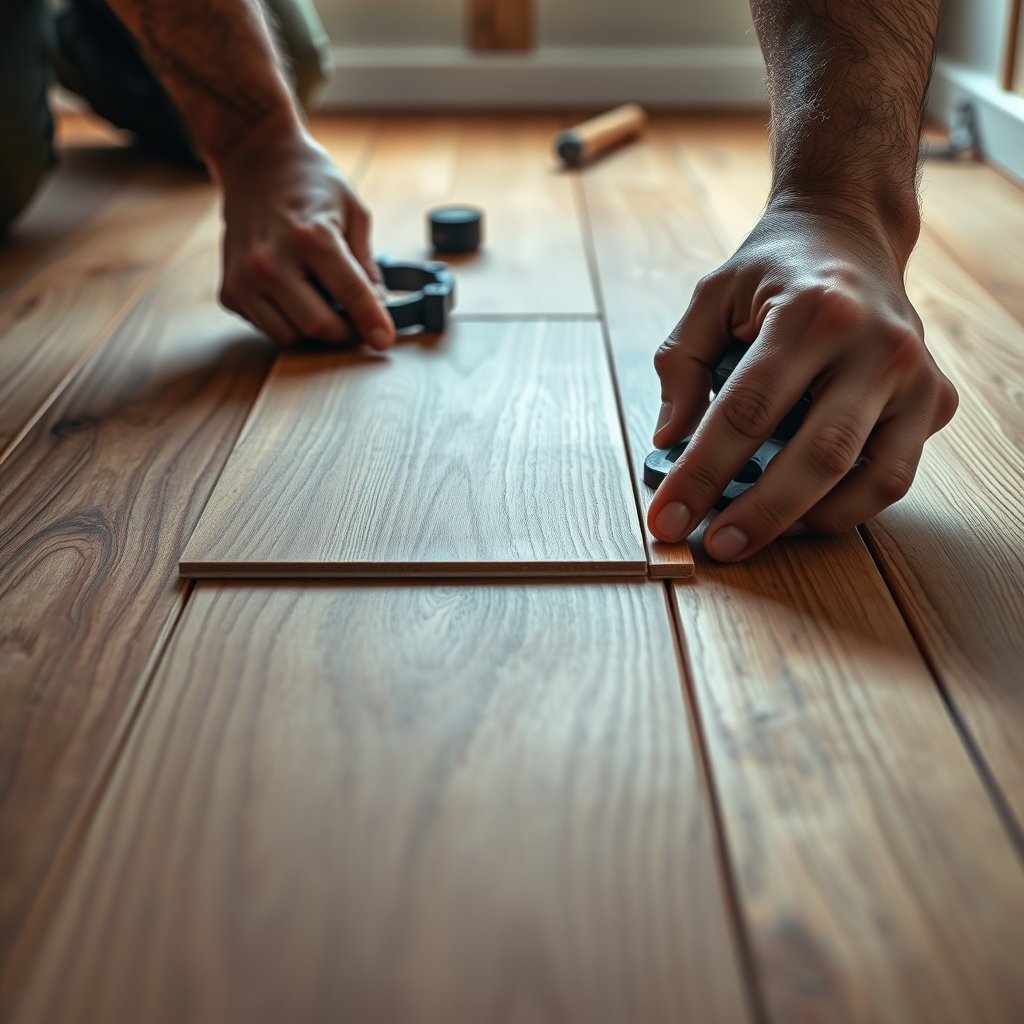
Still DIY curious? Start with our step-by-step beginner’s guide to DIY home improvements, and look into quality tool selection in our 2024 best power tools roundup—better tools mean better prep and fewer surprises.
Choosing the Best Flooring Option for Your Needs in 2026
Your best flooring options depend on lifestyle, location, and how much hassle you’re willing to handle post-install. Here’s a synthesis to help you decide:
- Prioritizing ROI & Resale: Hardwood wins if you’re selling in the next 5–10 years or live in a premium neighborhood. Just build in costs for future refinishing and climate control.
- Busy, Active Households: Tile stands up best to pets and kids, but mind the cold underfoot and grout upkeep. LVP is a strong second for low-fuss cleaning.
- Lowest Cost, Quick Install: Laminate and basic LVP floors can cut costs but often reveal weaknesses in high-traffic areas.
- Lowest Maintenance: LVP and quality laminate keep maintenance minimal, but only if the subfloor is prepped meticulously and topcoats are up to spec.
| Flooring | Cost* | ROI | Common Issue | Best For |
|---|---|---|---|---|
| Hardwood | $8–$12 | High | Squeaking/cupping, refinish cycles | Luxury resale, timeless style |
| Laminate | $3–$5 | Medium | Scratch/sound, moisture weak | Budget upgrades |
| Luxury Vinyl Plank | $4–$7 | Low-Med | Seam wear, denting, off-gassing | Easy-care, moderate traffic |
| Tile | $9–$15 | High-Med | Grout cracks, feels cold | Wet areas, high durability |
*Installed average cost per sq ft. See all Figures above for details sourced from this expert breakdown.
Ready to blend style across rooms? Modern design trends like invisible kitchens, statement lighting, or bold color drenching pair especially well with neutral, resilient floors.
Conclusion
Flooring choices go far beyond color and price tags. The real test of any flooring installation is how it stands up after a year of real use—when prep shortcuts and material mismatches become all too clear. Plan for total costs, know your subfloor—and pick materials based not just on initial style, but on expected ROI and the problems you’re willing to manage.
Make sure your next steps are the right ones—review our full home renovation guide, or browse our best-of tips for bathroom upgrades and more. Decide with confidence and avoid regret. Ready to start? Book a professional consult or download a step checklist before installation begins.
FAQ
What is included in professional flooring installation costs?
Most professional quotes should include material delivery, basic subfloor leveling (within limits), removal of old flooring, installation, and disposal. Always double-check that moisture mitigation or complex subfloor prep is not excluded.
Which flooring is best for homes with kids and pets?
Tile and luxury vinyl plank flooring handle spills and mess best. Choose products with durable topcoats and avoid glossy laminates, which scratch more easily.
What are the top subfloor mistakes homeowners make?
Skipping moisture barriers, installing over unlevel surfaces, and neglecting to reinforce soft or damaged subflooring are the main errors. These flaws nearly always lead to movement, cracks, or early material failure.
Does flooring installation require moving out?
Usually, you can stay during most installations, but dust, adhesives, and noise can be disruptive. If installing in key rooms like kitchens or baths, plan for a few nights elsewhere or stagger projects for easier living.
Can I install new floors over old tile or hardwood?
Sometimes, but only if the base is completely sound, flat, and moisture-safe. Floating floors like vinyl or laminate often go over old surfaces with the right underlayment—consult a pro for a full prep assessment first.