
### Blog Post:
Home Insulation Tips can make the difference between a home that is drafty and expensive to run, and one that is comfortable, energy efficient, and eco-friendly year-round. With energy prices surging in YYYY and many utility incentives at their highest, optimizing your insulation today has never been more practical or more rewarding.
Key Takeaways
- Upgrading attic and wall insulation can cut heating and cooling costs by 20–50%, often saving $200–$400 annually and offering a payback in 5–15 years.
- DIY solutions work for attic insulation and air sealing, but eco-friendly materials and complex projects may require professional help and careful planning.
- Eco insulation materials, tax credits, and smart home sensors help maximize comfort, savings, and sustainability in YYYY.
- Why Home Insulation Matters in YYYY
- Attic vs. Wall Insulation—Where Should You Start?
- Real Homeowner Challenges with Insulation Projects
- Top DIY Home Insulation Tips (and When to Call a Pro)
- Eco-Friendly & Low-Carbon Insulation Solutions
- Maximizing the Payoff—Financing, Tax Credits, and Smart Monitoring
- Pro Tips: Air-Sealing and Insulation for Unique Homes
- Conclusion
- FAQ
Why Home Insulation Matters in YYYY
For most homeowners, heating and cooling account for over half of monthly energy bills. Strategic upgrades and smart Home Insulation Tips not only reduce those bills, but also create a more comfortable and healthy living environment. In YYYY, this matters more than ever as climate variability increases and energy costs reach new highs.
Upgrading attic insulation alone can reduce heating and cooling bills by 10%–20%—that’s typically $200–$400 saved each year for an average U.S. household [source]. For combined attic and wall insulation upgrades, the right improvements can sometimes deliver overall energy savings of 20%–50%, especially when paired with thorough air sealing.
Better insulation means fewer drafts, more even temperatures, and less strain on your HVAC system. Well-insulated homes also enjoy improved indoor air quality and reduced carbon footprints—core priorities for sustainability-minded homeowners in YYYY.
Attic vs. Wall Insulation—Where Should You Start?
If you’re deciding between attic insulation or wall insulation as your first investment, prioritize your strategy for quickest results and best efficiency gains.
Attic insulation is almost always the highest-ROI project for older homes. Warm air rises, so most heat loss occurs through the top of the house. Quality attic insulation can yield energy savings of 15%–30% alone, often with a payback of just 5–8 years [source]. Recommended R-values for most U.S. climate zones are R-38 to R-60 for attics [source].
Wall insulation closes the gaps further, especially in older homes without any previous cavity fill or insulated siding. Wall insulation typically delivers 15%–20% energy savings, but it’s more complex and has a payback of 10–15 years due to higher labor and material costs. DOE recommendations for walls are R-13 to R-21 depending on your region.
If your attic is under-insulated, start there. Add wall insulation later—often when re-siding, remodeling, or addressing comfort issues in specific rooms. For a more complete approach, see our comprehensive energy efficient home upgrades guide.
Real Homeowner Challenges with Insulation Projects
Even the best Improve Home Insulation projects come with trade-offs. Here are some common real-world obstacles and what homeowners say after attempting upgrades:
- Messy Installation: Insulation is dusty work, especially with fiberglass or cellulose. Cleanup and personal protection are a must.
- Access Issues: Tight attic eaves, finished walls, and floors make full coverage hard without demo or specialty tools.
- Cold/Drafty Spots: Uneven coverage or compressed batts lead to cold zones. These are most noticeable in corners, around can lights, or near attic hatches.
- Moisture Problems: Without correct vapor barriers, insulation can trap moisture, causing mold or rot.
- Complexity & Cost: Retrofitting insulation around wiring, plumbing, or structural features takes time—and often professional help.
- Payback Patience: Wall insulation offers slower ROI since the work is invasive and costlier.
Setting realistic expectations will help you minimize disruption, budget wisely, and pick the right team. See more tips in our home improvement mistakes guide.
Top DIY Home Insulation Tips (and When to Call a Pro)
Some Home Insulation Tips are simple and perfect for DIY. Others are best left to trained pros. Here’s how to approach the project safely and effectively:
DIY-friendly insulation jobs:
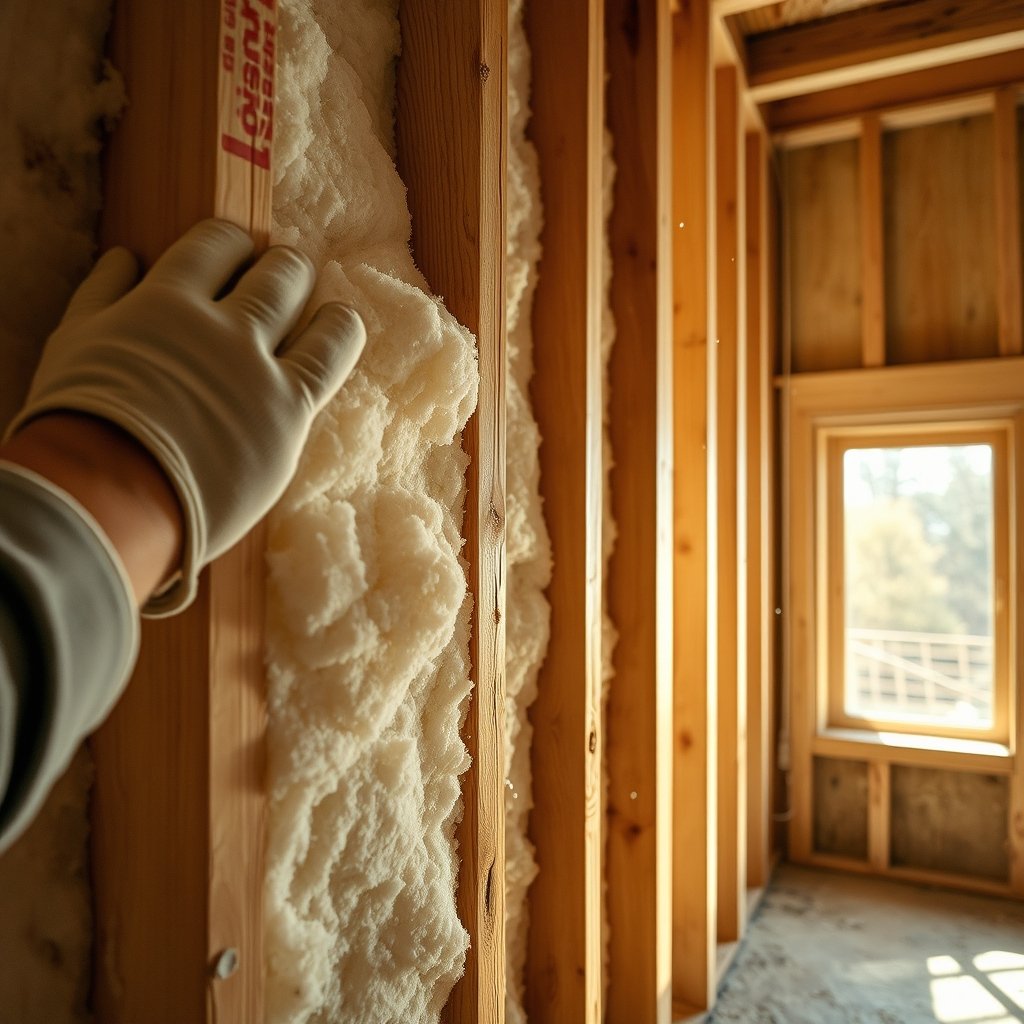
- Add batts or blown-in insulation in open attics (R-38 or higher).
- Install rolled insulation in crawl spaces or unfinished basements.
- Weatherstrip attic hatches, doors, and windows.
- Seal obvious air leaks with caulk or foam (rim joists, holes, gaps).
Essential safety tips:
- Wear gloves, long sleeves, eye protection, and a certified mask or respirator—especially with fiberglass, spray foam, or blow-in cellulose.
- Rent a quality insulation blower if tackling cellulose yourself, but don’t skimp on coverage in tight/corner spots.
- Check for signs of moisture first—never insulate over a leaky roof or wet wood.
Call a pro for:
- Spray foam jobs, wall insulation behind existing drywall, or tight-spot retrofits.
- Insulation around knob-and-tube wiring, vermiculite/vermiculite removal, or if you suspect asbestos (older homes).
- Historic homes with unknown wall composition or major vapor/moisture risks.
Not sure where to start? Use our home maintenance checklist and prioritize the highest-leverage insulation upgrades first.
Eco-Friendly & Low-Carbon Insulation Solutions
Switching to eco-friendly insulation isn’t just a feel-good move—it’s a strategic way to Improve Home Insulation and reduce your home’s environmental footprint while controlling costs.
Key low-carbon insulation materials:
- Hemp batts: Rapidly renewable, non-toxic, moderate R-value (similar to fiberglass).
- Cellulose: Recycled newspaper, excellent R-value, moderate cost. Naturally fire resistant but can settle if installed poorly.
- Denim/cotton: Recycled jeans, safe to touch, but can absorb moisture.
- Cork panels: Sustainably harvested, great for soundproofing with modest insulation value.
- Mineral wool: Made from slag or basalt, high R-value, excellent fire and moisture resistance.
When evaluating eco materials, balance R-value, water diffusion (permeability), sourcing, and total “embodied carbon” [source]. In cold or wet regions, vapor-open insulations (like mineral wool) minimize condensation risk while delivering sustained energy savings.
For a detailed assessment of which materials work best in your region, consult with a pro or reference our DIY home improvement guide.
Maximizing the Payoff—Financing, Tax Credits, and Smart Monitoring
In YYYY, many insulation upgrades qualify for cash rebates, grants, or federal energy tax credits. Programs change regularly, but most reward energy-efficient attic and wall insulation if installed to DOE recommendations and paired with air sealing. Look for state or local utility offers—plus check if eco-friendly products have additional incentives.
To finance larger projects, some lenders offer home improvement loans or on-bill financing with favorable terms for sustainability-minded families. Always get multiple quotes, ask about certified installers, and ensure paperwork meets rebate requirements.
Finally, integrate your upgrades with smart plug-in temperature and humidity sensors to monitor the real-time impact of new insulation. Track energy savings, comfort levels, and potential new draft sources. For tech-savvy upgrades, our smart home energy monitor guide is a valuable resource.
Pro Tips: Air-Sealing and Insulation for Unique Homes
Historic homes, tightly framed older buildings, and modern energy retrofits all have special insulation needs. Here’s what sets them apart:
- Typical “cavity-only” wall insulation leaves out roughly one-quarter of the framed area—the wall studs themselves, which have far lower R-value than insulation. This causes up to 25% loss in overall wall performance [source].
- Consider continuous exterior insulation—a layer of rigid foam or mineral wool sheathing over the studs—especially if residing or replacing siding. This can transform both energy efficiency and comfort.
- Always sequence air sealing before cavity insulation to keep outside air from bypassing your hard work.
- For finished historic walls, blown-in cellulose is often the least invasive, but always check for knob-and-tube wiring and moisture issues first.
- Track indoor humidity—older homes are more susceptible to condensation if vapor flow isn’t carefully managed.
Learn about insulation in the context of full house upgrades in our home improvement ideas guide. If you’re tackling a particularly unique or valuable property, consult a specialist before starting.

Conclusion
Modern Home Insulation Tips go far beyond simply stuffing batts in the attic. With today’s high utility costs, eco-friendly options, and smart sensor tech, upgrading insulation is one of the most impactful home improvements you can make in YYYY. By focusing first on air sealing and attic insulation, exploring sustainable materials, and leveraging available incentives, you’re positioned to save on bills, improve comfort, and support a greener future.
Ready to take the next step? Start with an energy audit, explore rebates, or get inspired with more best home improvement ideas. Your family’s comfort—and wallet—will thank you.
FAQ
How much does it cost to add attic insulation in YYYY?
On average, attic insulation costs $1.50–$3.50 per square foot, depending on the material and job complexity. Most homeowners spend $1,800–$3,500 for a complete upgrade, but tax credits or rebates can offset a portion of that expense.
Can I DIY wall insulation, or is it a pro-only job?
Basic wall insulation for new construction or open studs is DIY-friendly. Retrofitting walls in finished spaces usually requires professional help, as access is limited and proper installation is critical to avoid moisture and air gaps.
What eco-friendly insulation has the highest R-value?
Mineral wool delivers the highest R-value among eco options (about R-4.0 per inch), and is highly fire and moisture resistant. Rigid cork and hemp batts are also competitive, but always compare your local code requirements and climate zone needs.
Which insulation upgrades qualify for tax credits?
Most federal and state credits apply to attic, wall, and floor insulation, as long as products meet or exceed DOE standards for your region. Eco-friendly and recycled-content materials may qualify for extra incentives in some utility districts.
How do I monitor results after insulating?
Add smart sensors for temperature and humidity in major rooms and attic spaces. Compare readings before and after to track hot/cold spots and see your real-world savings. Smart thermostats also help manage your new efficiency gains.