

### Blog Post:
Lawn Care for Beginners is usually more challenging than people expect. Most first-time homeowners or renters start full of motivation—only to see their lawns struggle, turn patchy, or become overtaken by weeds despite their best efforts. If you want to avoid waste and raise your lawn’s game right from the start, keep reading. Below you’ll find proven steps, overlooked pitfalls, and the smarter path for beginner lawn care in every climate.
Key Takeaways
- Most lawn care mistakes aren’t about neglect—they’re about well-meaning actions done the wrong way or at the wrong time.
- Testing your soil, knowing your grass type, and using climate-tailored advice are the true “secret weapons” for lawn success.
- There’s no universal schedule—build your care routine around your yard’s unique needs and your region’s climate.
- Why Beginner Lawn Care Efforts Fail (and How to Fix Them)
- The Top Mistakes New Lawn Owners Make
- Three Essential Steps Most Beginner Lawn Guides Miss
- Time and Cost: What to Expect for Beginner Lawn Care Across Climates
- Expert Lawn Tips: Quick Wins for a Greener Yard
- Frequently Asked Questions
Why Beginner Lawn Care Efforts Fail (and How to Fix Them)
Beginner Lawn Care projects often end in disappointment, not because beginners lack effort, but because of a handful of critical, repeatable mistakes. Rookies frequently mow too short or infrequently, water at the wrong times, skip soil testing, ignore their lawn’s grass type and local climate, or apply treatments reactively rather than proactively. According to recent research, “Most struggling lawns do not suffer from a lack of effort. They suffer from a small, repeatable set of lawn care mistakes: using climate-inappropriate advice, ignoring soil testing, mowing too short or too infrequently, and reacting to visible symptoms without correcting underlying causes.” The good news? Tackling these basics unlocks healthier, easier-to-manage grass in any region.

The Top Mistakes New Lawn Owners Make
Let’s break down the most frequent Beginner Lawn Care errors so you can go from “patchy and puzzling” to “confident and green.”
- Mowing too short (“scalping”) or too infrequently: Experts call this violating the “one-third rule”—never remove more than one-third the height of your grass in a single mowing. Cut too much off or wait too long, and you’ll stress your lawn. Sharp mower blades make a big difference (TruGreen).
- Watering at the wrong time or too frequently: Daily watering promotes shallow roots that quickly die in heat or drought. Water deeply—ideally once a week—early in the morning for best results. Night watering breeds disease.
- Fertilizing blindly without testing: Applying “weed and feed” combos or plain fertilizer without knowing your soil’s pH and nutrient profile is a common waste of money and can even harm your lawn (ScottsMiracle-Gro).
- Ignoring grass type and climate: What works for a ryegrass lawn in Boston won’t work for Bermuda in Phoenix. Choosing the right seed and care schedule is the backbone of successful grass maintenance.
- Neglecting soil compaction or drainage: Compacted soil reduces root health. Ignoring drainage leads to puddling, disease, and bare spots.
- Skipping routine seasonal care: Aeration, overseeding, and timely irrigation checks are often forgotten early on but make a visible difference, especially in transition seasons.
By planning around these issues, you’ll avoid wasted time and money and see progress faster than you might think. For more in-depth seasonal care, see Best Lawn Care Tips and the pros and cons of clover lawns as drought-resistant options.
Three Essential Steps Most Beginner Lawn Guides Miss
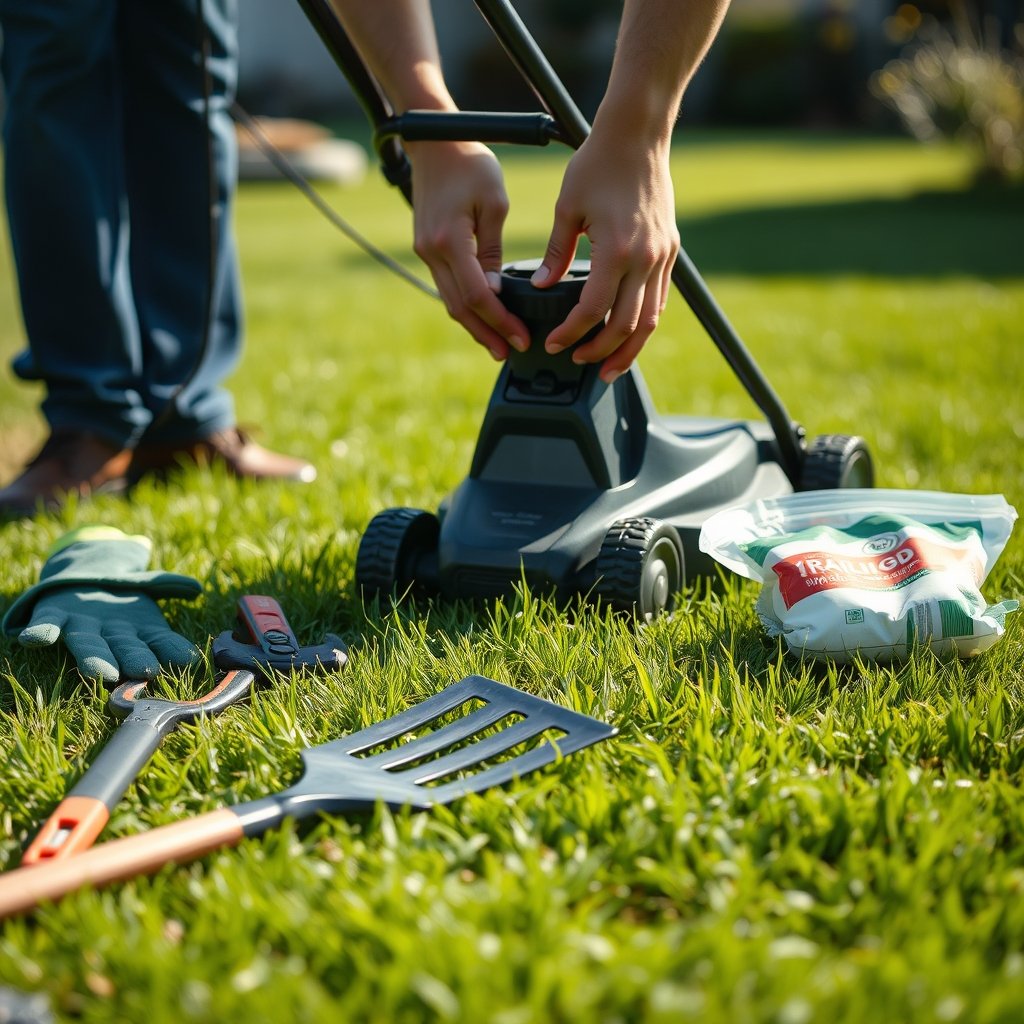
You’ll see thousands of lawn advice articles—but few mention these game-changing beginner steps:
- Soil Testing and Amendment Before Fertilization: Invest in a simple soil test (often less than $20, available at local garden stores or county extension offices). Get a breakdown of pH, nitrogen, phosphorus, and potassium. Amend your soil’s deficiencies before ever applying fertilizer—a step most skip, but the foundation for healthy grass.
- Choosing the Right Grass Type for Your Local Climate: Don’t buy what’s on sale. Research or ask a local pro which grass type fits your region. Cool-season grasses (like fescue and rye) thrive in colder climates but struggle in heat. Warm-season grasses (like Bermuda or zoysia) need sun and handle drought better. This one decision affects every care habit you’ll form. Source
- Creating and Following a Climate-Specific Seasonal Calendar: Mark your phone or calendar with expected mowing, watering, aerating, and overseeding times for your area. You can find regional guides or ask your cooperative extension for a free or low-cost local schedule.
Don’t just “copy what the neighbors do.” Your yard’s needs depend on your soil and your address. For an alternative groundcover, see Clover Lawn Pros and Cons for drought resilience and year-round ground cover.
| Beginner Step | Standard Approach | Climate-Smart Approach |
|---|---|---|
| Soil Fertility | Fertilizer applied without testing | DIY soil test guides nutrient and pH amendments first |
| Grass Type | Buys whatever seed is on sale or available | Chooses seed specific to region and sun exposure |
| Care Calendar | No fixed schedule, relies on visual cues | Follows climate-based to-do list for each season |
Looking for more DIY home upgrades? Check out these Home Improvement Ideas and DIY Home Improvement Tips for beginner-friendly projects.
Time and Cost: What to Expect for Beginner Lawn Care Across Climates
There’s no universal timeline or budget for grass maintenance. Your mileage will vary based on your climate, property size, and starting soil quality. Here’s what to consider:
- Mowing: Most cool and warm-season lawns benefit from weekly mowing during the growing season. Some southern or coastal climates may need more frequent trims after heavy rain. For best results, see Best Lawn Mowers for the right tool for your yard size.
- Watering: Arid zones (like the Southwest) often need deep watering once a week with infrequent rain, while temperate zones may need little to no irrigation during wet months. Overwatering can double your utility bill—so check your sprinkler’s output.
- Fertilizing, Aeration, and Overseeding: Frequency depends entirely on your soil test and grass type, but generally lawns are fertilized 2-4 times yearly, aerated once, and overseeded as needed (often annually for cool-season lawns).
For precise numbers and regional advice, consult your local cooperative extension office or a reputable local lawn care service. Most guides agree: “No source supplies specific dollar amounts or weekly-hour estimates for beginner lawn care or grass maintenance costs and time commitments in any climate zone.” Still, even modest effort on a regular schedule beats sporadic “cleanups.” If you’re short on free time, browse best home improvement projects for impact with little time.
Expert Lawn Tips: Quick Wins for a Greener Yard
- Follow the “one-third rule” for mowing: Never cut off more than a third of the grass blade’s height at once for healthier turf.
- Mow weekly (or as needed): During peak growth, consistency is vital. Keep mower blades sharp! (Lawn Care For Dummies p16)
- Water deeply and early: Target 6-8 a.m. to reduce evaporation. One inch per week is a typical target, but check your local rainfall.
- Identify your grass type: Snap a photo and compare to regional lawn guides—this affects every other decision.
- Keep a seasonal checklist: Mark your calendar for essential tasks. See this home maintenance checklist for ideas beyond the lawn.
If you want an eco-friendly alternative with less maintenance, read about clover lawns here.

Frequently Asked Questions
What is the best first step in Lawn Care for Beginners?
Start with a soil test. This inexpensive step tells you what nutrients or pH adjustments your yard needs before any mowing, watering, or fertilizing.
How do I know what type of grass I have?
Look at blade texture, color, and growth habit, or take a photo to your local extension office. Regional lawn guides also help. Knowing this determines mowing height and fertilizer needs.
How often should I water my lawn?
Most lawns need about one inch of water per week, delivered in one or two deep soaks—not daily sprinkles. Always water early in the day to avoid disease and evaporation.
Is it bad to use “weed and feed” products?
It can be. Without a soil test or correct timing, these may burn your lawn or miss the real problem. Use them only as recommended for your grass type and always follow label instructions.
What tools do I really need as a beginner?
You’ll need a mower with sharp blades, a sprinkler or hose, a rake, and a soil test kit. As your skills grow, consider a string trimmer and aeration tool. See Best Home Improvement Tools for more ideas.
Conclusion
Beginner Lawn Care success is much more about doing the basics consistently and correctly than insider tricks or expensive products. Know your soil and grass, match your habits to the climate, and don’t skip the foundational steps most guides forget. With these proven methods, your lawn will look better each season—while wasting less money, water, and stress. Ready to level up? Start with a simple soil test and see the difference for yourself. For more practical home improvement tips and yard advice, browse our Best Lawn Care Tips today.
—