

### Blog Post:
Energy Efficient Home upgrades are one of the most effective ways for US homeowners to lower utility bills, boost home value, and future-proof their property—especially when appliances, insulation, and solar are combined for maximum impact.
Key Takeaways
- Combining energy-efficient appliances, top-tier insulation, and solar energy typically cuts household utility bills by 20 to 30 percent.
- The biggest hurdles: upfront costs, process confusion, and potential disruptions—but federal tax credits and simple planning can minimize these.
- Next-generation strategies like AI energy management and modular retrofits can push savings even higher without a major overhaul.
- How Much Can You Really Save with an Energy Efficient Home in 2026?
- The Biggest Barriers and Solutions When Upgrading for Energy Efficiency
- Beyond the Basics: New Technologies Most Advice Misses
- Maximizing Incentives: How to Lower Your Upfront Costs
- Quick-Start Guide: Top Actionable Energy Saving Tips for Immediate Impact
- FAQ
How Much Can You Really Save with an Energy Efficient Home in 2026?
Upgrading to an energy efficient home is not just trendy—it’s financially smart. According to a composite of recent studies, homeowners who combine ENERGY STAR appliances, advanced insulation, and rooftop solar routinely reduce annual utility bills by 20 to 30 percent. Here’s how each upgrade stacks up:
- Energy-efficient appliances: Up to 13% reduction in overall energy use (source).
- Insulation & air sealing: Cuts heating and cooling costs by 15–30%. On a $200/month bill, that’s $30–60 saved every month (source).
- Solar panels: Can lower electricity bills to almost zero, depending on local conditions and system size.
Most homes recoup the cost of these upgrades over several years, thanks to ongoing energy savings and government incentives. Plus, an energy efficient home often sells for a premium—by as much as 2 to 8% over typical listings.
For more comprehensive tips, see our energy efficient home upgrades guide.
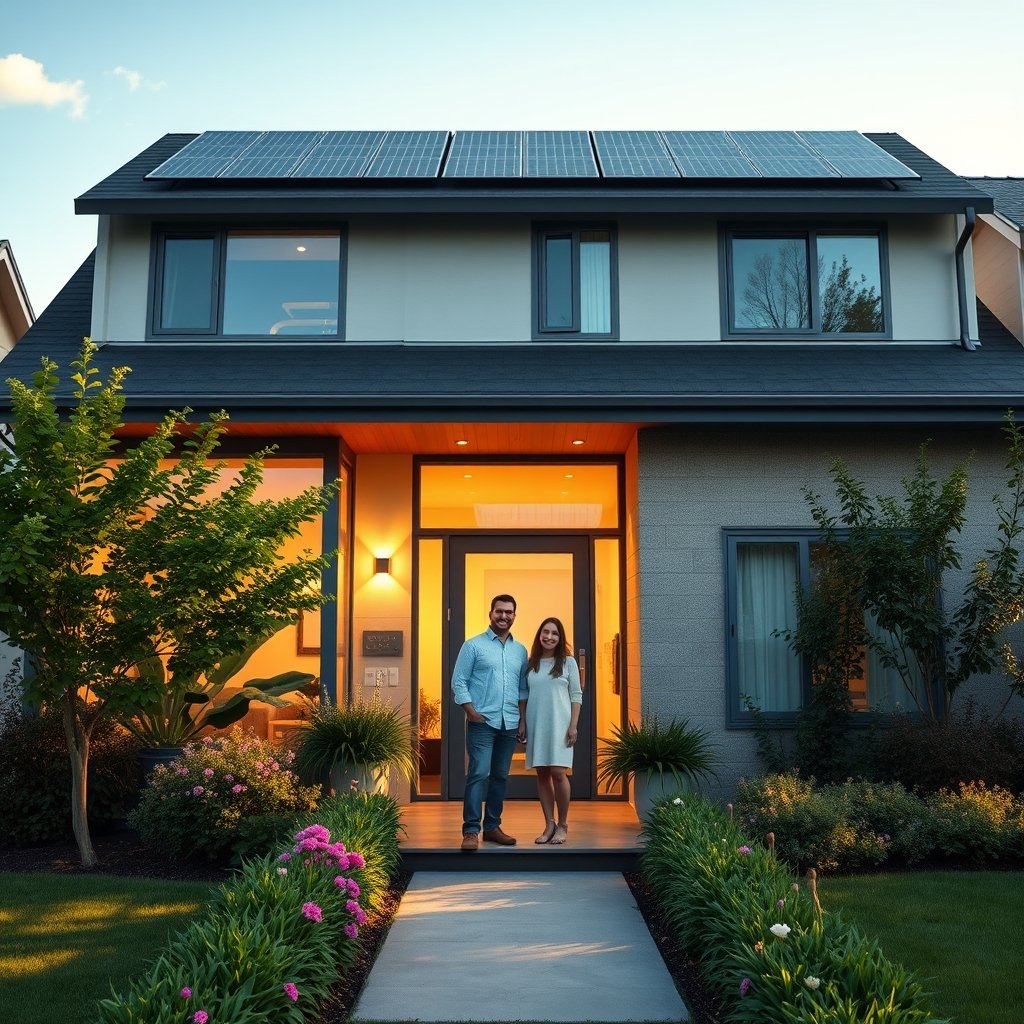
The Biggest Barriers and Solutions When Upgrading for Energy Efficiency
Many homeowners want to invest in insulation or energy-efficient appliances but worry about expense, messy renovations, or complicated rebate processes. Here’s how to navigate the most common roadblocks, with actionable steps you can take now:
- Assess and plan: Order a home energy audit to identify the biggest inefficiencies in your current setup.
- Start with the envelope: Air sealing, attic, and wall insulation often yield the fastest returns. Even new homes can have leaks.
- Upgrade priority appliances: Focus on the refrigerator, washer, and HVAC system for maximum energy savings.
- Simplify solar: Work with a qualified local installer who handles permitting and incentives. Get guidance from utility company rebate programs.
- Take advantage of rebates: Most states and utilities have incentives. The federal government offers up to $3,200 in 2024 for specific upgrades (ENERGY STAR).
Some companies now offer “turnkey” packages that combine insulation, energy-efficient appliances, and solar for a single project—streamlining the process and maximizing your return.
Want to monitor savings in real time? Consider a smart home energy monitor.
Beyond the Basics: New Technologies Most Advice Misses
Most energy saving tips focus on big-ticket appliances or basic insulation—but savvy homeowners are unlocking even better results with the latest innovations. Here’s what professionals are doing differently in 2024:
| Overlooked Technology | Benefit | Who Should Consider? |
|---|---|---|
| AI-driven home energy management | Optimizes usage between solar, battery, and appliances automatically for best savings | Tech-forward homeowners; solar adopters |
| Real-time, appliance-level monitoring | Detects hidden energy hogs and potential breakdowns before they get expensive | Anyone wanting granular control |
| Modular retrofits: window film, ductless heat pump zones | Big comfort gains and savings—without full-scale replacements | Budget-conscious or renovators |
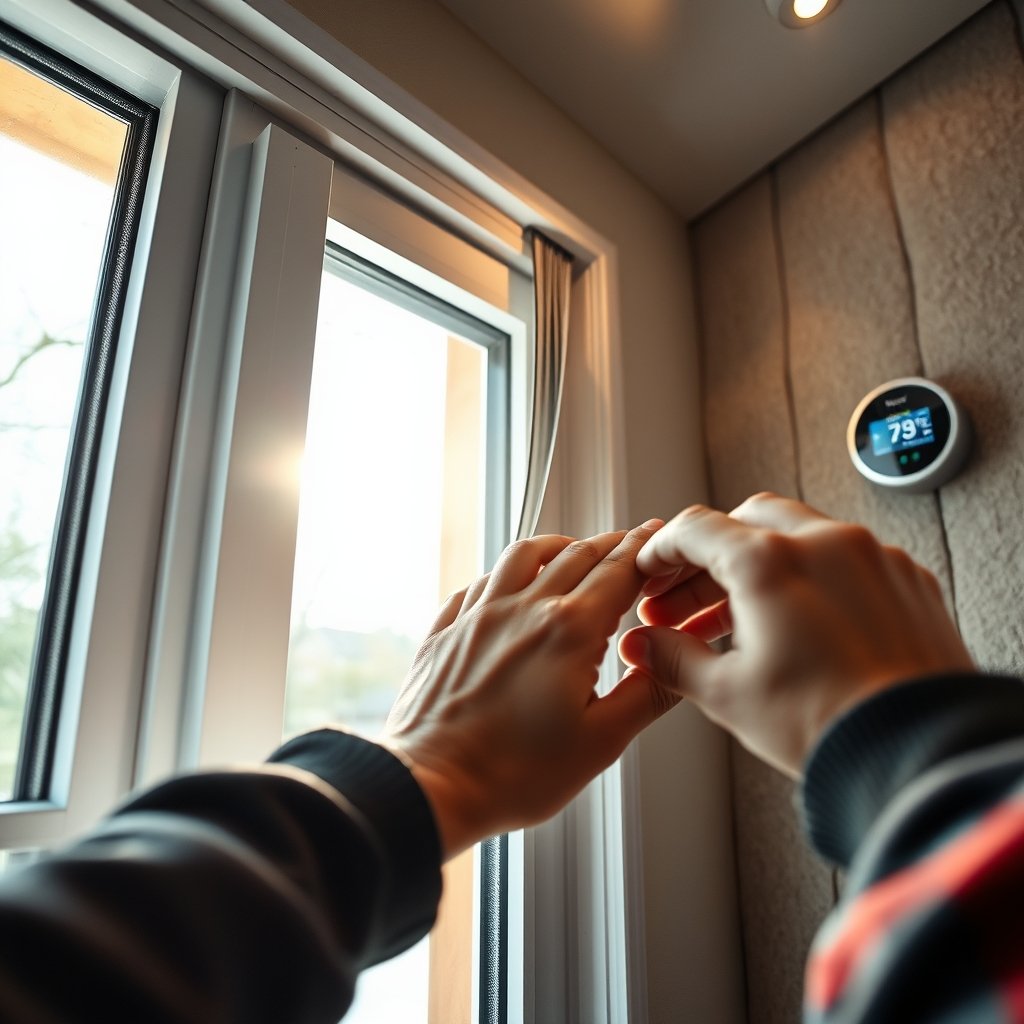
Don’t overlook simple wins either: even small changes, like using insulated curtains or adding weatherstripping, can make a big difference. For kitchen-focused savings, see our coverage on minimalist kitchen design and space saving cabinets that limit energy-hungry appliance clutter.

Maximizing Incentives: How to Lower Your Upfront Costs
Worried about the cost of upgrades? The outlook for financial incentives in 2024 is strong. Homeowners can cut upfront spend by layering federal, state, and utility rebates—as well as manufacturer discounts. Here’s a quick breakdown:
- Federal tax credits: Up to 30% back on insulation, energy-efficient appliances, and solar energy systems—capped at $3,200 per year through 2025 (ENERGY STAR).
- State programs: Many states add their own rebates for heat pumps, insulation, battery storage, and solar panels. Check your local energy office.
- Utility incentives: Utilities often pay you to save them energy—look for rebates or financing for smart thermostats, HVAC upgrades, and even professional energy audits.
- Lender “green” financing: Special home-improvement loans feature lower rates for efficiency upgrades.
You can combine these incentives for even greater savings. For a deep dive into timing and stacking incentives, explore our home improvement ideas and DIY remodeling value guide.
Quick-Start Guide: Top Actionable Energy Saving Tips for Immediate Impact
Not ready for a major renovation? Start strong with small, highly effective energy saving tips you can implement now:
- Install a smart thermostat. These can reduce heating and cooling bills by up to 15%—and most are eligible for utility rebates.
- Do laundry in cold water. You’ll use up to 90% less energy for hot water, according to the EPA (source).
- Seal drafty windows and doors. Weatherstripping or caulk is cheap and effective for comfort and efficiency.
- Swap old bulbs for LEDs. This quick upgrade pays for itself in months and keeps bills permanently lower.
- Unplug electronics you rarely use, or use a smart power strip.
Ready to invest more? replace the refrigerator or install attic insulation first for the fastest payback. Bath remodels? Upgrade to efficient water fixtures and steam showers to reduce overall water and energy use, and check our home maintenance checklist for year-round ideas.
Conclusion: Build an Energy Efficient Home That Works for You
Committing to an energy efficient home in 2024 delivers major payoffs—lower utility bills, higher property value, and more comfort every day. The smartest approach: combine appliances, insulation, and solar, take full advantage of federal and state incentives, and don’t overlook the latest innovations for continued savings.
Ready to cut your bills and boost your home’s value? Start by scheduling an energy audit, or dig deeper with our complete Energy Efficient Home Upgrade Guide. There’s never been a better time—and with the right steps, your energy efficient home will pay off for years.
FAQ: Energy Efficient Home Upgrades
How much can I really save each month with an energy efficient home?
Most homeowners report a 20 to 30 percent reduction on total utility bills after combining efficient appliances, insulation, and solar energy. Your exact savings depend on your region, energy use, and existing upgrades.
What are the best first steps if my budget is limited?
Start with a home energy audit, seal air leaks, and replace the appliances that run the most—like your refrigerator and HVAC system. These improvements offer the fastest return and qualify for the highest incentives.
Are there incentives or rebates available for upgrades in 2024?
Yes. Federal tax credits cover up to 30% of costs and total up to $3,200, with additional rebates from many counties, states, and utilities for insulation, solar panels, and energy-efficient appliances. Always check local and federal rebate sites before you start—programs update frequently.
Will adding solar panels disrupt my daily life?
Installation usually takes just a few days. Leading installers plan for minimal disruption and handle necessary permits. Most solar upgrades pair well with other efficiency measures for the best savings and comfort.
Can smart home tech really save me money?
Absolutely. Smart thermostats, appliance monitors, and AI-powered energy hubs optimize use, reduce waste, and make it easy to see your savings in real time. Many qualify for rebates or discounts from utilities as well.
—