
### Blog Post:
Smart Home Security Systems have moved from being a futuristic luxury to an essential for homeowners wanting convenience, visibility, and peace of mind—but 2026 looks much different than even two years ago.
Key Takeaways
- U.S. smart home security adoption is surging, but most reviews skip real-life complaints and critical privacy issues you need to understand.
- Device interoperability, privacy compliance, and lifecycle security are often ignored in “best home security systems” rankings—yet they matter most for your investment.
- Actionable steps can help you choose and maintain a smart system that’s secure, future-proof, and actually functional for daily life.
- The 2026 Smart Home Security Landscape—Adoption, Trends, and Market Growth
- How to Choose and Use a Smart Home Security System That’s Future-Proof and Secure
- Advanced Analysis & Common Pitfalls: Where Smart Security Fails Real People
- Conclusion
- Frequently Asked Questions
The 2026 Smart Home Security Landscape—Adoption, Trends, and Market Growth
Smart home security systems are everywhere in 2026—not just in tech ads, but in actual homes. About 52 percent of U.S. households now have security cameras and, increasingly, by smart locks. Smart lock adoption jumped to 20 percent, and overall, 93 percent of Americans own at least one smart home device. The U.S. smart home security market hit $15.1 billion in value this year, projected to grow at 7 percent compound annual growth through 2035. The global smart home security market value was $3.9 billion and is forecasted to multiply dramatically, exceeding $62 billion by 2029, with worldwide smart home users topping 422 million by the end of 2024 (source, source).
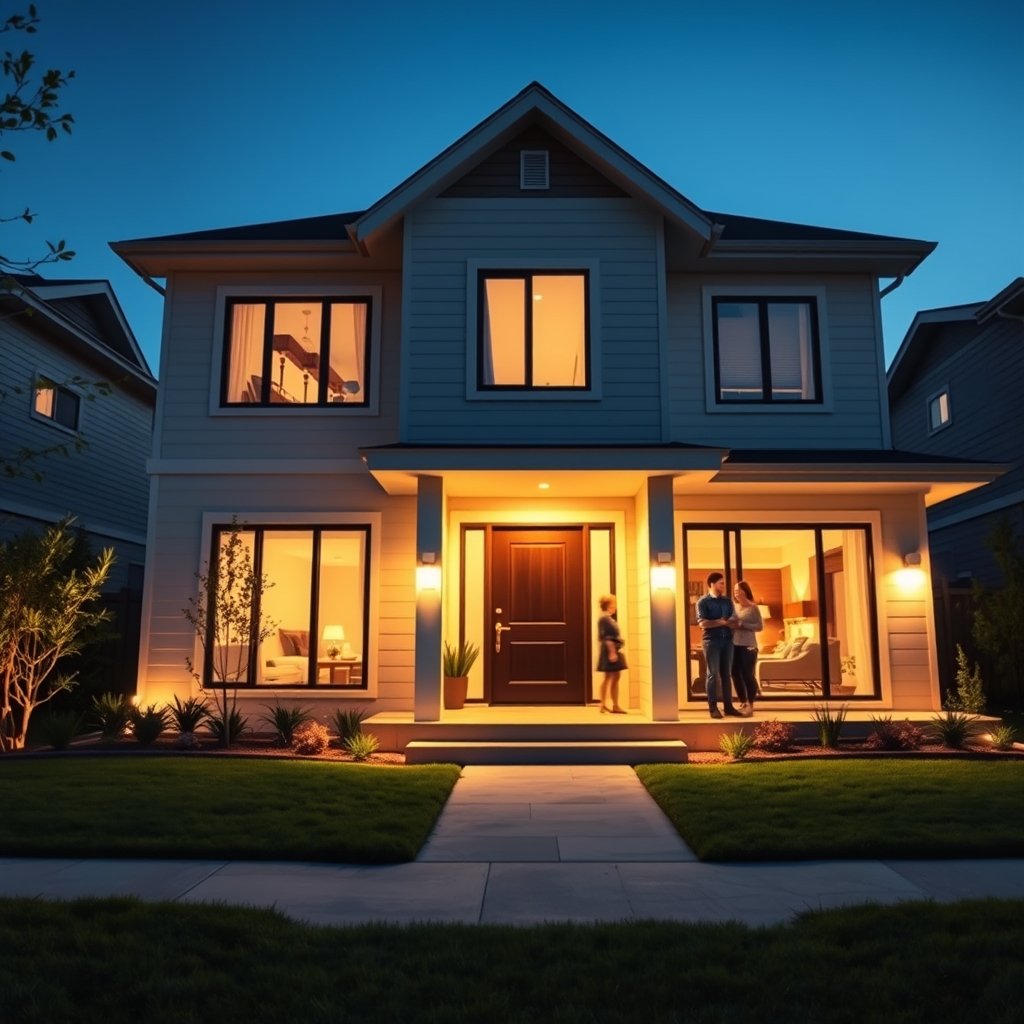
The most popular device remains the security camera—both indoor and outdoor. These are closely followed by video doorbells and, increasingly, by smart locks. Regional and global adoption is strongest in North America, particularly because of rising burglary concerns and improved insurance incentives.
As demand keeps climbing, market competition drives advancements in AI detection, seamless ecosystem integration, and pricing. However, these same trends are raising new concerns around device overlap, long-term investment, and family privacy—concerns rarely discussed in “best home security systems” lists.
For a look at complementary smart home upgrades focused on energy efficiency, explore this energy monitor guide.
How to Choose and Use a Smart Home Security System That’s Future-Proof and Secure
The process of choosing modern smart home security systems can be overwhelming. Here’s a practical, up-to-date roadmap to make sure your investment works in real life—today and five years from now.
- Map Your Actual Security Needs
Make a quick property sketch. Note all entries, vulnerable blind spots, and high-traffic interior areas. Decide where you need active surveillance (e.g., driveway, patio, hallway). - Choose Devices with Interoperability in Mind
Don’t just buy the “best smart lock” or the most popular video doorbell. Use the Matter protocol or similar standards as your baseline. This lets you mix devices while minimizing app clutter and future obsolescence. See our 2024 smart home device guide for other interoperable tools. - Demand Strong Privacy Policies—and Read the Fine Print
A 2024 survey shows 57 percent of users are worried about data privacy (source). Choose brands with transparent privacy policies, robust encryption, and compliance with U.S. and EU standards (like CCPA or GDPR). - Plan for Power Failures and Internet Interruptions
Nearly half of smart security device users have experienced failures due to Wi-Fi loss or power outages. Insist on battery backups, local storage options, and redundant connectivity to reduce your system’s weakest links. - Continuous Maintenance Is Non-Negotiable
Set reminders for firmware updates and password changes for your cameras and smart locks. Replace batteries before they die. Keep an eye on end-of-life notifications from your vendor. - Have a Long-Term Lifecycle Plan
Ask: Will you be able to patch old devices—or safely dispose of them—when upgrades are needed or support ends? Sustainable end-of-life strategies reduce both hacking risk and environmental waste.
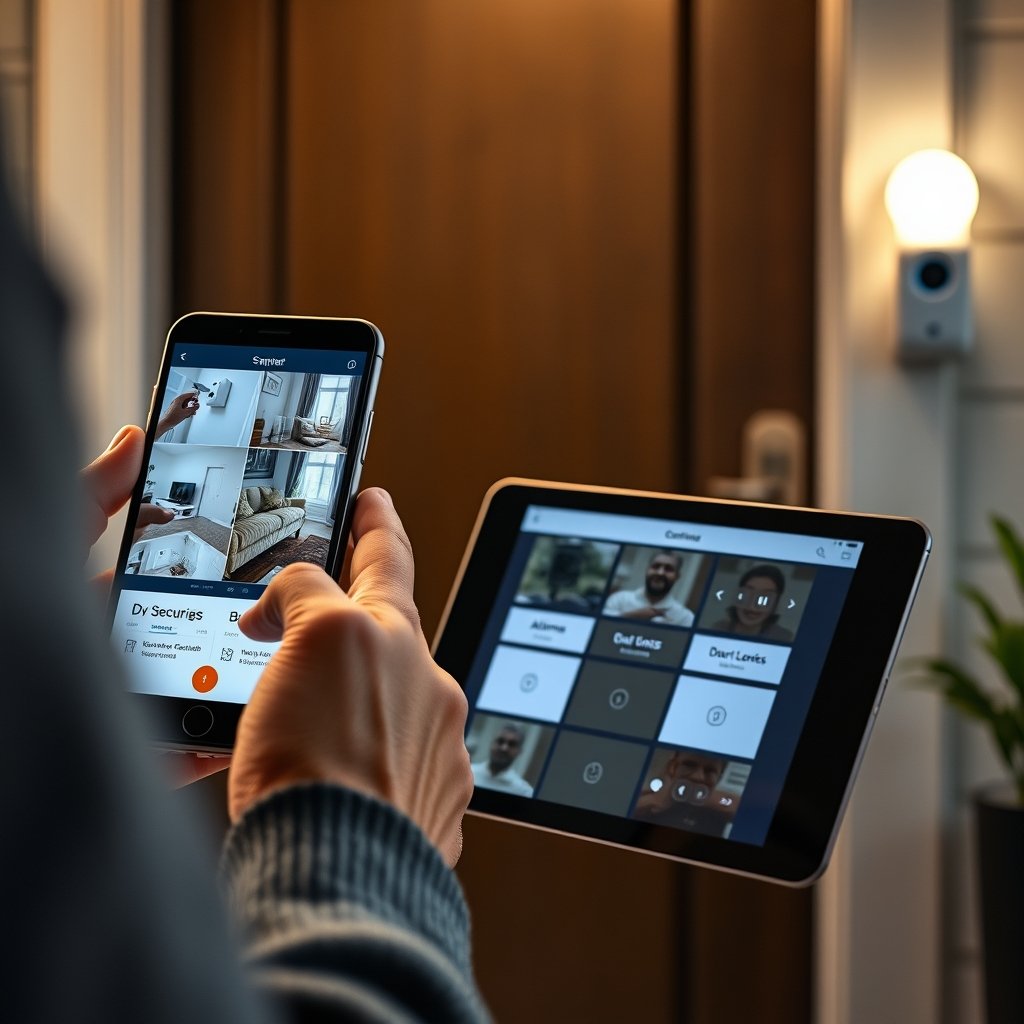
For practical guides on organizing related tech and home improvement devices, see our tips for garage storage or our energy-efficient upgrades.
Lastly, don’t trust “set and forget.” A smart home that’s secure in 2024 may not be secure—or even supported—in 2026. Budget for routine auditing, and keep your system in step with both software and real-world risk.
Advanced Analysis & Common Pitfalls: Where Smart Security Fails Real People
Most “best home security system” roundups overlook how real users struggle with setup, reliability, privacy, and hardware turnover. Even tech-savvy households face issues, often because of manufacturer promises that don’t match reality.
| User Pain Point | Description | How Often? | Mitigation |
|---|---|---|---|
| Connectivity Failure | Wi-Fi or internet goes out, disabling system or creating blind spots. | 46% | Invest in mesh Wi-Fi, local storage, and 4G/LTE backup if possible. |
| Power Outages | Security goes offline during blackouts unless battery/backup exists. | 33% | Use devices with built-in battery backups and/or wired solutions where possible. |
| Dead Batteries | Battery-powered devices stop working if not replaced in time. | 20% | Create a replacement schedule and keep spares on hand. |
| Difficult Setup/Poor Documentation | Device pairing, app installation, and troubleshooting can be confusing, even for experienced users. | 19% | Seek brands with detailed guides and responsive support; watch setup walk-throughs before buying. |
| Data Privacy & Cybersecurity | Risks from default passwords, unencrypted data, or unconsented recording. | 57% worried (privacy); 46% of users worry about hacking | Enable encryption, set unique passwords, and turn off unwanted recording features. |
| Device Obsolescence | Many products lose support after 2–4 years; legacy devices lack updates, creating vulnerabilities. | Poorly addressed in reviews | Confirm vendor update policies and future-proofing plans before purchase. |
In addition to tech problems, there are regulatory and ethical gaps: many reviews do not mention if a security camera ecosystem complies with privacy laws (like GDPR or CCPA), nor how well brands communicate about device end-of-life and safe disposal. Hacking attempts on smart home products soared 124 percent in 2026, mostly through exposed, outdated cameras or locks (source).
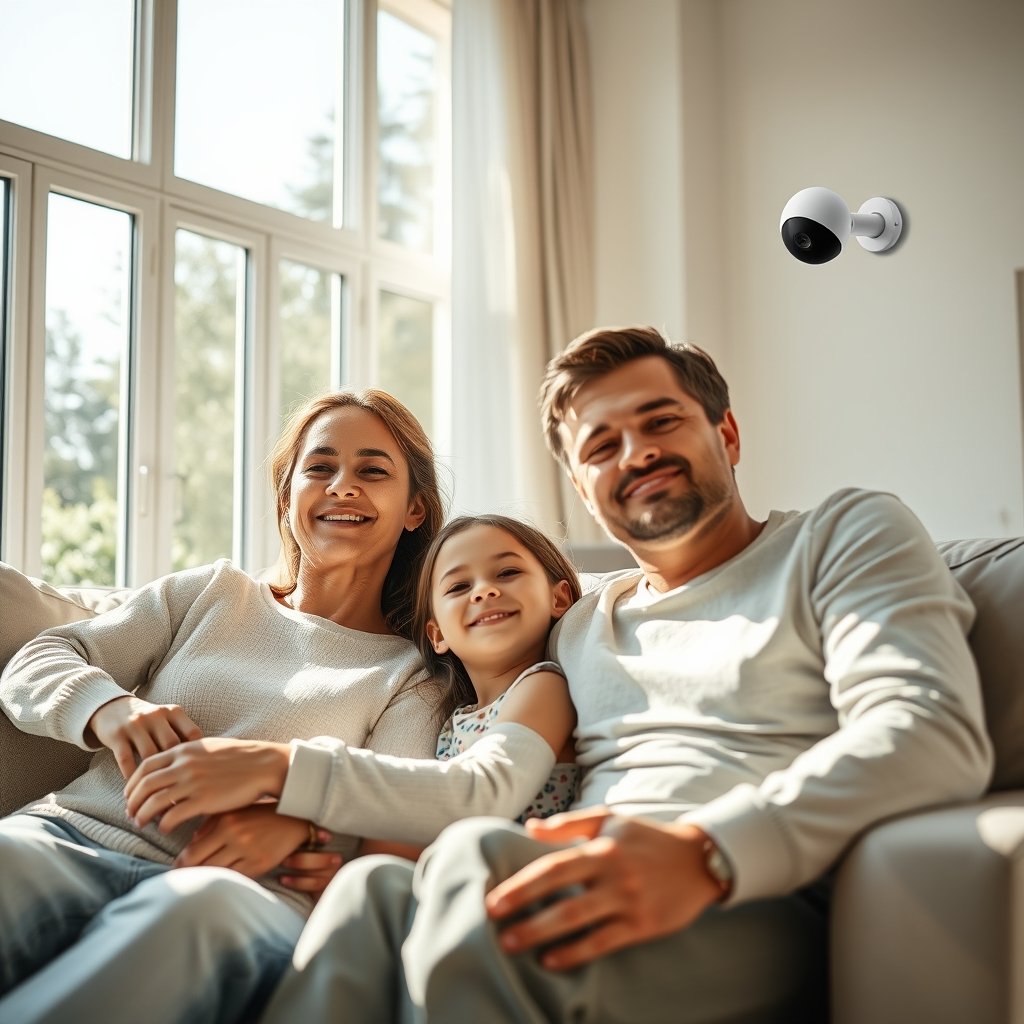
When you review “best home security systems” rankings, look past price and features. Dig into device update standards, regulatory compliance, and clear plans for patching or discarding obsolete units—these determine your investment’s long-term value and your family’s safety.
For smart interior upgrades that blend utility and design, check out the invisible kitchen design trends and statement chandelier ideas.
Conclusion
Smart home security systems are now a default for many U.S. households, but beneath the hype, real problems and risks persist—from frequent device dropouts to overlooked privacy and lifecycle concerns. Instead of chasing the “best” model, audit your space, choose interoperable devices, demand transparent privacy practices, and maintain a routine for updates and disposal. The right smart home security systems will actively protect your family—not just add convenience.
Ready to make your home safer with systems that last? Start by reviewing your current setup, then use the practical steps above to future-proof your next upgrade or installation. For more home improvement inspiration, see our guide to the best home improvement projects.
Frequently Asked Questions
Are smart home security systems worth it for homeowners in 2024?
Yes, adoption data show most homeowners gain convenience and peace of mind. However, real value depends on choosing compatible devices, understanding privacy trade-offs, and planning for maintenance and system updates.
How do I keep my smart home security cameras safe from hackers?
Use unique, strong passwords. Enable two-factor authentication if available. Regularly update firmware, disable remote access if you don’t need it, and avoid cheap brands with unclear privacy or encryption standards.
Can I mix devices from different brands?
Yes, but only if you prioritize interoperability—look for Matter, Zigbee, or Z-Wave compatibility, and check for secure, regular over-the-air updates for each device.
What privacy regulations apply to smart home security systems?
In the U.S., CCPA may cover your data; in the EU, GDPR. Choose brands with clear compliance and avoid those with a poor update track record or questionable cloud policies.
What should I do with outdated or unsupported devices?
Remove them from your network, wipe all data, and follow electronics recycling programs that accept smart devices. Never just unplug and store them—abandoned hardware exposes you to privacy and hacking risks.