
### Blog Post:
Smart Home Security Systems are transforming how Americans protect what matters most, but rapid adoption brings both benefits and real challenges. If you’re considering an upgrade or your first system in 2026, you’ll want facts, not hype—especially about real-world effectiveness, common complaints, and must-have features that typical reviews miss. Here’s what matters most before spending your money.
Key Takeaways
- Over 50% of US homes now have some form of networked security, with the market expected to more than triple by 2033.
- Modern smart home security systems are proven to cut burglary risk, but issues like false alerts and privacy risks remain widespread.
- Critical features like privacy controls, advanced integrations, and realistic cost breakdowns are often missing from top-rated options.
- Smart Home Security Systems in 2026: Adoption & Market Growth
- Proven Effectiveness: Do Smart Home Security Systems Really Work?
- Persistent User Complaints & Real-World Vulnerabilities
- The Features and Comparisons Top Competitors Miss
- Choosing the Right System: Key Takeaways for Homeowners in 2026
- FAQ: Smart Home Security Systems
Smart Home Security Systems in 2026: Adoption & Market Growth
Smart home security systems are no longer a niche—over half of US households now use at least one security camera or video doorbell. In 2024, 52% of American homes have an indoor or outdoor camera, 45% own a video doorbell, and 28% operate a connected alarm system. By 2028, the number of US homes with connected cameras could reach 75 million.
Globally, the momentum is even greater. Analysts estimate 65% of households either own or plan to install smart security in the coming year. This aggressive pace is fueling a projected global market jump from $28.4 billion in 2023 to $107 billion by 2033, making smart home security one of the fastest-growing segments in the home improvement industry [source]. The largest demand comes from homeowners and property managers looking beyond old-school alarm systems for more visibility, convenience, and control.
Proven Effectiveness: Do Smart Home Security Systems Really Work?
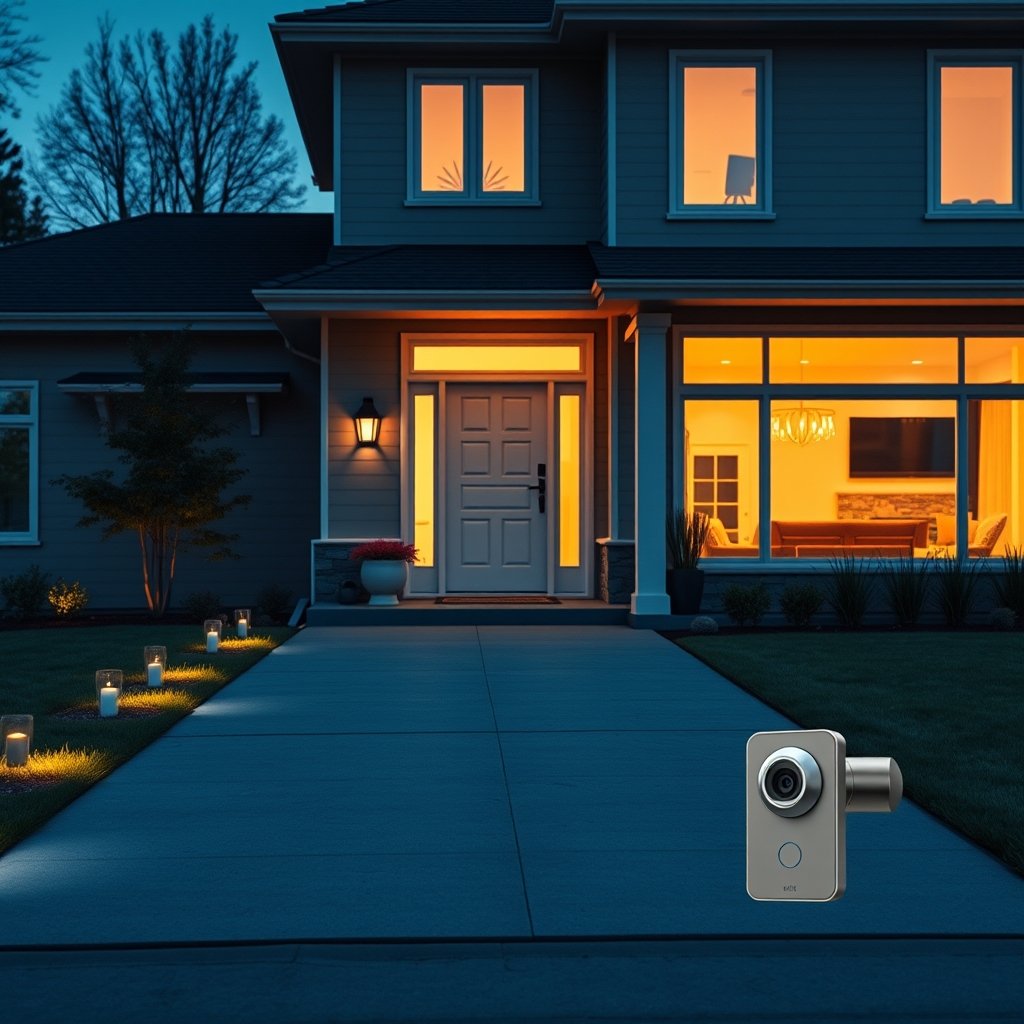
The main promise of any security upgrade is peace of mind, but what does the data actually say? Multiple studies confirm that smart home security systems make a real difference. Installing networked security cameras and motion-sensor alerts can lead to a 30-50% reduction in successful break-ins compared to homes without these technologies. Adding monitored alarm services or smart locks cuts burglary odds by three-fold [source].
Here’s how you can make sure your investment pays off:
- Start by mapping key entry points and vulnerable areas (front/back door, ground-floor windows, garage).
- Choose security cameras with wide viewing angles and reliable night vision; prioritize tamper alerts and solid Wi-Fi or wired connections.
- Add a professionally monitored alarm system if you want a stronger deterrent and emergency dispatch options.
- Consider integrating smart locks, especially with multi-factor authentication, for easy access control and secure key sharing.
- Test all device alerts and notifications so you’re only notified about meaningful events.
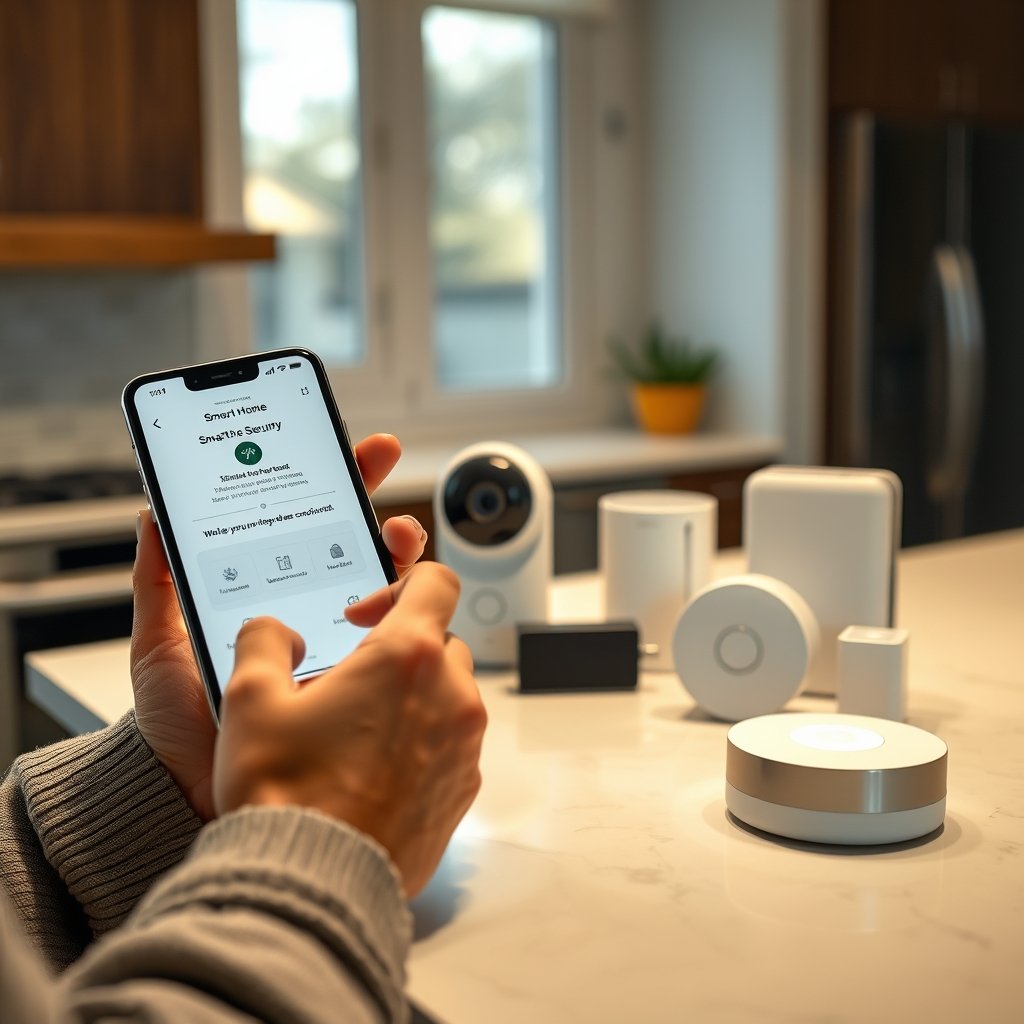
Want to maximize your home’s value and security? Smart devices also pair perfectly with energy monitors—see how with this handy guide to smart home energy monitoring.
Persistent User Complaints & Real-World Vulnerabilities
Despite impressive growth, real-world users still report frequent frustrations. If you check hundreds of reviews for leading security cameras, video doorbells, and smart locks, common pain points stand out:
- Security cameras and video doorbells: Most complaints mention excessive, irrelevant motion alerts (pets, traffic, wind), unreliable night-vision, and poor battery or cloud storage performance. Privacy worries—especially about cloud hacks or data leaks—are steadily rising. Many video doorbells also struggle with correct facial recognition and suffer from exposed Wi-Fi, making them vulnerable to hacking [source].
- Smart locks: The top user complaint is battery lockout—being unexpectedly locked out due to dead batteries. Other major issues include pairing failures with home hubs, buggy firmware causing remote unlocking risks, and inconsistent app reliability. You’ll want to look for reputable brands that prioritize security patches and support MFA (multi-factor authentication).
| Device Type | Top User Complaints | Security Risks | Mitigation Tips |
|---|---|---|---|
| Security Cameras | False alerts, night vision, battery, cloud storage limitations | Cloud breaches, Wi-Fi jamming, camera offline attacks | Local storage, strong Wi-Fi, firmware updates, encrypted feeds |
| Video Doorbells | Facial recognition errors, unreliable alerts, connectivity dropouts | Wi-Fi vulnerabilities, data leaks | Separate guest Wi-Fi, enable two-factor authentication |
| Smart Locks | Battery lockouts, pairing issues, firmware bugs | Remote unlocking exploits, unpatched flaws | Use MFA, monitor battery status, regular vendor updates |
Curious about integrating security with the rest of your home? Check out these practical home improvement ideas for more ways to add value and convenience.
The Features and Comparisons Top Competitors Miss
Most “best home security systems” lists only compare specs, not real usability or long-term value. For security-conscious users or anyone with higher privacy concerns, key features are too often missing:
- Matter/Thread Ecosystem Support: Ensures future compatibility and seamless device handoff across brands and protocols.
- On-device AI analytics: Reduces false alerts and improves privacy, since video never leaves your home network unless necessary.
- Local video storage & encrypted streaming: Protects sensitive footage from cloud breaches—essential for security cameras.
- Multi-factor authentication (MFA) on smart locks: Prevents brute force attacks and provides real-time access reviews.
- Power over Ethernet (POE) and battery backup: Keeps cameras and sensors online even in a power outage.
- Total cost transparency: Most reviews skip ongoing subscription or storage fees—compare full costs over 3–5 years.
- Sensor fusion and tamper detection: Combines data from motion, glass break, doors, and sound for more accurate alerts—helpful for busy homes.
- Comprehensive cybersecurity certifications: Look for systems tested to UL 2900-1 or higher standards.
Many of these advanced metrics aren’t addressed in top search results. If you’re managing a property or want best-in-class privacy, prioritize these details. For more smart home inspiration, see our guide to the best smart home devices.
Looking to pair security with savings? These energy efficient home upgrades can help lower utility bills while making your home safer and smarter.
Consider hidden storage or appliance garages to keep valuable equipment out of sight—see these appliance garage ideas for inspiration.
Choosing the Right System: Key Takeaways for Homeowners in 2026
Here’s what stands out from the latest research: popularity proves smart home security systems are here to stay, but effectiveness depends on careful product choice and smart setup. Look past marketing claims—real value comes from layered security, systems that minimize false alerts, and robust privacy controls that keep your data safe.
As US adoption surges toward 75 million homes by 2028, the best home security cameras and integrated systems are those that fit your property’s risks, budget, and need for future-proof integration—for example, ensuring seamless expansion with new devices and software updates.
Ready to make a decision? Review your risk factors, compare both upfront and ongoing costs, and focus on product lines that back up claims with independent security testing, privacy-first engineering, and proven support. For even more actionable remodeling strategies, browse our expert home improvement tips.
For anyone committed to lasting peace of mind, now is the time to invest in a smart home security system that addresses not just today’s threats, but also tomorrow’s connected home landscape—don’t settle for anything less.
Act now to future-proof your security with the right system for your needs.
FAQ: Smart Home Security Systems
Are smart home security systems actually effective at preventing break-ins?
Yes. Multiple studies show homes with networked security cameras and alarm systems experience 30-50% fewer successful intrusions. Professional monitoring can reduce burglary odds by up to three times compared to unprotected homes.
What’s the most common complaint homeowners have?
Too many false alerts from security cameras and video doorbells—a result of poor AI detection, pets, or routine traffic. Battery life and privacy worries (such as cloud breaches) are other top complaints.
How do I protect my footage and device privacy?
Choose systems offering local storage, encrypted streams, and advanced privacy settings. Regularly update device firmware and use unique, strong passwords for all accounts.
Are smart locks really safe?
Most are very secure when using reputable brands with up-to-date firmware and multi-factor authentication. However, battery lockouts and occasional firmware bugs mean it’s smart to always have a backup physical key.
How much does a smart home security system cost over time?
Expect to spend $250–$1,500 upfront, with ongoing costs ranging from $5–$40 per month for professional monitoring and cloud storage. Factor in battery replacements and occasional hardware upgrades.