
### Blog Post:
Smart Home Security Systems have become a must-have for many US homeowners and renters in 2026. If you want facts—not just best-of lists—this guide covers new adoption data, honest cost analysis, privacy risks, and the real integrations modern systems offer. Here’s what you truly need to know.
Key Takeaways
- Over half of American households use smart home security systems in 2026, yet privacy and subscription costs remain top concerns.
- Long-term expenses can far exceed the initial hardware purchase, so buyers must evaluate ongoing fees and planned AI feature costs.
- Integration with platforms like Matter and Google Home is improving, but not every system plays well with others or protects your data equally.
- The State of Smart Home Security in 2026
- Core Components: What’s Included in Modern Smart Home Security?
- Real-World Frustrations: Common User Complaints & Pitfalls
- Privacy & Security: The Risks Nobody Talks About
- Cost Breakdown: What Smart Home Security Really Costs Over Time
- Seamless Integration: Interoperability & The Future-Proof Smart Home
- How to Choose: Decision-Making Checklist for 2026
- Final Thoughts: Planning Your Smart Home Security Roadmap
- FAQ: Smart Home Security Systems
The State of Smart Home Security in 2026
Smart home security systems are no longer for just tech enthusiasts—they are mainstream. In 2026, the global smart home security sector is valued at roughly $32.5 billion and is projected to jump to $62 billion by 2029, growing at an impressive 13.8% compound annual rate.[1] In the US, 52% of households now have at least one security camera (up from 42% the year before), and 45% have a video doorbell. These numbers show that security is a top priority and newer technologies are quickly being adopted.
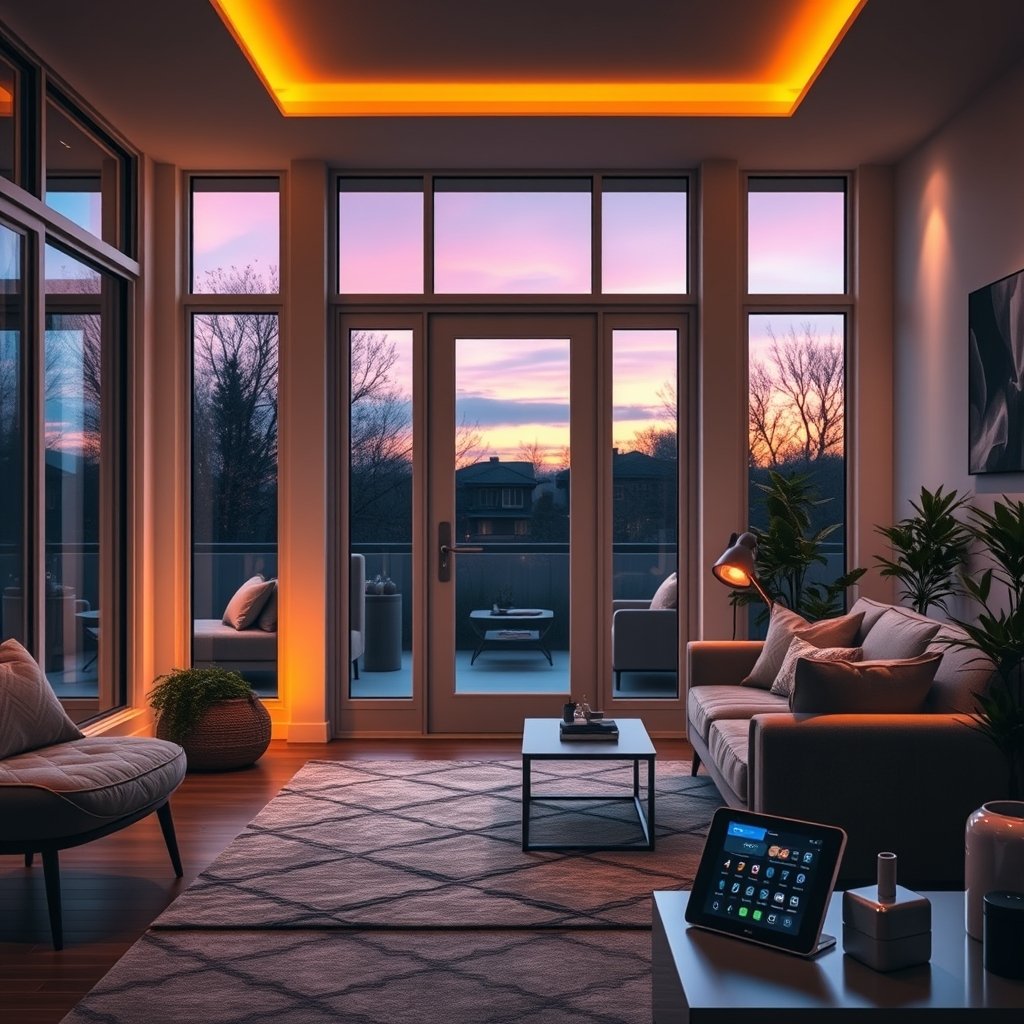
The term “smart home security systems” now covers far more than simple alarms. Today’s systems offer app control, remote monitoring, real-time alerts, and, increasingly, integration with broader home automation platforms like Google Home and Amazon Alexa. Why does this matter? Because expanding integration and rising IoT cyber risks directly affect your safety—and your wallet.
Core Components: What’s Included in Modern Smart Home Security?
A modern smart home security system is much more than a single camera or motion sensor. Here’s what typically gets included in the best home security systems (and what each part really does):
- security cameras: Both indoor and outdoor models, often offering night vision, real-time streaming, and video storage. In 2026, 52% of US households have at least one.
- video doorbells: Let you see (and often talk to) visitors and monitor packages. Ownership jumped to 45% of US homes in 2026.[4]
- smart locks: Allow remote locking and unlocking of doors, creating keyless entry and programmable access codes. Installed in 20% of homes.[5]
These devices are tied together through a central hub or app. The real power comes when cameras, locks, and sensors work together, so you get alerts, can check your property, and act (lock doors, sound alarms) remotely from anywhere. For a robust smart home, components must talk to each other—and future integrations matter. Learn more about home upgrades that add real value.
Real-World Frustrations: Common User Complaints & Pitfalls
While adoption is climbing, complaints about smart home security systems are also on the rise. Here are the most frequent frustrations shared by real users:
| Issue | Description | Reported Impact (2024) |
|---|---|---|
| unreliable Wi-Fi connectivity | Cameras/doorbells drop offline or lag due to weak signal. | Most common user complaint |
| Excessive false alerts | Motion sensors triggered by cars, animals, or wind. | Leads to app fatigue |
| short battery life | Frequent recharging/replacing batteries for wireless devices. | 25-40% of camera/doorbell users |
| Complex installation | DIY setups can be confusing; not always “plug and play.” | High return and negative review rates |
| Ongoing subscription costs | Cloud storage, advanced features, and AI alerts often require monthly fees. | $200-$300 per year is average |
| Privacy and data security | Concerns over video/audio stored in the cloud or accessed by third-parties. | Major barrier to adoption for many |
Honest reviews consistently cite these pain points—especially when the real-world experience doesn’t live up to slick marketing. For example, many users discover that “free” plans are so limited they’re functionally useless, or that moving to a new house means re-buying or re-subscribing. Battery-powered devices bring convenience, but they require much more maintenance than many expect. See more pitfalls in our home improvement mistakes guide.
Privacy & Security: The Risks Nobody Talks About
Privacy is one of the most overlooked (and often misunderstood) aspects of smart home security systems. In 2024, attacks on smart home products have surged 124%.[3] As cameras, microphones, and motion sensors collect sensitive household data, cloud storage is the norm—not the exception. Here’s what most guides don’t mention:
- Cloud video storage means your home footage lives offsite; if your provider has a breach, so do you.
- Third-party access—insurance companies, law enforcement, and even partners or ex-partners can request or gain access to your data depending on the policies.
- Weak password practices and outdated firmware on devices are prime targets for hackers. A single compromised camera can grant visibility into your whole home.
- Many companies share or sell consumer data for analytics and advertising. Study privacy policies carefully, and look for providers that offer local, encrypted storage options.
Ultimately, your security can only be as strong as the weakest link in your smart home network. If privacy is important, prioritize systems with strong encryption, minimal data retention, and transparent policies. You may also want to explore energy-efficient home security options to help offset power usage, as detailed in this guide.
Cost Breakdown: What Smart Home Security Really Costs Over Time
When shopping for the best home security systems, initial prices can be deceiving. Here’s a realistic cost breakdown you should budget for:
- Hardware: Starter kits with a camera and sensors typically range from $120–$300. Full setups with multiple devices can reach $1,000 or more.
- Installation: If going pro, labor averages $100–$400 per visit. Many opt for DIY to save money, but this can add time and frustration.
- Subscription fees: Cloud video storage, AI features, professional monitoring, and advanced notifications usually cost $5–$40 per month depending on tier. The average annual spend is $200–$300 per home, with market projections at $295 per home by 2028.[1]
- Replacing devices and batteries: Lifespans for cameras, batteries, and locks are usually 2–4 years. Factor in replacement and upgrade costs, often every few years if you want new features.
- Future AI feature unlocks: Companies increasingly charge extra to use advanced AI (like facial recognition or smart alerts) on top of basic monitoring fees.
Read the fine print. Many “best” systems lock premium functions behind a paywall, while budget buys may force upgrades down the road for cloud storage or integration. Compare against recurring expenses for other upgrades—like cost-effective home improvements—to decide what fits your budget and priorities long-term.
Seamless Integration: Interoperability & The Future-Proof Smart Home
Smart devices are only as smart as their ability to work together. In September 2024, ADT made headlines by integrating with Google Home, offering true voice control over arming, monitoring, and managing security features.[2] This type of integration matters for a few reasons:
- Platform compatibility: Systems that support standards like Matter or work with Amazon Alexa, Google Home, or Apple HomeKit offer more flexibility. Not every product does—yet.
- Migrating brands: Many homeowners have mixed-brand gadgets. Make sure your chosen security cameras or smart locks play well together and fit your existing setup.
- Software updates: Future-proofed systems will support new integrations and security updates. Check for regular firmware releases and clear company roadmaps.
Before buying, list the smart home platforms, voice assistants, and tech you already use and make sure your security system integrates seamlessly. Overlook this, and you might end up replacing devices just to maintain a unified ecosystem. For advanced users, learn about pairing security with other home upgrades in our best home improvement projects guide.
How to Choose: Decision-Making Checklist for 2026
Here’s a field-tested checklist to guide your purchase—whether starting from scratch or planning an upgrade:
- What devices do I truly need? Start with essentials—security cameras, video doorbells, smart locks—before layering on sensors and extras.
- What are the actual ongoing costs? Add up hardware, installation, subscription plans, and battery/device replacement for a three-year total.
- How secure is my data? Does the provider encrypt locally, limit access, and have a clean security history? Read up on privacy issues, as attacks grew 124% in 2026.
- Will this system fit my ecosystem? Does it support voice assistants, smart hubs, and future integrations (Matter, Apple, Google, etc.)?
- What privacy controls do I get? Can you store video locally or must it upload to the cloud? Who else might access your data?
- Am I locked in? If you move or want to change brands, can you reuse your existing devices? Hidden fees or incompatibility can force expensive upgrades.
- Battery vs. wired? Do you want the convenience of wireless, knowing you’ll need regular battery changes, or are you able to install wired power?
Still comparing options? Our home maintenance checklist can help assess ongoing care tasks for smart homes.
Final Thoughts: Planning Your Smart Home Security Roadmap
The smart home security market’s rapid growth—estimated at a 13.8% annual rate through 2029—means new features will keep rolling out, but also more complex choices.[1] Stay realistic: plan for device replacement, expect privacy policies to evolve, and check platform compatibility every year. Take the time to periodically review your system’s performance, software updates, and costs as your needs—or risks—change. You’ll not only protect your property, but also avoid surprise expenses or privacy gaps down the line. To explore more ways smart tech can fit your life, read our take on energy monitoring devices for homes.
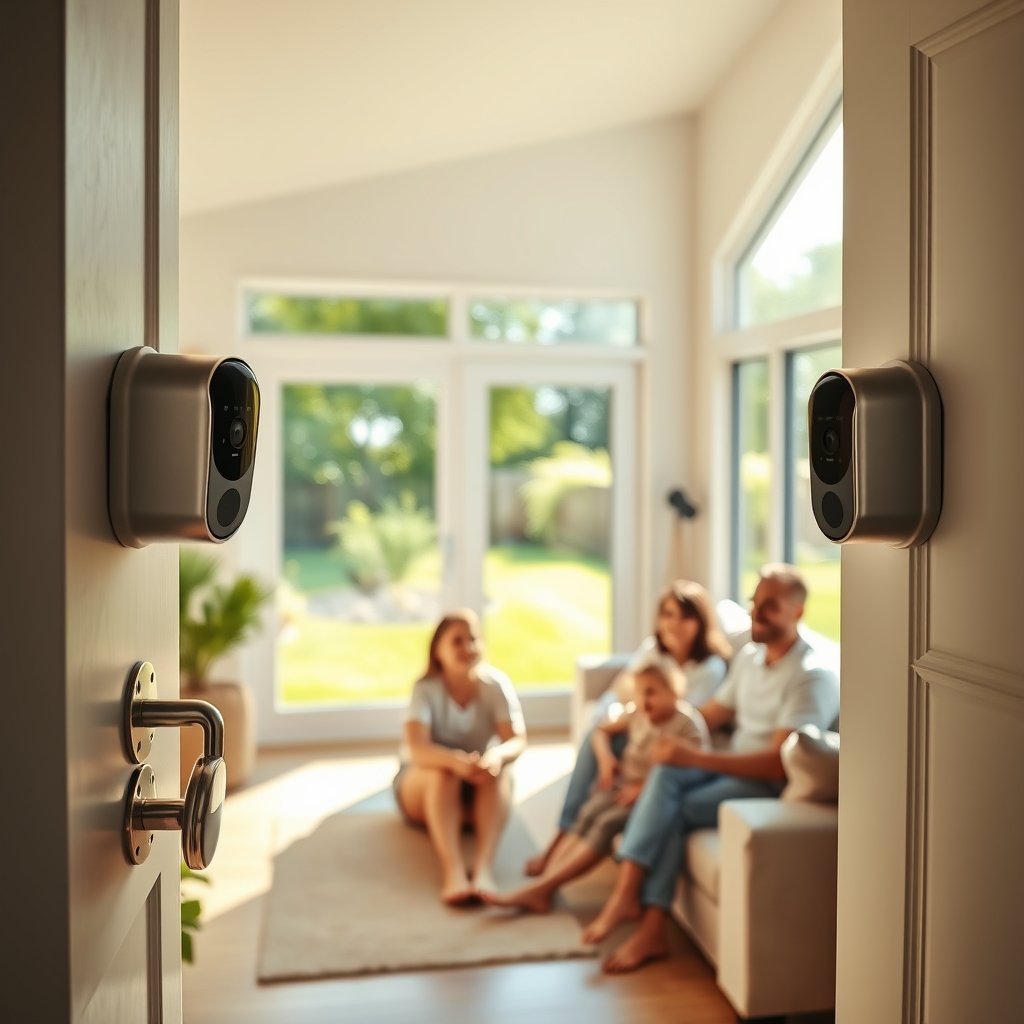
Ready to take control? Review your options, focus on privacy, tally up true costs, and choose a system you can rely on. If you want a future-ready, secure home, smart home security systems are a critical investment—just be sure you know exactly what you’re signing up for.
FAQ: Smart Home Security Systems
Are smart home security systems worth it for renters or small apartments?
Yes, many wireless security cameras and smart locks are designed for easy installation and removal, making them ideal for renters and apartments. Focus on devices with minimal drilling and robust privacy controls.
What’s the biggest hidden cost with smart home security?
The top hidden cost is usually the monthly subscription for video storage and advanced features. Many systems work only at their most basic level without these paid add-ons.
How can I make my smart home security system more private?
Opt for systems with local storage, end-to-end encryption, and limited data retention. Regularly update device firmware, use strong passwords, and enable two-factor authentication wherever possible.
Do all smart home security systems work with Google Home or Alexa?
No. Some brands still lack integrations with major voice assistants or limit key features to specific platforms. Always check compatibility before buying if seamless automation is important.
How long do security cameras and smart locks typically last?
Expect smart cameras and locks to function for two to four years under normal use, after which battery life and software support may decline, recommending replacement or upgrades.
—