

### Blog Post:
Best Smart Thermostats are transforming how homeowners manage energy efficiency, comfort, and savings—but the real value goes far beyond simply connecting a thermostat to Wi-Fi. In 2026, the right choice can rapidly cut utility bills and deliver a clear return on investment, but the wrong model could mean frustrating limitations and missed opportunities for smarter automation.
Key Takeaways
- The latest smart thermostats cut heating costs by 12–16 % and cooling by 14–26 %, saving the average household $130–$250 each year. ROI can often be achieved within 1–2 years.
- Features like AI-guided demand response, advanced dashboards, and real HVAC diagnostics set top models apart—most reviews overlook these real-life differentiators.
- Owners love the automated savings, but common complaints include app confusion, fixed temperature swings, accidental shut-offs, Wi-Fi drops, and data privacy worries.
- How the Best Smart Thermostats Deliver Real Energy Savings in 2026
- ROI: When Do Smart Thermostats Pay for Themselves?
- User Realities: What Owners Love and Loathe About Today’s Smart Thermostats
- Hidden Features: The YYYY Capabilities You’re Missing in Mainstream Reviews
- Quick Comparison: Which Smart Thermostat Is Right for Your Energy Efficient Home?
- FAQs
How the Best Smart Thermostats Deliver Real Energy Savings in 2026
Smart thermostats are a proven weapon for energy efficient homes, with data from Nest, Ecobee, and Honeywell showing consistent, real-world improvements in energy use. Installing a top smart thermostat can reduce annual heating use by 12–16 % and cooling by 14–26 %. The practical result? For most single family homes, that’s a yearly savings of $130–$250 on utility bills—a difference often felt after just the first season.
According to recent field studies and analyses by ACEEE and user-reported data, these savings happen without dramatic lifestyle changes. The thermostats automatically adjust for occupancy, local weather, and even utility rate spikes before you feel the discomfort. For homeowners focused on boosting ROI and sustainability, it’s an upgrade that pays off both personally and environmentally.
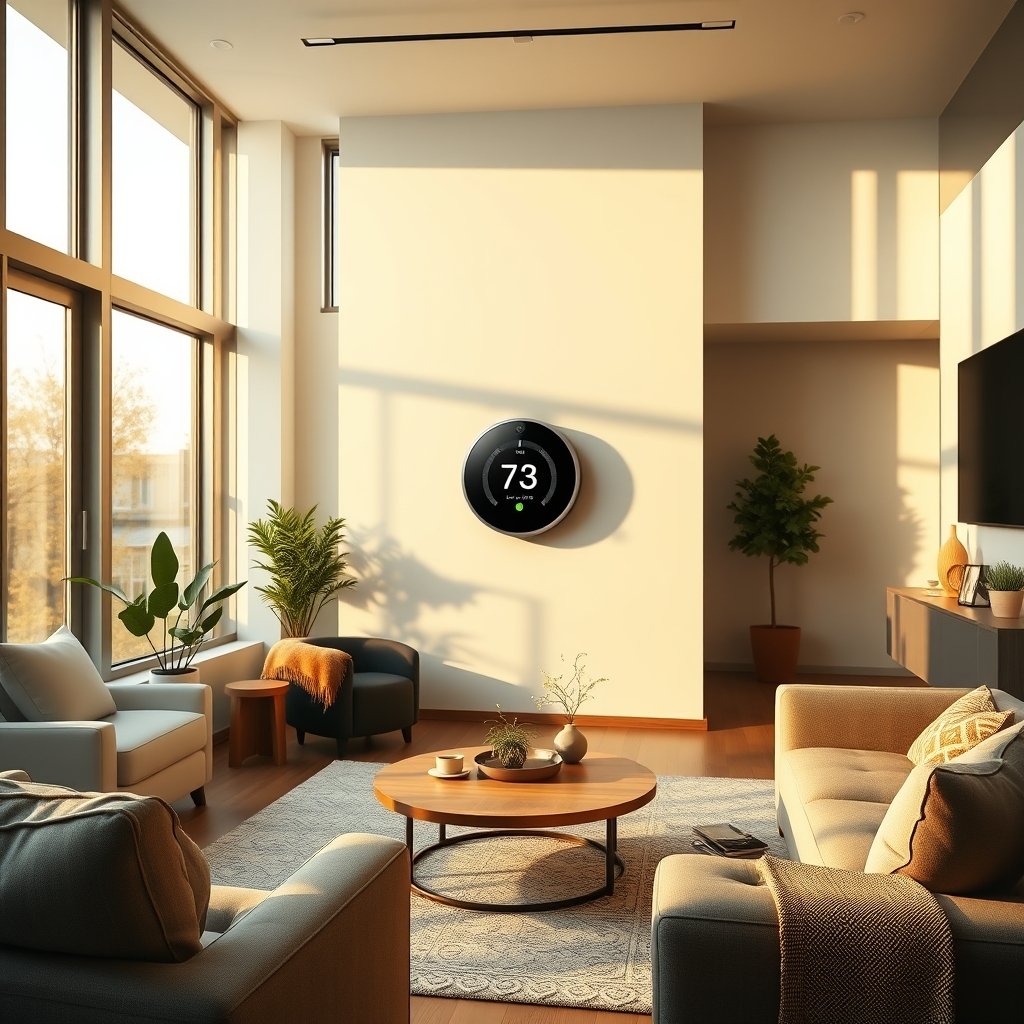
Advanced features, such as occupancy sensing, learning algorithms, and remote access from your phone, combine to optimize both comfort and energy efficiency. And integration with broader smart home devices increases potential savings and convenience.
To amplify savings: pair your smart thermostat with energy-saving products like high-efficiency HVAC systems or upgraded insulation for even better results.
ROI: When Do Smart Thermostats Pay for Themselves?
One of the most attractive aspects of smart thermostats is their quick payback period. The average model (Ecobee Essential, Honeywell T9) costs $130–$180, while premium options (Nest Learning Thermostat 4th Gen) top out at around $280. With typical annual utility savings of $130–$250, most energy-saving products like these achieve net ROI in 12 to 24 months.
In colder regions where heating is the major utility expense, the payback can happen even sooner—sometimes within a single hard winter. According to independent HVAC professionals, households upgrading from older manual thermostats see the fastest and largest gains.
Initial setup is usually straightforward—just follow the manufacturer’s guide, enable Wi-Fi, and sync your favorite automation routines. There’s minimal ongoing maintenance; software updates often install automatically.

To maximize ROI, consider pairing your thermostat upgrade with other high-ROI home improvements such as smart insulation, or real-time energy monitoring. Homeowners with older systems, multiple zones, or vacation properties will benefit most.
User Realities: What Owners Love and Loathe About Today’s Smart Thermostats
Smart thermostats are not all convenience and savings; they also bring some headaches. Based on user reviews and Wirecutter’s extensive testing, three recurring complaints stand out:
- Confusing App Navigation: Many Honeywell T-series owners complain about essential settings being buried several menus deep, making daily adjustments a pain.
- Fixed Temperature Swings: Nest models enforce a non-adjustable one-degree swing, which can cause the heating or cooling to overshoot your preferred comfort range.
- Accidental Shut-Offs & Disabled Inputs: In simpler heat-only systems, some thermostats allow users (intentionally or not) to turn off the device entirely or disable inputs, leading to uncomfortable surprises—especially for guests or less tech-savvy household members.
- Occasional Wi-Fi Dropouts: Smart thermostats lose remote features during Wi-Fi outages, though most retain basic scheduling and temperature control locally.
- Privacy Concerns: Owners may be wary of sending home occupancy patterns and temperature data to the cloud; not all brands are clear about their data retention or use.
It’s essential to weigh these user realities before purchase, especially if you plan to install a thermostat in a rental, vacation home, or household with multiple people.
| Model | Most Loved Feature | Most Common Complaint |
|---|---|---|
| Nest Learning Thermostat | Learns habits, automates savings | Non-adjustable temp swing |
| Ecobee Premium/Essential | Room sensors, Home Energy Reports | Initial app setup complexity |
| Honeywell T9 | Smart alerts, sensor flexibility | Buried settings in app |
Want more insight on home improvement pitfalls to avoid? Check out our practical guide to common home improvement mistakes—including smart tech missteps.
Hidden Features: The 2026 Capabilities You’re Missing in Mainstream Reviews
Mainstream “best of” lists rarely go beyond the flashy specs. For forward-thinking homeowners and property investors, here’s what actually matters in today’s smart home devices:
- AI-Powered Demand Response: The latest Ecobee and select Honeywell models can pre-cool or pre-heat right before peak-rate utility events, saving money automatically and potentially earning rebates.
- Configurable Temperature Thresholds: Unlike the fixed one-degree swing on Nest, brands like Ecobee let you fine-tune your comfort and HVAC cycling to optimize both efficiency and satisfaction.
- Real-Time Energy Dashboards with Diagnostics: Only a few models visualize usage, trends, and even system health in modern, easy-to-read mobile dashboards.
- Native Matter & Voice Assistant Support: Future-proofing is critical—Matter support ensures interoperability with next-generation smart home ecosystems, and some thermostats enable full control without relying on the cloud for privacy-focused households.
- Automatic Local Firmware Updates: Reduce outages and keep your system current without dependency on vendor servers.
- Built-In Multi-Room Sensor Arrays: Premium models like Ecobee offer expandable wireless sensors that integrate seamlessly—no hubs, no extra wiring, just tailored temperature control where you need it.
If you rely on energy efficient home upgrades for year-round savings, prioritizing these advanced features in your thermostat—alongside core energy-saving products—will help maximize comfort, automation, and your bottom line.
Quick Comparison: Which Smart Thermostat Is Right for Your Energy Efficient Home?
Selecting the best smart thermostat depends on three key variables: home type, desired features, and your other smart home devices. Here’s a quick synthesis:
- Budget/Entry Level: Ecobee Essential Series (from $130). Delivers robust compatibility, room sensor readiness, and deep smart home integration. Ideal for first-time buyers or smaller homes aiming for energy efficient upgrades.
- Premium/Colder Climates: Nest Learning Thermostat (around $280) pays for itself faster where heating dominates utility use. Its learning algorithm is intuitive, though some users wish for more manual control.
- Multi-Room/Automation Fans: Ecobee Premium leverages additional room sensors, vivid energy dashboards, and advanced integrations for highly automated living. Strong Matter, Alexa, and HomeKit support are built in.
- Privacy/Offline Operation: Opt for thermostats that feature local-only operation and quick firmware updates, especially in vacation properties or homes with spotty Wi-Fi.
If you’re building an energy efficient home from the ground up or planning a major renovation, select a model designed to complement multiple zones, radiant systems, and wider home automation—saving you costly upgrades down the line.

To compare the best models side-by-side, explore our in-depth home improvement product reviews for practical, researched picks.
FAQs
How much can I really save with a smart thermostat in 2026?
The best smart thermostats in YYYY can deliver 12–16 % savings on heating and up to 26 % on cooling for most households—usually $130–$250 per year, depending on your climate and schedule.
Can smart thermostats be used in older homes or with any HVAC system?
Most modern smart thermostats are compatible with central forced air, heat pump, and even some radiant systems. For homes without a C-wire, certain models like Ecobee include adapters; always double-check compatibility before buying.
What’s the fastest way to set up a smart thermostat?
Turn off power, remove your old thermostat, install the new base, wire it up, and power it on. Use the brand’s app for guided setup—most users can complete installation in under 30 minutes.
What hidden features should I look for that mainstream reviews miss?
Prioritize AI-driven demand response, real-time energy dashboards, configurable swing settings, Matter support, and sensor flexibility if you want future-proof value and complete home automation.
How do smart thermostats help with home resale value?
Adding a reputable smart thermostat can modestly increase property appeal—especially if buyers value energy efficient homes and smart home devices. Make sure to include sensors and local control for maximum flexibility.

[…] the future: a non-smart BLDC fan paired with a smart thermostat often delivers better comfort and savings than a poorly integrated “smart” […]
[…] home tech: Installing a smart thermostat (see top picks here) or new lighting is often a weekend task that pays back through energy savings and buyer […]