

### Blog Post:
Winter Home Maintenance Tips aren’t just a seasonal chore—they can be the difference between a safe, warm house and a five-figure repair bill. If you’re a US homeowner aiming to avoid costly disasters, you need prevention strategies that are proven—not just the same old advice that misses what insurance stats now show are the most expensive dangers.
Key Takeaways
- Frozen pipes, roof collapses, and heating system failures account for almost 60% of winter insurance payouts—and these are preventable with smart cold weather maintenance.
- Prioritize full pipe insulation (including crawlspaces), sealing air gaps, and regular heating system checks—less than 20% of homeowners do all three but they drastically cut loss risk.
- Skipping just one critical Winter Home Maintenance Tip can turn a cold snap into a disaster with repairs well over $10,000.
- Why Preparing Your Home for Winter Matters More Than Ever
- The Most Common and Costly Winter Home Damages—And How to Stop Them
- Overlooked but Essential Cold Weather Maintenance Tasks
- Step-by-Step: How to Winterize Your Home Against Major Risks
- Missed, Underexplained, or Hidden Dangers in Top Guides
- Quick-Check Winter Home Maintenance Checklist
- FAQ Section
Why Preparing Your Home for Winter Matters More Than Ever
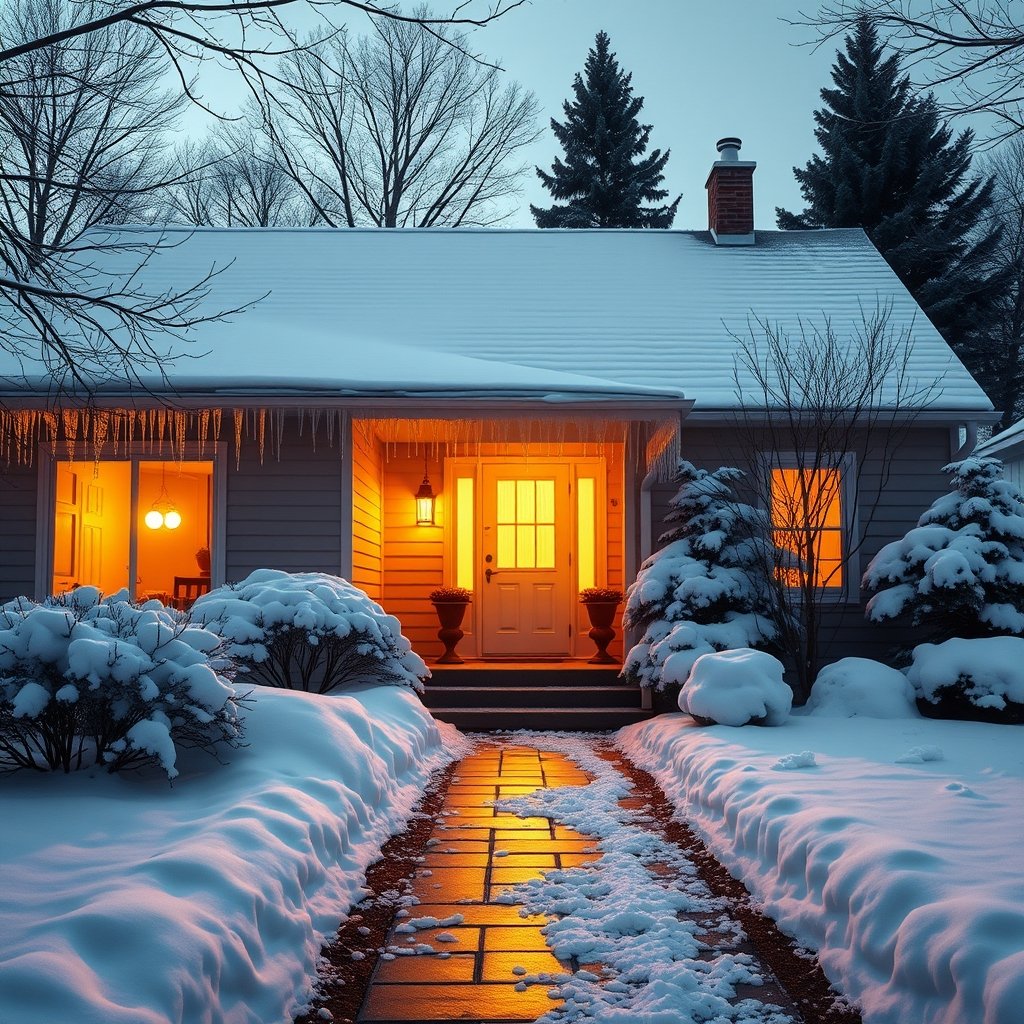
Preparing your home for winter is no longer optional given the dramatic surge in insurance losses. Nationwide, water damage and freezing events now comprise almost 28% of all homeowner loss claims. The average payout? Over $12,500—and that number is climbing. Frozen-pipe claims sit between $10,000 and $20,000 each. As of this year, insurance industry data exposes a $31 billion increase in roof claim costs, mostly due to collapses and ice damming. These aren’t anomalies—they’re part of a trend: more extreme cold snaps and unpredictable freeze-thaw cycles are hitting homes previously considered safe.
Most insurance will only help if you can prove you took reasonable steps to prevent damage. What does that mean for you? It means winterizing your home with a risk-focused plan, targeting not just the obvious, but the unseen trouble spots most people skip.
The Most Common and Costly Winter Home Damages—And How to Stop Them
The harsh truth is that three risks cause the lion’s share of winter home losses: frozen plumbing, roof and snow/ice failures, and heating-related fires or breakdowns. According to insurance statistics, water damage and freezing was the second most frequent claim over the last five years, with an average claim size of $13,954.[Source] A careful look reveals why:
- Frozen Pipes: Water expands when it freezes, and a split pipe can flood your basement or crawlspace in minutes. Homes with unfinished or poorly insulated basements are at highest risk—where most neglect occurs and insurance claims spike.
- Roof and Gutter Failures: Heavy snow or ice dams can tear gutters, collapse roof sections, or force meltwater into attic insulation and walls. Gutters clogged with leaves are a main culprit, yet only half of homeowners clear them before winter sets in.
- Heating and Fire Incidents: Failing to maintain furnaces, wood stoves, or dryer vents leads to breakdowns and, in worst cases, house fires or carbon monoxide leaks. These losses are among the most severe—and often are only covered if maintenance can be documented.
Stopping these problems often costs less than $300 in preventative steps—versus tens of thousands on repairs and insurance hikes afterward.
Overlooked but Essential Cold Weather Maintenance Tasks
It’s easy to overlook key cold weather maintenance tasks—especially in areas you rarely see. User complaints and negative reviews point out that insurance claims are often linked to:
- Uninsulated pipes in basements and crawlspaces: Bursts almost always happen here, yet few homeowners add insulation or heat tape to vulnerable runs.
- Air Leaks around the Exterior and Attic: Even tiny gaps let freezing air reach pipes or push up heating bills. Expanding foam, caulk, and weatherstripping can address these in a weekend.
- Gutter and Roof Clearing: Debris traps ice, causing damming and meltwater to seep behind siding—or even collapsing gutters. Most damage starts here, despite how simple it is to fix.
- Annual Heating Checks: Skipping furnace, heat pump, or chimney service is a leading cause of winter breakdowns and fire incidents.
Shockingly, fewer than 20% of US homeowners take even basic water damage precautions.[Source] That’s why routine, full-envelope winterizing is your best investment and not just a “nice to have.”
Want more practical, year-round ideas? Check out our Home Maintenance Checklist or see what’s on the Home Improvement Ideas list for more value-adding maintenance projects.
Step-by-Step: How to Winterize Your Home Against Major Risks
Here’s what to do—organized by the risks that rack up the most claims. Each step is ranked by its impact on minimizing costly winter damage.
1. Comprehensive Pipe Protection
- Insulate all exposed plumbing. Use pipe foam or fiberglass sleeves for lines in unheated areas (basements, garages, crawlspaces, attic knee walls).
- Install heat tape (UL-rated) on pipes most at risk—especially those along outside walls or slab foundations.
- Seal cracks and air gaps. Use caulk or spray foam around pipe exits and wall/floor penetrations where drafts chill nearby pipes.
- Keep indoor temps at or above 55°F—even if you’ll be away.
- Shut off and drain outdoor faucets. Always disconnect hoses and use insulated faucet covers.
2. Roof and Attic Prevention
- Clean gutters and downspouts at least twice: after leaf drop, and just before the first freeze. Blocked gutters are a main cause of ice dams and roof leaks.
- Check attic ventilation. Blocked soffit or ridge vents allow heat and moisture to build up—sparking ice dams and mold.
- Install snow guards if you have a steep or metal roof. They prevent dangerous snow slides and distribute weight evenly across your roof surface.
- Seal attic air leaks (around light fixtures, hatches, and chimneys) with spray foam or weatherstripping. Warm air in the attic can melt roof snow, creating ice dams when it refreezes at the roof edge.
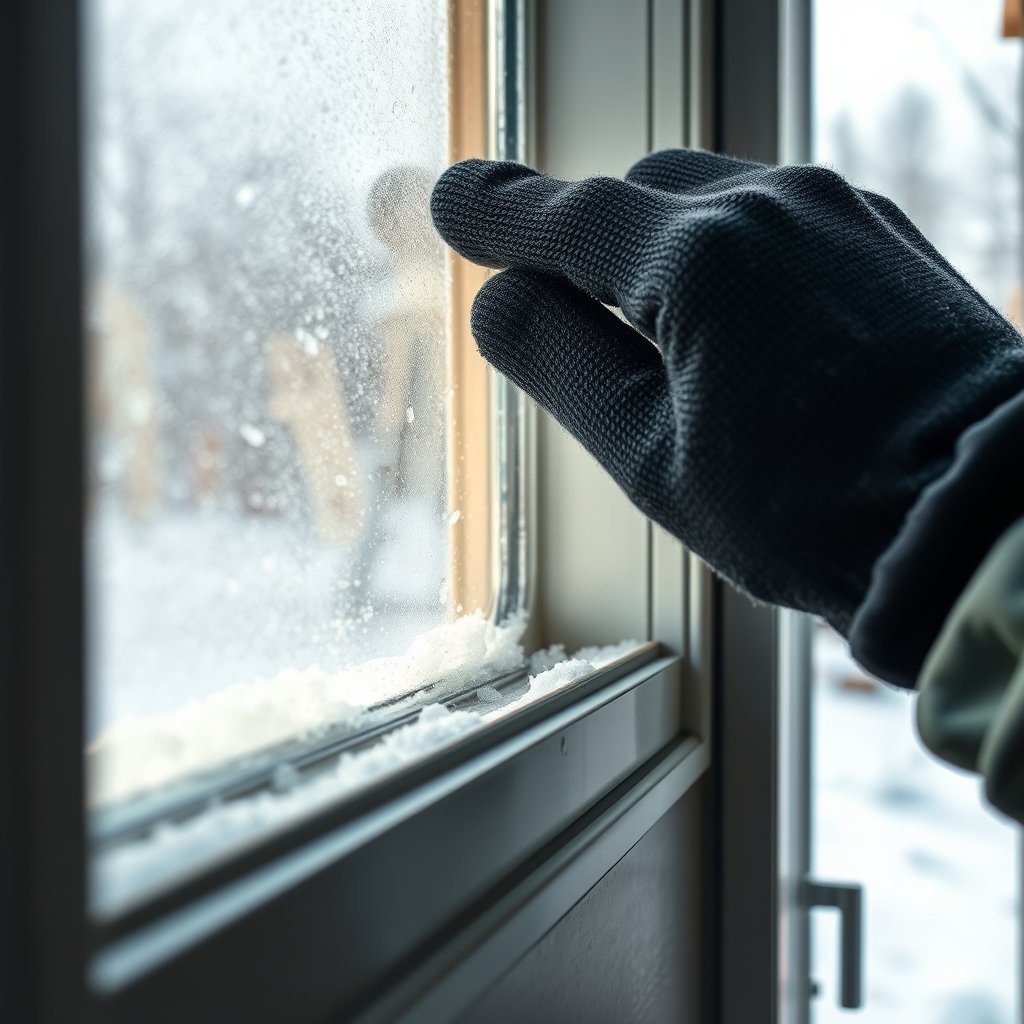
- Trim overhanging branches several feet away from your home and gutters. Ice buildup or falling limbs are a top source of storm claims.[More safety tips]
3. Heating Safety and Preparedness
- Schedule a professional furnace or heat pump tune up every year. Many breakdowns and even fires start with dirty burners or failed safety shutoffs.
- Inspect and clean your chimney flue if you use a fireplace. Creosote buildup is a leading cause of winter house fires.
- Clean your dryer vent. Lint buildup is an overlooked fire hazard, especially during winter when dryers work hardest.
- Test and replace batteries in carbon monoxide and smoke detectors. Replace any faulty units. This is a requirement for many insurance policies in case of winter emergencies.
For maintaining older systems, see our tips on beginner DIY home repairs or consider upgrading with energy-saving appliances shown to pay for themselves in lower heating bills.
Missed, Underexplained, or Hidden Dangers in Top Guides
Browse the most popular checklists online and you’ll find the same four or five winterizing steps on repeat. But insurance adjusters and home inspectors repeatedly cite three overlooked dangers:
| Hidden Danger | Consequence | What Actually Works |
|---|---|---|
| Partial (Not Full) Pipe Insulation | Freeze-ups below floors or behind walls; sudden burst during deep cold | Insulate every exposed inch, install heat tape in crawlspaces, and monitor cold-prone runs with wireless sensors |
| Missing or Blocked Roof Ventilation | Major ice damming, mold in the attic, and rot in roof framing | Balance insulation and airflow, clear soffit/ridge vents, consider passive/solar attic fans if needed |
| Skipping Heating System Replacement | Sudden midwinter breakdown; worst-case carbon monoxide leaks | Replace any system >15 years old or with recurring repair needs; annual professional tune-up is a must |
Review forums and complaint logs show that failing to test carbon monoxide detectors and neglecting dryer vents are the most common oversights leading to fire and air quality hazards.[Source]
Quick-Check Winter Home Maintenance Checklist
Print or save this as your go-to list for winterizing your home. Each step can be verified by insurance adjusters if you ever need to make a claim:
- Insulate all water pipes in unheated areas—pay special attention to the basement, crawlspace, attic, and garage runs.
- Apply heat tape to exterior-exposed or high-risk pipes.
- Seal exterior and attic air gaps with caulk or spray foam—don’t skip cable/pipe penetrations, attic hatches, or around window frames.
- Flush and shut off outdoor faucets and add insulated covers.
- Clear all gutters and downspouts before freeze-up.
- Check and clear attic and roof vents.
- Trim overhanging tree branches near the roof and power lines.
- Test smoke and carbon monoxide detectors—replace batteries.
- Schedule annual furnace/heat pump and chimney cleaning with a licensed pro.
- Clean out your dryer vent (in-wall and outdoor termination—fire insurance claims spike here each winter).
- Keep interior temperature at or above 55°F at all times.
Why bother? Even one missed task can mean a five-figure insurance claim. Fewer than 20% of US homeowners take all these steps, but they’re the ones least likely to suffer major winter damage.[Data]
For more year-round upkeep ideas, see our Home Maintenance Tips or, if you’re getting ready for spring, the Spring Home Maintenance Checklist.
FAQ Section
What is the number one cause of winter home insurance claims?
Frozen and burst pipes are the most frequent and expensive cause of winter home insurance claims, often causing damage costing over $13,000.
How can I tell if my pipes need more insulation before winter?
Inspect areas like basements, crawlspaces, attics, and exterior walls for visible pipes. If you see bare copper or PVC, add insulation or heat tape. Pipes running near vents or unsealed gaps are most at risk and need extra protection.
How often should I clear gutters in the fall?
At least twice: once when most leaves are down and again right before the first significant freeze. In wooded lots, more frequent checks may be needed.
Does my homeowners insurance cover all water damage from freezing?
Not always. Many policies require you to prove you took steps to prevent damage—for example, maintaining heat and insulating pipes. Claims may be denied if negligence is suspected.
What is the best temperature to prevent pipes from freezing?
Keep your thermostat set to at least 55°F in all areas, even if you are leaving for vacation or an extended period.
Conclusion
If you follow these Winter Home Maintenance Tips with a focus on critical prevention—pipe insulation, roof and attic management, and annual heating system checks—you’ll dramatically reduce your risk of sudden, expensive cold-weather disasters. Don’t wait for insurance paperwork and repair bills to motivate you. Take action today, walk your property, and work through the checklist to prepare your home for winter. For more actionable homeowner advice, see our complete guide to Home Improvement Tips.
—