

Preventive Home Maintenance is the difference between a home that runs efficiently with fewer surprises and one that drains your budget with unexpected headaches. Here’s a data-driven strategy that actually works—even if past tips have left you confused or skeptical.
Key Takeaways
- Done right, preventive home maintenance offers up to 200% ROI by avoiding costly emergencies, extending major system lifespan by 20%, and trimming energy bills by 10–15%.
- Most homeowners are blindsided by repair costs because typical checklists miss smart early-warning systems, indoor air quality, and climate resilience.
- Simplify your routine by focusing on integrated checklists, time-blocking, automation, and knowing when to call a pro versus tackling DIY projects.
- Why Preventive Home Maintenance Pays Off
- Essential Preventive Home Maintenance Checklist (Comprehensive Guide)
- Common Pitfalls and Advanced Analysis
- Conclusion & Next Steps
- FAQs About Preventive Home Maintenance
Why Preventive Home Maintenance Pays Off
Preventive home maintenance is more than a “to-do” list. According to decades of property data, staying on top of scheduled home care can extend the life of critical systems—HVAC, roofs, plumbing, electrical—by roughly 20%. If you invest about $12,000 in routine care for a typical house, you can avoid more than $30,000 in emergency repairs. Those investments often add $6,000 in property value too. And, by keeping annual maintenance under $5 per square foot, you stay well below the national average of $8,100 per year for upkeep.
These numbers matter, especially when a record-high 83% of homeowners faced surprise maintenance problems this year—almost double compared to just a few years ago. Neglect and missed tasks mean bigger costs and more headaches later. Consistency is the real game changer.

Essential Preventive Home Maintenance Checklist (Comprehensive Guide)
To truly protect your home and wallet, you have to go beyond basic seasonal chores. Use this up-to-date, prioritized checklist—packed with what most guides miss—to keep your maintenance streamlined and cost-effective:
- Integrate Smart Sensors & Early-Warning Devices
- Install leak detectors near your water heater, basement, and under sinks.
- Add smart smoke and carbon monoxide detectors connected to your phone.
- Consider a smart home energy monitor (learn more in our energy monitor guide) to alert you to abnormal electricity spikes before a costly breakdown.
- Use HVAC monitors to catch heat/cooling failures before they escalate.
- Maintain Indoor Air Quality and Ventilation
- Change HVAC and room air purifier filters every 2–3 months (see top air purifiers for home).
- Schedule annual duct cleaning and test vents for blockages.
- Use humidity sensors and address damp spots quickly.
- Run range hoods and bathroom fans regularly to clear out moisture and indoor pollution.
- Climate Resilience & Weather Proofing
- Check seals and caulking around doors and windows every spring and fall. Reseal as needed (limewash paint can prevent moisture).
- Reinforce attic and crawlspace insulation—especially important amid rising temps and storms (see this Forbes report).
- Inspect and clear gutters, extend downspouts before the rainy season.
- Review your exterior for storm damage—replace lost shingles and siding promptly.
- Disaster prep: Know your region’s top risks (ice, wind, wildfire) and stock basics (water, batteries, tarps, non-perishable food).
- Quarterly Checks
- Test GFCI outlets and reset circuit breakers.
- Inspect for slow drains and fix minor clogs fast—avoiding major plumbing bills (see repair tips).
- Clean dryer vents and refrigerator coils to avoid fire risks (hidden appliance maintenance guide).
- Seasonal Essentials
- Spring: Roof and exterior check, pressure washing decks (see pressure washer guide), tune up irrigation systems (clover lawn care).
- Fall: Furnace filter change, check weatherstripping, prep hoses for winter.
- Summer: Inspect attic for heat/water issues, seal cracks, test AC.
- Winter: Insulate pipes, check for ice dams, monitor for freezing issues.
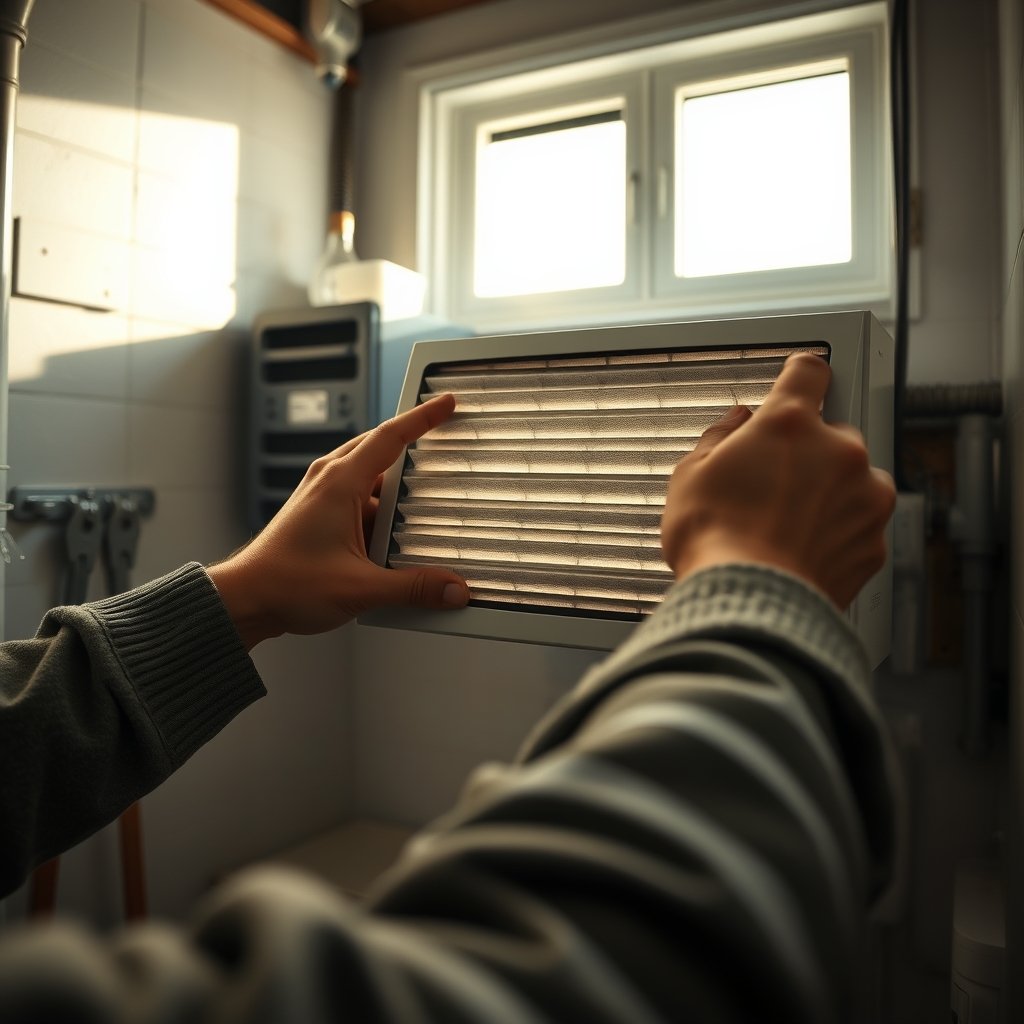
Staying consistent (compliance at 95% or above) correlates with the highest homeowner satisfaction and up to a 20% longer lifespan for appliances and infrastructure (see Pearl Certification research).
Common Pitfalls and Advanced Analysis
Why do most homeowners—even the diligent ones—fall short with preventive maintenance? Modern data uncovers clear patterns of frustration and missed opportunities:
| Common Pitfall | Impact | Smart Solution |
|---|---|---|
| Confusing, fragmented checklists | Missed or duplicate tasks, wasted time, growing frustration | Use consolidated, dynamic checklists (see our master checklist) |
| Time constraints, lack of prioritization | Critical jobs pushed aside; emergency repairs more likely | Batch related jobs into “maintenance days”; outsource low-skill tasks if needed |
| Ignorance of new climate/weather threats | Flood, heat, and wind damage not covered; higher insurance costs | Update your checklist each year based on regional risks; consult local weather authorities |
| Poor air quality/ventilation goes unchecked | Health issues, costly system failures, lower property value | Set reminders for air filter changes, schedule annual duct cleaning |
| Failure to leverage technology | Missed early warnings, energy waste | Install smart sensors, home energy monitors, and programmable thermostats (see top picks) |
| Buried or unclear cost expectations | Budget wrecked by hidden repair bills | Budget around $5/sq ft annually for routine care, pad 10% for surprises (see Bankrate’s estimates) |
Don’t overlook that over 40% of homeowners cite hidden costs as their biggest regret. Confusion often grows when guides fail to give specific task timing, realistic budgets, or call out common seasonal oversights. Create and save your own custom checklist, and review the categories above each quarter to ensure everything is covered.

Conclusion & Next Steps
Smart preventive home maintenance isn’t about doing it all yourself—or handing off every job. It’s about setting up a repeatable, up-to-date system that uses technology, covers air quality, and adapts to your local climate risks. By following this strategy and using thorough checklists, you keep costs below the national average, extend system lifespans, and dramatically reduce unwanted surprises. Don’t wait for the next “unexpected repair”—start streamlining your preventive home maintenance routine now, and reap the rewards of a safer, more valuable home.
Ready to take the next step? Download and customize your complete home maintenance checklist or browse simple DIY projects for extra savings.
FAQs About Preventive Home Maintenance
How much should I budget yearly for preventive home maintenance?
Industry experts recommend around $5 per square foot per year for routine care on an average home. Adjust higher if your house is older or exposed to severe weather, but this keeps you well below the national average and helps avoid surprise costs.
Which preventive maintenance tasks are best for DIY, and when should I hire a pro?
DIY: Filter changes, simple cleaning, gutter clearing, visual inspections, caulking, replacing weatherstripping. Call a pro for annual HVAC checkups, electrical work, roof repairs, and anything involving plumbing behind walls.
What are the most commonly overlooked areas in home maintenance?
Three areas most checklists miss: adding smart leak and safety sensors, actively managing indoor air quality (ventilation, purifiers, duct cleaning), and climate-specific resilience steps like upgrading insulation for weather swings or prepping for disasters.
How do smart sensors and monitors pay off?
Smart sensors alert you to leaks, unsafe temperatures, power surges, and equipment issues before they become expensive disasters, saving hundreds (or thousands) in emergency repairs and helping with insurance claims.
Why does consistency matter more than cost in preventive maintenance?
Skipping or delaying even small tasks leads to bigger repairs over time. Homeowners with 95% or better compliance see fewer emergencies, higher satisfaction, and a 20% or greater increase in the life of major home systems.