

### Blog Post:
Prevent Water Damage is more urgent than ever for homeowners facing rising repair costs and unpredictable risks. If you want actionable ways to protect your home—beyond the “turn off your water when you leave” basics—this guide breaks down overlooked dangers, costs you might not see coming, and the latest tech-driven solutions to achieve real home water damage prevention.
Key Takeaways
- Water damage is now one of the most frequent (and costly) threats to U.S. homes, averaging around $14,500–$15,400 per claim.
- Many insurance policies exclude losses from slow leaks and poor plumbing maintenance—leaving gaps that can cost you thousands.
- Combining proactive maintenance, overlooked leak checks, and smart tech integration gives homeowners the strongest defense.
- Why Water Damage is a Growing Threat for Today’s Homeowners
- True Cost: The Financial Burden of Leaks and Poor Plumbing Maintenance
- Why Leak Prevention Fails—Homeowner Complaints and Overlooked Risks
- Beyond the Basics: What Most “Top Tips” Guides Miss About Water Damage Prevention
- Proactive Checklist: How to Actually Prevent Water Damage in Your Home
- Fast Response: What to Do If You Suspect a Leak or Water Damage
- Frequently Asked Questions
Why Water Damage is a Growing Threat for Today’s Homeowners
In the past decade, water damage claims have climbed in both frequency and cost—now outpacing even fire and theft in many regions. Homeowners face about 5–6 million water-damage incidents each year. That is roughly one in sixty insured homes annually, or over 14,000 emergencies every day across the United States. The average insurance payout has jumped to $14,500–$15,400. Why is this happening? Aging infrastructure, larger appliances, extreme weather, and evolving home layouts mean more points where leaks can start—and more at stake if they go unnoticed. For most families, home water damage prevention is no longer optional.
True Cost: The Financial Burden of Leaks and Poor Plumbing Maintenance
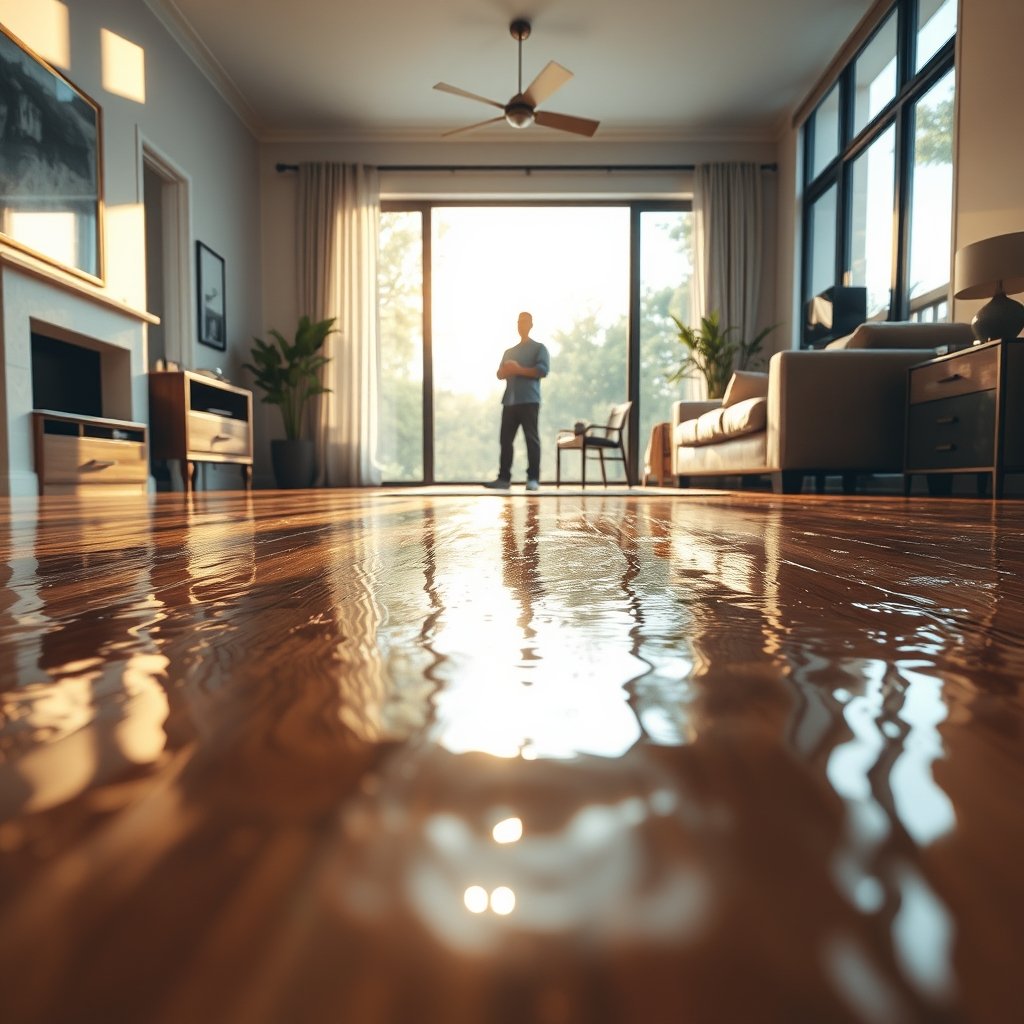
Direct repair bills are just the beginning. America’s annual economic damage from water and mold has reached $2.5 billion. A burst pipe or appliance leak can destroy flooring, cabinets, electrical, and even foundation supports. However, your insurance policy likely excludes “gradual leaks”—slowly dripping water lines, failing seals, or seepage behind walls. This means you might be fully responsible for repair costs when routine plumbing maintenance is skipped or when a hidden leak is discovered after months of damage. These indirect costs—higher insurance premiums, lost home value, mold remediation, missed work—add up quickly. Timely home water damage prevention measures are the single most effective way to keep costs from spiraling.
It’s not just major disasters. Even a pinhole leak can cost you hundreds per year in wasted water and damage. According to EPA statistics, 10% of homes lose more than 90 gallons per day to leaks, totaling as much as $680 per household annually in utility costs alone. Leaky homes literally drain your money.
Why Leak Prevention Fails—Homeowner Complaints and Overlooked Risks
Most leak prevention devices and routines sound good—until you read real homeowner experiences. The top complaints:
- False alarms due to improper calibration or sensor placement
- Devices fail to shut off water quickly enough during fast leaks
- “Slow leaks” behind walls or underground lines go undetected for months
- Vague, incomplete plumbing maintenance schedules cause confusion
- Insurance often does not cover long-term or preventable damage from slow leaks
- Difficulties finding plumbing problems in complex kitchens and bathrooms
It’s clear the standard approach—occasional inspections and insurance—doesn’t protect against most expensive scenarios. New home features, like hidden kitchen storage (appliance garage ideas) and pocket door cabinets (space saving cabinets), often conceal pipes and connections, making hidden leaks tougher to spot until severe water damage occurs.
Beyond the Basics: What Most “Top Tips” Guides Miss About Water Damage Prevention
Most articles on how to prevent water damage repeat the same advice: inspect visible pipes, clean your gutters, shut off water before travel, and check appliance hoses. These are helpful, but rarely enough. Data shows that fewer than one in five homes currently use any sort of continuous, real-time water monitoring—like smart main shut-off valves, flow sensors, or pressure sensors. Even fewer combine these with integrated leak sensors under appliances, in basements, or along exterior hose bibs.
What works better?
- Real-time monitoring of water flow and pressure at the main supply line, linked to automatic shut-off if abnormal flow is detected.
- Sensor networks: Wireless water sensors under sinks, dishwashers, behind toilets, and near sump pumps, with instant alerts to your phone.
- Scheduled, visible inspections: Not just “every year”—follow a monthly and quarterly home maintenance checklist with specific areas mapped to your home layout.
- Insurance discounts: Many insurance carriers now offer credits for proactive installation of leak detection or shut-off technology[source], but homeowners rarely claim these. Ask your agent about policy upgrades.
Link these smart strategies with targeted upgrades in hidden-prone areas. For example, if your kitchen remodel includes new minimalist designs, conceal leak sensors and make sure you have access points for checks (kitchen remodeling ideas).
Proactive Checklist: How to Actually Prevent Water Damage in Your Home
The most effective home water damage prevention combines routine habits, regular maintenance, and smart tech. Start here for a robust defense:
- Install smart water monitoring at the main entry and high-risk areas (kitchen, laundry, basement). Choose devices with automatic shut-off features.
- Place wireless leak sensors near appliances (fridge, dishwasher, washing machine), under sinks, and in bathroom cabinets. Test alert functionality monthly.
- Track water bills and usage. Spikes often signal a leak—even if you never hear or see one. Consider adding an energy and water usage monitor from best smart home device guides for deeper analysis.
- Schedule quarterly walk-throughs. Update your maintenance schedule to include hidden spaces, attic, basement, crawlspaces, and fixtures. Watch for corrosion, discoloration, musty odors, or bubbling paint.
- Flush and test shut-off valves at each fixture once a year. Sticky valves make leak emergencies much worse.
- Clean gutters and inspect downspouts before spring and fall. Water pooling along your foundation is a top cause of basement leaks. For help, see our gutter maintenance tips.
- Replace hoses and supply lines to appliances every 5 years—or sooner for signs of wear.
- Update plumbing in older homes. Aging pipes are a high-risk point for hidden leaks. Consult licensed plumbers for materials and local code compliance (maintenance checklists).
- Know your insurance coverage: Document what types of water damage are covered or excluded. Consider additions like sewer backup or sump pump overflow riders if you live in a risk area.
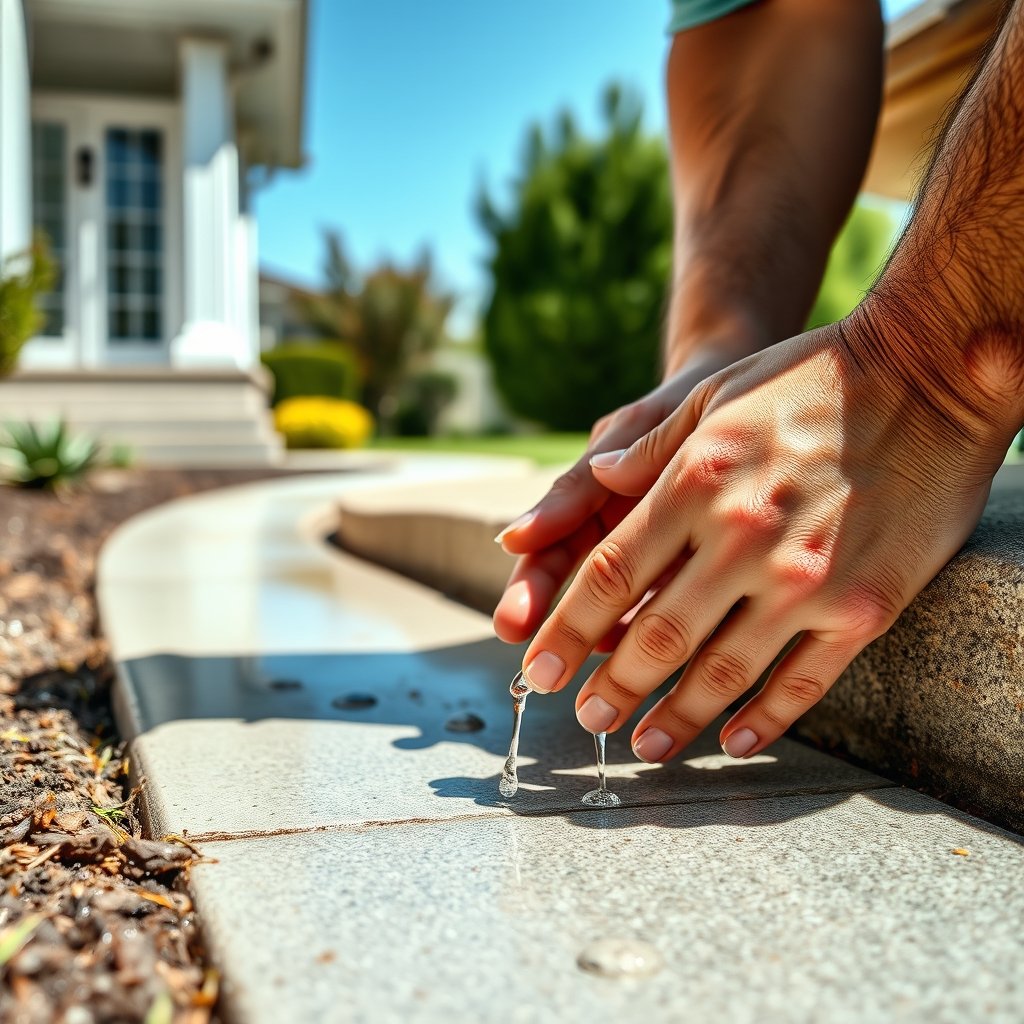
Lastly, fix known leaks immediately. The EPA confirms that attending to leaks in 10% of homes could save over $680 per year on water bills alone. Leaks never get better on their own—they get more expensive to fix.
Fast Response: What to Do If You Suspect a Leak or Water Damage
If you notice unexplained moisture, sudden spikes in your water bill, or visible signs like bubbling paint or musty odors, act fast to prevent water damage from escalating:
- Shut off water at the main valve. Know the exact location, and make sure the handle turns easily. If stuck, call a plumber now—forcing a rusty valve can break old pipes.
- Disconnect electricity near standing water to avoid shock—never walk in water near electrical outlets.
- Document the damage with photos and notes. This is crucial for insurance claims.
- Contact a professional restoration or plumbing service the same day. The faster you start repairs, the lower your long-term costs (speed matters for mold and repairs).
- Notify your insurance carrier early and clarify what damage is covered. Save all receipts and communications.
Do not ignore “minor” leaks—they often signal larger, hidden issues in walls or under foundations. Even a slow drip can undermine flooring or structural wood over time, turning a $50 fix into a five-figure emergency.
Advanced Analysis & Common Pitfalls
Even with the newest technology and routines, certain pitfalls catch many homeowners by surprise. Here’s an honest look at common obstacles and how to work around them.
| Common Pitfall | Why It Happens | How to Avoid or Fix |
|---|---|---|
| False sensor alarms | Sensors placed in dusty, damp, or uneven spots; battery failure | Test sensors monthly; replace batteries; use anti-false-alarm models |
| Sensor network does not trigger shut-off | Main shut-off valve not connected or set up incorrectly | Choose integrated systems; verify with a dry-run after install |
| Insurance claim denied | Damage deemed “gradual” or “preventable” | Keep dated photos, maintenance logs, repair invoices as proof of proactive care |
| Mold develops after incident | Slow response to leak; inadequate drying | Start drying and professional assessment on day 1; use fans, dehumidifiers |
| Missed leaks in hidden areas | Modern cabinetry or remodel blocked inspection access | Incorporate inspection ports or removable panels during upgrades |
Another issue: Homeowners often skip preventive upgrades because they assume their standard policy covers all water damage. In reality, you are often on your own for gradual leaks, maintenance issues, or flooding sources described as “preventable.” Always read your policy and ask for explicit clarifications—do not wait for a denied claim to discover costly exclusions.

Conclusion
Preventing water damage is not just about stopping a major flood; it means combining technology, regular plumbing maintenance, and smarter homeowner habits to block both catastrophic and hidden leaks—before they turn into major bills. Choose real-time monitoring, address even the smallest sign of moisture quickly, and adapt your checklist as you upgrade your home. Prevent Water Damage by staying proactive, informed, and ready for the unexpected. For a home that stays dry (and valuable), get started with these steps today.
Protect your investment—review your insurance, consider smart-home upgrades, and act fast if you suspect even a minor problem. For more ways to upgrade your home, check out our home improvement tips and stay informed about new home maintenance solutions.
Frequently Asked Questions
How can I tell if I have a hidden leak?
Common signs include suddenly higher water bills, the sound of running water when everything is off, musty odors, discoloration on ceilings or walls, and damp spots in cabinetry. A smart water monitor or overnight water meter test can help confirm a hidden leak.
Does insurance cover all types of water damage?
No. Most standard policies cover sudden, accidental water damage (like a burst pipe) but exclude gradual leaks, poor maintenance, or “preventable” incidents. Always check your policy and consider extra coverage for sewer backup or sump pump overflow if at risk.
What is the best technology for leak prevention?
Combined systems work best: A main water shut-off with real-time flow or pressure monitoring, plus wireless leak sensors in high-risk areas. Choose models that notify your smartphone and can shut water automatically if a leak is detected.
How often should I inspect my plumbing?
Do a basic walkthrough every quarter, checking all accessible pipes, faucets, appliance connections, and hidden areas like attic, crawlspace, behind appliances, or under sinks. Troubleshoot valves annually and keep logs of repairs and maintenance.
How quickly should I respond to a suspected leak?
Act the same day. The sooner you shut off water and call a professional, the less damage and mold growth you will face. Rapid response improves insurance claim outcomes and limits out-of-pocket expenses.