

### Blog Post:
Best String Trimmer choices can make or break your weekend yard work—yet for most homeowners, finding a model that truly lasts, cuts fast, and doesn’t cause headaches over batteries is tougher than expected. In this no-fluff, research-driven guide, you’ll find out which string trimmers actually perform as promised in YYYY, what independent testers found, and what experienced users wish they’d known before buying.
Key Takeaways
- Top picks combine long runtime, wide cutting swaths, quick charging, and comfortable design—sacrificing on any of these leads to the most complaints.
- Real user reviews reveal issues often missed in other guides, like battery fade, frequent line-feed jams, and comfort problems during longer sessions.
- Many “best of” lists skip critical specs like watt-hour ratings and heavy-load tests, which are essential for matching the right grass trimmer to your specific needs.
- Best String Trimmers of YYYY: Top Picks Backed by Real Reviews
- How Do Today’s Cordless Trimmers Stack Up? Performance, Battery, and Durability
- Real User Pain Points: What Weed Eater Reviews Reveal (and Most Lists Miss)
- Critical Buying Factors Often Overlooked in “Best String Trimmer” Guides
- The Bottom Line: Choosing the Right Trimmer for Your Yard
- FAQ: Best String Trimmer
Best String Trimmers of YYYY: Top Picks Backed by Real Reviews
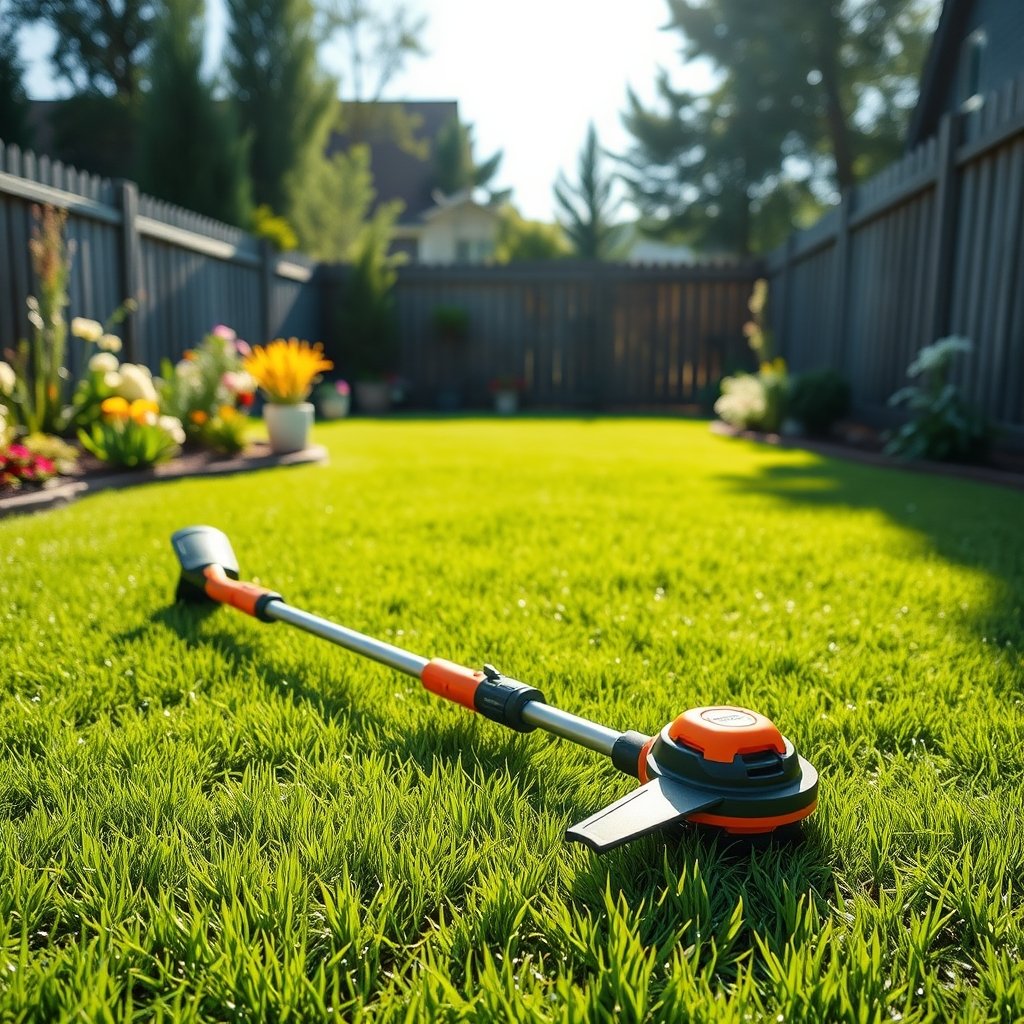
When comparing the best string trimmer options available, real user experiences and independent testing consistently put the EGO POWER+ 15” (56V, 2.5Ah/4.0Ah) at the top of the cordless class. This model stands out for sheer run time—up to 45 minutes per charge—its 5,000 to 9,000 RPM brushless power, a light (sub–12 lb) body, rapid 50-minute recharging, and a robust 3-to-5-year warranty. These strengths address the two biggest homeowner headaches: work-stopping pauses from weak batteries and discomfort from heavy, poorly balanced tools.
Close runners-up, each with a unique edge:
- Worx GT3.0 20V: Incredibly light, ideal for first-timers or frequent quick touch-ups, with a ~30-minute runtime and a 12-inch cut width. It’s favored for comfort and easy line switching.
- DeWalt 20V X2: Noted for a long-lasting brushless motor, around 35 minutes of real-world cut time, and a 13-inch swath—great midrange power with pro-brand reliability.
- Makita XRU23Z 18V LXT: Known for robust build, 13-inch head, and typically 30 minutes of runtime. Especially durable and easy to handle, often outlasting cheaper competitors.
For context, these models consistently score highest in aggregate weed eater reviews and independent lab test roundups [source], specifically excelling in runtime, recharge speed, warranty coverage, and comfort. While each model has trade-offs, what sets the best apart is delivering plenty of actual cut time and fewer start/stop frustrations—a key theme missing in many lists.
You can find more detailed comparisons of modern power tool categories—including string trimmers—in our Best Power Tools Guide.
How Do Today’s Cordless Trimmers Stack Up? Performance, Battery, and Durability
The cordless trimmer scene has shifted fast. Models like the EGO POWER+ run 25–45 minutes (per true battery test—not marketing claims). Most charge up in under one hour. But the real differentiator is the cutting swath: EGO’s 15–16-inch wide cut covers more lawn with each pass compared to rivals averaging 12–13 inches.
For battery life, higher voltage and amp-hour specs matter—but you should also check watt-hour ratings. For example, the EGO’s 2.5Ah at 56V equals 140 watt-hours, giving more sustained power than a 20V/4Ah unit (80 watt-hours). The result is less drop-off in cutting power as the battery drains, something that especially impacts medium lawns.
If you expect to tackle tougher, thicker grass or perform edging, the brushless motor and torque output become essential. The DeWalt and Makita both use brushless motors for longer lifespan and better torque, but their smaller cutting swaths mean more passes on a larger property. Ergonomics—handle design, weight distribution, balance—also play a direct role in reducing fatigue and are emphasized more in today’s higher-rated picks.
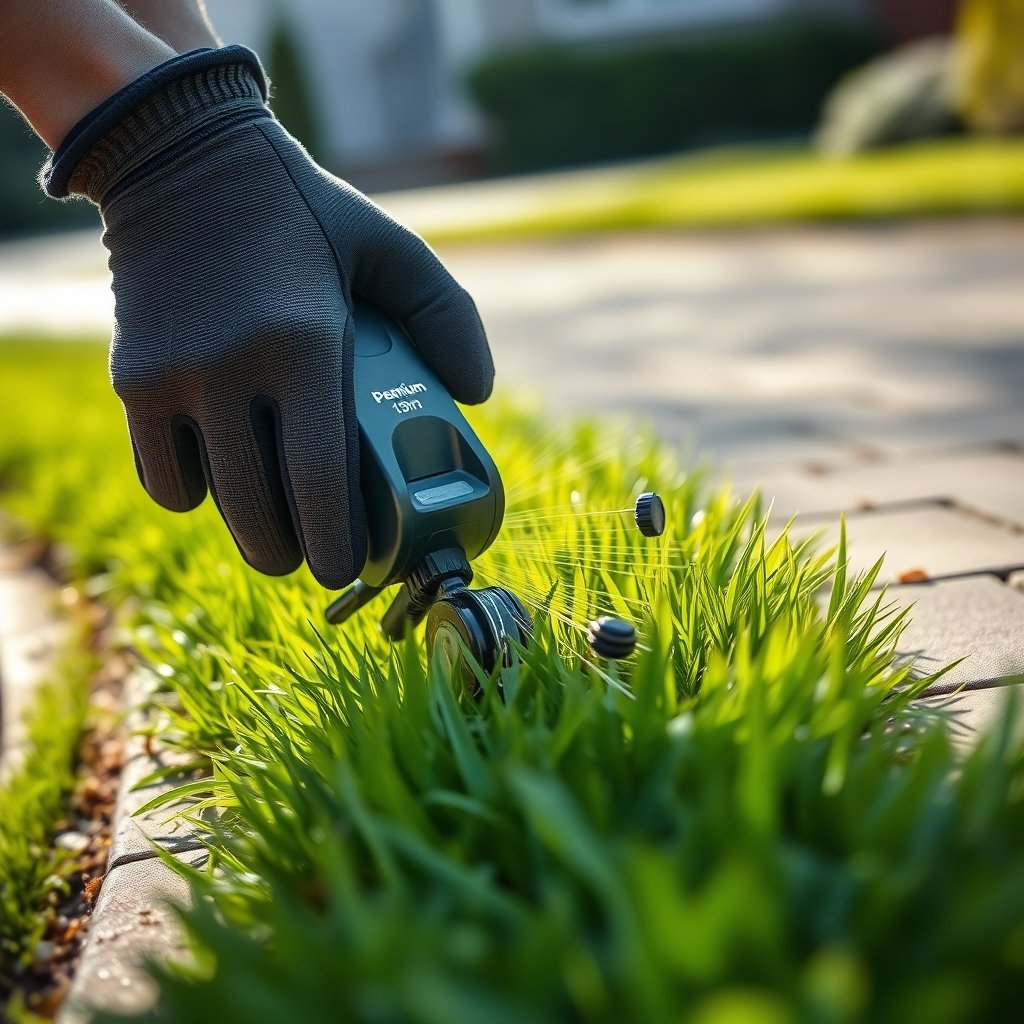
Beyond power, look for weather-sealed bodies and reinforced guards for true backyard durability. The Makita and DeWalt lines are especially resilient to drops and exposure, while the Worx GT3.0, though lighter, trades some toughness for comfort. Below is a table comparing the headline specs of our top picks:
| Model | Voltage | Battery Size | Approx. Runtime | Cutting Swath | Weight | Recharge Time | Warranty |
|---|---|---|---|---|---|---|---|
| EGO POWER+ 15″/16″ | 56V | 2.5Ah/4.0Ah | 40-45 min | 15–16 in | <12 lb | ~50 min | 3–5 years |
| Worx GT3.0 | 20V | 2.0Ah | ~30 min | 12 in | <7 lb | ~60 min | 3 years |
| DeWalt 20V X2 | 20V | 2x 5.0Ah | ~35 min | 13 in | 8–9 lb | ~60 min | 3 years |
| Makita XRU23Z | 18V LXT | 4.0Ah | 30 min | 13 in | 7–8 lb | ~45 min | 3 years |
If you’re aiming to complement a full outdoor setup, pairing a new trimmer with the right tools is smart—see ideas in our Best Lawn Mowers Guide and Lawn Care Tips roundup for a complete toolkit.
Real User Pain Points: What Weed Eater Reviews Reveal (and Most Lists Miss)
Even top-reviewed string trimmers aren’t perfect—and large-scale weed eater reviews surface issues that most comparison articles gloss over:
- Battery Life Shortfall: Many users run out of power before finishing a medium-to-large yard, especially if the trimmer is rated below 35 minutes under load.
- Power Fade: Noticeable drop in RPM as batteries get low, leading to missed patches or needing to recut areas—a true pain for those with thicker grass.
- Frequent Line-Feed and Auto-Feed Jams: The most common mechanical complaint. If the auto line system sticks, expect to stop and open up the head more often than guides admit.
- Fatigue and Balance Issues: Units above 10 lb, or with poorly distributed weight, can cause arm, shoulder, and lower back pain. Lightweight builds (under 9 lb) are often preferred for lasting sessions, but sometimes trade off on ruggedness.
- Durability Problems: Cheaper string trimmers see early wear in trigger mechanisms, line heads, and especially batteries (often degrading within two seasons if left uncharged or stored in high heat).
In surveys, over 60% of negative user reviews for cordless grass trimmers mention at least one of these issues. Some downsides can be managed with careful battery charging/storage habits or regularly lubricating moving parts, but no trimmer is truly “set-it-and-forget-it.”
See owner-reported problems and possible solutions in our Home Maintenance Checklist and DIY Repair Guide—many apply to power tool care as well.
Critical Buying Factors Often Overlooked in “Best String Trimmer” Guides
Almost every glossy “best string trimmer” list skips the specs and comparison points that actually matter for most buyers. Here’s what to look for—most are missing from standard guides:
- Battery Watt-Hour Ratings: This spec, not just voltage or amp-hours, reveals real energy capacity. Without it, you can’t compare batteries across brands.
- Torque or Horsepower Equivalents: Tells you how the trimmer handles thick or wet grass—the biggest difference between pro-level and entry-level cordless models.
- Heavy-Load Runtime: Most trimmers drop run time by 20–40% on thick or damp lawns, so real-world numbers matter more than “best-case” claims.
- Vibration and Ergonomic Stats: Look for details on vibration dampening, handle comfort, adjustability for height, and overall balance—not just weight.
- Warranty Details: Three years is a practical minimum for battery-powered outdoor gear. Some brands quietly shorten coverage on batteries versus tool bodies.
For a deep-dive into comparing power tool features and interpreting manufacturer claims, check our Home Improvement Products Guide.
Still feeling overwhelmed? Add these checklist items when you’re comparing trimmers side by side next time.
The Bottom Line: Choosing the Right Trimmer for Your Yard
Choosing the Best String Trimmer in YYYY for your home comes down to a clear checklist: aim for at least 40 minutes of runtime, a 15–16-inch cutting swath, fast charging, and total weight under 12 lb, plus a three-year (or longer) warranty. The EGO POWER+ lineup ticks all those boxes as our top choice, but lighter or slightly smaller trimmers like the Worx GT3.0 or DeWalt 20V X2 may be easier for smaller lawns or less frequent use. Avoid the urge to go ultra-cheap—cutting corners usually means suffering short battery life, more jams, or replacement costs within a year.
Ready to make your yardwork easier and more efficient? Invest in a trimmer that matches your lawn size and comfort needs, not just the lowest price tag. While shopping, remember that independent reviews and verified user complaints are your best friends—use this guide and our full product recommendations for results that actually last.
Want your entire yard looking sharp? Check our strategies in the Clover Lawn Guide and Outdoor Living Ideas for the complete home exterior upgrade.
FAQ: Best String Trimmer
How long do batteries last on the best cordless trimmers?
Expect 30–45 minutes of typical trimming per charge on quality models like the EGO POWER+ or DeWalt 20V X2. Lower-end trimmers may only run for 18–28 minutes under moderate use.
Can a cordless grass trimmer replace a gas model for medium lawns?
For most small to medium lawns and light weeds, yes—high-voltage cordless trimmers like the EGO or DeWalt now match gas power in routine use. Exception: thick, wet overgrowth or commercial-scale jobs still favor high-powered gas units.
What is the most common problem reported in weed eater reviews?
Frequent line-feed jams and significant power drop-off as batteries near empty top the list of user complaints. Both interrupt your workflow and can become annoying if you often cut thick grass or work for long periods.
How do I compare warranties on string trimmers?
Don’t just check the tool—it’s crucial to look for 3–5 years on the trimmer body and at least 2 years on the battery. Read the fine print; some brands quietly shorten battery coverage.
What features really matter most for user comfort?
Low weight (preferably below 9–10 lb), balanced design, ergonomic adjustable handles, and vibration dampening are the top features for comfortable use, especially during longer trimming jobs.