

Home Improvement Projects for Beginners are easier to start than you might think. You do not need advanced tools, years of experience, or a huge budget. With some everyday supplies—and the right guidance—even total newcomers can transform their space and avoid the mistakes that trip up most first-timers.
Key Takeaways
- Most beginner projects cost just $50 to $200 and can be finished over a weekend.
- Pitfalls like underestimating time, skipping research, or measuring incorrectly are easy to avoid with a process.
- Starter wins include painting, hardware swaps, lighting upgrades—and hidden gems like laundry stations or shelf installs.
- Why More Beginners Are Tackling DIY Home Improvement in 2026
- The Real Cost of Easy DIY Home Projects: What Beginners Spend
- Top Three Home Improvement Projects for True Beginners
- Hidden Beginner-Friendly Projects Competitors Overlook
- Most Common Beginner Mistakes—and How To Avoid Them
- Success Checklist—How to Nail Your First DIY Home Project
- FAQ: Home Improvement Projects for Beginners
Why More Beginners Are Tackling DIY Home Improvement in 2026
Easy DIY Home Projects have surged in popularity, especially with Gen Z and Millennial homeowners and renters. In YYYY, nearly 75% of U.S. households did at least one DIY project, and over 60% of these were completed by people under age 40. Social media, rising labor costs, and next-day tool delivery make simple DIY projects more accessible than ever. Most beginners are starting small—painting a room, swapping cabinet pulls, or changing lighting—because these upgrades require just basic tools and little prior experience.
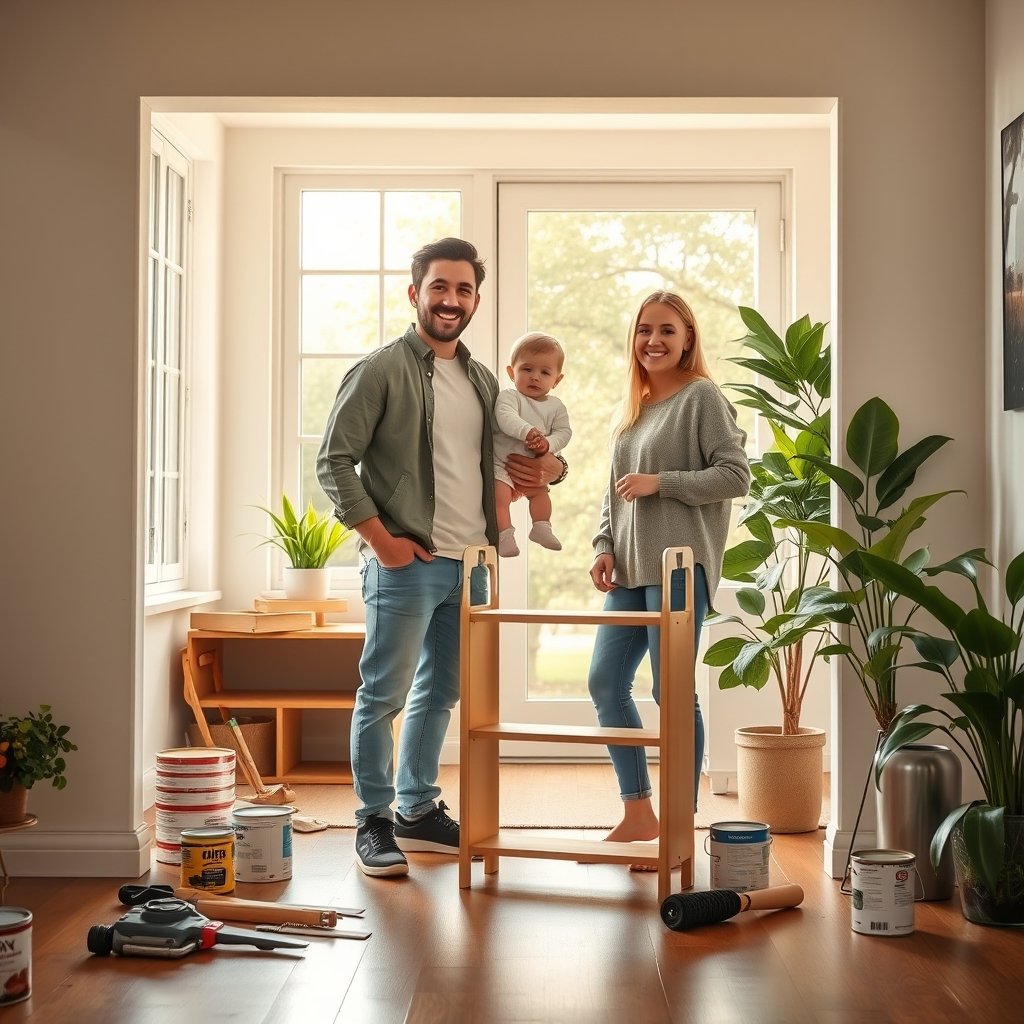
The main reason for this uptick: bigger projects are costly, time-consuming, and daunting for anyone new to home improvement. By contrast, beginner projects offer affordable wins that boost confidence. According to recent market data, more than 60% of new DIYers prefer smaller projects that give an instant sense of progress—and there’s a growing demand for guides that address first-timer anxieties, rather than simply listing project ideas.
Want more inspirational ideas? Check out these best home improvement ideas for all skill levels.
The Real Cost of Easy DIY Home Projects: What Beginners Spend
When starting simple DIY projects, cost is usually the top worry. The good news: most true beginner upgrades—like painting a bedroom, replacing cabinet hardware, or hanging a new light—cost between $50 and $200 total. Younger homeowners (under 35) spend about $1,000 per year on all DIY, but that includes larger upgrades. Beginner-level projects rarely require investing in power tools or expensive specialty gear.
Here’s a typical price breakdown:
| Project Type | Average Cost | Tool(s) Needed |
|---|---|---|
| Painting 1 room | $75–$150 | Roller, brush, tape |
| Swapping cabinet hardware | $30–$100 | Screwdriver |
| Lighting fixture upgrade | $50–$180 | Screwdriver, ladder |
| Wall shelves (basic) | $35–$120 | Level, drill or screwdriver |
If you want to see how larger upgrades compare, explore our Home Renovation Costs Guide.
Don’t forget—collect common tools (screwdriver, tape measure, pliers) instead of buying an expensive toolkit right away. For many basic repairs, you’ll use what you already have. For more on tool basics, see our guide to best home improvement tools.
Top Three Home Improvement Projects for True Beginners
Ready to make a visible change? Most first-timers succeed with these three Home Improvement Projects for Beginners:
- Painting a Room or Accent Wall: The go-to starter upgrade. Painting gives instant results, is forgiving to mistakes, and only requires a roller, brushes, tape, and a drop cloth. No advanced prep is needed—just mask, paint, and admire.
- Swapping cabinet hardware: This includes changing out cabinet pulls, drawer handles, or door knobs in kitchen and bath. You’ll see huge style upgrades for a minor investment of time and money. All you need: a screwdriver—and maybe a template for spacing.
- Updating Lighting Fixtures: Replacing outdated light fixtures or swapping old bulbs for LEDs can transform the feel of your home. Most simple lighting projects involve basic wire connections, but always turn off power and follow tutorials for your specific fixture.
According to recent data, 60% of DIYers choose one of these three as their first home project. Want more visual impact? Learn about trending colors and finishes with our Interior Painting Tips Guide.
For rentals and shared apartments, these starter projects are ideal because they’re usually reversible or low-risk. Even if you’re not planning to stay long, the confidence and skills you pick up will carry over to your next home.
Hidden Beginner-Friendly Projects Competitors Overlook
Most home improvement guides focus nonstop on painting or hardware. But if you want to try something different (and often easier), here are three simple DIY projects often overlooked but perfect for total beginners:
- DIY Laundry Detergent Station: Organize your laundry nook with a basic wall shelf, hooks, and labeled bins. Building a small shelf for detergent or stain removers takes 15 minutes and needs only a screwdriver or hammer. Learn how with this DIY laundry detergent station tutorial.
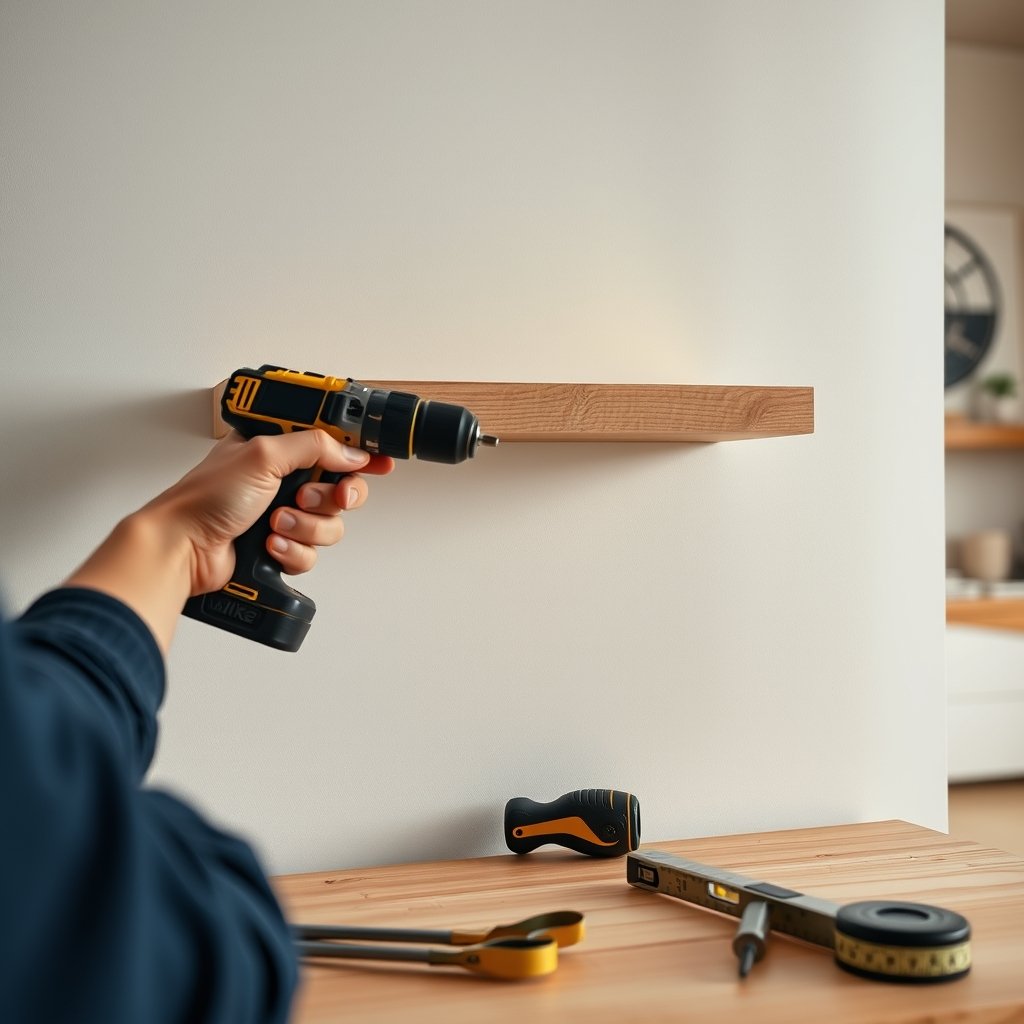
- Basic Wall-Mounted Shelves: Hung with simple brackets, these shelves offer both storage and style. All you need is a pre-cut board, brackets, screws, a drill or screwdriver, and a level. Measure, mark, and screw in place. This project requires virtually no carpentry skills and teaches safe anchoring for future work.
- Outlet Faceplate Upgrades: Changing yellowed, outdated, or paint-splattered outlet covers and switch plates is often ignored but delivers a crisp finish. You just need a flathead screwdriver and $1–$2 cover plates from the hardware store. Turn off the circuit if covers are near damp areas.
Compared to painting and lighting, these projects give beginner DIYers an easy win with zero mess or risk—perfect for nervous first-timers.
Craving more creative options? See our Affordable Home Upgrades guide for inspiration you won’t find in most beginner lists.
Most Common Beginner Mistakes—and How To Avoid Them
Every new DIYer makes rookie errors. Here are the problems that show up most—and how to dodge them:
| Mistake | Why It Happens | How to Avoid |
|---|---|---|
| Underestimating time or cost | Project looks easier than it is | Double your initial estimate; prep everything before you start |
| Wrong or missing tools/materials | Assume what you own is enough | Use project-specific checklists; watch a tutorial before shopping |
| Skipping measuring and marking | Too eager to start | Measure twice, mark clearly on tape, and pre-fit before drilling or painting |
| Ignoring safety (e.g. electricity, unstable ladders) | Not aware of hazards | Unplug, turn off circuits, secure ladders; always read the safety section first |
| Skipping research | Jump in on impulse, rely on vague advice | Browse two video tutorials or blog step-by-steps—even for simple DIY Home Projects |
For a deeper dive into what to avoid, check out common home improvement mistakes—and save yourself from frustrating surprises.
Success Checklist—How to Nail Your First DIY Home Project
Set yourself up for a satisfying finish with this no-nonsense, repeatable checklist for all Home Improvement Projects for Beginners:
- Pick one project—not three. Start with the simplest area or room that needs improvement.
- Find a detailed tutorial—video or step-by-step blog, not just inspiration images. (Try our DIY Home Improvement value guide.)
- Make a shopping list, then check what you already own. Most basic tasks need only common tools like screwdrivers, tape measures, a hammer, and maybe a level—power tools optional.
- Set realistic time expectations (double your guess). Block out one afternoon for setup and cleanup.
- Pre-measure, mark, and test-fit before committing to drilling, nailing, or painting.
- Pause for safety—unplug fixtures, switch off circuits, secure ladders. Use gloves, glasses, and masks if needed. (Reference: simple safety tips.)
- Follow each step in order, even if you’re in a hurry.
- Clean up your work area and admire the results—no matter how small. Share a photo if you’re proud.
- Reflect on what went well or poorly, then try a slightly bigger project next weekend.
Over 75% of households own at least one power tool, but most Easy DIY Home Projects can be tackled with the basics. For ideas on leveling up, see our guides to best power tools, or discover simple home repairs anyone can do.
FAQ: Home Improvement Projects for Beginners
What tools do I really need for beginner DIY projects?
Average beginners need a screwdriver, tape measure, hammer, pliers, and maybe a level. For hanging shelves or swapping hardware, these cover 95% of tasks. Power drills make things faster, but you don’t have to buy one for your first few projects.
How long does a simple project like painting a room take?
Painting a room usually takes two to six hours plus drying time, depending on the number of coats and how much prep is required. You’ll need at least an hour for masking and moving furniture, then one to two hours per coat in a standard bedroom.
Tip: Let paint dry fully overnight before moving everything back.
Can I safely change a light fixture if I’ve never done it before?
Yes, as long as you shut off the breaker or main power switch first, follow a clear step-by-step tutorial, and use a non-contact voltage tester to confirm wires are dead. If you’re unsure, ask a friend or call a pro for guidance before touching any wires.
Are beginner-friendly projects okay for renters?
Most are. Stick to reversible changes: peel-and-stick wallpaper, swapping cabinet hardware (hold onto old handles to put back when you move), and furniture-based upgrades. Always check with your landlord before painting or drilling holes in walls.
Where can I find step-by-step beginner home project guides?
Check trusted sites with photo or video steps, like our DIY Home Improvement value guide or community forums. Always watch or read two tutorials for each project to spot key details.

[…] Break your project into small, quickly completable tasks and prep all materials in advance (including tool rentals or supplies). Use a simple timeline, and avoid starting multiple rooms at once. Find practical weekend ideas in our beginner project guide. […]