

### Blog Post:
How to Get a Green Lawn is more than following tired routines; for real results in YYYY, you need climate-adapted, evidence-backed strategies tailored to your region and common mistakes to avoid. Stop wasting time and money—here’s exactly what works for getting that lush, vibrant lawn—even if standard care hasn’t delivered before.
Key Takeaways
- Modern green lawn success relies on climate-zone-specific fertilizers and proper timing, not just more water and mowing.
- Most homeowner mistakes come down to guessing nutrient needs and skipping crucial steps like soil testing, deep irrigation, aeration, and seed selection.
- A year-round, customized care plan delivers real, sustainable green lawn results—generic tips and “one-size-fits-all” routines rarely do.
- How to Get a Green Lawn in YYYY: What Actually Works
- Picking the Right Fertilizer for Your Lawn—By Climate Zone
- Avoid These Common Mistakes That Sabotage Green Lawns
- The Key Lawn Care Steps Most Guides Miss
- Building a Simple Year-Round Lawn Care Plan
- FAQ: Greener Grass & Lawn Care
How to Get a Green Lawn in YYYY: What Actually Works
Most “Green Grass Tips” you’ll find online focus on basic mowing and water routines. But many homeowners do all that and still get underwhelming results, because those guides skip the scientific advances that matter now. If you want results that actually impress, you need methods that are evidence-based, climate-adapted, and flexible enough to respond to changing weather and soil conditions.
For example, mature lawns today need more nitrogen and far less phosphorus or potassium. The most effective fertilizer programs use nitrogen-forward blends, usually with a 3-1-2 or 4-1-2 NPK ratio, such as 16-4-8. This balance responds better to modern environmental constraints and still drives the rich, green-up everyone wants.

Most basic advice also overlooks how critical timing and soil temperatures are for outcomes—broadcasting fertilizer or starting irrigation without those specifics leads to patchy, inconsistent lawns. And while products and routines have changed, so have regional grass variety recommendations and watering techniques in response to climate fluctuations. In short, what works in YYYY is not the basic routine you’ve seen for years—it’s precision, customization, and season-by-season tweaks.
For practical, realistic guidance on grass care, you need to dive deeper than mowing height and “just add fertilizer.” Let’s build your roadmap for real green success.
Picking the Right Fertilizer for Your Lawn—By Climate Zone
Choosing the right lawn fertilizer is all about your grass type and local climate. Cool-season and warm-season lawns have different needs—using the wrong blend or timing wastes money and can set you back years in progress.
- Cool-season grasses (like fescue, Kentucky bluegrass, rye) thrive in northern climates. Fertilize when soil temp hits 50–55°F (typically early spring) and again in early fall. Use a 3-1-2 to 4-1-2 NPK ratio (e.g., 16-4-8) for green-up and sustained growth.
- Warm-season grasses (like Bermuda, Zoysia, St. Augustine) prefer southern climates. Wait until soil temperature reaches 60°F and you see at least 50% green-up, usually late spring. Similar NPK (nitrogen-forward) ratios work, but initial applications might be lighter. Many now opt for a root-boosting 10-0-10 blend in fall for winter resilience.
Why so much focus on nitrogen? It drives the dense green blade growth every homeowner wants. Excess phosphorus and potassium, commonly found in “all-purpose” blends, often don’t improve results—and can harm turf and local waterways.
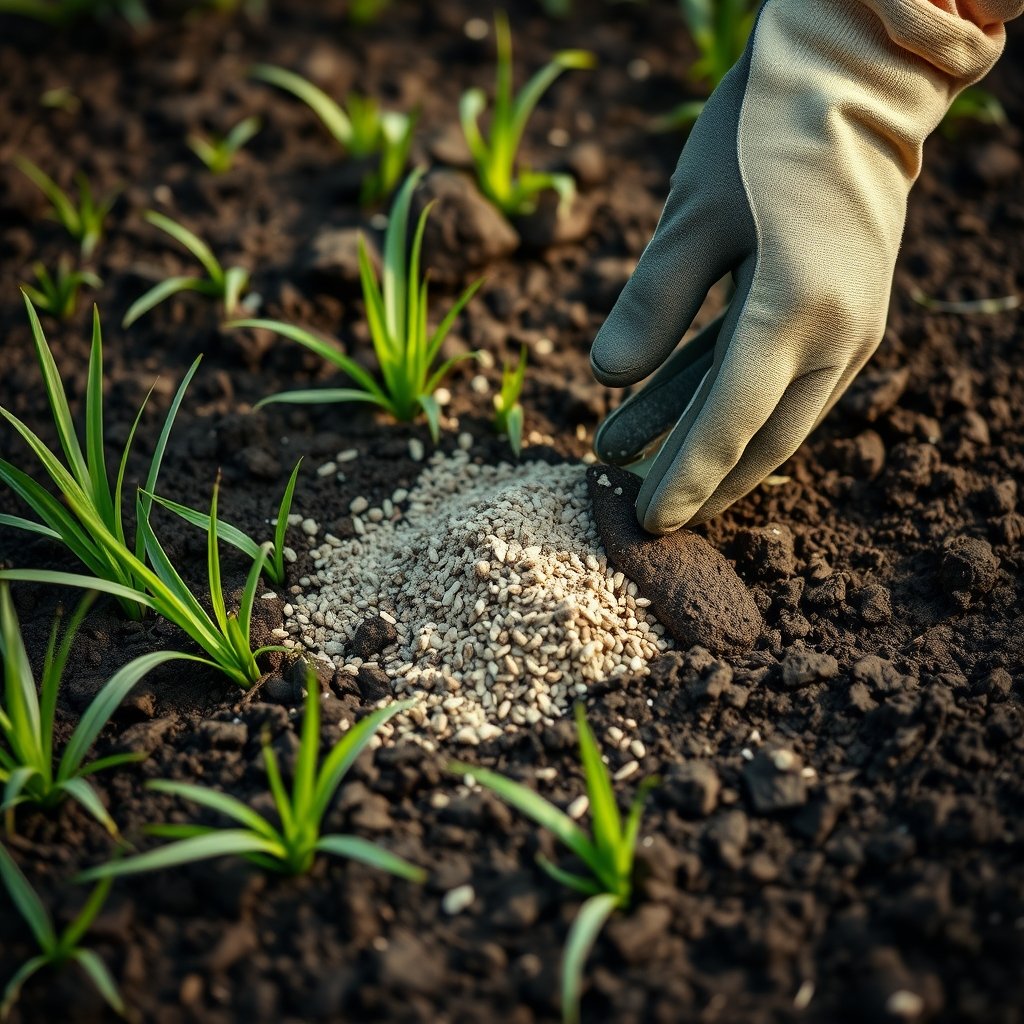
Not sure which fertilizer or program is right for you? Many homeowners opt for biosolid or animal byproduct fertilizers for cost-saving and soil health benefits (see this practical comparison guide). But whatever you choose, your region’s soil temperature, grass variety, and past fertilization results should drive all decisions—not the loudest voice at the garden center.
Want precision? Learn more about smart lawn care for beginners.
Avoid These Common Mistakes That Sabotage Green Lawns
DIYers and even seasoned homeowners stumble on the same problems over and over. Here’s a rundown of what holds back your green results—and how to avoid repeating them.
- Skipping the soil test: Guessing nutrient needs means you often over-apply phosphorus or potassium and under-apply what you really need—nitrogen. Many lawns already have enough phosphorus or potassium; adding extra can waste money and damage turf/waterways. Always confirm with a soil test.
- Mistimed fertilizing: Applying fertilizer before soil warms up ignores plant needs and often stimulates weeds, not grass. Conversely, waiting too late means you miss root development windows. Let soil temp, not the calendar, determine timing.
- Wrong NPK ratio: All-purpose blends with high potassium may seem like “extra insurance,” but excessive K rarely helps and contributes to runoff. Homeowners are told “more is better”—it rarely is.
- Poor watering habits: Frequent shallow watering encourages short roots and more disease. Slow, deep irrigation is crucial for real, lasting green up.
- Neglecting aeration and overseeding: Compacted or bare lawns can’t absorb nutrients/water, and become weed-prone fast.
| Mistake | Impact | How to Fix |
|---|---|---|
| Skipping soil test | Wasted product, potential turf/waterway damage | Test every 2-3 years, adjust application |
| Early/late fertilizing | Weed growth, poor root development | Base on soil temperature, not calendar |
| Wrong NPK | Lackluster results, wasted money | Prioritize nitrogen, minimize P/K unless needed |
| Shallow watering | Disease, stunted roots | 1–1.5″ deep irrigation weekly |
| Ignoring aeration/overseeding | Thin, compacted, weed-prone lawns | Aerate and overseed at least annually |
Learn how to fix bare spots with the right approach using this step-by-step repair guide.
The Key Lawn Care Steps Most Guides Miss
Most “How to Get a Green Lawn” advice skips the less glamorous—but critical—grass care steps proven to make or break your results:
- Region-appropriate seed selection: Don’t just grab what’s on sale. Match grass species with your zone, yard conditions (shade vs. sun), and actual lifestyle needs (see expert seed advice).
- Deep, infrequent irrigation: 1–1.5 inches per week encourages deep root growth and drought resilience. Set a rain gauge out—most lawns get over-watered or shortchanged.
- Annual aeration and dethatching: Improves nutrient/water uptake and thickens turf, especially if you walk or play on your lawn often.
- Integrated pest and disease management: Watch for early signs of fungus or insects and match your solutions to your actual grass type and climate. Don’t rely exclusively on chemical treatments—adjust mowing heights and water practices too.
- Leave grass clippings on the lawn: This “grasscycling” can give up to 25% of your lawn’s total nitrogen needs per season with no extra cost or effort (see the science).

Need help organizing your long-term outdoor upgrades? You can find project ideas in these best home improvement ideas for your whole yard.
Building a Simple Year-Round Lawn Care Plan
Want consistent, reliable green? You need a plan that evolves from season to season. Here’s how to design an annual sequence tailored to your zone:
- Early spring: Soil test if it’s been a while. Once soil hits 50–55°F for cool-season or 60°F for warm-season, apply your first round of nitrogen-forward lawn fertilizer.
- Spring/summer: Mow consistently (removing no more than 1/3 blade length), deep irrigate, and spot treat weeds/disease. Overseed bare areas with climate-matched blends.
- Late summer/early fall: Aeration and dethatching. Second fertilizer application as grass growth picks up. For cool-season lawns, this is your heavy feeding time.
- Late fall: Apply a custom root-boosting fertilizer (e.g., 10-0-10) to build winter resilience. Lower mowing height for winter in cold zones.
- Winter: Remove debris, service equipment, plan next year’s actions.
Pro-level results mean tracking your actions and updating based on what works. For smart home energy savings to complement your lush lawn, explore smart energy monitor options to further maximize home efficiency.
If you’re ready for even more results-driven advice, bookmark our Best Lawn Care Tips.
FAQ: Greener Grass & Lawn Care
How often should I water my lawn for the greenest grass?
Water deeply so the soil is moistened 6-8 inches down—usually 1 to 1.5 inches per week, including rainfall. Shallow, frequent watering doesn’t encourage deep roots and leads to weak grass.
Can I use the same fertilizer all year?
No. Early in the season, nitrogen-forward blends work best for green-up, while late-season applications should favor root development—like a 10-0-10 NPK ratio in fall. Adjust based on your region and the results of your soil test.
Do I really need a soil test for my lawn?
Yes. Most lawns already contain enough phosphorus and potassium. Only a soil test tells you what’s missing—otherwise, you could waste money or even damage your lawn and local waterways.
What’s the biggest reason my grass still isn’t green?
Usually, it’s a combination of poor timing (especially fertilizing before soil is warm), shallow watering, skipping aeration, and using the wrong type or amount of fertilizer. Review each step regionally, not “by the book.”
Are there greener, more sustainable lawn care alternatives?
Yes—grasscycling (leaving clippings in place), using biosolid/organic fertilizers, and exploring clover or drought-resilient mixes can reduce water, chemical use, and emissions. Learn more about eco-friendly lawn alternatives.