

### Blog Post:
Lawn Care Tips are the difference between a lush green yard and a patchy, weed-choked lot—especially in 2026. If you’re weary of wasted effort or recurring lawn headaches, these data-backed strategies target the real, modern problems U.S. homeowners face—like invasive weeds, fertilizer burn, and gear that fails as soon as the weekend starts. Here’s what works (and what to avoid), including field-tested solutions most guides ignore.
Key Takeaways
- Weeds, fertilizer misuse, and equipment failure are the top lawn care headaches in 2026—addressing these drives real results.
- Integrated weed management, soil-driven nutrition, and attentive equipment upkeep outperform generic routines.
- Supervising lawn services and tailoring care to your region closes the gap between expectation and outcome.
- The Most Common Lawn Care Problems in 2026
- Step-by-Step Lawn Care Solutions for Today’s Challenges
- Advanced Analysis & Common Pitfalls
- Conclusion
- FAQ
The Most Common Lawn Care Problems in 2026
Lawn care trends for 2026 reveal the biggest frustrations: weeds like crabgrass and nutsedge (38% of U.S. homeowners say this is their top issue), brown patches and fertilizer burn (27%), and failing lawn equipment (15%)—all more prevalent now thanks to weather swings and tempting “shortcut” products. Why so many problems? Intense weed pressure, more complex fertilizer options, and rising equipment costs all play a part. Data shows the one-size-fits-all approach won’t cut it. Instead, understanding what’s different this year helps prevent wasted money and time.

Homeowners on forums like Reddit and Consumer Reports complain of recurring problems: service companies miss appointments, leave streaky mow lines, or apply too much fertilizer at the wrong times, making things worse. Plus, newer options for weed control or nutrient blends can seem overwhelming, leading many to either give up or double down on DIY solutions—sometimes with costly results.
For a full breakdown of new sustainable alternatives, check out our guide on clover lawns, which addresses water use and hard-to-control weed pressure in today’s climate.
Step-by-Step Lawn Care Solutions for Today’s Challenges
Taming your lawn in 2026 means targeting each pain point with realistic, tactical steps—not random hacks. Here’s a breakdown.
1. Identify Your Region’s Dominant Weeds Early
Every region deals with different “problem” weeds: in the Midwest, crabgrass is rampant; in the Southeast, nutsedge and dollarweed proliferate; in the Northeast, dandelions persist. Get to know your lawn’s invaders by name.
2. Run a Soil Test Before You Fertilize
The #1 fertilizer mistake? Applying generic high-nitrogen blends with no clue what your soil actually needs. Buy a DIY test kit or send a sample through your state’s cooperative extension. Test for pH and nutrient gaps, especially in new builds or after major topsoil work.
3. Feed Grass with What It Actually Needs
Based on your soil test, follow a focused nutrition plan—never the “more is better” route. Most lawns thrive with a slow-release nitrogen fertilizer combined with potassium and, if needed, a pH adjustment using lime or sulfur. Fertilize just before peak grass growth. Cool-season grasses (like fescue and bluegrass) want feeding in early spring and early fall; warm-season grasses (like Bermuda and zoysia) prefer late spring and early summer.
4. Upgrade Mowing and Equipment Care
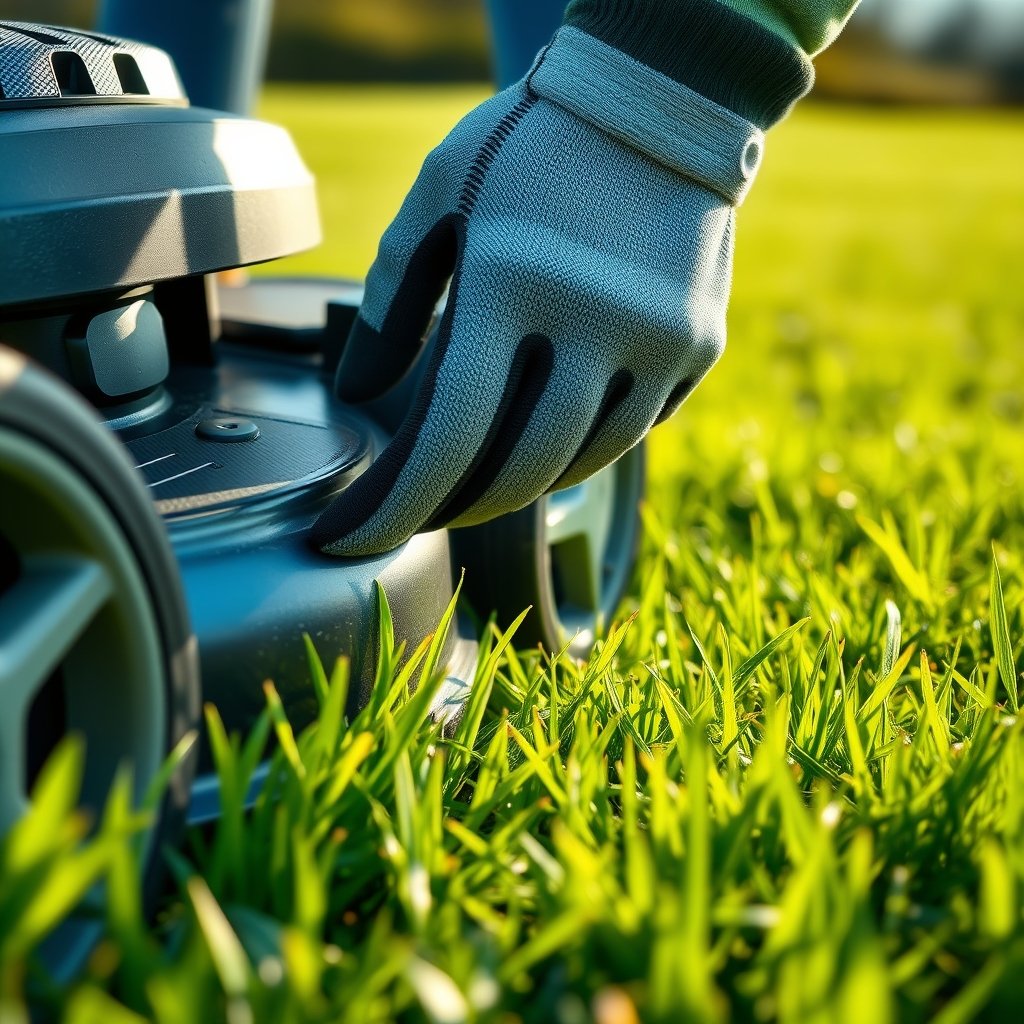
Uneven, “striped” mowing is often due to dull blades or mower wheels set at different heights. Check your mower deck monthly, sharpen blades every 20 hours of use, and replace spark plugs and air filters each season. Store fuel with a stabilizer—ethanol-blended gas goes stale in weeks.
If you need resilient, space-saving storage, our minimalist hidden storage guide shares tips that also apply to organizing outdoor tools sensibly.
5. Watch Watering Like a Hawk
Avoid brown patches and shallow roots: water deeply but infrequently. Set sprinklers to deliver 1 inch per session, early morning only. Use a rain gauge or empty tuna can to calibrate. Adjust for rainy springs or droughts.
6. Layer in Integrated Weed Management
Combine strategies: mow higher (3-4 inches for most species), aerate compact soil each fall, and spot-treat persistent weeds. Healthy, dense turf is the best defense against reinvasion and aggressive species.
For drought or eco-challenges, consider swapping all or part of your lawn with a clover grass alternative—these resist drought and crowd out weeds naturally.
7. Get the Most from Lawn Services
If you hire out, insist on a written schedule, confirm pre/post service pictures, and require notification before any fertilizer or chemical treatment. If details are missed or application seems sloppy, communicate clearly—they may not understand your lawn’s quirks. Find more in-depth supervision guidance in our home maintenance checklist guide.
Advanced Analysis & Common Pitfalls
Even after switching up your lawn care routine, some modern problems can catch you off guard. Here’s what real homeowners and experts say, plus a side-by-side overview of each challenge.
| Problem | Root Cause | Typical Result | 2024 Fix |
|---|---|---|---|
| Weed Outbreaks | Missed herbicide timing; thin turf | Overrun by crabgrass, dandelions, nutsedge | Use both pre- and post-emergents, follow local soil temperature cues |
| Fertilizer Burn | Over-application, poor spreader calibration | Yellow/brown patches, increased weeds | Test soil first, choose slow-release blends and calibrate gear |
| Equipment Failures | Neglected mower care; poor-quality tools | Engine stalls, cuts uneven or rips grass | Sharpen blades, seasonal engine checks, buy reputable brands (power tools guide) |
| Service Problems | Missed/late contractor visits, communication lapses | Streaky mowing, incomplete fertilization/weed control | Document everything, require details, follow up on results |
| Unrealistic Lawn Expectations | Comparing to seed-company ads, ignoring climate | Disappointment, wasted effort/money | Set region-appropriate goals, focus on health not perfection (US Lawn Care Market trends) |
Watch for pitfalls like skimping on equipment maintenance or chasing the “perfect” lawn that’s only possible with heavy chemicals. Not only do these tactics rarely last, but they may also carry health and environmental risks (dangers of lawn chemicals).
For specific troubleshooting, our DIY improvement guide covers gear fixes homeowners sometimes overlook.
Conclusion
Mastering Lawn Care Tips in 2026 is about precision, patience, and knowing which shortcuts backfire. Start with a soil test, attack priority weeds with the right timing, invest in your best mower, and watch for service lapses. The healthiest lawns use a blend of tailored nutrition, smart equipment care, and sustainable weed strategies—supported by smart supervision when hiring out. Take action now, and transform your lawn into the resilient, attractive space you want.
Ready to level up? Download our free checklist or explore our energy efficiency guide for even more ways to boost your home and yard.
FAQ
What is the best way to prevent weeds all season?
Apply pre-emergent herbicides in early spring and late summer, but don’t neglect mowing high and aerating soil—a dense lawn crowds out invaders.
How do I fix brown patches from over-fertilizing?
Stop feeding immediately, water deeply for several days, and gently rake out damaged grass. Test soil before any further applications to avoid future burn.
What equipment maintenance should I do each season?
Sharpen mower blades, clean the deck, change spark plugs and air filters, check oil, and use fuel stabilizer. Proper storage prevents corrosion or damage.
How can I supervise a lawn care company effectively?
Ask for a written schedule, take before/after photos, ensure all agreed services are performed, and question any chemical applications or missed visits promptly.
Are more eco-friendly options available for lawn care?
Yes! Options like clover lawns and organic pre-emergents provide good weed control with lower chemical exposure.