

### Blog Post:
Home Improvement Products in 2026 go far beyond simple upgrades, with U.S. homeowners navigating a fast-shifting market shaped by new trends, rising costs, aging-in-place priorities, and a flood of “best product” claims that rarely paint the full picture.
Key Takeaways
- 2026’s top Home Improvement Products trends revolve around kitchens, bathrooms, smart home systems, energy efficiency, and product longevity—but common pitfalls remain.
- Product reviews and buying guides often overlook total cost of ownership, real-world energy claims, and aging-in-place needs.
- Smart planning, third-party verification, and realistic expectations are essential for budget-savvy homeowners seeking long-term value.
- 2026 Market Trends: What’s Driving Home Improvement Product Choices?
- Best Home Improvement Products: High-Demand, High-Value Categories
- Recurring Issues: What Homeowners Really Complain About
- What “Best Product Guides” Still Don’t Tell You: 3 Essential Checks Before You Buy
- Quick Product Picks & Caveats from 2026’s Standout Categories
- Smarter Shopping—Resources for Deeper Research and Better Buying Decisions
- FAQ
2026 Market Trends: What’s Driving Home Improvement Product Choices?
Home improvement spending in the U.S. continues to break records. Homeowners spent an estimated $485 billion on home improvement products in 2026, with average total improvement and repair costs holding above $600 billion.[Source] Kitchens and guest bathrooms are the leading upgrade categories, making up 24% each of all projects. Buyers also focus on primary bathrooms, flooring, advances in paints and coatings, and outdoor living features.
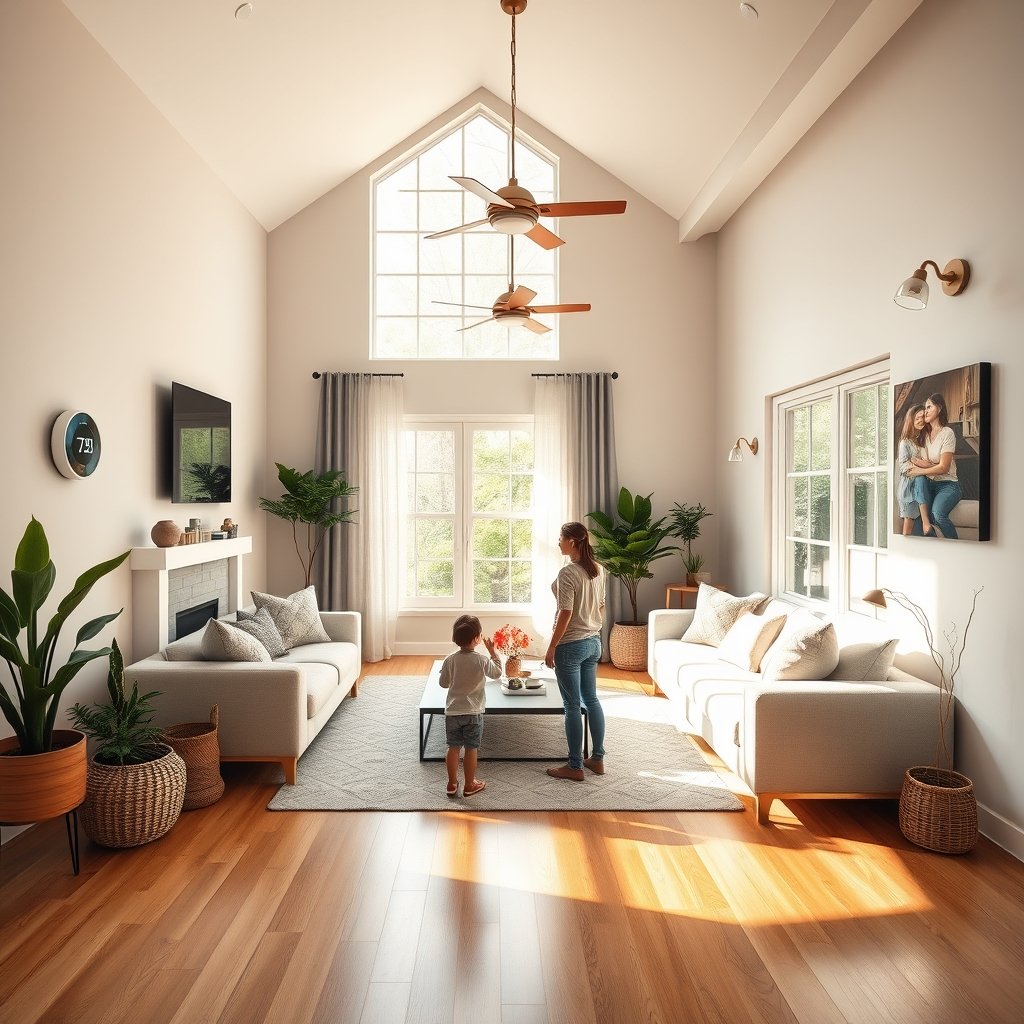
Smart home systems are now sought by over three-quarters of buyers, who are looking for convenient and energy-efficient solutions. DIY home improvement remains robust: 75% of homeowners attempt projects themselves to save money, reinforcing demand for clear instructions, dependable products, and reliable support.[Source]
Yet, homeowners continuously express frustrations—especially with durability, supply delays, hidden costs, and products that fail to live up to energy-saving claims.
Want to dive deeper into renovation ideas? Check the latest home improvement ideas for realistic inspiration.
Best Home Improvement Products: High-Demand, High-Value Categories
The best home improvement products of 2026 reflect three recurring themes: smart connectivity, sustainability, and real-world durability. High-performing categories include:
- Smart home devices: Think thermostats, energy monitors, leak sensors, touchless faucets, and security systems—78% of buyers pay more for these features, especially voice and app control.[Source] Learn more in our in-depth smart home devices guide.
- Energy-efficient upgrades: Homeowners seek windows, doors, and insulation with verified efficiency ratings. Tax credits for AI-enabled energy systems go up to $3,200; see practical installation strategies in our energy-efficient home upgrades guide.
- Sustainable, recycled, or reclaimed materials: Reclaimed wood cabinetry and recycled-glass countertops are on trend, supported by strong resale value and long-term savings.
- Power tools, electric lawnmowers, modular pergola kits, and resilient outdoor furniture remain homeowner essentials—explore standout options in our comparison of top-rated power tools and DIY pergola kits.
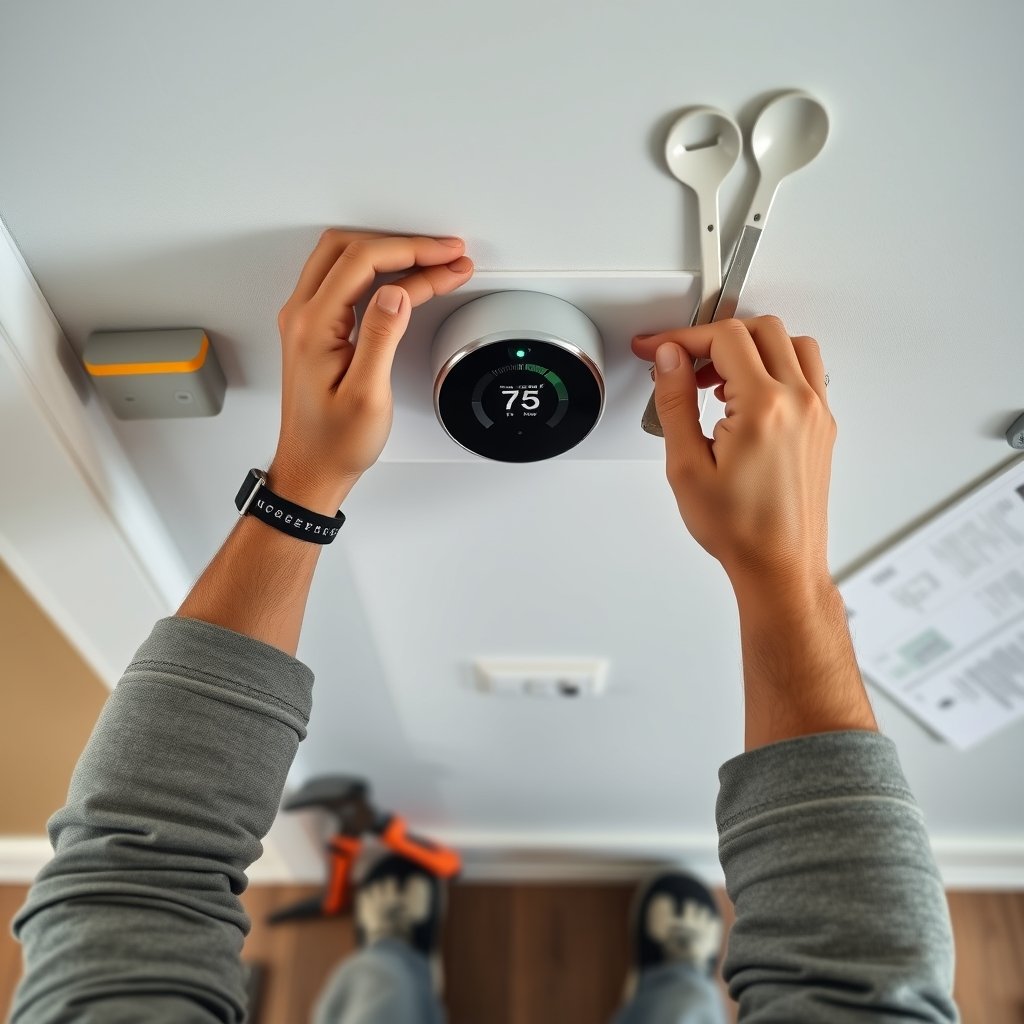
For project-by-project breakdowns—like kitchen remodeling, bathroom remodeling, or outdoor living—assess both up-front and future costs. Prioritize products with independent quality and safety certifications.
Recurring Issues: What Homeowners Really Complain About
Even the top-rated products cause headaches if you’re not alert to the most common problems. Based on user product reviews and industry reports, here’s where homeowners get burned:
- Durability letdown: Many paints, laminate floors, and vinyl plank products marketed as “lifetime” develop chips, fade, or show wear after just a few years. Smart device hardware (like entry locks and touchscreen panels) is prone to glitches or battery failures.
Compare real-life flooring durability here. - Overpromised energy savings: Homeowners dispute claims about dramatic reductions on utility bills; in reality, results often fall short, especially with smart thermostats and window replacements.[Source]
- Connectivity and compatibility headaches: Not all smart devices play nicely with your home’s Wi-Fi or voice assistants. Updates and “smart hub” integration can be difficult.
- Installation struggles: 75% of DIYers report frustration with incomplete instructions and “unboxing surprises” that lead to shopping for extra parts or hiring a pro mid-project.
- Hidden and unexpected costs: Product guides rarely mention maintenance, subscription fees (for monitoring or security apps), or the cost of replacing batteries or filters.
- Supply and timeline risks: High-demand products (especially in finishes or appliances) can be delayed for months, pushing back project schedules and ballooning budgets.
| Issue | Common Category | User Report Frequency | Budget Impact | Typical Fix |
|---|---|---|---|---|
| Durability failure | Flooring, Paint, Smart locks | High | Medium-High | Frequent replacement |
| Energy savings don’t match claims | Windows, Thermostats, Appliances | Moderate-High | Medium | 3rd-party audit, recalibration |
| Poor instructions | DIY kits, Tools | Very High | Low-High | Pro installation |
| Connected device glitches | Smart products | Moderate | Medium | Firmware/hub upgrade |
| Supply chain delays | Cabinetry, Appliances | Moderate-High | High | Order early/choose alternatives |
For more on avoiding project missteps, read about common home improvement mistakes and get prepared.
What “Best Product Guides” Still Don’t Tell You: 3 Essential Checks Before You Buy
Most buying guides focus on features, star ratings, and price. But they often ignore these critical homeowner essentials:
- True cost-of-ownership: Factor in installation, maintenance, replacement parts, service calls, and lifespan—not just sticker price.
- Independent verification of energy performance: Don’t rely solely on manufacturer claims. Look for third-party lab tests or certifications (such as from the EPA, DOE, or trusted organizations).
Use calculators from the U.S. Department of Energy to estimate real savings. - Accessibility and aging-in-place features: As more homeowners age in place, features like zero-threshold showers, lever door handles, and ADA-compliant layouts matter. Look for universal design certification or checklists.

Leading guides rarely address all three. Raise these “hidden” topics at the start of any project discussion, especially with contractors.
Want help planning universally accessible spaces? This accessibility in home design primer can help you avoid unseen errors.
Quick Product Picks & Caveats from 2026’s Standout Categories
Here’s a realistic look at popular 2026 home improvement products, along with known pros and downsides based on owner product reviews:
- Smart Home Energy Monitors: Provide real-time data and can lower costs, but users report connectivity dropouts and tricky app interfaces. Many don’t deliver promised 15-25% utility savings—results usually top out at 5-10%. Check our energy monitor guide for tested options.
- Recycled-Content Flooring: Eco-friendly and stylish, but some “lifetime” products wear far faster than advertised and can be tricky to self-install due to click-lock failures or poor instructions.
- DIY Power Tools: Major brands offer efficiency and performance, but always compare warranty terms and real user feedback before investing. For budget tools, look for certified refurbished options.
- Pocket Door Cabinets: Space-saving and modern, but challenging for first-time installers, especially without ultra-precise measurements. Review key tips in our pocket cabinet guide.
- Clover Lawns: Lower water bills and maintenance, but risk patching or browning in hot, dry climates. See full pros, cons, and care tips in our guide to clover grass alternatives.
No product is perfect. Prioritize long-term value, local support, and transparency on warranties and installation costs.
Smarter Shopping—Resources for Deeper Research and Better Buying Decisions
To cut through hype and hidden costs, leverage additional unbiased research sources and calculators:
- Third-party product certifications: Confirm Energy Star, UL, ADA, and similar designations for true performance and safety.
- Maintenance and cost calculators: Use trusted tools like DOE’s appliance cost estimator and home maintenance checklists. We’ve also compiled a practical home maintenance checklist.
- Accessible/universal design references: Download ADA-compliant design guides to ensure comfortable, future-proof living—especially for aging in place. Explore our feature on affordable upgrades for accessibility.
- Lab test & warranty directories: Before buying, check for reports from Consumer Reports or other reputable organizations. Read the fine print on warranties and return policies.
These resources help bridge gaps most standard buying guides miss, ensuring every improvement meets your expectations—for quality, safety, energy use, and accessibility.
FAQ
What are the most reliable home improvement product brands in 2026?
Brands with proven performance, strong warranties, and independent certifications remain safest. Look for long-established manufacturers with high ratings on Consumer Reports or UL listings, and avoid little-known import brands that lack testing or support.
How do I estimate the real total cost of an improvement product?
Factor in installation, tools, maintenance supplies, replacement parts, and expected product lifespan—not just the shelf price. Use appliance cost calculators and ask retailers for honest installation quotes in advance.
Do smart home devices actually save energy and money?
Some do, especially smart thermostats, energy monitors, and lighting systems. However, user experiences vary: Many smart products save less than advertised unless your home already runs inefficient systems or habits. Always check for third-party verification before buying.
What are the best upgrades for aging-in-place?
Focus on accessible bathrooms (zero-entry showers, grab bars), lever handles, wider doorway clearances, non-slip floors, and quality lighting. Prioritize universal design and ADA-compliant features for future-proof comfort and safety.
How can I avoid common product pitfalls when shopping for home improvement upgrades?
Research beyond online star ratings: Read full owner reviews, request documentation on performance/warranty, verify energy claims, and factor in maintenance or replacement costs. When in doubt, consult unbiased sources like DOE calculators or professional remodelers.
—
[…] Top-Rated Home Improvement Products […]