

Introduction: Why 2026 Will Define the Future of Home Improvement
Home Improvement Trends 2026 represent a decisive breaking point for homeowners who want to blend smart technology, sustainability, and livable design. These trends are reshaping modern homes at a speed and scale not seen before—by 2026, advancements in artificial intelligence and eco-friendly systems aren’t just “nice to have,” they set the standard. If you’re planning upgrades, understanding what’s driving these Modern Home Design Trends can mean the difference between a smart investment and a costly, frustrating renovation.
Key Takeaways
- Smart and sustainable homes will dominate Home Improvement Trends 2026, thanks to rapid advances and rising consumer demand.
- Real-world challenges—like device complexity, security concerns, and project management headaches—require new approaches to succeed.
- Overlooked trends such as AI-powered ecosystems and plug-and-play devices will make homes more accessible, resilient, and future-proof.
- Introduction: Why 2026 Will Define the Future of Home Improvement
- The Rise of Smart and Sustainable Homes: What the Numbers Reveal
- The New Challenges Homeowners Face with Modern Home Design
- Overlooked Emerging Trends for 2026: What the Data Tells Us
- Expert Tips for Navigating Home Improvement in 2026
- Conclusion: Designing Your Future-Ready, Resilient Home
- FAQ: Home Improvement Trends 2026
The Rise of Smart and Sustainable Homes: What the Numbers Reveal
The leap toward sustainable homes and smart homes is happening quickly and at scale. Market data confirms this: the global smart-home market is expanding at a 21 percent compound-annual growth rate and is set to reach $848 billion by 2034. North America leads with about 45 percent market penetration—nearly half of all homes in the region are smart-enabled—while Asia-Pacific is growing fastest, up 25 percent year-over-year. Millennials are at the forefront of this shift, followed by Gen X, but demand among older and middle-income homeowners is rising sharply, especially for systems with clear benefits and easy installation.
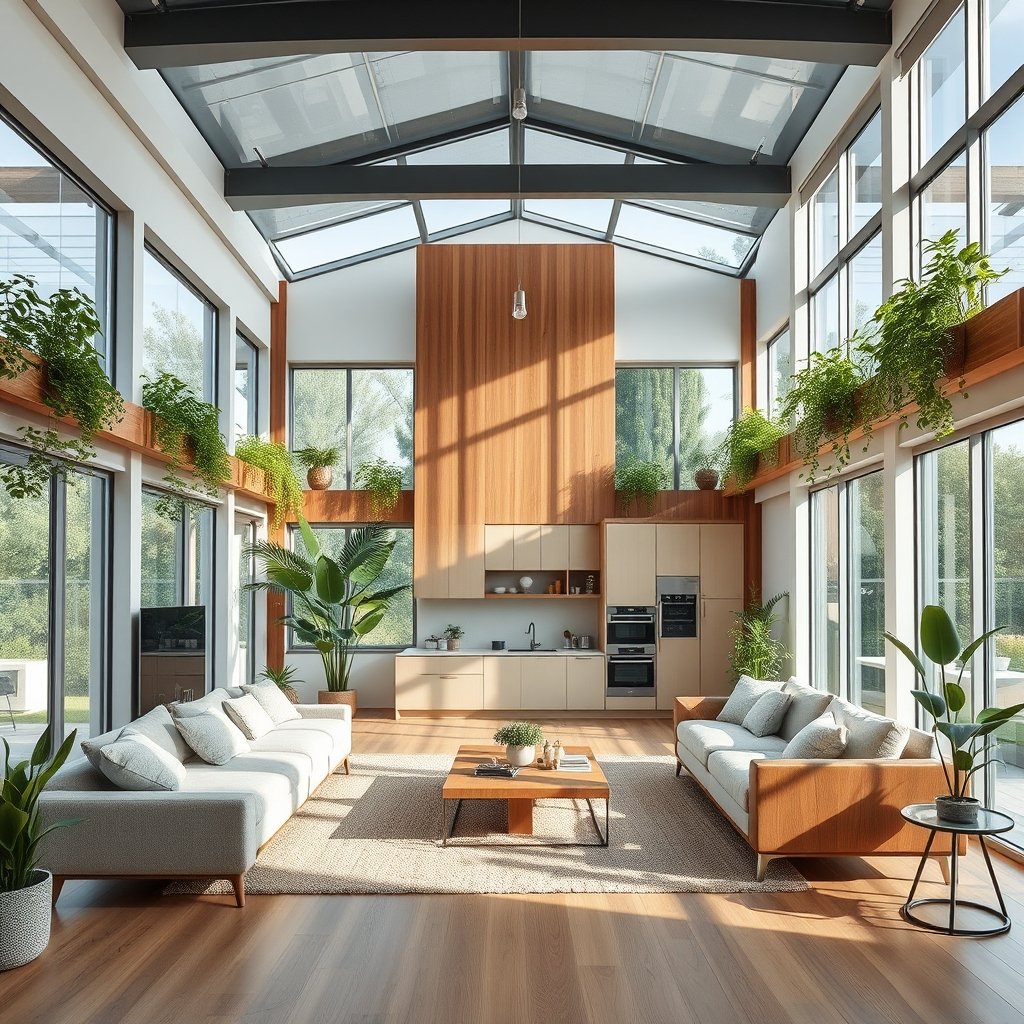
The appeal runs deeper than novelty: consumers now expect smart home features to deliver not just convenience, but real energy savings, cost control, and meaningful environmental benefits. In Europe, strict sustainability regulations push nearly 30 percent of new installations to be energy efficient. Expert observers note that the shift to energy efficient meaning is no longer a luxury—it’s core to how renovation trends are planned and justified.
For those considering upgrades, it’s evident that integrating smart home devices with sustainable systems will provide not just modern comfort but also long-term value and peace of mind. According to recent market reports, smart device adoption and energy upgrades are most popular among homeowners mid-30s to early 50s—precisely those motivated by efficiency and better quality of life.
The New Challenges Homeowners Face with Modern Home Design
Embracing renovation trends and interior design trends for 2026 isn’t always smooth. Many homeowners run into friction with both technology and project management:
- About 40 percent of renovators are dissatisfied with project timelines and communication, wishing for clearer expectations and better transparency (Houzz research).
- The typical home now has 22 connected devices, each subject to an average of 29 cyberattacks per day, tripling risk and worry over data privacy and system security (IoT Security Landscape Report). the average home faces 29 cyberattacks daily
- Users are frustrated by difficulty integrating devices from different providers, as platforms often lack seamless compatibility, especially among popular smart home brands.
- Many upgrades focus too much on appearance over true function, ignoring constraints like zoning, site conditions, or poor indoor-outdoor flow, which can lead to expensive redesigns and regrets (Modern House Design Trends Report).
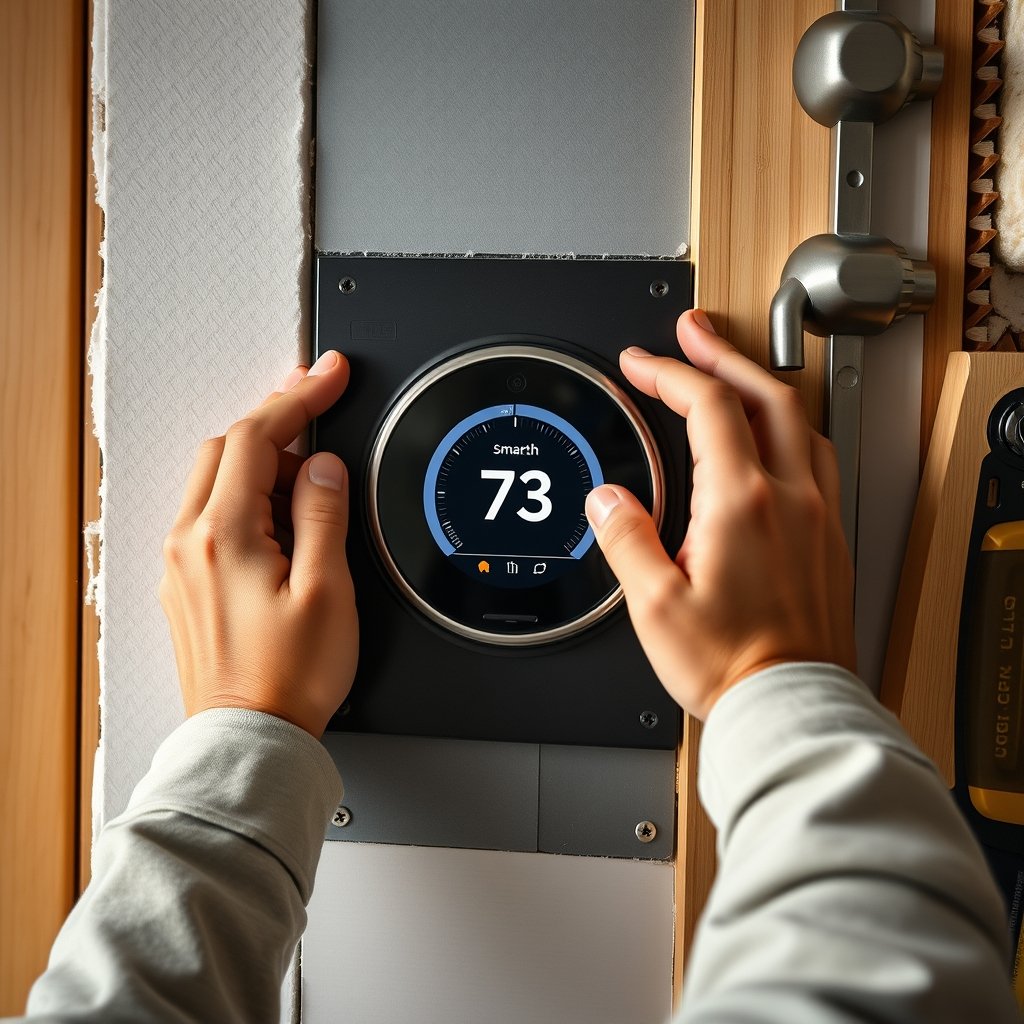
Another often-overlooked pitfall is underestimating the learning curve for new systems. Many homeowners feel overloaded by the sheer variety of smart products and unclear benefit claims. If your upgrades feel overwhelming, consider starting with ‘plug-and-play’ devices and incremental improvements, like adding a home energy monitor before rolling out house-wide automation.
For those seeking both aesthetics and everyday use, layering in practical storage is a must. Explore the latest pocket cabinet ideas and minimalist kitchen design solutions for kitchens, and consider statement lighting following modern pendant lighting trends for living spaces.
Overlooked Emerging Trends for 2026: What the Data Tells Us
While everyone talks about basic smart thermostats or eco-friendly paint, three innovation waves for 2026 truly stand out—yet are often missed in mainstream coverage:
- AI-Powered, Self-Learning Ecosystems: These systems automatically fine-tune temperature, air quality, and lighting by learning your habits—without you lifting a finger. They help cut bills and maximize comfort as your lifestyle changes, and can integrate with energy monitoring data for even greater savings. Early studies show energy savings and fewer manual adjustments compared to older “programmable” systems.
- Plug-and-Play Device Interoperability: Imagine adding or switching smart home devices as easily as plugging in a lamp. New standards and partnerships are making it possible for products across brands to “talk” to each other, slashing installation times and reducing tech headaches. This especially benefits renters, older adults, and busy families who need quick, reliable results. Manufacturers are responding, with 38 percent more demand among these groups for clear product benefits and no-hassle setup (Smart Home Market Analysis).
- Digitally-Enabled Renovation Workflows: Leading-edge platforms now let you plan, approve, and track projects in real time, bringing more openness and clarity to even complex remodels. These tools are already reshaping not just timelines, but how homeowners and pros align on both aesthetics and function.
For advanced finishes, virtual design tools make it easier to explore bold moves—such as limewash paint and Venetian plaster finishes—without the risk.
The message is clear: the best renovation trends of 2026 will focus not just on smart homes, but on making high-tech upgrades simple, usable, and resilient. Real-time management and clear, benefit-driven products will be in high demand.
Expert Tips for Navigating Home Improvement in 2026
Want your upgrades to pay off and stay relevant for the next decade? Consider these practical strategies, drawn from data-backed Modern Home Design Trends and the lessons of past project pitfalls:
| Common Pitfall | How to Avoid | 2026-Ready Solution |
|---|---|---|
| Prioritizing aesthetics over function | Balance design with daily needs | Start with a use-case audit; prioritize storage and workflow, like butler’s pantry |
| Ignoring home/site constraints | Review zoning, climate, and natural light early | Use modular solutions for flexibility; consult with local pros for compliance |
| Poor indoor-outdoor integration | Plan visual and traffic flow from the start | Consider upgrades like pergola kits or biophilic design for functional outdoor spaces |
| Neglecting privacy/security in tech | Vet products for data protection standards; secure your wifi | Start with trusted brands and incremental additions from guides like Smart Home Devices 2024 |
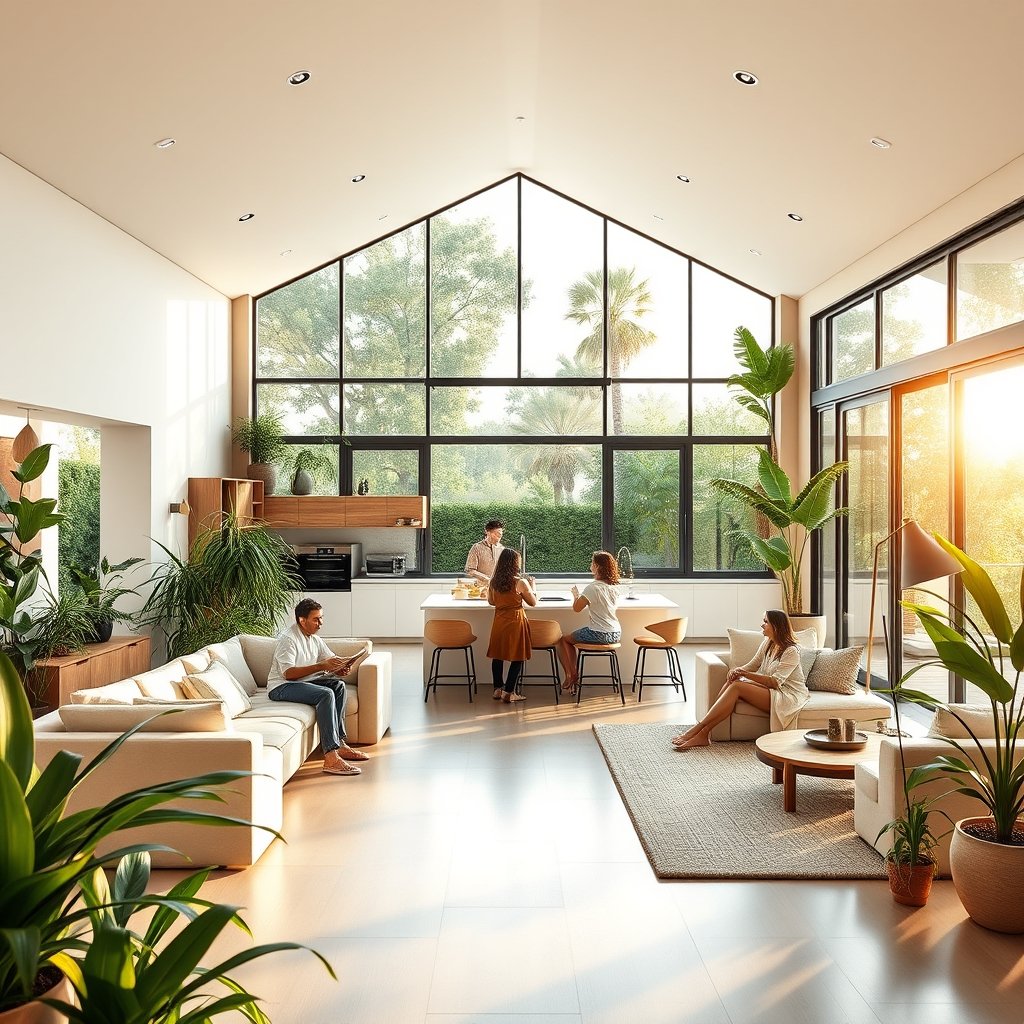
Other actionable advice:
- Remodel in stages—focus on critical upgrades first (insulation, energy, core systems) before shifting to design flourishes.
- Invest in product reviews and test simple, durable upgrades before overhauling entire spaces. For a value-focused approach, see affordable home upgrades and home improvement ROI guides.
- Expect to refresh digital security and device integration every few years, as technology and risks evolve.
Conclusion: Designing Your Future-Ready, Resilient Home
Modernizing your home in line with Home Improvement Trends 2026 comes down to blending improved comfort, energy savings, and secure smart features without losing sight of real-life needs. Choose solutions that are resilient, interoperable, and easy to manage. If you start early and follow the data-driven approaches above, your home can thrive in both style and value as technology and sustainability standards rise.
Ready to make your home future-proof? Dive into guides on home renovation costs, energy efficiency, or common home improvement mistakes to start planning smarter now!
FAQ: Home Improvement Trends 2026
What is driving Home Improvement Trends 2026?
The biggest drivers are rapid advances in smart home technology, stricter sustainability standards, and greater consumer focus on everyday efficiency. Demographics like Millennials and Gen X are leading with strong adoption and demand for easy, interoperable solutions.
Are smart homes safe from cyberattacks?
While device security is improving, the average home faces 29 cyberattacks daily in 2026. Always choose devices from trusted brands, regularly update software, and secure your home network to minimize risk.
How can I avoid home improvement regrets?
Balance appearance and function from the start, use digital project management tools for visibility, and vet all contractors for both tech and design experience. Small upgrades—like plug-and-play energy monitors—are a great test bed.
What are the most overlooked trends for 2026?
Look for AI-powered home ecosystems, universal plug-and-play device compatibility, and fully transparent, app-based renovation tracking. These shifts will make upgrades easier for all ages and home types.
Where can I learn more about sustainable home upgrades?
Explore our guides on energy efficiency and DIY home improvement for actionable tips and cost-effective strategies.
—

[…] a deeper dive into trending home improvement trends and sustainable upgrades, visit our dedicated […]
[…] Demographically, tech-forward families in urban and suburban regions are leading this adoption curve. However, regional gaps remain—adoption rates still lag in certain rural and lower-income markets, where upfront investment in security cameras or the latest smart locks can be a barrier. Meanwhile, Asia-Pacific regions, such as Japan and Southeast Asia, are accelerating their own adoption rates due to increased crime and rapid urbanization. For more home improvement context, you can see how tech trends compare with other home improvement trends. […]
[…] Learn more about technology trends in our Home Improvement Trends 2026. […]
[…] finishes, and circular, local products is both on-trend and functional for modern buyers. Explore current design trends and new eco-friendly solutions now ranking in buyer preference […]