

### Blog Post:
Best Home Improvement Tools are the foundation of every successful DIY home project today. In 2026, making smart choices isn’t just about brand recognition—it’s about cutting through marketing hype using real data, accurate tool reviews, and honest feedback from people just like you.
Key Takeaways
- Home Depot and Lowe’s dominate in-store tool sales in 2026, but online purchases now average $228—almost $20 less than in-store—making e-commerce a smart option for savvy buyers.
- DeWalt leads the market for power tools, but user reviews highlight recurring issues with durability, short battery life, especially in budget brands like Ryobi.
- Major “best tools” lists skim over crucial 2026 trends like smart connectivity, ergonomic design, and eco-friendly tool options—factors every homeowner should now consider.
- 2026’s Best Home Improvement Tools: What’s Selling and Who’s Winning
- Must-Have Essential DIY Tools for Every Homeowner
- What Users Love—and Hate: Real Reviews & Common Complaints
- 2026 Power Tool Brand Showdown: DeWalt vs. Ryobi vs. Craftsman
- What’s Missing in Today’s “Best Tools” Lists? 3 Essential Innovations for 2026 and Beyond
- Final Buying Tips: Maximizing Value and Avoiding Pitfalls
- FAQ
2026’s Best Home Improvement Tools: What’s Selling and Who’s Winning
The home improvement tools landscape in 2026 is shaped by fierce competition between big-box retailers and fast-growing online channels. Home Depot holds the top spot with 17.1% of all dollar sales, closely followed by Lowe’s at 15.2%. Amazon, now a major force in the sector, captures 6.4% of sales—especially among shoppers looking for speed and clear price comparisons. The average power tool purchase online is $228, close to $19 less than typical in-store costs. For 2026, DeWalt controls a striking 16% of total unit sales and 17% of industry dollar share, with buyers especially loyal to its quality but wary of higher prices.
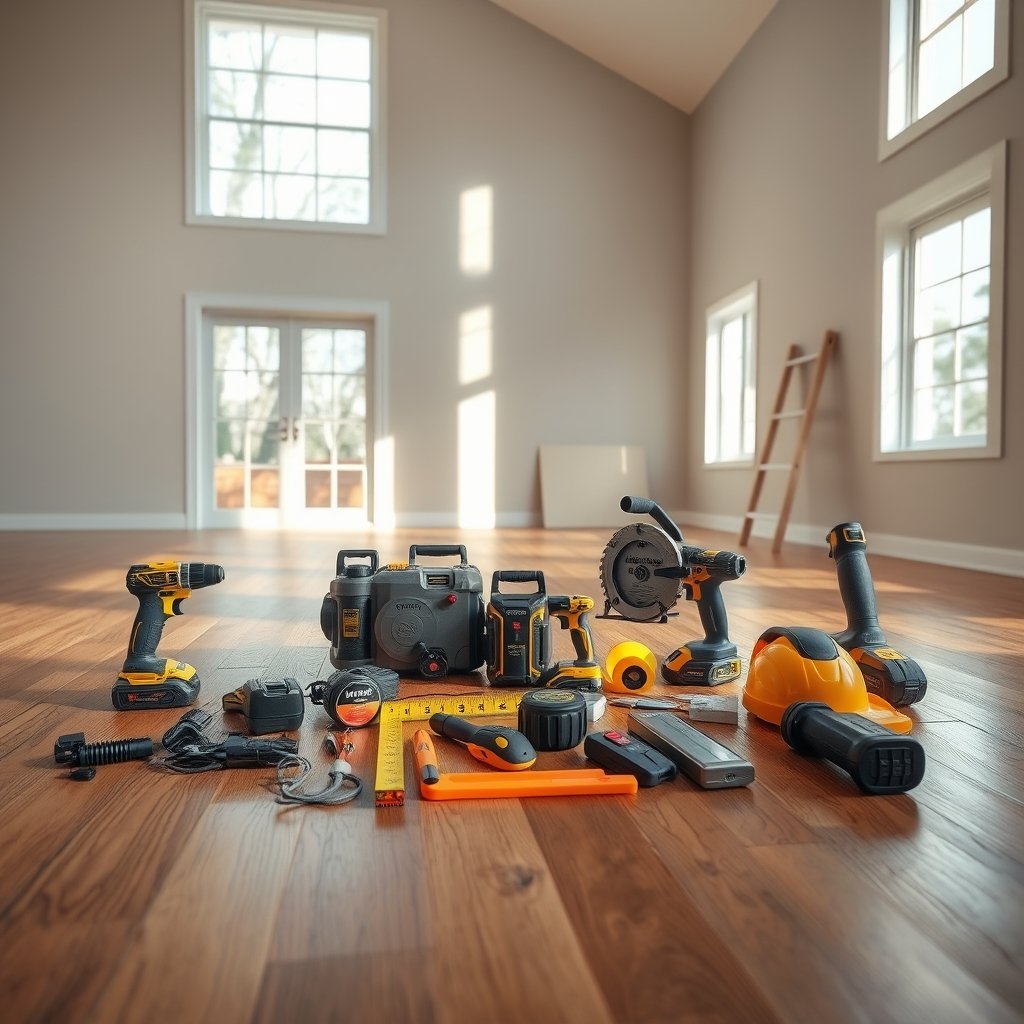
These shifts matter for homeowners: brick-and-mortar retailers give you the touch-and-feel experience, but online shopping wins on price and access to broader tool reviews. Hardware and tools are now over half of all hardware sales online, according to industry data. Brands like Craftsman and Ryobi carve out strong footholds, but customer loyalty depends on real-world performance, not just marketing or convenience. For a more project-focused take, see these home improvement ideas built for ROI.
Must-Have Essential DIY Tools for Every Homeowner
When it comes to tackling projects, homeowners consistently choose a core group of Essential DIY Tools in 2026. At the very top: cordless drill/driver combos. These are followed closely by impact drivers, circular or reciprocating saws, and all-in-one multi-tool kits—the backbones of effective home repair tools. Most DIYers now choose kits, not individual items, to avoid piecemeal buying and get key power tools in one shot. Kits typically range from $53 for solid entry-level sets (think basic hammers and tape measures) up to $162 for pro-quality, robust sets—like the highly rated DeWalt mechanics tool kit.
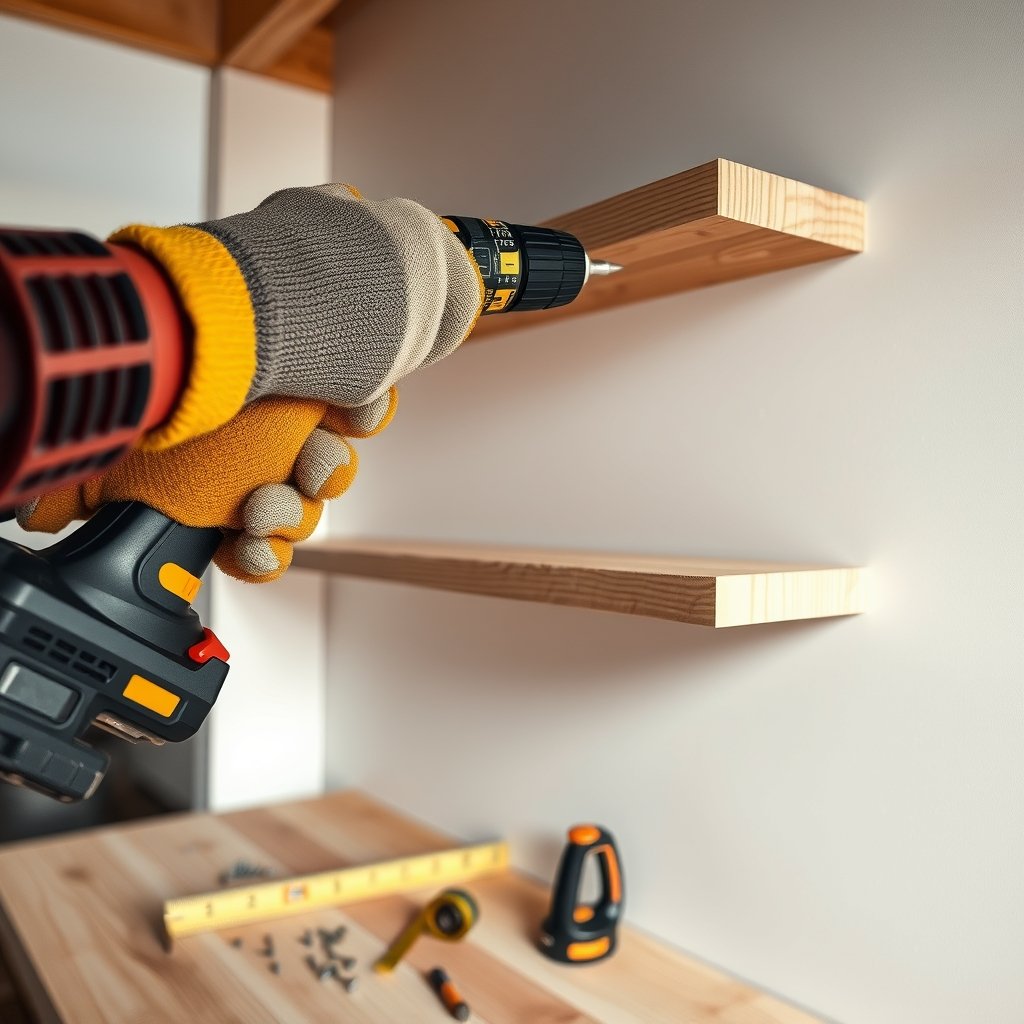
Smart choices now go beyond the old basics. Look for ergonomic handles, longer-life lithium-ion batteries, and flexible power tool platforms. Some of the most frequently bought items include:
- Cordless drill/driver sets (most recommended in independent tool reviews)
- High-impact drivers—key for heavy-duty tasks
- Handy, lightweight multi-tool starter kits (helpful if you’re new to DIY)
- Circular saws for cutting and repairs
Don’t forget extras—protective gear, compact storage, and reliable chargers. Good organization is crucial; read more on garage organization essentials for home projects.
What Users Love—and Hate: Real Reviews & Common Complaints
Tool reviews in 2026 reveal a striking gap between manufacturer marketing and user experience. The top compliments for premium brands like DeWalt and Bosch include long battery life, lifetime warranties, and well-designed, durable cases. However, budget-focused tools—especially from Ryobi—attract frequent complaints about durability, short battery life, and heavy fatigue after extended use. According to a recent industry analysis, 27% of buyers are replacing broken tools while 26% are first-timers—a sign that poor durability or missing essentials drive additional purchases.
Kit omissions rank high among frustrations. Buyers craving ‘all-in-one’ solutions often discover their kit lacks a basic hammer, tape measure, or adjustable wrench—leading to return headaches and extra costs. Another common pitfall is weight: heavier budget tools may be cheap, but they’re fatiguing during long tasks. User reviews also call out inconsistent quality control, especially on value lines, with some reporting defective units straight out of the box.
| Brand | Common Complaints | User-Reported Pros |
|---|---|---|
| DeWalt | High price; occasional missing items in kits | Long battery life, reliable durability, strong warranties |
| Ryobi | Poor durability, short battery, often heavy/fatiguing | Low entry price, wide accessory range |
| Craftsman | Kit items missing, mid-level battery issues | Decent quality for price, good hand tools |
| Bosch | Less kit availability, higher price | Great ergonomics, long battery life, attachment versatility |
For more tips on picking the right tools and avoiding buyer’s remorse, read common home improvement mistakes.
2026 Power Tool Brand Showdown: DeWalt vs. Ryobi vs. Craftsman
If you’re torn between big names, here’s where the top players stand in 2026. DeWalt takes the lead with a 22% brand-consideration rate and commands a price premium (average $145 per tool). Its reputation for quality and battery performance draws serious hobbyists and pros, even though some flagship kits skip ‘must-haves’ like pliers or a measuring tape. Ryobi leads the budget sector, with a 7.9% unit market share, and appeals to new DIYers or those after high accessory compatibility. Craftsman, with a 7.7% unit share, offers strong hand tools, but their power tool kits offer less battery life for the price.
The key differences?
- DeWalt: Pricey, but reliable and rugged. Worth it if you want your set to last more than a decade. Check battery platforms if you plan to expand.
- Ryobi: Affordable, huge accessory options, but be wary of poor durability and shorter battery cycles over time.
- Craftsman: Good value, especially on hand tools, but power tool batteries may not keep pace with DeWalt or Bosch.
For woodworkers and advanced DIY users, special features like variable speed controls and ergonomic grips now matter more than flashy branding. More in-depth comparisons are available in our best power tools breakdown.
What’s Missing in Today’s “Best Tools” Lists? 3 Essential Innovations for 2026 and Beyond
Most “Best Home Improvement Tools” lists in 2026 miss three vital trends:
- Smart Connectivity: The market lacks tools that sync with apps for battery and tool tracking. Tools with Bluetooth or Wi-Fi modules could let you monitor charge and even locate tools that vanish during house projects.
- Advanced Ergonomics: Fatigue is a persistent buyer complaint. Next-gen power tools should reduce vibration, cut weight, and adapt to both smaller and larger hands. For now, Bosch and select DeWalt models stand out, but the innovation gap is clear (see real user insights).
- Sustainability: Eco-focused tools using recycled materials, low-waste packaging, and replaceable (not disposable) batteries are virtually absent—despite rising consumer demand. For more on this cultural shift, check out our guide to eco-friendly lawn alternatives.
Seeing these features in a future kit will be a game-changer—especially for homeowners who want to invest for the long haul while shrinking their environmental impact.
Final Buying Tips: Maximizing Value and Avoiding Pitfalls
To maximize your investment and avoid the most common headaches, start with thorough research—not just by reading tool reviews, but by checking if your needs match what’s in the box. More than 64% of buyers shop at just one store and 73% stick to a single brand. This often leads to gaps and missed opportunities: for example, choosing a high-end drill but missing the essentials you actually use weekly (like a hammer or multi-head screwdriver).
Follow these smart rules:
- Shop during online promotions for combo kits to save 15–30% (especially around major holidays).
- Review kit contents first. Cross-check every included tool with your project list—don’t assume ‘all-in-one’ covers it all.
- Invest in durability for high-use tools like drills, impact drivers, and saws—even if it costs more upfront.
- Check battery compatibility if you plan to build out your tool set over time across brands.
- Use guides such as our DIY home repairs for inspiration and budget planning.
Always consider future needs—modular, expandable kits are safer bets. For more advice on picking home improvement products, don’t miss our annual product guide.

FAQ
What are the best home improvement tools to start with?
Start with a cordless drill/driver, a hammer, an adjustable wrench, a full screwdriver set, and a tape measure. These essential DIY tools cover most beginner projects and ongoing repairs.
Is it better to buy tools in a kit or individually?
Kits are usually more cost-effective if you need several tools at once. Individual buys make sense if you only need to replace a single, high-quality item or want specialized power tools.
How do I avoid common pitfalls when buying power tools?
Always check kit contents for essentials, read recent tool reviews, and watch for buyer complaints about durability or missing parts. Shop sales, but don’t compromise on core features.
Are premium brands like DeWalt worth the investment?
DeWalt tools command a higher price due to their durability and reliability, especially for frequent use. If you DIY regularly, it’s often worth the investment. Otherwise, mid-range brands like Craftsman can suffice.
What features are missing in most tool kits today?
Most kits still lack smart connectivity (like Bluetooth/app tracking), advanced ergonomic designs, and sustainability features such as recycled materials or low-waste packaging.
—

[…] Existing Network: Test your Wi-Fi coverage throughout your home. Dead zones will render even the best home security systems unreliable. Invest in a mesh system if […]
[…] you’re tackling renovation and want more DIY tools guidance, review our best home improvement tools roundup and home-use focused product reviews to see which models have solved (or failed) these reliability […]
[…] Tools: Cutting corners by using what’s on hand can ruin materials and lead to injuries. Reference the definitive tool guide here for the right gear every […]
[…] in storing other workspace tools? See our guide on best home improvement tools for […]
[…] Tool kit shortcomings: Essential items like tape measures or wrenches missing from “starter kits,” leading to multiple extra trips and unexpected costs. [External source] […]
[…] Don’t forget—collect common tools (screwdriver, tape measure, pliers) instead of buying an expensive toolkit right away. For many basic repairs, you’ll use what you already have. For more on tool basics, see our guide to best home improvement tools. […]