

How to Prevent Frozen Pipes is a crucial skill every homeowner in cold climates needs, especially after yet another year of record claims and costly winter plumbing disasters.
Key Takeaways
- Standard pipe insulation often fails because of missed gaps, deteriorating materials, and overlooked vulnerable spots.
- Expert pipe protection involves continuous vapor-controlled insulation, custom heat-loss auditing, and real-time smart monitoring.
- Proactive preparation in 2026 prevents the average $25,000 frozen pipe loss and gives you a chance to act before disaster strikes.
- Why Frozen Pipes Are a Major (and Increasing) Home Risk
- Step-by-Step: An Expert’s Approach to Pipe Winterization
- Advanced Analysis & Common Pitfalls
- Conclusion
- FAQ: Real-Life Scenarios & Solutions
Why Frozen Pipes Are a Major (and Increasing) Home Risk
Frozen pipes are not just a small inconvenience anymore—they have become one of the top reasons for expensive home water damage claims in cold regions. Homeowners in the northern US and across elevated states face greater winter plumbing risk than ever. In the most recent insurance season, American homeowners filed over 20,000 frozen pipe insurance claims totaling more than $628 million; the average loss from a broken pipe incident was about $25,000, but major bursts can soar well beyond that. This trend keeps rising as winters grow more erratic and deep freezes hit further south every year.
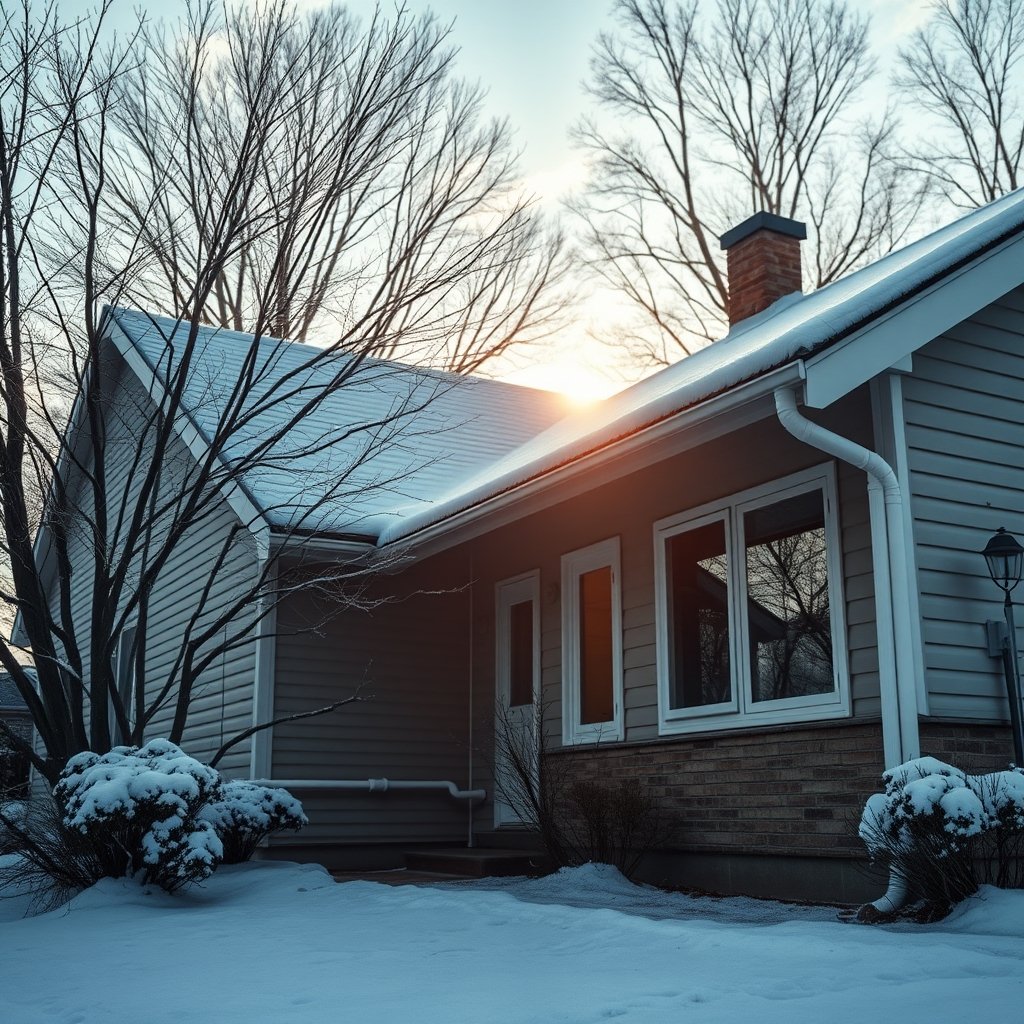
Traditional advice for how to prevent frozen pipes (like basic foam insulation or running a slow faucet) is being tested and often failing as homes age, winter storms worsen, and plumbing is routed in ever trickier places. The financial and time cost from even a single water event is a massive motivation to get ahead of the problem with the right strategy this season.
Step-by-Step: An Expert’s Approach to Pipe Winterization
Below is a realistic, actionable checklist for homeowners who take winter pipe protection seriously—mixing tried-and-true tips with expert upgrades that prevent those notorious failure points in real homes.
- Conduct a “Whole Home” Pipe Audit. Locate and trace every water pipe, especially those in unheated or borderline-heated areas (attics, crawlspaces, basements, exterior walls). Use floor plans, plumbing blueprints, and visual checks—thermal cameras or contact thermometers make this check far more accurate.
- Seal Drafts and Gaps. Cold air leaks are the enemy. Use expanding foam, caulk, or weatherstripping to seal around pipe penetrations, basement windows, rim joists, and sill plates. This is covered in most home maintenance checklists and gives insulation a fighting chance.
- Upgrade Insulation—Intelligently. Go beyond cheap foam tubes. Install continuous, vapor-controlled pipe insulation that covers ALL joints, elbows, and transitions—especially when crossing from heated to unheated zones. Overlap seams and use insulation tape to close gaps. Bypass “thinner is fine” advice: In especially cold climates, choose insulation thickness based on a quick heat-loss calculation for your zone. Consult standards or regional insulation guides for guidance, or see the latest research on this topic.
- Consider Approved Heat Cables. For stubbornly cold runs, especially outdoors or on north sides, use UL-rated electric heat cables WITH integrated thermostats. Always follow manufacturer instructions, avoid crossing cables, and check yearly for signs of wear.
- Install real-time freeze sensors or leak/flow sensors at the coldest risk points. Many are now Wi-Fi enabled, sending alerts straight to your phone if temps drop to a danger zone or slow flow is detected. Pair this with a shut-off plan for your main valve or install an automatic shutoff valve for emergencies—see more at smart home device guides.
- Maintain Safe Indoor Temperatures. Even if you’re away, never let thermostat settings dip below 55°F for any heated zone, and open cabinet doors below sinks to keep pipes exposed to warm air.
- Create “If-Then” Emergency Protocols. Every adult in the home should know how to shut off the main water supply quickly. Keep a written shut-off cheat sheet next to your main valve and share it with any house- or pet-sitters. Acting fast when a pipe freezes can save thousands.
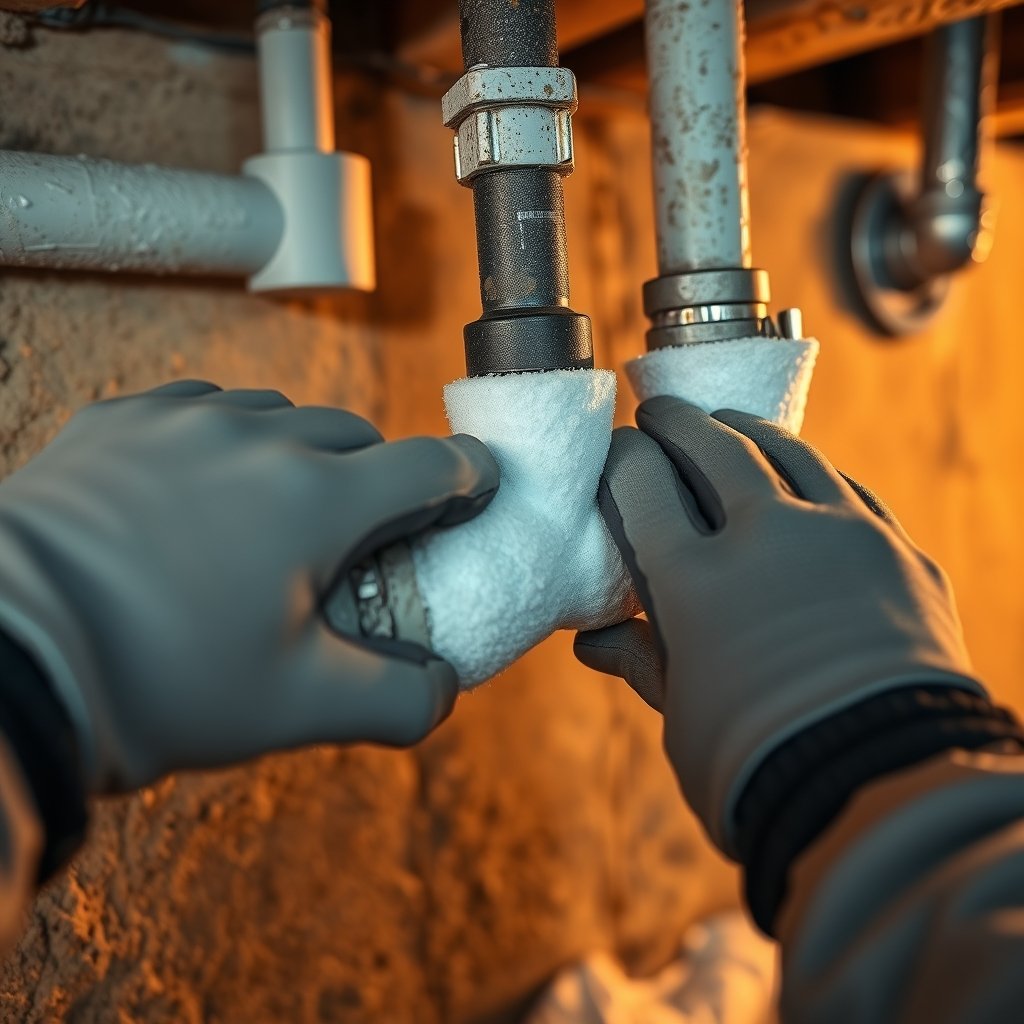
This home winterization process is included in many winter home maintenance tips, but advanced steps—like full audits and real-time monitoring—make a measurable difference, especially when you consider that 21% of homes remain at-risk for pipe freezing each season.
Still unsure how to evaluate your pipe risk or want a full “tune-up” checklist? The Home Maintenance Checklist is a good place to start for DIYers who want to systematically reduce winter surprises. For leak prevention and water safety, see this in-depth guide: Prevent Water Damage.
Advanced Analysis & Common Pitfalls
Despite investing in pipe insulation, many homeowners still suffer freeze and burst events because of overlooked vulnerabilities or bad product choices. Here’s what the latest data and real-world feedback reveal:
| Failure Point | How It Happens | How to Prevent |
|---|---|---|
| Insulation gaps at elbows/transitions | Insulation tubes often do not cover pipe bends or connections, leaving thermal bridges that freeze first. | Use continuous wrap with vapor barrier. Overlap and tape all joints, especially around elbows and tees. |
| Missed lengths in unheated or attic spaces | Hidden runs above ceilings or outside living areas are ignored, but these freeze fastest. | Audit whole-home plumbing, access crawl spaces/attics, and insulate every visible and mapped section. |
| Deteriorating foam/fiberglass | Cheap or UV-exposed insulation shrinks, cracks, or pulls away over time. | Inspect insulation every fall and replace damaged sections; use higher-quality, vapor-resistant products where exposed. |
| Heat cable and plug failures | Improper installation or unnoticed heating cable faults leave high-risk pipes exposed in the coldest nights. | Test cables each season and install only UL-listed models with indicator lights or smart monitoring features. |
| Neglected main shutoff plan | Not knowing how (or not being able) to turn off water quickly during a leak compounds damage. | Label and clear access to your main shutoff. Practice with all household members and consider a monitored auto-shutoff valve. |
Bridging these overlooked gaps is a recurring theme in contractor advice, insurance adjustor briefings, and homeowner complaints alike. According to research from the State Farm claims data and ongoing leak prevention research, the following overlooked tactics often make the difference between staying dry and facing catastrophic water damage:
- Insulation bridging: Use continuous vapor-controlled wrap and ensure full coverage at transitions and bends. This eliminates cold bridges—the exact point where most failures begin.
- Personalized heat-loss audits: Apply the right insulation thickness for your actual climate and pipe location—instead of relying on basic off-the-shelf kits. Areas like Minnesota or the Rockies require more aggressive protection than a southern basement.
- Early-warning tech and response: Investing in freeze alert sensors or whole-home flow detection kits can tip you off before a temperature crisis becomes a disaster. Most emergency calls come in after damage already begins—a simple alert lets you intervene in time.
For more on what can go wrong in insulation upgrades (and essential home energy efficiency tips in general), visit Energy Efficient Home Upgrades and Home Improvement Mistakes.
Conclusion
The days of assuming a quick foam wrap is enough are behind us. Smart, holistic prevention—combining advanced insulation, heat-loss auditing, and smart monitoring—is how to prevent frozen pipes in 2026. By updating your approach, you avoid the massive cost and stress of winter pipe failures. Take preventive action now: run your full pipe audit, upgrade insulation beyond the basics, and set up smart detection before the next cold front hits. If you want tailored improvement strategies or help planning your next steps, start with our expert home maintenance tips and schedule that winterization walkthrough today.
FAQ: Real-Life Scenarios & Solutions
What should I do immediately if I find a frozen pipe?
First, turn off your main water supply to limit any potential damage. Open the faucet fed by the frozen pipe to relieve pressure, then gently warm the pipe with a hair dryer or heat lamp—never use an open flame or torch. Once water flows again, inspect for cracks and call a plumber if leaks are found. For extra safety, install a smart leak sensor at the trouble spot for next time.
How do I choose the best pipe insulation for winter?
Focus on vapor-controlled, continuous insulation that covers all joints and bends, especially in unheated spaces or exterior walls. Select higher R-value thickness in very cold climates and insist on weatherproof wrap for outdoor or basement use. For more on insulation types and their effectiveness, consult this guide from the Insulation Institute.
Are there new tech solutions for preventing frozen pipes?
Absolutely. Smart freeze sensors and flow monitors send real-time alerts to your phone when temps drop or unusual water activity is detected, giving you time to act before a burst. Paired with an automatic shutoff valve, these tools can prevent extensive water damage. Learn more about these technologies in our smart home energy monitor guide.
What’s the most common mistake that leads to pipe freezing?
Missing hidden pipe lengths—especially those running through unheated attics, basements, or crawlspaces—is the top oversight. Even a small uninsulated segment at an elbow or tee can be enough to freeze and burst. Regularly check and update your insulation each fall and do a complete map of your plumbing system for peace of mind.
Can insurance cover frozen pipe damage?
Most homeowners insurance policies cover sudden water damage from broken pipes, but not gradual leaks or issues caused by neglect. Insurers expect you to perform basic maintenance, so proactive steps—especially using new tech or professional audits—can also help strengthen your claim if disaster strikes.